
In the high-stakes world of global finance, the question “what are stock futures doing now?” is often the first one asked by institutional traders and retail investors alike before the opening bell rings on Wall Street. Stock futures serve as a critical barometer for market sentiment, providing a window into how the market expects to open based on overnight developments, economic data releases, and geopolitical shifts. Understanding the current movement of futures is not merely about tracking numbers on a screen; it is about deciphering the underlying narrative of the global economy.
The Mechanics of Stock Futures and Why They Matter
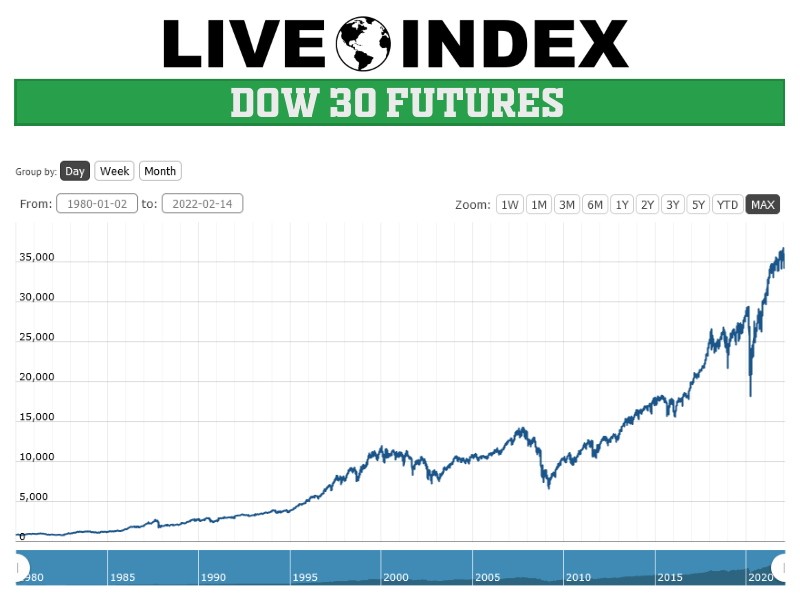
Stock futures are derivative contracts that obligate a buyer to purchase an underlying asset, or a seller to sell it, at a predetermined future date and price. In the context of the broad market, we are typically looking at index futures—most notably the S&P 500 (ES), the Nasdaq 100 (NQ), and the Dow Jones Industrial Average (YM). Because these instruments trade nearly 24 hours a day, five days a week, they capture the market’s reaction to news that breaks while the traditional cash markets are closed.
Price Discovery and the Overnight Session
The period between the 4:00 PM EST close and the 9:30 AM EST open is where much of the “magic” of futures happens. During the overnight session, known as the Globex session for CME-traded products, global participants from Tokyo to London react to local economic reports and corporate earnings. If a major tech giant reports earnings at 4:15 PM, the impact is immediately visible in the Nasdaq futures. By tracking what futures are doing “now,” an investor can see the distilled consensus of global participants, providing a head start on the trading day.
The Concept of Fair Value
One of the most misunderstood aspects of futures is the relationship between the futures price and the “fair value” of the index. Futures often trade at a slight premium or discount to the spot price of the index due to interest rates and dividends. When analysts say futures are “up,” they are usually comparing the current futures price to the calculated fair value. If the futures are trading significantly above fair value, it suggests a “gap up” open for the stock market. Conversely, trading below fair value indicates a “gap down.”
Key Indicators Influencing Current Futures Movements
When observing fluctuations in stock futures, professional traders look for specific catalysts that drive the price action. Futures do not move in a vacuum; they are highly sensitive to macroeconomic shifts and liquidity conditions.
The Role of the Federal Reserve and Interest Rate Expectations
In the current economic climate, perhaps no single factor influences stock futures more than the Federal Reserve’s monetary policy. Futures are highly sensitive to the “dot plot” and comments from Fed governors. If the market perceives that the Fed is leaning toward a “hawkish” stance (maintaining or raising high interest rates to combat inflation), futures generally move lower as the cost of capital increases. Conversely, “dovish” signals often lead to a rally in futures as investors anticipate cheaper borrowing and higher equity valuations.
Economic Data Releases: The Pre-Market Catalyst
Major economic reports, such as the Consumer Price Index (CPI), the Producer Price Index (PPI), and the Non-Farm Payrolls (NFP) report, are typically released at 8:30 AM EST—one hour before the stock market opens. This is the “golden hour” for futures traders. A higher-than-expected inflation print can cause futures to plummet within seconds as algorithms and traders price in the likelihood of tighter monetary policy. Tracking the volatility during these releases is essential for understanding the immediate direction of the market.
Earnings Season and Corporate Guidance
During earnings season, the movement of stock futures becomes a proxy for the health of Corporate America. Since many large-cap companies report after the bell or before the open, their individual volatility spills over into the index futures. For example, if several semiconductor companies report weak guidance, the Nasdaq 100 futures will likely reflect that pessimism long before the individual stocks begin trading on the exchange floor.
Strategies for Monitoring and Trading Futures
For the active investor, stock futures are more than just a scoreboard; they are a versatile tool for hedging, speculation, and strategic positioning.
Hedging Against Portfolio Downside
One of the primary uses of stock futures is as a hedge. If an investor holds a significant portfolio of blue-chip stocks and anticipates a market downturn due to an upcoming geopolitical event, they can “short” the S&P 500 futures. If the market drops, the gains on the short futures position can offset the losses in the physical stock portfolio. This allows the investor to maintain their long-term holdings without having to liquidate positions and trigger tax events.
Using Futures as a Leading Indicator
Even for those who do not trade derivatives, futures provide invaluable “tape reading” data. By observing the “internals” of the futures market—such as the volume at specific price levels or the speed of the tape—traders can gauge the conviction of a move. A slow, grinding move higher on low volume might indicate a “short squeeze” or a lack of real buying interest, whereas a sharp move on high volume following a news event suggests a regime shift in market sentiment.
The Impact of “Triple Witching” and Rebalancing
Periodically, the futures market experiences heightened volatility due to structural factors. “Triple Witching” occurs four times a year (the third Friday of March, June, September, and December) when stock options, stock index futures, and stock index options all expire on the same day. During these periods, what the futures are doing “now” may be driven more by institutional rebalancing and the closing of large positions than by fundamental news. Recognizing these calendar-driven events is crucial for avoiding the “noise” of artificial volatility.
Technical Analysis and Sentiment in the Futures Market
To answer “what are stock futures doing now” with precision, one must look at the technical levels that institutional “algos” and floor traders respect. Futures trading is heavily dominated by technical analysis because these contracts move so rapidly.
Support, Resistance, and Pivot Points
Futures often respect psychological round numbers (like 5,000 on the S&P 500) and previous day highs/lows. If futures are “doing nothing” and consolidating in a tight range, they are likely building energy for a breakout. Traders use “Pivot Points”—mathematical calculations based on the previous day’s high, low, and close—to identify where the market might find support or encounter selling pressure. If futures are trading above the “Central Pivot,” the bias for the day is generally considered bullish.
The Volatility Index (VIX) Correlation
There is a strong inverse correlation between stock futures and the CBOE Volatility Index (VIX), often called the “fear gauge.” When stock futures are selling off aggressively, the VIX typically spikes. Monitoring the VIX alongside futures provides a clearer picture of whether a move is a controlled retracement or a panic-driven liquidation. If futures are down but the VIX is relatively stable, it may indicate a healthy “pullback” rather than a trend reversal.
Navigating Volatility in the Modern Financial Landscape
As we look at the current state of stock futures, it is clear that the landscape has been permanently altered by high-frequency trading (HFT) and the democratization of financial data. Today, retail investors have access to the same real-time futures quotes that were once reserved for Wall Street elites.
The Risks of Leverage
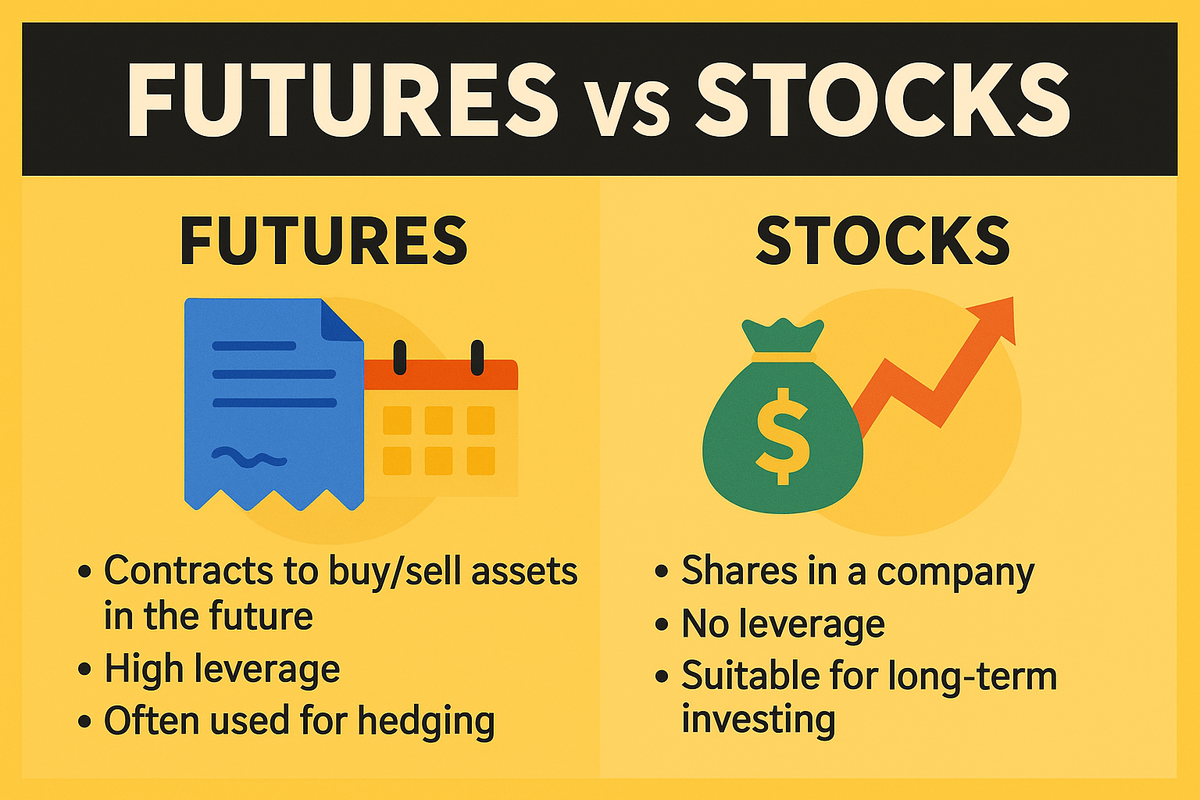
While futures offer the potential for high returns due to leverage, they also carry significant risk. A small percentage move in the underlying index can result in a large percentage change in the value of the futures contract. For those looking at what futures are doing to inform their long-term investing, the volatility is a signal; for those trading the contracts, it is a double-edged sword. Margin requirements must be strictly managed to avoid “margin calls” during periods of extreme overnight volatility.
Globalization and the 24-Hour Cycle
We no longer live in a world where the market “sleeps.” A policy change in Beijing or a sudden energy crisis in Europe will manifest in the US stock futures immediately. This interconnectedness means that the modern investor must be a global student of economics. When you check what stock futures are doing now, you are looking at the pulse of a global organism that never stops processing information.
In conclusion, stock futures are the ultimate “early warning system” for the financial markets. They aggregate global data, sentiment, and expectations into a single, fluctuating price. Whether you are a day trader looking for a quick scalp or a long-term investor looking to understand the morning’s opening direction, the futures market provides the most honest and immediate reflection of where the money is moving. By understanding the catalysts—from Fed policy to technical pivots—investors can move beyond simply seeing the numbers and begin to understand the “why” behind the market’s next move.
aViewFromTheCave is a participant in the Amazon Services LLC Associates Program, an affiliate advertising program designed to provide a means for sites to earn advertising fees by advertising and linking to Amazon.com. Amazon, the Amazon logo, AmazonSupply, and the AmazonSupply logo are trademarks of Amazon.com, Inc. or its affiliates. As an Amazon Associate we earn affiliate commissions from qualifying purchases.