
For every taxpayer, from the salaried professional to the diversified investor, the arrival of tax documents marks the official start of the financial new year. Understanding exactly when these documents arrive is not merely a matter of curiosity; it is a critical component of personal cash flow management and strategic financial planning. Filing early can lead to faster refunds and reduced identity theft risk, while filing late—even if waiting for legitimate documents—can lead to missed opportunities for tax-loss harvesting or IRA contributions.
The timeline for tax document delivery is governed by a combination of Internal Revenue Service (IRS) mandates and the operational capacities of financial institutions. While the end of January is the traditional benchmark for most forms, the reality of modern finance means that your mailbox (and digital inbox) will continue to receive updates well into March.

The Standard Calendar: January Deadlines for Core Documents
The IRS sets strict deadlines for employers and financial institutions to provide essential income statements to taxpayers. For the vast majority of Americans, the most important forms are postmarked or made available digitally by January 31.
The W-2 and 1099-NEC Timeline
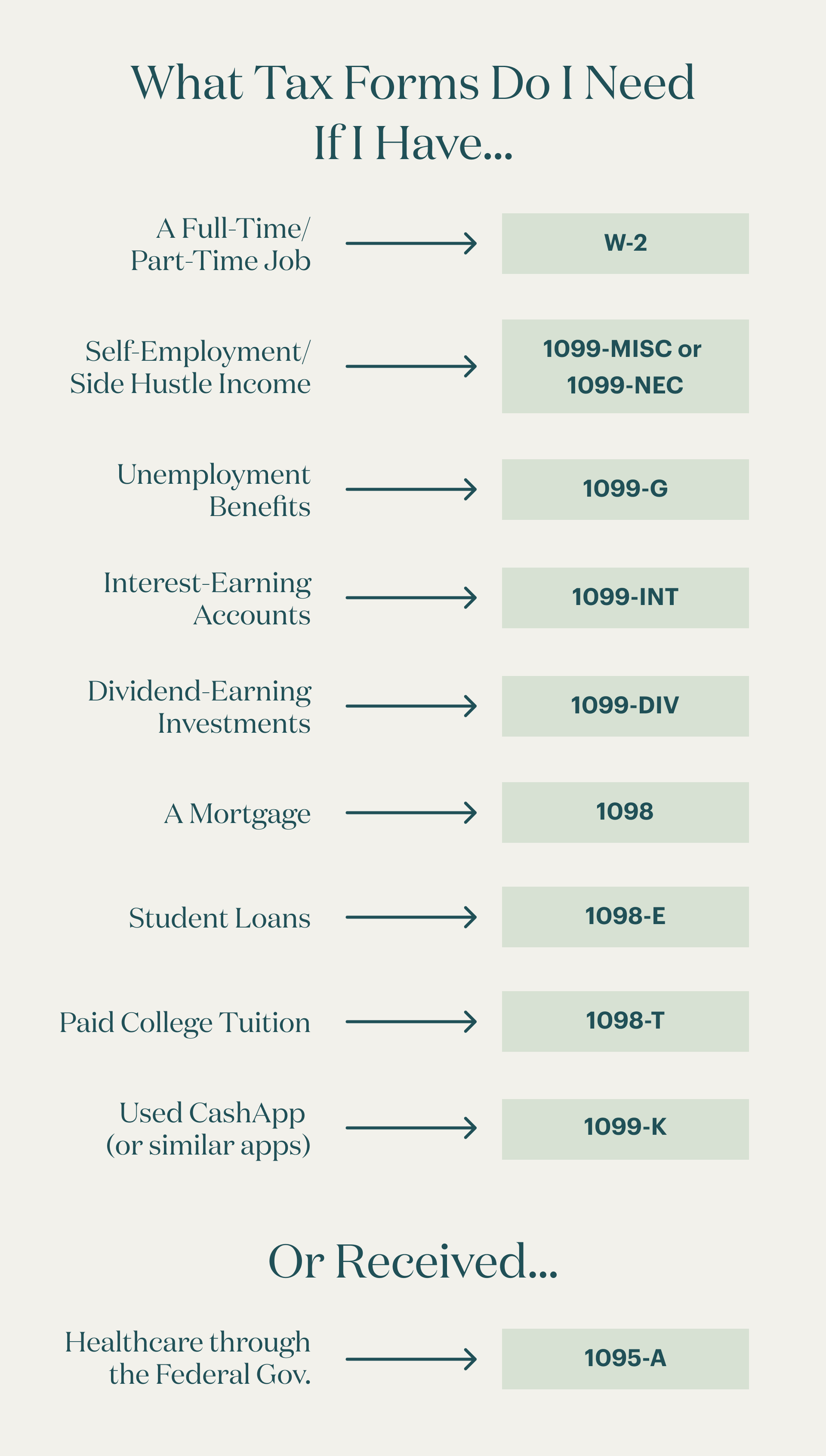
The W-2 Wage and Tax Statement is the cornerstone of the tax return for employees. Employers are legally required to send these out by January 31. If you have opted for digital delivery, you may see this document as early as the second week of January. However, if your employer still relies on physical mail, you should allow at least a week of transit time before inquiring about its status.
For the self-employed, freelancers, and independent contractors, the 1099-NEC (Non-Employee Compensation) follows the same January 31 deadline. Since the restructuring of the 1099-MISC several years ago, the 1099-NEC has become the primary document for reporting business income. Because these are often generated by smaller businesses or individual clients, there is a higher frequency of delays in this category compared to the automated systems used by large corporations.
Interest and Miscellaneous Income (1099-INT and 1099-MISC)
Most traditional banks and credit unions aim to deliver Form 1099-INT, which reports interest income of $10 or more, by the end of January. If you have high-yield savings accounts or certificates of deposit (CDs), these documents are essential. Similarly, Form 1099-MISC, used for rent payments, prizes, or other types of income, also shares the January 31 deadline.
Mortgage Interest and Student Loans (1098 and 1098-E)
For those looking to maximize deductions, Form 1098 (Mortgage Interest Statement) and Form 1098-E (Student Loan Interest Statement) are vital. Lenders are required to provide these by January 31. These forms are often overlooked but are crucial for reducing taxable income through itemized deductions or specific adjustments to income.
The Complexity of Investment Income: Why Some Documents Arrive Later
While basic income forms are due in January, the world of investing operates on a different schedule. If you have a brokerage account, own mutual funds, or hold stocks, you should not expect to have a complete picture of your tax liability until mid-February or even late March.
The Brokerage Extension Factor
Brokerage firms frequently request and receive extensions from the IRS to send out “Consolidated 1099s.” These consolidated statements include 1099-B (Proceeds from Broker and Barter Exchange Transactions), 1099-DIV (Dividends and Distributions), and 1099-INT.
The primary reason for this delay is the “reclassification” of income. Throughout January, mutual fund companies and Real Estate Investment Trusts (REITs) often update the tax status of the distributions they paid out during the previous year. What was thought to be a standard dividend might be reclassified as a return of capital or a capital gain distribution. To avoid sending out thousands of corrected forms, brokerages wait until these figures are finalized, usually pushing the delivery date to February 15.
Schedule K-1: The Late Arrival
If you invest in partnerships, S-corporations, or certain Exchange Traded Funds (ETFs) structured as limited partnerships, you will receive a Schedule K-1. These are notorious in the financial world for their late arrival. Because the partnership must complete its own complex tax return before it can issue K-1s to its partners, these forms often do not arrive until March or April. In many cases, taxpayers with significant K-1 income are forced to file an extension (Form 4868) to wait for these documents.
Corrected 1099s and Their Impact
Even after you receive your investment tax forms, there is a risk of receiving a “Corrected 1099.” This occurs when a financial institution receives updated data after their initial filing. For investors, this can be a significant headache, potentially requiring an amended tax return if the initial return has already been filed. This is why many financial advisors suggest that investors with complex portfolios wait until at least late February to file, even if they have already received their preliminary documents.
Digital vs. Physical Delivery: How to Speed Up the Process
In the modern financial landscape, the “mailbox” is increasingly digital. Choosing the right delivery method can shave weeks off your waiting period and improve your financial security.
The Advantages of Paperless Portals
Most major banks, brokerage firms, and payroll providers (like ADP or Gusto) offer “paperless” delivery. By opting into this service, you are typically notified via email the moment a form is generated. Digital delivery eliminates the “postmark” lag and the risk of documents being lost or stolen from a physical mailbox. From a digital security perspective, accessing your forms through a password-protected portal is significantly safer than having sensitive documents containing your Social Security number sitting in an unlocked residential mailbox.
Consolidating via Financial Software
Many taxpayers now use financial management software that can directly import tax data. Tools like TurboTax, H&R Block, or even sophisticated wealth management platforms can “pull” data from institutions like Vanguard, Fidelity, or Charles Schwab as soon as it becomes available. This automation reduces manual entry errors and ensures that you are using the most current data provided by the institution.
Monitoring for Form Availability
It is a best practice to create a checklist of every financial institution where you hold an account. In early January, log in to these portals to check their “Tax Center” or “Tax Documents” section. Many institutions provide a schedule of when they expect to release specific forms, allowing you to plan your filing date with precision rather than guessing.
Managing the Waiting Game: Proactive Financial Planning
Waiting for tax documents does not mean your financial planning should be on hold. There are several proactive steps you can take while your forms are in transit to ensure a smooth filing process and a better understanding of your financial health.
Reconciliation and Receipt Gathering
While you wait for official forms, you should reconcile your own records. For business owners and freelancers, this means finalizing your profit and loss statements. For homeowners, it means gathering receipts for energy-efficient upgrades or property tax payments that may not appear on a Form 1098. Having these figures ready allows you to cross-reference them with official documents the moment they arrive, helping you spot discrepancies immediately.
Estimating Liability and Refunds
Using your final pay stubs from December, you can estimate your total income and tax withholdings. Financial tools and online calculators can provide a “ballpark” figure of whether you owe money or are due a refund. This is vital for liquidity planning. If you expect to owe a significant amount, you have until mid-April to ensure those funds are liquid and available. Conversely, if you expect a large refund, you can begin planning how that capital will be deployed—whether it’s for debt repayment, an emergency fund, or a new investment.
The Role of Estimated Tax Payments
For those who pay quarterly estimated taxes, the arrival of year-end documents is the ultimate test of your estimation accuracy. If you find that your 1099s show significantly higher income than you projected, you may need to adjust your first-quarter estimated payment for the following year to avoid future underpayment penalties.
What to Do if Your Documents Are Missing
If the calendar turns to mid-February and you are still missing core documents like a W-2 or a 1099-NEC, you must take action to remain compliant and avoid delays in your filing.
Step 1: Contact the Issuer
The first step is always to reach out to the employer or the financial institution. Often, the issue is as simple as an outdated mailing address or an unverified email for digital delivery. Most companies can re-issue a document or provide a digital copy within 24 to 48 hours of a request.
Step 2: The IRS Intervention
If an employer refuses to provide a W-2 or has gone out of business, the IRS can intervene. You can contact the IRS after February 15, and they will send a letter to the employer requesting the missing form. You will need to provide your personal information, the employer’s name and address, and an estimate of your wages and withholdings based on your final pay stub.
Step 3: Using Form 4852
If all else fails, you can use Form 4852, “Substitute for Form W-2, Wage and Tax Statement.” This form allows you to estimate your income and withholdings so that you can still file your return on time. However, using this form can lead to delays in processing your return as the IRS verifies the information against other data sources.
Preparing for the Filing Deadline
Ultimately, the goal of tracking your tax documents is to ensure an accurate and timely filing by the April 15 deadline (or the applicable date if it falls on a weekend or holiday). By understanding the nuances of the tax document calendar—from the January 31 postmark for W-2s to the mid-February delays for brokerage accounts and the late-season arrival of K-1s—you can approach tax season with a strategy rooted in financial clarity rather than administrative stress. This preparation is the hallmark of sound personal finance management, ensuring that you remain in control of your data, your taxes, and your overall financial trajectory.
aViewFromTheCave is a participant in the Amazon Services LLC Associates Program, an affiliate advertising program designed to provide a means for sites to earn advertising fees by advertising and linking to Amazon.com. Amazon, the Amazon logo, AmazonSupply, and the AmazonSupply logo are trademarks of Amazon.com, Inc. or its affiliates. As an Amazon Associate we earn affiliate commissions from qualifying purchases.