
In the landscape of mechanical engineering and automotive hardware, few innovations have achieved the ubiquitous status of the General Motors LS motor. While the term “LS” formally refers to a specific series of V8 engines, in the modern technological era, it has come to represent a standardized platform of high-performance hardware. Often cited as the “Linux of the automotive world,” the LS engine is more than just a power source for vehicles; it is a masterclass in modular engineering, iterative design, and digital integration. To understand what the LS motor is, one must look beyond the cylinders and pistons and examine it as a sophisticated technological framework that revolutionized the way we approach internal combustion.
The Architecture of Performance: Engineering the LS Platform
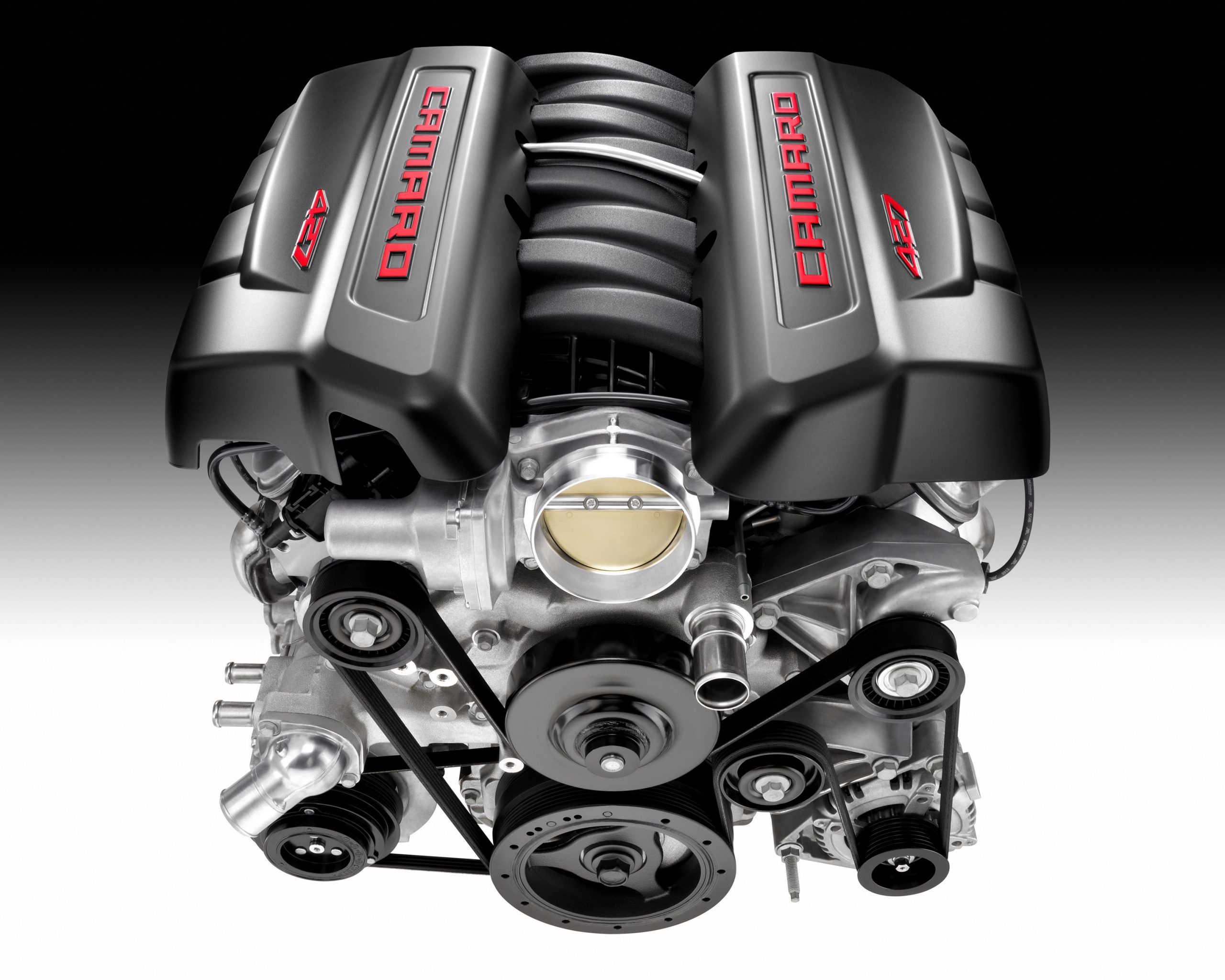
The foundational “tech” behind the LS motor lies in its deceptively simple architecture. When General Motors introduced the third-generation small-block V8 in 1997, they departed from the heavy, complex overhead-cam designs that were becoming industry standard in favor of a refined pushrod (overhead valve) design. This was not a step backward into legacy tech, but a strategic engineering pivot toward efficiency and packaging.
Small Block vs. Big Impact: The Power-to-Weight Ratio
At the core of the LS motor’s technological appeal is its physical footprint. By utilizing a deep-skirt block design—where the engine block extends below the crankshaft centerline—engineers achieved incredible structural rigidity without the massive weight penalties associated with traditional big-block engines. Most LS motors feature aluminum blocks and heads, significantly reducing the front-end weight of the vehicles they inhabit. This high power-to-weight ratio is a critical technical metric, allowing for better weight distribution and handling dynamics in a variety of hardware applications, from sports cars to industrial machinery.
The Pushrod Evolution: Why Simplified Hardware Still Wins
While European and Japanese manufacturers moved toward Dual Overhead Cam (DOHC) configurations, the LS team perfected the pushrod system. Technically, this resulted in a much smaller physical engine size. Without the need for massive cylinder heads to house multiple camshafts, the LS motor is compact, allowing it to be “swapped” into almost any engine bay. From a technical design perspective, the LS proves that reducing moving parts (simplifying the bill of materials) can lead to higher reliability and lower frictional losses, translating to more efficient power delivery.
Digital Integration: The Software and ECU Ecosystem
An LS motor is not merely a mechanical assembly; it is a digitally controlled system that relies on a sophisticated “brain” known as the Engine Control Unit (ECU). The synergy between the physical hardware and the electronic management systems is what truly defines the LS as a modern piece of technology.
Programmability and Tuning: The Open-Source Spirit of Hardware
One of the reasons the LS motor dominates the tech-heavy tuning industry is the transparency of its electronic architecture. The GM Delco ECUs utilized in LS platforms are some of the most studied and “cracked” pieces of automotive software in existence. This has birthed a massive ecosystem of third-party software tools like HP Tuners and EFI Live. These tools allow technicians to manipulate fuel maps, ignition timing, and sensor thresholds in real-time. Much like a software developer optimizes code for better performance, LS tuners optimize “spark and fuel” to extract maximum efficiency from the hardware.
Sensors and Feedback Loops: Managing Precision Combustion
The LS motor utilizes an array of high-fidelity sensors—including Mass Air Flow (MAF), Manifold Absolute Pressure (MAP), and wideband oxygen sensors—to create a closed-loop system. This tech allows the engine to adapt to changing environmental conditions (like altitude or temperature) in milliseconds. In later iterations, this digital integration evolved to include “Drive-by-Wire” (Electronic Throttle Control), which replaced physical cables with digital signals. This transition allowed for more precise traction control, cruise control, and torque management, effectively turning the engine into a peripheral of the car’s central computing system.

The Iterative Tech Cycle: From Gen III to Gen V
Technology thrives on iteration, and the LS motor has followed a rigorous development roadmap across three distinct generations of hardware. Each generation introduced significant technical advancements that pushed the boundaries of what a pushrod V8 could achieve in terms of emissions and power.
Generation III and IV: The Global Standard
The Gen III (LS1, LS6) and Gen IV (LS2, LS3, LS7) iterations represented the peak of port-injection technology. The Gen IV, in particular, introduced Active Fuel Management (AFM)—a technological feature that allows the engine to “deactivate” half of its cylinders during light cruising to save fuel. This was a significant leap in engine management logic, requiring a complex interplay between hydraulic lifters and the ECU’s software to ensure the transition was seamless to the driver.
Generation V: Direct Injection and Modern Efficiency Tech
With the introduction of the Gen V (often referred to as the LT series, though still built on the LS architecture), the technology moved to Direct Injection (DI). Unlike previous generations where fuel was sprayed into the intake port, Gen V tech sprays fuel directly into the combustion chamber at incredibly high pressures (up to 2,175 psi). This technical shift required a total redesign of the cylinder heads and pistons but resulted in a much more complete burn of fuel, higher compression ratios, and significantly lower emissions. It represents the pinnacle of internal combustion technology before the full industry shift toward electrification.
The Ecosystem of Customization: Hardware as a Service
In the tech industry, a platform is only as good as the apps built upon it. For the LS motor, the “apps” are the thousands of aftermarket components designed to interface with it. The LS has become a standardized hardware interface, much like the USB port or the PCIe slot in a computer.
Modularity and Interchangeability
The technical brilliance of the LS platform is its modularity. Because GM maintained consistent mounting points and bellhousing patterns across decades of production, parts from a 2015 truck engine are often compatible with a 1998 sports car engine. This “interoperability” is a rare feat in mechanical engineering. It allows users to build custom configurations—combining different heads, intakes, and rotating assemblies—to create a bespoke piece of hardware tailored to specific performance requirements.
The Future of Internal Combustion Tech in an EV World
As we move toward Electric Vehicles (EVs), the LS motor’s role is shifting. It is increasingly being viewed as a “legacy tech” that remains relevant due to its reliability and the sheer volume of data available on its operation. Even in a digital-first world, the LS remains the go-to choice for range-extender projects and hybrid experiments. Its legacy is not just in the cars it powered, but in the blueprint it provided for how to build a scalable, modular, and digitally accessible hardware platform.
Conclusion: The Legacy of a Technical Icon
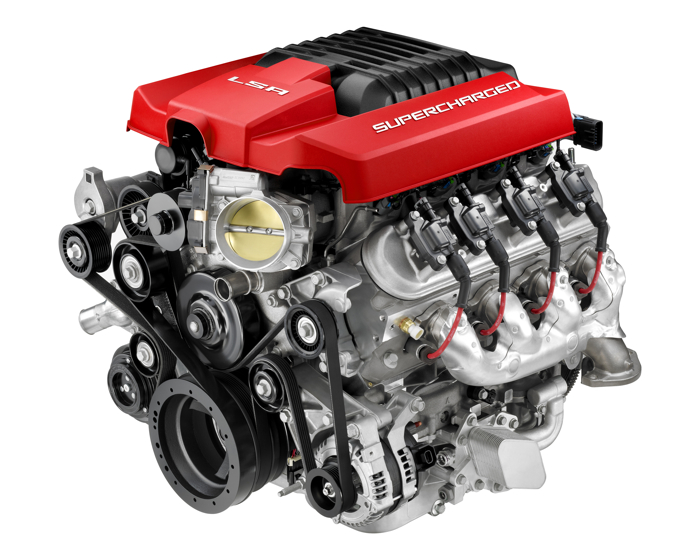
To ask “what is the LS motor” is to ask how a single design became the most influential piece of automotive technology in the last thirty years. It is an engine that succeeded by refusing to overcomplicate its physical form while embracing the full potential of its digital brain. Through its lightweight aluminum construction, its compact pushrod architecture, and its highly tunable electronic control systems, the LS motor bridged the gap between old-school mechanical brawn and new-school technological precision.
Whether it is powering a high-end supercar, a heavy-duty work truck, or a custom-built drift car, the LS motor stands as a testament to the power of a well-designed platform. It proved that in the world of technology, sometimes the best way to move forward is to take a proven concept and iterate upon it until it reaches near-perfection. As the industry evolves, the LS will likely remain the gold standard for mechanical hardware—a timeless example of how great engineering can create a legacy that lasts for generations.
aViewFromTheCave is a participant in the Amazon Services LLC Associates Program, an affiliate advertising program designed to provide a means for sites to earn advertising fees by advertising and linking to Amazon.com. Amazon, the Amazon logo, AmazonSupply, and the AmazonSupply logo are trademarks of Amazon.com, Inc. or its affiliates. As an Amazon Associate we earn affiliate commissions from qualifying purchases.