
In the landscape of modern retail and interior design, the question “what are silk flowers?” has evolved from a simple inquiry about material composition into a complex discussion about market scalability, high-margin e-commerce, and sustainable business models. No longer relegated to the dusty corners of discount craft stores, silk flowers—now professionally referred to as “permanent botanicals”—represent a multi-billion dollar vertical within the home decor and event planning industries.
For the modern investor, entrepreneur, or financial analyst, silk flowers represent a unique intersection of low-maintenance inventory and high-perceived value. This article explores the economic architecture of the artificial floral industry, analyzing why this niche has become a powerhouse for online income, corporate staging, and long-term business growth.
The Economic Evolution of the Silk Flower Industry
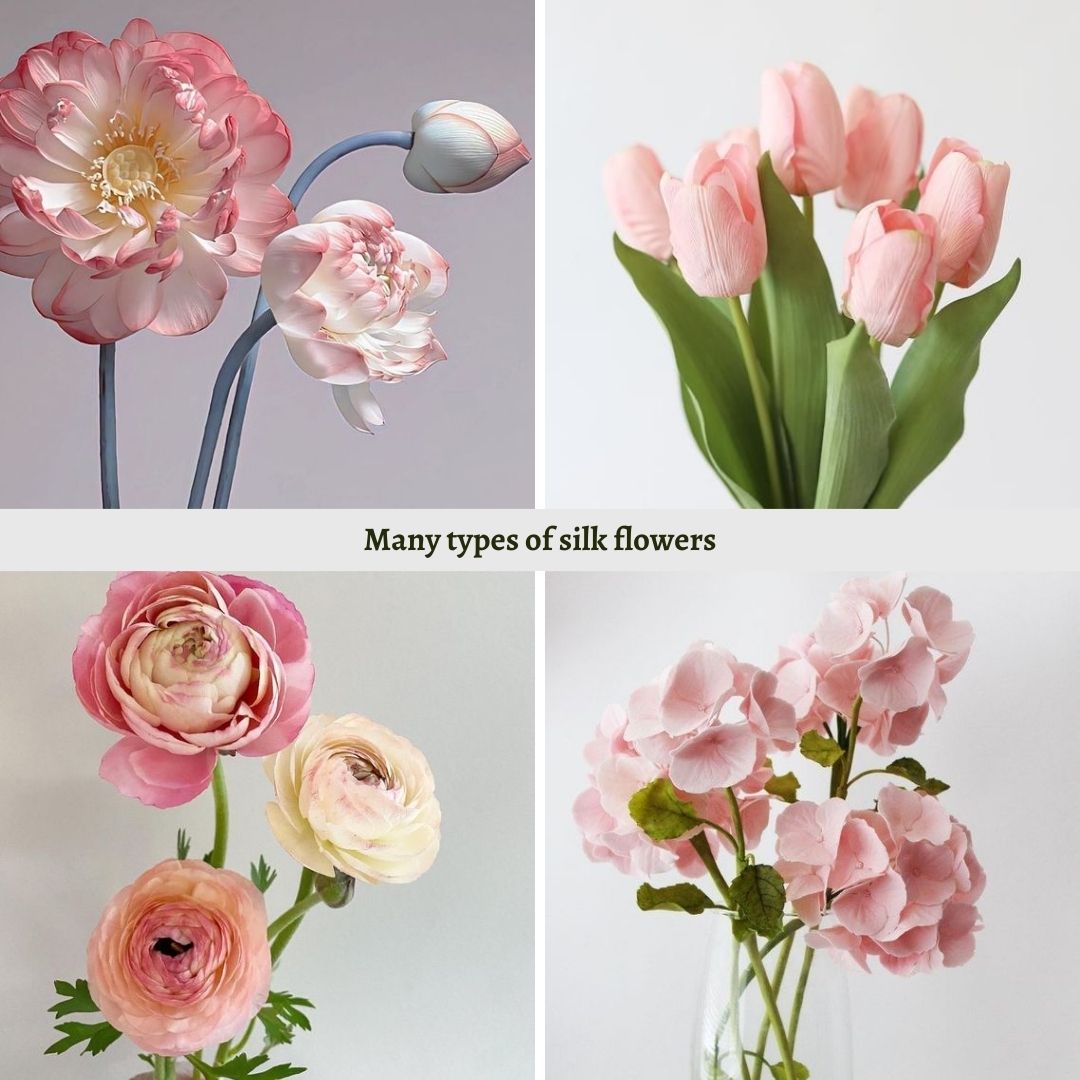
To understand the financial viability of the artificial floral market, one must first understand its transformation. The term “silk flowers” is technically a misnomer in the modern era; while original replicas were indeed made from silk, today’s high-end products utilize sophisticated polymers, latex, and specialized fabrics designed to mimic the cellular structure of real plants.
From Craft Niche to Global Commodity
In the late 20th century, the artificial flower market was fragmented and dominated by low-quality imports. However, the shift toward “Real Touch” technology—where flowers are coated with liquid polymer to simulate the feel of organic petals—changed the price ceiling. This technological leap allowed businesses to reposition silk flowers as luxury goods rather than cheap substitutes. From a financial perspective, this opened the door for premium pricing strategies and significantly higher profit margins.
The Shift Toward “Permanent Botanicals”
The rebranding of silk flowers as “permanent botanicals” was a masterstroke in market positioning. By distancing the product from the “fake” or “plastic” labels of the past, brands have been able to tap into the luxury home staging and high-end wedding markets. For a business owner, this means the ability to market a product that offers a one-time cost to the consumer but provides years of aesthetic utility, creating a compelling value proposition in an era of rising inflation and shrinking disposable income.
Profit Margins and Revenue Streams in the Floral Niche
The financial allure of the silk flower industry lies in its inventory dynamics. Unlike traditional florists who deal with highly perishable goods—often facing “shrinkage” (lost inventory) rates as high as 20-30%—silk flower retailers deal with an asset that does not expire.
E-commerce and Direct-to-Consumer (DTC) Models
The digital transformation of the silk flower trade has allowed entrepreneurs to bypass traditional brick-and-mortar overhead. By utilizing platforms like Shopify or Amazon, a silk flower brand can maintain a lean operation. The primary financial advantage here is the “Stock-to-Sales” ratio. Because silk flowers are light and durable, shipping costs are manageable, and the risk of damage during transit is significantly lower than that of glass-heavy or moisture-dependent products.
A high-quality silk hydrangea may cost $4.00 to manufacture and $1.50 to ship, yet it can retail for $25.00 to $35.00 in a curated arrangement. These margins—often exceeding 500%—are rarely seen in other retail sectors.
B2B Opportunities: Event Planning and Corporate Staging
The real “big money” in the silk flower world often resides in Business-to-Business (B2B) contracts. Professional event planners and wedding coordinators are increasingly turning to high-end silk flowers to mitigate risk. A “rent-and-reuse” model allows an event company to purchase a suite of silk floral installations and rent them out dozens of times.
From a business finance perspective, this transforms the floral arrangement from an expense into a capital asset. Once the initial investment is recouped after the second or third rental, every subsequent booking is nearly 100% pure profit, excluding labor and minor maintenance.

Market Drivers: Why Investors are Betting on Synthetic Greenery
The global artificial flowers market is projected to continue its upward trajectory, driven by changes in consumer behavior and the increasing costs of fresh botanical logistics. Investors are looking at this space not just as a retail play, but as a solution to supply chain volatility.
The Sustainability Factor and Long-Term ROI
Sustainability is no longer just a buzzword; it is a financial metric. Fresh flowers are often flown across the globe in refrigerated jets, creating a massive carbon footprint. Silk flowers, while synthetic, offer a “one-and-done” purchase that appeals to the eco-conscious consumer looking to reduce waste.
For commercial clients—such as hotels, hospitals, and office complexes—the ROI on silk flowers is undeniable. A hotel spending $2,000 a month on fresh lobby arrangements can spend $5,000 once on a high-end permanent installation and save $19,000 in the first year alone. This cost-saving capability makes silk flowers an easy sell for B2B consultants.
Real Estate and Hospitality Demand
The “Instagrammability” of commercial spaces has driven a surge in demand for floral walls and ceiling installations. In the hospitality sector, these features drive foot traffic and social media engagement, which translates to organic marketing value. For the company providing these installations, the financial structure usually involves a hefty design fee followed by a recurring maintenance or “refresh” contract, providing a steady stream of predictable cash flow.
Scaling a Silk Flower Enterprise: Financial Strategies for Success
Entering the silk flower market requires more than an eye for design; it requires a rigorous approach to supply chain management and capital allocation.
Inventory Management and Logistics
One of the primary financial hurdles in this industry is “cube weight.” Because silk flowers are voluminous, storage and shipping can become expensive if not managed correctly. Successful enterprises utilize “compressed shipping” techniques and local assembly to keep costs down. Managing the lead times for overseas manufacturing is also critical. A business must balance the cost-savings of bulk ordering with the liquidity risks of tying up too much capital in slow-moving inventory.
Diversifying Income through Subscription Models
A growing trend in the “Money” side of silk flowers is the subscription rotation model. Rather than selling an arrangement once, businesses are charging a monthly fee to swap out arrangements seasonally for corporate offices or luxury residences.
This model is financially superior for several reasons:
- Predictable Revenue: It creates a Recurring Monthly Revenue (MRR) stream.
- Asset Utilization: The same inventory is moved from Client A to Client B, maximizing the return on each stem.
- Customer Retention: It builds long-term relationships that are harder for competitors to disrupt than a one-off retail sale.
The Future of the “Everlasting” Economy
As we look toward the future, the silk flower industry is likely to integrate even more with technology. We are already seeing the rise of AI-driven design tools that help businesses calculate the exact number of stems needed for large-scale installations, reducing waste and optimizing spend.
From a purely financial standpoint, “what are silk flowers?” is a question with a very lucrative answer. They are a high-margin, low-risk alternative to perishable goods that cater to both the cost-saving needs of corporations and the aesthetic desires of consumers. Whether through a boutique e-commerce brand, a large-scale B2B rental operation, or a niche staging service, the business of silk flowers offers a fertile ground for those looking to build a scalable and resilient income stream in the modern economy.
By focusing on quality sourcing, strategic brand positioning, and innovative revenue models like subscriptions, entrepreneurs can turn these “synthetic” assets into very real, very organic financial growth.
aViewFromTheCave is a participant in the Amazon Services LLC Associates Program, an affiliate advertising program designed to provide a means for sites to earn advertising fees by advertising and linking to Amazon.com. Amazon, the Amazon logo, AmazonSupply, and the AmazonSupply logo are trademarks of Amazon.com, Inc. or its affiliates. As an Amazon Associate we earn affiliate commissions from qualifying purchases.