
The question “what are refinance rates today?” is more than just a search query for homeowners; it is a pulse check on the global economy and a critical data point for personal wealth management. In a financial climate defined by fluctuating inflation, central bank interventions, and shifting housing inventories, the cost of borrowing money to restructure home debt has become a primary focus for savvy investors and families alike. Refinancing a mortgage is one of the most significant financial maneuvers a person can make, potentially saving tens of thousands of dollars over the life of a loan or providing the liquidity necessary to fuel other investment vehicles.
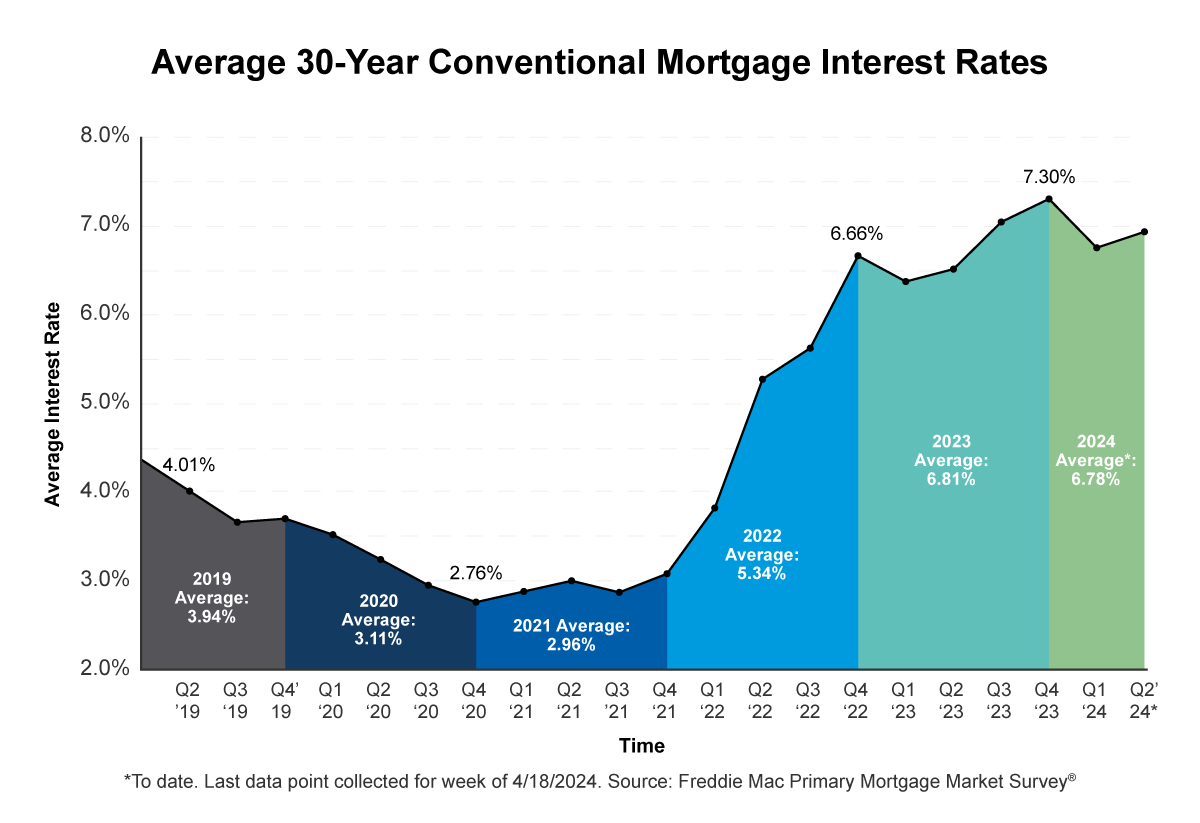
Understanding today’s refinance rates requires looking beyond the raw percentage. It involves analyzing the intersection of macroeconomic trends and individual financial profiles. Whether you are looking to lower your monthly obligation, shorten your loan term, or tap into your home’s equity, the current rate environment dictates the feasibility of your strategy.
The Landscape of Refinance Rates in Today’s Market
Refinance rates are rarely static; they breathe with the market. Unlike a fixed-rate mortgage already in place, the “rate of the day” is a reflection of real-time investor sentiment regarding the future of the economy. To understand where rates stand today, one must understand the forces that pull them up and push them down.
How Economic Indicators Drive Current Rates
The primary driver of mortgage and refinance rates is the bond market, specifically the 10-year Treasury yield. When investors are confident in the economy, they move money into riskier assets like stocks, causing bond yields—and consequently refinance rates—to rise. Conversely, in times of economic uncertainty, a “flight to safety” occurs. Investors buy bonds, driving yields and mortgage rates down.
Beyond the bond market, the Federal Reserve’s monetary policy plays a pivotal role. While the Fed does not set mortgage rates directly, their adjustment of the federal funds rate influences the entire spectrum of consumer credit. If the Fed raises rates to combat inflation, the cost for banks to borrow money increases, a cost that is invariably passed down to the homeowner seeking a refinance.
The Difference Between Mortgage Rates and Refinance Rates
It is a common misconception that mortgage rates for home purchases and refinance rates are identical. Historically, refinance rates tend to be slightly higher—often by 0.125% to 0.25%. This is because lenders perceive a refinance as a slightly higher risk than a purchase. In a purchase, the buyer usually has a significant emotional and financial “skin in the game” to acquire a new asset. In a refinance, especially a cash-out refinance, the lender is concerned with the borrower’s increasing debt load. Understanding this spread is essential when calculating whether a “today’s rate” is actually a “good rate” for your specific situation.
Factors That Dictate Your Personal Refinance Rate
While the national average might be one figure, the rate a lender offers you personally can vary significantly. Lenders use a risk-based pricing model, meaning the “advertised” rate is often reserved for those with impeccable financial credentials.
The Impact of Credit Scores and Debt-to-Income Ratios
Your credit score is the most influential factor in the rate you are quoted today. For most conventional lenders, a score of 740 or higher is required to unlock the most competitive pricing. If your score has dipped since you first took out your mortgage, you may find that today’s refinance rates are not as attractive as they seem on paper.
Simultaneously, lenders scrutinize your Debt-to-Income (DTI) ratio. This is the percentage of your gross monthly income that goes toward paying debts. Even if interest rates are low, a high DTI can result in a “risk premium” being added to your interest rate. Maintaining a DTI below 36% is generally the gold standard for securing the best possible refinance terms.
Loan-to-Value (LTV) Ratios and Equity Considerations
Equity is your greatest leverage in a refinance. The Loan-to-Value (LTV) ratio compares the amount of the loan you’re seeking to the current appraised value of your home. If you owe $300,000 on a home worth $500,000, your LTV is 60%. Lenders prefer an LTV of 80% or lower. If your LTV is higher, you may be required to pay Private Mortgage Insurance (PMI), which effectively increases your “real” interest rate. Conversely, if your home’s value has increased significantly, you may be able to use that equity to eliminate PMI from your previous loan, providing a double-win: a lower rate and the removal of a monthly insurance premium.
Strategic Reasons to Refinance Right Now
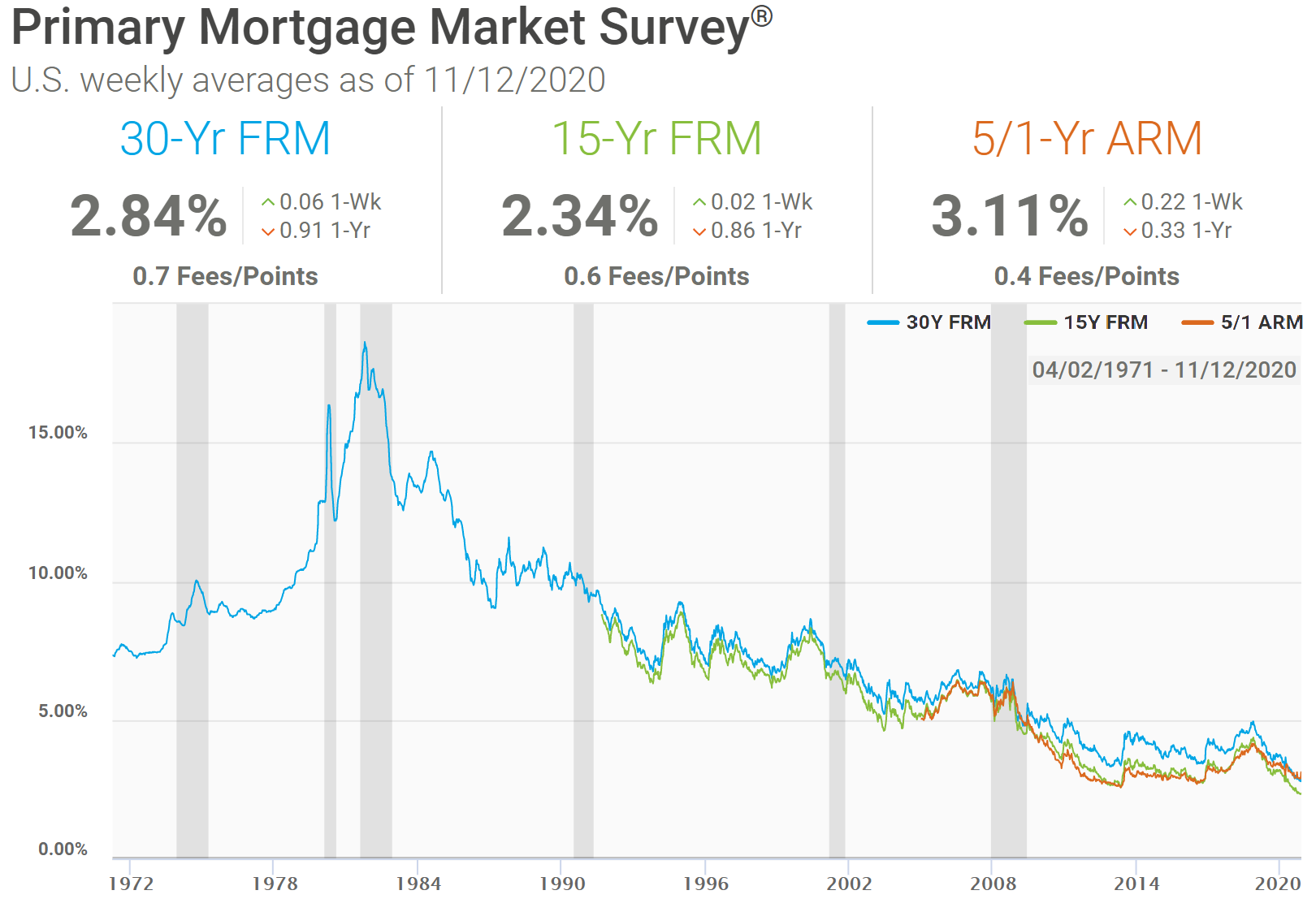
Determining if you should pull the trigger on a refinance depends on your ultimate financial goal. Lowering a rate is the most common reason, but it is far from the only one.
Lowering Monthly Payments vs. Reducing Total Interest
There are two distinct ways to “save” money through a refinance. The first is improving monthly cash flow. By securing a lower interest rate or extending the loan term, you reduce the amount due each month, freeing up capital for daily expenses or other investments.
The second strategy is reducing the total interest paid over the life of the loan. This is often achieved by switching from a 30-year mortgage to a 15-year mortgage. While the monthly payments may be higher because you are paying down the principal faster, the interest rates on 15-year terms are traditionally lower than 30-year terms. For a homeowner focused on long-term wealth building and becoming debt-free, this is often the superior move, regardless of whether today’s 30-year rates are at historic lows.
Cash-Out Refinancing for Debt Consolidation or Investment
In a “cash-out” refinance, you take out a new mortgage for more than you owe on your previous one and pocket the difference in cash. This is a powerful tool in a high-interest environment for other types of debt. For example, if credit card interest rates are hovering at 20% and today’s refinance rates are at 6.5%, using home equity to pay off the cards can save a household thousands of dollars in interest monthly. Furthermore, some homeowners use this cash to reinvest in the property, increasing its value, or to fund the down payment on an investment property, thereby diversifying their portfolio.
Navigating the Application Process and Closing Costs
A refinance is not free. To truly understand if today’s rates are beneficial, one must account for the friction of the transaction.
Calculating the Break-Even Point
The “break-even point” is the moment when the monthly savings from your new, lower rate exceed the costs of getting the loan. Refinancing typically costs between 2% and 5% of the loan amount in closing costs (appraisal fees, title insurance, origination fees). If your refinance saves you $200 a month but costs $6,000 in fees, your break-even point is 30 months. If you plan to sell the house in two years, refinancing today—even at a lower rate—would actually result in a net financial loss. A professional financial analysis always prioritizes the break-even timeline over the headline interest rate.
Comparing Lenders and Negotiation Tactics
Not all lenders are created equal. Because mortgage loans are products, they are subject to competition. It is advisable to obtain “Loan Estimates” from at least three different sources: a national bank, a local credit union, and an online mortgage broker.
When comparing offers, look closely at the “points.” Discount points allow you to pay money upfront to “buy down” the interest rate. This can be a wise investment if you plan to stay in the home for a long time. However, if a lender offers a surprisingly low rate, check to see if they have baked in high origination fees or multiple points that make the deal less attractive upon closer inspection.
Future Outlook: Predicting Rate Movements
Investors and homeowners are constantly trying to time the market, but predicting exactly where refinance rates will be tomorrow is an exercise in probability, not certainty.
The Role of the Federal Reserve and Inflation
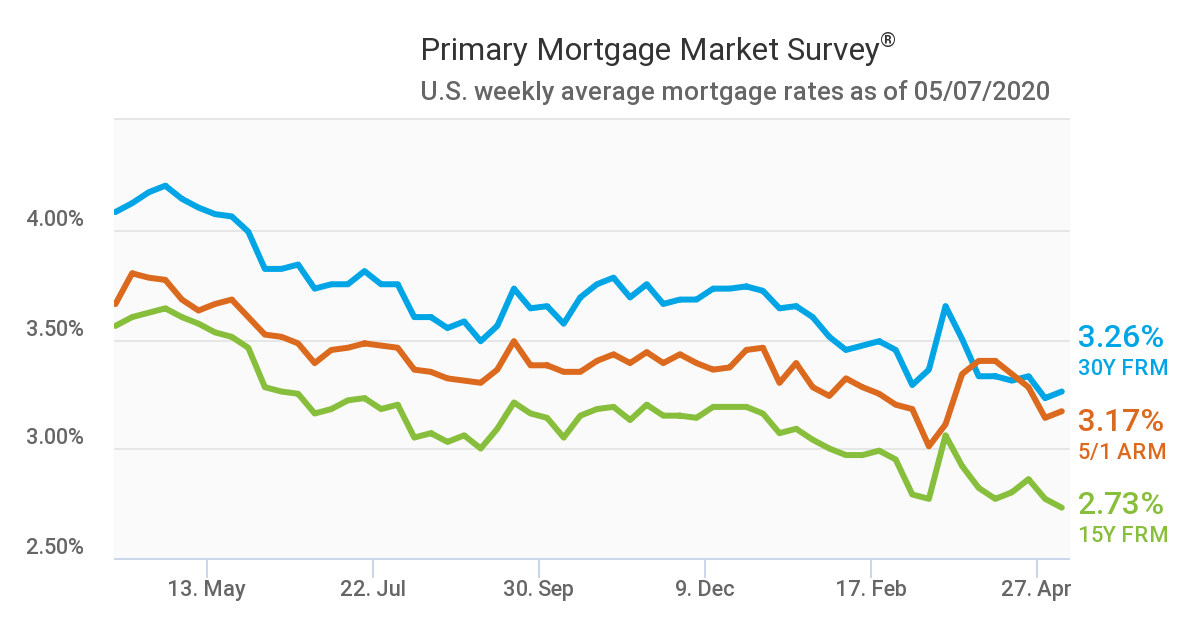
The trajectory of refinance rates for the remainder of the year will largely depend on inflation data. If the Consumer Price Index (CPI) shows that inflation is cooling, the Federal Reserve is likely to pause or cut rates, which would lead to a downward trend in refinance rates. However, if the labor market remains overheated and inflation remains “sticky,” rates may stay “higher for longer.” Homeowners must monitor these reports, as a single monthly inflation print can cause a 25-basis point swing in available rates within 24 hours.
Long-term Strategies for Homeowners
The most successful financial strategy is not necessarily “timing the bottom,” but rather identifying a “good enough” rate that meets your personal financial hurdles. Many homeowners use a “laddering” strategy—refinancing when rates drop enough to hit a break-even point of 24 months or less, and then doing so again if rates drop further in the future.
In conclusion, “what are refinance rates today” is the beginning of a larger financial conversation. By understanding the market forces at play, optimizing your personal financial profile, and calculating the true cost of the transaction, you can transform a simple interest rate into a strategic tool for long-term prosperity. Refinancing is a marathon of equity management, not a sprint for the lowest number, and those who approach it with a professional, analytical mindset are the ones who ultimately maximize their net worth.
aViewFromTheCave is a participant in the Amazon Services LLC Associates Program, an affiliate advertising program designed to provide a means for sites to earn advertising fees by advertising and linking to Amazon.com. Amazon, the Amazon logo, AmazonSupply, and the AmazonSupply logo are trademarks of Amazon.com, Inc. or its affiliates. As an Amazon Associate we earn affiliate commissions from qualifying purchases.