
In the landscape of modern engineering, few materials carry as much prestige and functional significance as carbon fiber. Often referred to as the “black gold” of the manufacturing world, carbon fiber has transitioned from a niche aerospace component to a ubiquitous presence in high-end consumer electronics, automotive tech, and renewable energy infrastructure. To understand why this material is indispensable to today’s technological advancements, we must look beyond its sleek, woven aesthetic and investigate the complex molecular architecture and rigorous chemical processes that define what carbon fiber is truly made of.
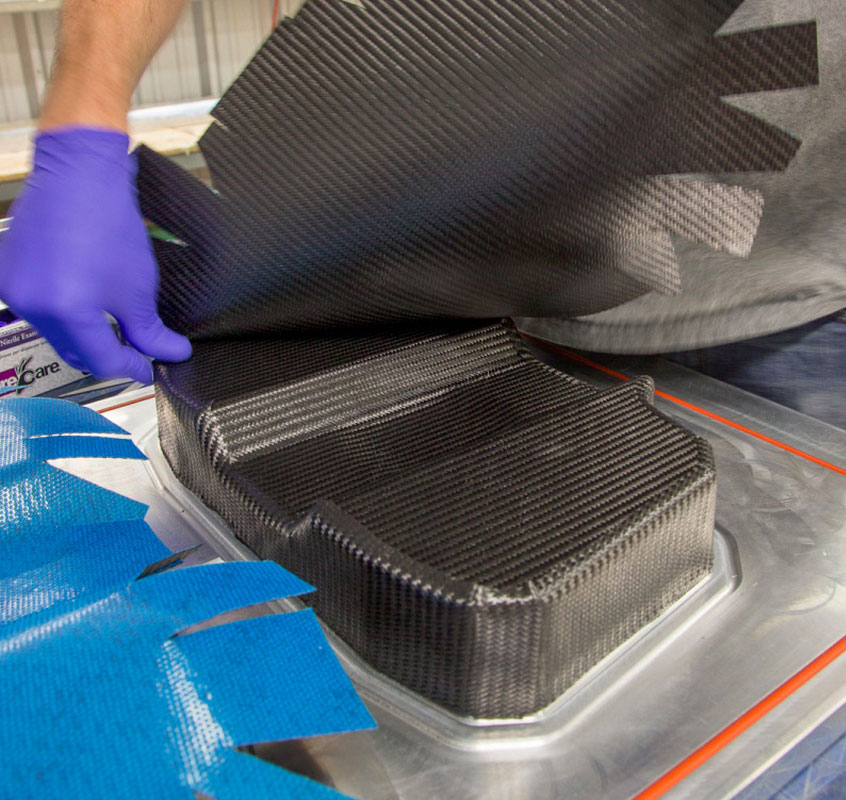
At its core, carbon fiber is a polymer consisting of long, thin strands of carbon atoms bonded together in a microscopic crystal alignment. However, the journey from a raw chemical precursor to a high-tensile composite involves some of the most sophisticated thermal engineering in the tech sector.
The Molecular Foundation: Polyacrylonitrile (PAN) and Beyond
While “carbon” is the headline ingredient, carbon fiber does not simply exist in nature. It must be synthesized from organic polymers known as precursors. The quality, strength, and thermal resistance of the final technological product are dictated almost entirely by the chemical composition of these starting materials.
The Role of Polyacrylonitrile (PAN)
Approximately 90% of the world’s carbon fiber is produced from Polyacrylonitrile (PAN). In the tech industry, PAN is favored because it yields the highest strength-to-weight ratio. Chemically, PAN is a synthetic, semi-crystalline organic polymer resin. When viewed at a molecular level, it consists of a long chain of carbon atoms with attached nitrile groups. The stability of these nitrile groups allows the material to withstand the intense heat required during the carbonization process without melting, which is critical for maintaining the structural integrity of high-tech components like drone frames or satellite housings.
Pitch and Rayon: Alternative Precursors
While PAN dominates the market, other precursors are used for specific technological niches.
- Petroleum Pitch: Derived from the distillation of oil or coal, pitch-based fibers are used when high thermal conductivity or extreme stiffness (modulus) is required. You will often find pitch-based carbon fiber in specialized heat sinks for high-power electronics or space-based telescopes where thermal expansion must be near zero.
- Rayon: Once the standard for the first generation of carbon fibers, rayon-based production is now less common due to lower carbon yields. However, it remains relevant in specific military and aerospace applications where high-temperature insulation is the primary goal rather than structural load-bearing.
The Manufacturing Evolution: Transforming Polymers into Performance Tech
The transformation of a soft polymer like PAN into a rigid, high-performance fiber is a masterclass in industrial chemistry. This process is not merely about heating a material; it is about systematically stripping away non-carbon atoms to leave behind a pure, crystalline structure.
The Stabilization and Carbonization Process
The first critical phase is “stabilization” (also known as oxidation). The precursor fibers are stretched and heated to roughly 200–300°C in the presence of oxygen. This causes the molecules to pick up oxygen atoms and rearrange their atomic bonding pattern into a more thermally stable “ladder” structure. In this state, the fiber is no longer a simple plastic; it is a precursor ready for the forge.
Following stabilization is “carbonization.” This occurs in an oxygen-free environment (to prevent the fibers from simply burning) at temperatures ranging from 1,000°C to 3,000°C. During this phase, non-carbon atoms—such as nitrogen, hydrogen, and oxygen—are expelled as gases. As these atoms leave, the remaining carbon atoms form tightly bonded hexagonal crystals. This molecular alignment is what gives carbon fiber its legendary strength; the atoms are locked in a pattern that is incredibly difficult to pull apart.
Graphitization: Achieving Maximum Tensile Strength
For high-end technology applications, such as Formula 1 components or premium laptop chassis, the material undergoes a final stage called graphitization. By pushing temperatures toward the 3,000°C mark, the carbon crystals begin to align into flat, graphene-like sheets. This increases the “modulus” or stiffness of the material. In the world of tech hardware, this allows for thinner device profiles—such as the ultra-slim lids of professional-grade ultrabooks—without sacrificing the rigidity required to protect delicate internal displays.
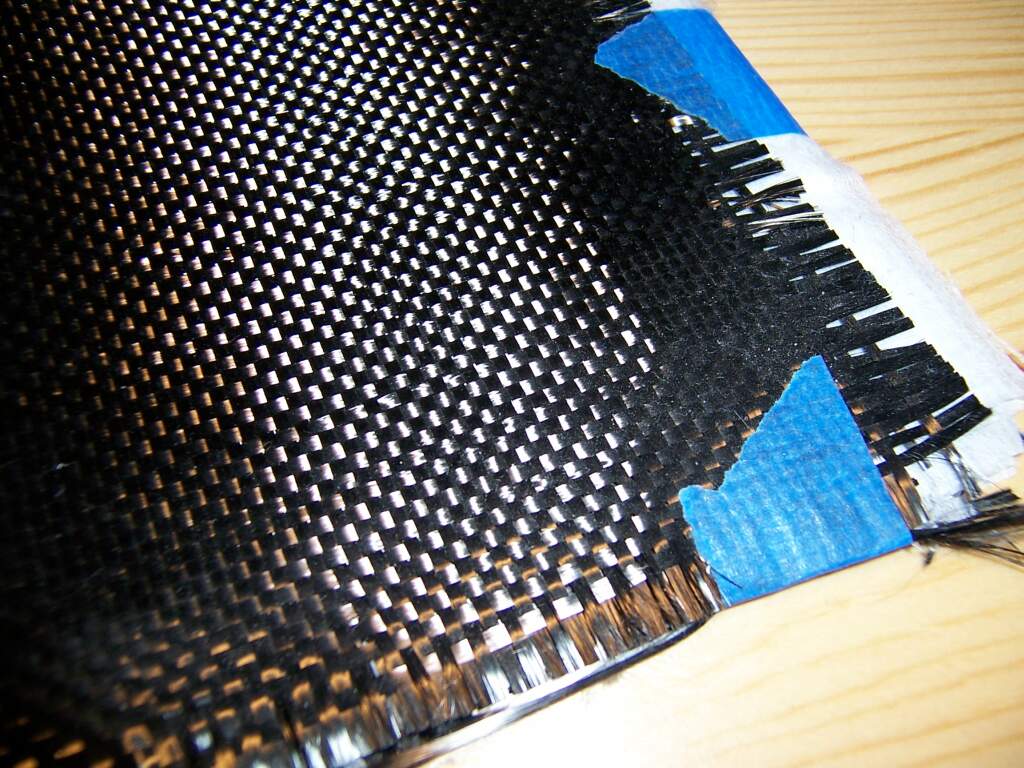
Carbon Fiber in the Digital Age: From High-End Gadgets to Space Tech
The reason carbon fiber is so central to modern tech trends is its “specific strength”—it is five times stronger than steel and twice as stiff, yet weighs a fraction as much. This has made it the material of choice for engineers looking to push the boundaries of what portable and high-speed technology can achieve.
Lightweighting in Consumer Electronics
In the realm of consumer tech, carbon fiber has become synonymous with “pro” level hardware. Companies like Lenovo and Dell have pioneered the use of carbon fiber reinforced polymers (CFRP) in their flagship laptops. By using carbon fiber for the chassis, these devices can shed significant weight while remaining rugged enough for travel.
Beyond just weight, carbon fiber offers unique advantages in electromagnetic shielding. As 5G technology and high-frequency processors become standard, managing signal interference and heat dissipation is paramount. Carbon fiber’s inherent conductivity and thermal properties can be engineered to help shield internal components from radio frequency interference, a critical factor in the design of modern smartphones and wearable tech.
Impact on Aerospace and Robotics
The robotics industry is perhaps the greatest beneficiary of carbon fiber’s unique composition. In robotic arms used for precision manufacturing, the “inertia” of the arm is a major bottleneck. A heavy metal arm takes more energy to move and more effort to stop, leading to slower cycle times. By utilizing carbon fiber tubes and joints, tech firms can create lighter arms that move faster, consume less power, and maintain higher precision.
Similarly, in the aerospace sector—the testing ground for most advanced materials—carbon fiber is what makes the latest generation of commercial aircraft and reusable rockets possible. The Boeing 787 Dreamliner, for instance, is approximately 50% carbon fiber by weight. This reduces fuel consumption and allows for higher cabin humidity, directly improving the “user experience” of air travel through material science.
The Future of Carbon Composites: Recyclability and Bio-based Innovations
As we look toward the next decade of technology, the focus is shifting from what carbon fiber is made of to how we can make it more sustainably. The traditional manufacturing process is energy-intensive, and because carbon fiber is a thermoset composite, it has historically been difficult to recycle.
Overcoming the Recycling Bottleneck
The tech industry is currently investing heavily in “reclaimable” carbon fiber. New chemical processes, such as pyrolysis and solvolysis, are being refined to break down the epoxy resins that hold carbon fibers together. This allows the high-value carbon strands to be recovered and reused in new products. We are beginning to see “recycled carbon fiber” appearing in consumer goods, such as high-performance smartphone cases and laptop internal brackets, marking a shift toward a circular economy in tech hardware.
Lignin-Based Carbon Fiber: The Sustainable Tech Horizon
One of the most exciting trends in material technology is the development of bio-based precursors. Researchers are currently exploring Lignin—a natural polymer found in wood and a byproduct of the paper industry—as a replacement for petroleum-based PAN.
If successful at scale, lignin-based carbon fiber could drastically reduce the carbon footprint of high-tech manufacturing. This would allow the next generation of electric vehicles (EVs) and renewable energy components (like wind turbine blades) to be built from materials that are not only high-performing but also carbon-neutral. This alignment of “green tech” and “deep tech” represents the next frontier for carbon fiber.
Conclusion
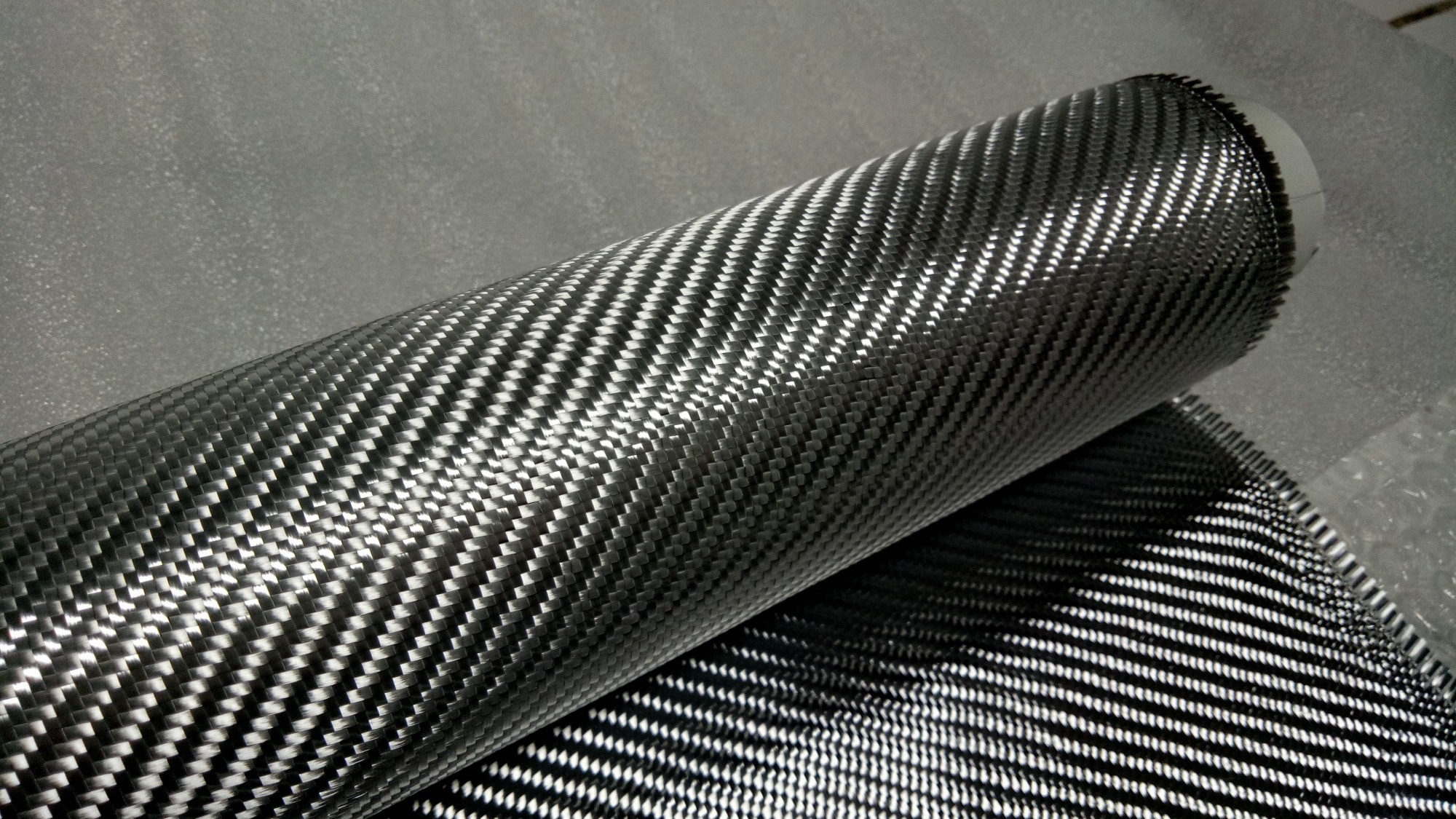
Understanding what carbon fiber is made of reveals why it remains the gold standard for the technology industry. It is a material defined by precision—from the selection of the PAN precursor to the microscopic alignment of carbon atoms at 3,000°C. As our gadgets become thinner, our robots become faster, and our spacecraft travel further, the reliance on this extraordinary material will only grow. By bridging the gap between chemistry and high-performance engineering, carbon fiber continues to be the silent engine driving the most visible trends in modern technology.
aViewFromTheCave is a participant in the Amazon Services LLC Associates Program, an affiliate advertising program designed to provide a means for sites to earn advertising fees by advertising and linking to Amazon.com. Amazon, the Amazon logo, AmazonSupply, and the AmazonSupply logo are trademarks of Amazon.com, Inc. or its affiliates. As an Amazon Associate we earn affiliate commissions from qualifying purchases.