
The intersection of fashion and technology has long been a frontier for innovation, but few products have successfully bridged the gap between “gadget” and “garment” as effectively as Ray-Ban smart glasses. Developed through a high-profile partnership between Meta (formerly Facebook) and EssilorLuxottica, these glasses represent a pivotal moment in the evolution of wearable technology. Far from being a mere novelty, the latest iteration—specifically the Ray-Ban Meta collection—serves as a sophisticated hardware platform designed to untether users from their smartphones while keeping them connected to their digital lives.
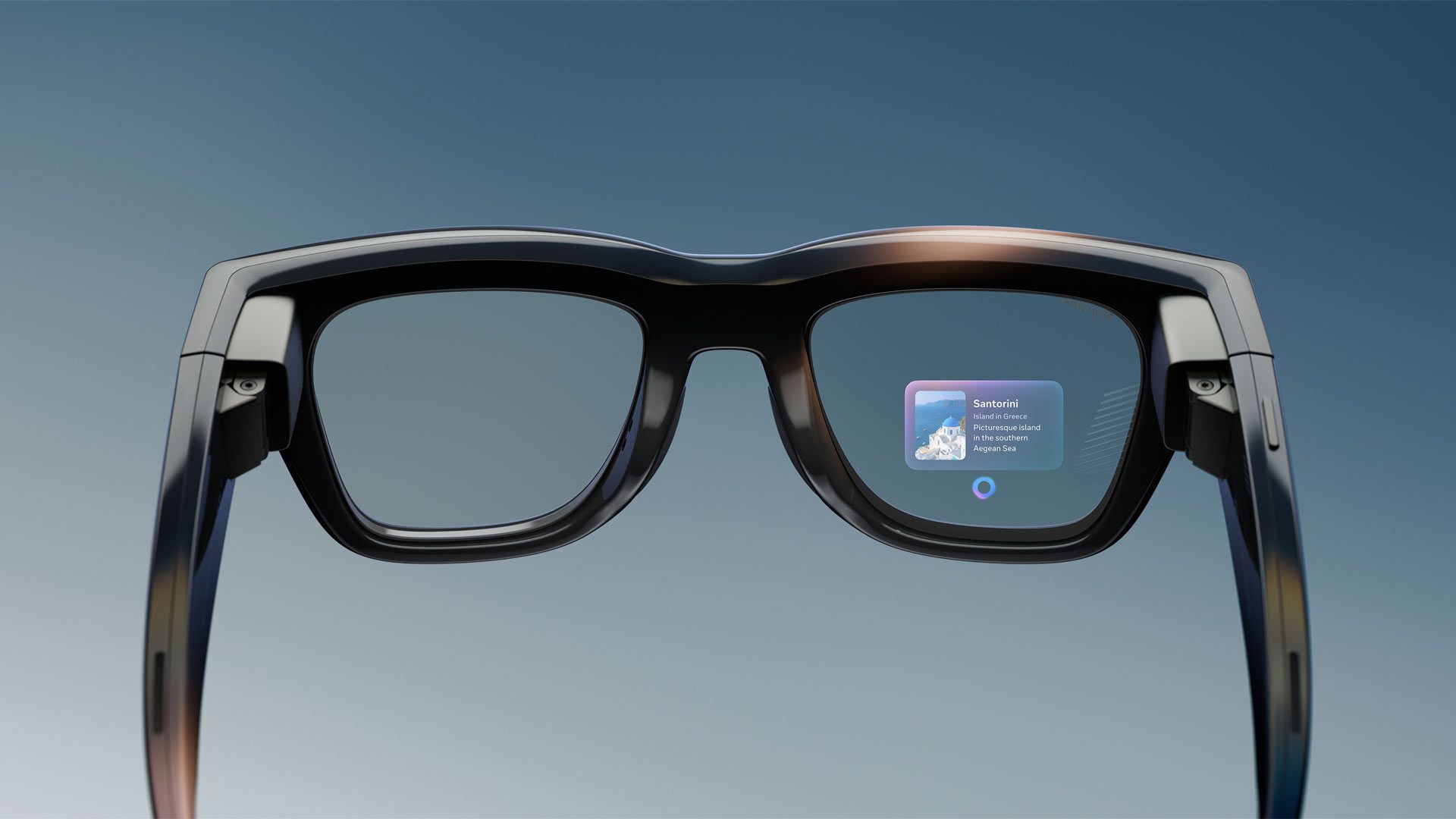
Unlike traditional head-mounted displays that prioritize augmented reality (AR) overlays at the expense of aesthetics, Ray-Ban smart glasses focus on a “tech-first, design-forward” philosophy. They are essentially a pair of iconic Ray-Ban frames equipped with high-performance cameras, open-ear audio systems, and a suite of Artificial Intelligence (AI) tools. To understand what these glasses are, one must look past the lenses and into the complex ecosystem of hardware and software that powers them.
The Hardware Architecture: Engineering the Invisible Computer
At its core, the Ray-Ban Meta smart glasses are a feat of miniaturization. Integrating a computer into the slim temples of a Wayfarer or Headliner frame requires balancing heat management, battery weight, and processing power. The result is a device that weighs only a few grams more than a standard pair of sunglasses but contains the processing power of a mid-range smartphone from just a few years ago.
High-Definition Capture: Camera and Visual Integration
The centerpiece of the hardware is the ultra-wide 12MP camera. Located discreetly in the corner of the frame, this sensor allows users to capture 1080p video and high-resolution photos from a first-person perspective. From a technical standpoint, this is a significant upgrade over the original “Ray-Ban Stories.” The integration of specialized image signal processors ensures that even while the wearer is moving, the footage remains stabilized. This “POV” (point-of-view) capability is designed for hands-free documentation, allowing tech enthusiasts to record experiences without the barrier of a handheld device.
Open-Ear Audio: Sound Engineering Without Earbuds
Audio is the second pillar of the hardware suite. The glasses feature custom-built speakers tucked into the arms of the frames. These use “open-ear” technology, which directs sound into the user’s ear canal while minimizing “leakage” to those nearby. This tech allows for a dual-layered auditory experience: users can listen to podcasts, take calls, or hear AI notifications while remaining fully aware of their physical environment. Complementing the speakers is a five-microphone array. These mics are engineered with beamforming technology and noise suppression, ensuring that voice commands are recognized even in windy or crowded urban environments.
The Brain of the Frames: Meta AI and Connectivity
What separates these smart glasses from simple “camera glasses” is the software layer. Powered by the Qualcomm Snapdragon AR1 Gen 1 platform, the glasses are designed to handle on-device AI processing. This chipset is specifically optimized for low-power consumption in small form factors, allowing the glasses to stay active throughout the day without overheating.
Multi-Modal AI: See and Ask Capabilities
The most transformative feature of the current tech is “Meta AI with Vision.” This is a multi-modal AI system that can “see” what the user is seeing. By using a voice command—”Hey Meta, look and tell me…”—the glasses capture an image, process it through Meta’s Llama 3 large language models, and provide an auditory response.
The technical applications are vast: the AI can translate a foreign-language menu in real-time, identify a specific type of plant, or suggest a recipe based on ingredients sitting on a kitchen counter. This represents a shift toward “ambient computing,” where technology is always available but doesn’t require a screen to be useful. It is the first step toward a world where AI assistants have eyes and ears, providing context-aware information in real-time.

The Ecosystem: Meta View App and Seamless Integration
For the glasses to function, they rely on a robust software bridge known as the Meta View app. Available on iOS and Android, this app acts as the command center for the device. It handles the offloading of media, firmware updates, and the customization of settings. The tech stack here utilizes high-speed Wi-Fi 6 and Bluetooth 5.3 to ensure that transferring a 30-second video from the glasses to a phone happens in seconds. Furthermore, the integration with platforms like WhatsApp, Messenger, and Instagram allows for “hands-free” communication, where the AI can read out incoming messages and allow the user to dictate replies.
Design Meets Digital: Solving the Engineering Challenge
Building a wearable computer is easy; building one that people actually want to wear on their faces is the real challenge. Ray-Ban smart glasses solve this through a meticulous approach to industrial design, ensuring that the technology does not interfere with the ergonomics of the eyewear.
Miniaturization: Packing Power into Iconic Frames
The internal circuitry of the Ray-Ban Meta glasses is a masterpiece of flexible PCBs (Printed Circuit Boards). To fit the battery, processor, cameras, and speakers into the frames, engineers had to rethink the traditional layout of electronics. The “tech” is distributed across both temples to maintain a balanced weight distribution, preventing the glasses from slipping or feeling “front-heavy.” This design philosophy ensures that the user forgets they are wearing a computer, which is the ultimate goal of invisible technology.
Battery Life and Charging Solutions
Power management is perhaps the most significant hurdle for any piece of wearable tech. The glasses provide roughly four hours of active use on a single charge. To solve the longevity issue, the glasses come with a redesigned charging case. This case is not just a protective shell; it contains a portable power bank that can provide up to eight additional charges. The case utilizes a magnetic pogo-pin connector in the bridge of the glasses, ensuring a secure and efficient transfer of energy. For the tech-savvy user, this means a total of 32 hours of connectivity before needing a wall outlet.
The Tech Ethics of Smart Wearables
As with any device equipped with a camera and microphones, the Ray-Ban smart glasses bring significant technological and ethical considerations to the forefront. Meta has implemented several hardware-level safeguards to address privacy concerns, making the tech as transparent as possible for those around the wearer.
Privacy Features: The LED Indicator and Data Encryption
One of the most important hardware features is the capture LED. When the glasses are recording video or taking a photo, a bright white light illuminates on the front of the frame. This is hard-wired into the camera circuit; if the LED is covered or tampered with, the camera will refuse to operate. This prevents “surreptitious” recording and sets a standard for wearable tech etiquette. Additionally, all data transferred between the glasses and the Meta View app is encrypted, ensuring that the user’s visual and auditory data remains secure from third-party interception.
Social Etiquette and the Future of Ubiquitous Computing
The emergence of these glasses signals a shift in how we interact with the digital world. We are moving away from the “head-down” era of smartphones and into a “head-up” era of smart wearables. From a technological standpoint, this requires the development of more intuitive interfaces. We are seeing the decline of the touch-screen and the rise of voice-first and gesture-based interactions. The Ray-Ban smart glasses are a testing ground for these new interfaces, proving that complex computing can be managed through simple vocal prompts and subtle touch-sensitive panels on the temples.

Conclusion: The First Step Toward True AR
Ray-Ban smart glasses are currently the most successful consumer implementation of smart eyewear because they don’t try to do too much. They don’t have bulky glass prisms for AR displays yet; instead, they focus on perfecting the “audio-visual” and “AI” components. However, for the tech community, these glasses are clearly a stepping stone.
As processors become even more efficient and battery technology improves, we can expect the next generations to incorporate transparent displays—turning these frames into full-fledged Augmented Reality devices. For now, they stand as a powerful tool for creators, professionals, and tech enthusiasts who want to stay connected to the digital world without losing sight of the physical one. They are not just glasses; they are the most personal computer ever built, sitting right at the gateway of our perception.
aViewFromTheCave is a participant in the Amazon Services LLC Associates Program, an affiliate advertising program designed to provide a means for sites to earn advertising fees by advertising and linking to Amazon.com. Amazon, the Amazon logo, AmazonSupply, and the AmazonSupply logo are trademarks of Amazon.com, Inc. or its affiliates. As an Amazon Associate we earn affiliate commissions from qualifying purchases.