
The question of “what’s the most popular song ever” is a seemingly simple one, yet it unravels into a complex tapestry of data, perception, and evolving consumption habits. While instinct might point to timeless anthems or chart-topping hits of yesteryear, the reality in the digital age is far more nuanced. This exploration delves into the technological underpinnings that allow us to quantify popularity, the data-driven methodologies employed, and the inherent challenges in definitively crowning a single “most popular” song across all time.
The Evolving Landscape of Musical Popularity Measurement
The advent of digital technologies has fundamentally reshaped how we consume, share, and, consequently, measure the popularity of music. Gone are the days when sales figures from physical records and radio airplay were the primary, and often only, metrics. Today, a sophisticated ecosystem of digital platforms provides a deluge of data, offering unprecedented insights into listener engagement.
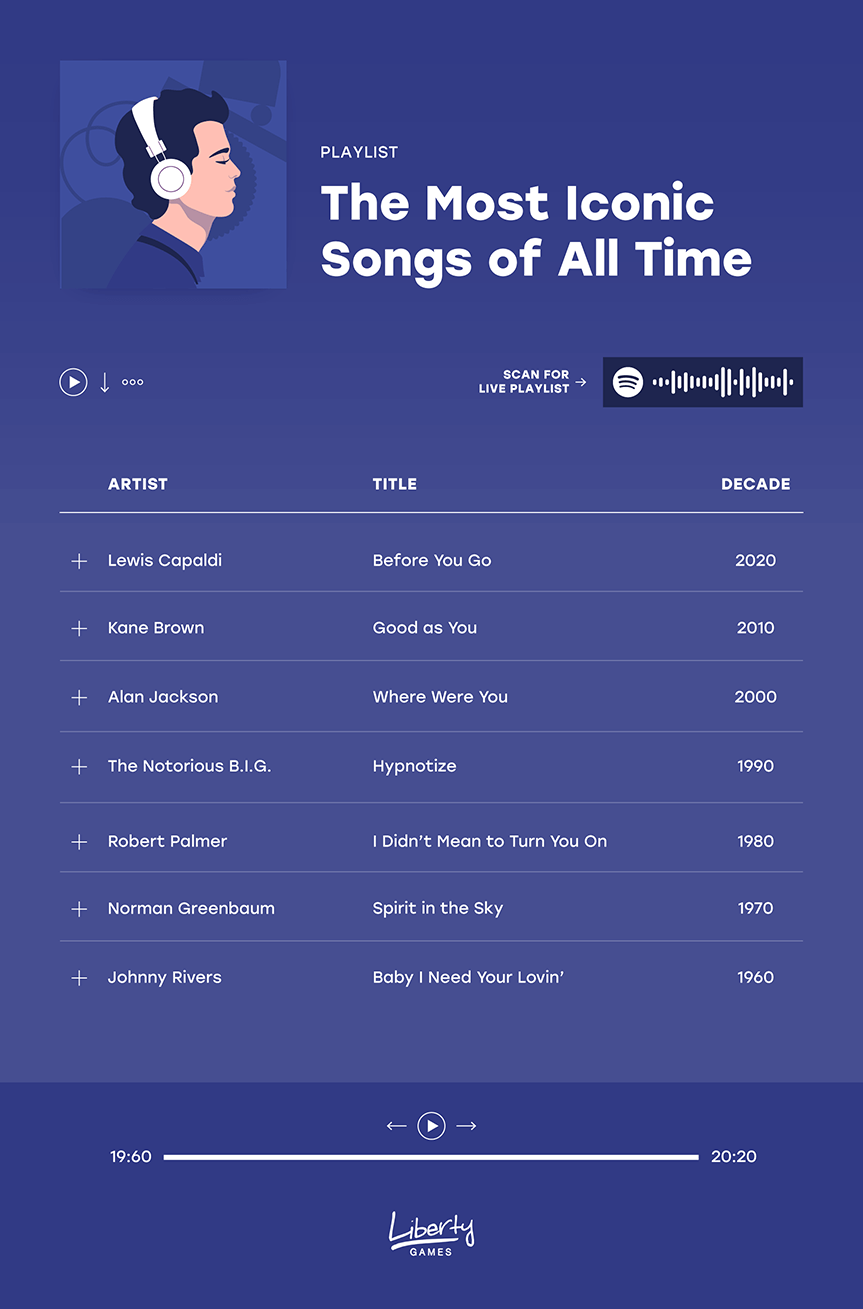
From Vinyl to Viral Streams: A Technological Evolution
The journey of measuring musical popularity began with tangible units. Vinyl records, 8-tracks, cassette tapes, and eventually CDs each represented a discrete sale, a clear indicator of a song’s commercial success. Radio airplay, though harder to quantify precisely, served as a proxy for widespread awareness and listener preference. These methods, while effective in their time, offered a limited and often geographically constrained view of a song’s reach.
The digital revolution, however, introduced a paradigm shift. Digital downloads through platforms like iTunes offered a more granular, trackable measure of purchase intent. But it was the explosion of streaming services – Spotify, Apple Music, YouTube Music, and countless others – that truly democratized and complicated popularity metrics. These platforms provide real-time data on plays, skips, adds to playlists, and shares, offering a dynamic and continuous snapshot of what people are listening to. This shift from ownership to access means that a song’s popularity is no longer a static measure of past sales but a constantly fluctuating indicator of current engagement.
The Role of Data Analytics and Algorithmic Interpretation
In this data-rich environment, data analytics and algorithmic interpretation are paramount. Streaming services employ sophisticated algorithms not only to recommend music to users but also to track and rank the popularity of songs. These algorithms consider a multitude of factors, including:
- Total Streams: The most straightforward metric, representing the sheer volume of times a song has been played.
- Unique Listeners: This metric accounts for the number of distinct individuals who have listened to a song, mitigating the impact of repeat plays by a few superfans.
- Listen Duration and Completion Rates: A song played in its entirety or listened to multiple times by the same listener is often weighted more heavily than a song that is skipped after a few seconds.
- Playlist Adds and Shares: When a song is added to a popular playlist or shared across social media, it indicates a higher level of perceived value and engagement, boosting its perceived popularity.
- Geographic Reach: Data can also illuminate where a song is resonating most, offering insights into global versus regional popularity.
These algorithms, constantly refined, attempt to paint a comprehensive picture of a song’s impact. However, it’s crucial to acknowledge that these are still interpretations of data, influenced by the specific design and priorities of each platform.
Defining “Popularity”: The Nuances of Metrics and Metrics
The very definition of “popular” is open to interpretation, especially when discussing music across different eras and technological landscapes. Is it the song with the most cumulative streams, the most radio spins, the most physical sales, or the one that has had the most significant cultural impact? This section explores the various lenses through which popularity can be viewed, highlighting the inherent challenges in reaching a singular, universally accepted answer.
Cumulative Streams vs. Peak Popularity
One of the most significant distinctions lies between cumulative streams and peak popularity. A song released in the early days of streaming might have accumulated a vast number of plays over a decade, potentially surpassing newer hits. However, a song that explodes onto the scene and dominates charts for a concentrated period might be considered more “popular” in its moment of cultural dominance, even if its long-term stream count is lower.
For instance, a song like “Despacito” by Luis Fonsi ft. Daddy Yankee achieved unprecedented streaming numbers in a relatively short period, becoming a global phenomenon. Yet, older songs like “Bohemian Rhapsody” by Queen, while perhaps not matching the raw stream counts of “Despacito” due to the time it has existed in the digital realm, are undeniably embedded in the global consciousness and continue to be cherished and sought out by new generations. The question then becomes: does sustained engagement over time, or explosive, albeit perhaps shorter-lived, dominance, define true popularity?
The Legacy of Physical Sales and Radio Airplay
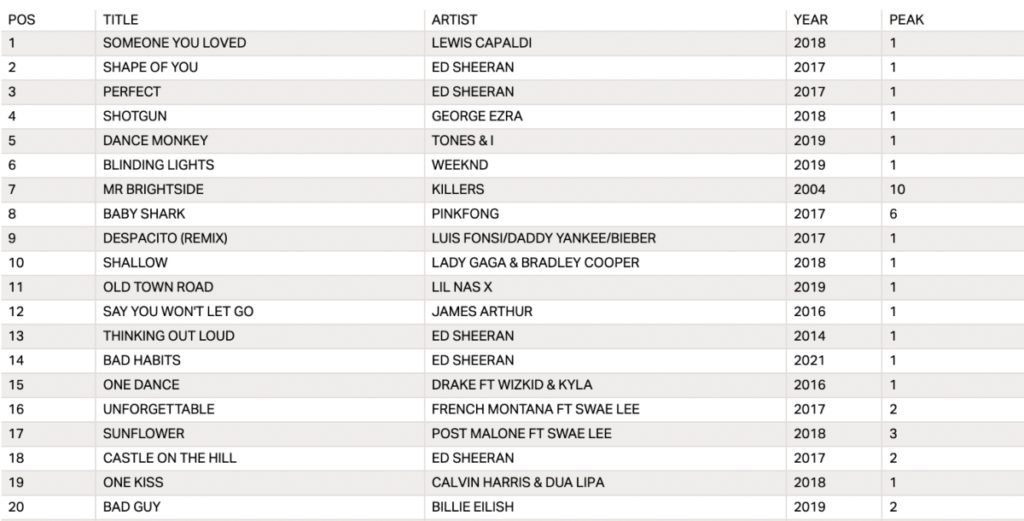
While digital streams now dominate the conversation, the legacy of physical sales and radio airplay cannot be entirely disregarded when considering “most popular ever.” These were the primary arbiters of success for decades. Songs that sold millions of singles and albums, or consistently dominated radio charts, have a proven track record of widespread appeal.
Consider artists like The Beatles, Michael Jackson, or Elvis Presley. Their music achieved immense popularity through physical sales and radio in eras predating streaming. While their current streaming numbers might not rival those of contemporary artists, the sheer volume of their historical sales and the enduring cultural impact of their songs suggest a level of popularity that transcends mere digital metrics. Attempting to compare these figures directly to streaming numbers is akin to comparing apples and oranges, highlighting the challenges of a unified “ever” metric.
Cultural Impact and Enduring Relevance
Beyond quantifiable data, cultural impact and enduring relevance play a crucial role in our perception of a song’s popularity. Some songs become anthems, shaping cultural moments, inspiring movements, or becoming inextricably linked with specific events or generations. These songs might not always top streaming charts today, but their cultural footprint is undeniable.
Think of “Imagine” by John Lennon, which continues to be a symbol of peace and hope. Or “What’s Going On” by Marvin Gaye, a powerful social commentary that remains relevant. The popularity of these songs is not solely measured by a play count but by their lasting emotional resonance, their ability to inspire thought and conversation, and their continued presence in cultural discourse. This qualitative aspect of popularity is exceptionally difficult to quantify but is nonetheless a vital component of any discussion about the “most popular song ever.”
The Technological Hurdles in Naming a Single Champion
The very nature of the digital ecosystem, while providing unprecedented data, also presents significant hurdles in definitively crowning a single “most popular song ever.” The fragmented nature of platforms, the evolving metrics, and the historical data gaps all contribute to this ongoing debate.
Platform Fragmentation and Data Silos
One of the primary challenges is platform fragmentation and data silos. Music consumption is spread across numerous streaming services, each with its own user base and data collection methodologies. Spotify might report one song as its most streamed, while Apple Music might highlight another. YouTube, with its vast video consumption, presents yet another dimension of popularity.
There is no single, universal platform that aggregates data from all these sources in a standardized way. Therefore, any claim about the “most popular song ever” often relies on data from one or two dominant platforms, or on an aggregated, and often imperfect, attempt to combine disparate data sets. This lack of a centralized, verifiable global database makes a definitive comparison across all platforms virtually impossible.
The “Ever” Conundrum: A Moving Target
The temporal aspect of “ever” introduces its own set of complications. As technology advances and new platforms emerge, the way we measure popularity will continue to evolve. A song that is the “most popular” today based on streaming metrics might be surpassed by a future hit leveraging even newer technologies or consumption patterns.
Furthermore, historical data from the pre-digital era is often incomplete or difficult to access and compare with modern metrics. Digitalizing and standardizing decades of sales records and radio logs into a format comparable to real-time streaming data is an immense undertaking, and often, such comprehensive efforts are not readily available to the public. This creates a historical data gap that makes a true “ever” comparison problematic.

The Subjectivity of “Popular”: Algorithmic Bias and Human Perception
Finally, even with the best data, algorithmic bias and human perception introduce an element of subjectivity. Algorithms are designed by humans and can inadvertently favor certain genres, artists, or consumption patterns. Moreover, what resonates with one user or demographic might not resonate with another.
The “popularity” of a song can also be influenced by marketing campaigns, viral trends, and even nostalgia. While data can tell us what is being listened to, it cannot fully capture the emotional connection or cultural significance that makes a song truly beloved across generations. Therefore, while data provides a powerful lens, the ultimate determination of a song’s enduring popularity often involves a blend of objective metrics and subjective, culturally informed appreciation.
In conclusion, while the question “what’s the most popular song ever” is a tantalizing one, the answer remains elusive. The technological advancements that allow us to measure popularity with unprecedented detail also create complexities and challenges. From the evolution of listening habits to the fragmentation of data and the enduring power of cultural impact, the quest for a single champion is an ongoing, fascinating exploration of music’s pervasive influence in our digital age.
aViewFromTheCave is a participant in the Amazon Services LLC Associates Program, an affiliate advertising program designed to provide a means for sites to earn advertising fees by advertising and linking to Amazon.com. Amazon, the Amazon logo, AmazonSupply, and the AmazonSupply logo are trademarks of Amazon.com, Inc. or its affiliates. As an Amazon Associate we earn affiliate commissions from qualifying purchases.