
In the modern landscape of high-frequency trading, billion-dollar tech valuations, and globalized digital currencies, the humble penny is often relegated to the bottom of cup holders or forgotten in the crevices of sofas. However, to dismiss the penny as mere “loose change” is to ignore its foundational role in the history of finance and its metaphorical significance in wealth building.
At its most basic level, a penny is a one-cent coin—the smallest unit of currency in many denominations, most notably the United States dollar and the British pound sterling. But in the world of personal finance, the penny represents something much larger: the atomic unit of capital. Whether we are discussing the physical copper-plated disc or the concept of “penny stocks” and “micro-investing,” understanding the penny is essential for anyone looking to master the mechanics of money.
The Historical and Economic Anatomy of the Penny
The penny has a long and storied history that predates the United States itself. The word “penny” is derived from the Old English pennige, sharing roots with the German pfennig. In the U.S., the official name is the “one-cent piece,” though “penny” remains the colloquial standard.
From Copper to Zinc: The Evolution of Minting
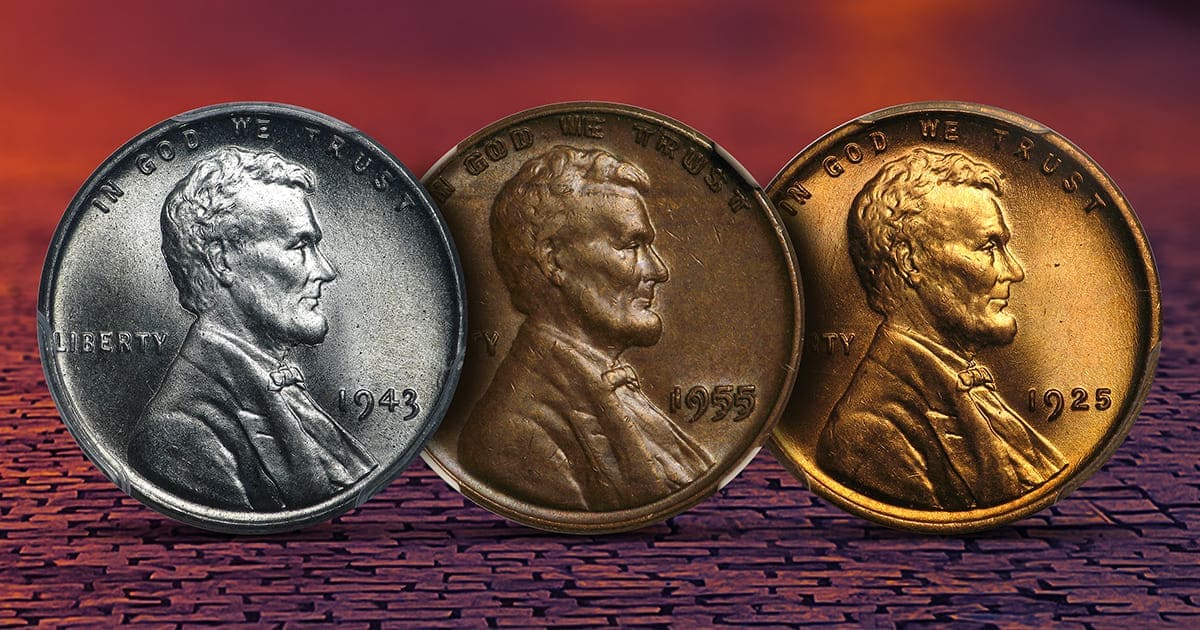
The physical composition of the penny has shifted dramatically over the centuries, reflecting the fluctuating costs of raw materials and the economic needs of the era. The first U.S. pennies, authorized by the Coinage Act of 1792, were large, heavy discs of pure copper—significantly larger than the pennies we use today.
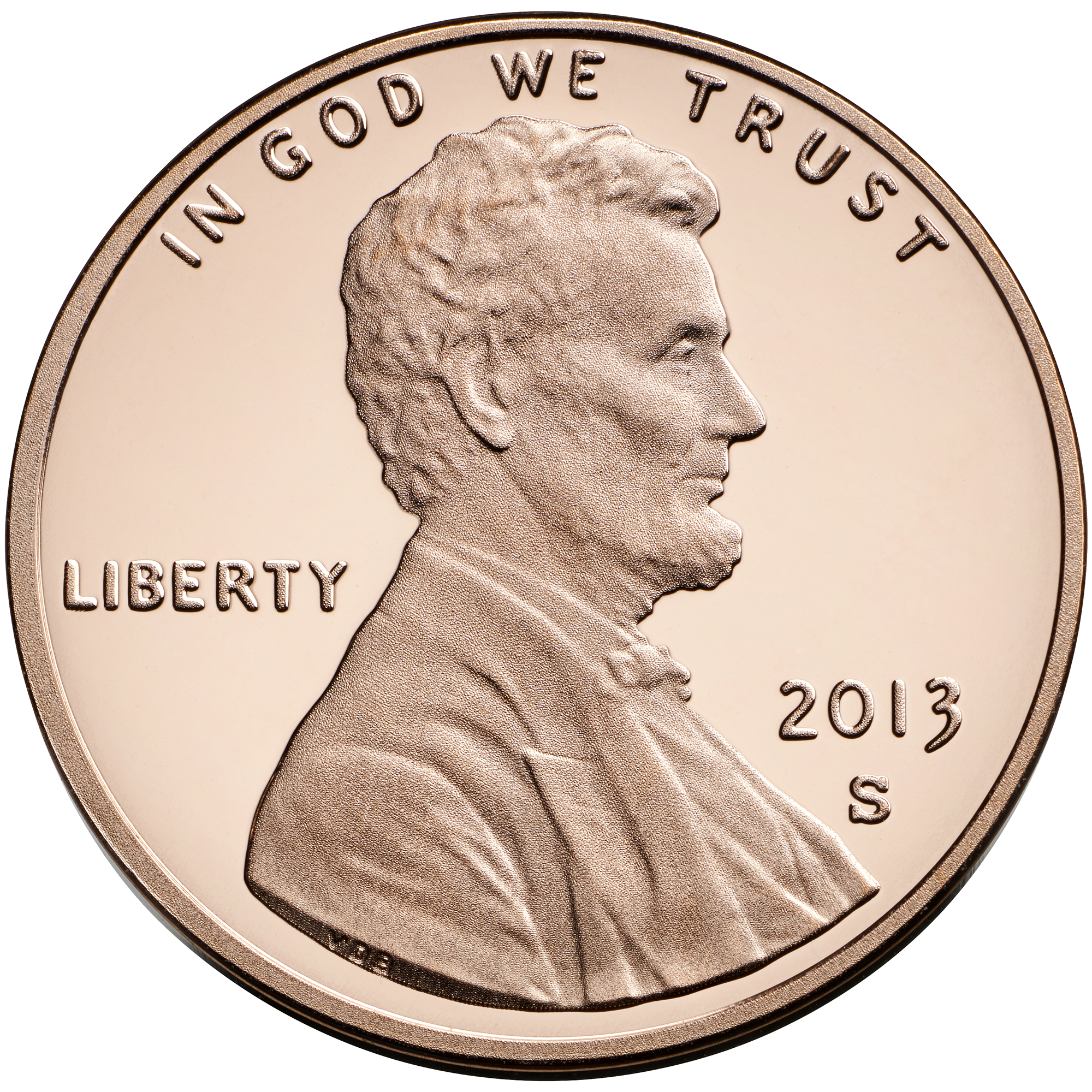
By the mid-19th century, the size was reduced to the “Small Cent” we recognize now. However, the most significant metallurgical shift occurred in 1982. Due to the rising cost of copper, the U.S. Mint transitioned the penny’s composition from 95% copper to 97.5% zinc, with only a thin coating of copper for appearance. This change was a direct response to the “intrinsic value” problem: if the metal in a coin is worth more than the coin’s face value, people are tempted to melt it down for profit.
The Cost of Production vs. Face Value
The penny currently presents a fascinating economic paradox. As of the early 2020s, it costs the U.S. Mint more than two cents to produce a single one-cent coin. This “seigniorage loss” has fueled ongoing debates among economists and policymakers about whether the penny should be discontinued.
Critics argue that the penny is a drain on the Treasury and an inefficiency in the retail economy, causing “time tax” at cash registers. Proponents, however, suggest that the penny prevents “rounding inflation,” where businesses might round prices up to the nearest nickel, and maintain that it remains a vital tool for low-income individuals who rely heavily on cash transactions.
Pennies in Personal Finance: The Power of Micro-Savings
In the realm of personal finance, the penny is less about the physical coin and more about the philosophy of incremental growth. The adage “a penny saved is a penny earned” is the cornerstone of the compounding interest principle that builds generational wealth.
The Philosophy of Frugality: Why Every Cent Counts
Many of the world’s most successful investors, including Warren Buffett, are known for their respect for small denominations. The psychology of the penny is rooted in discipline. When an individual pays attention to the “pennies” in their budget—such as small recurring subscriptions, slightly higher interest rates on credit cards, or minor grocery savings—they develop a mindset of financial stewardship.
In a world of “lifestyle creep,” where expenses rise to meet income, the ability to value the smallest unit of currency prevents the leakage of capital. Over a 30-year horizon, saving just 100 “pennies” (one dollar) a day and investing it at a 7% annual return results in nearly $35,000. This demonstrates that the penny is not a negligible amount; it is the seed of a future fortune.
Leveraging Round-Up Apps for Automatic Wealth Building
Technology has revolutionized how we interact with pennies through the rise of “micro-investing” platforms. Apps like Acorns or Stash utilize a strategy called “round-ups.” Every time a user makes a purchase—say, a coffee for $3.75—the app rounds the transaction to the nearest dollar ($4.00) and invests the change ($0.25) into a diversified portfolio of ETFs.
This automated approach removes the psychological friction of investing. By focusing on the “pennies” left over from daily spending, these tools allow individuals who felt they “didn’t have enough money to invest” to build significant portfolios over time. It is a modern realization of the “penny jar” strategy, digitized for the 21st-century economy.
Understanding Penny Stocks: High-Risk, High-Reward Investing
Moving from physical coins to the stock market, the term “penny” takes on a more aggressive meaning. “Penny stocks” are shares of small public companies that trade at low prices, typically below $5 per share.
What Defines a Penny Stock?
While the name implies a cost of one cent, the SEC generally classifies any stock trading under $5 as a penny stock. These companies are often “micro-cap” or “nano-cap” entities, meaning they have a relatively small total market value. They are frequently traded on “over-the-counter” (OTC) markets rather than major exchanges like the NYSE or NASDAQ.
For the retail investor, penny stocks offer the allure of massive percentage gains. A stock moving from $0.10 to $0.20 is a 100% return, a feat rarely seen in blue-chip stocks like Apple or Microsoft over a short period. This potential for explosive growth makes them a popular, albeit dangerous, “side hustle” for aggressive traders.
Navigating Volatility and Avoiding Scams
The “penny” designation in the stock market comes with a warning label. Because these stocks have low trading volume (low liquidity), their prices can be extremely volatile. A small buy or sell order can swing the price by double digits in minutes.
Furthermore, penny stocks are the primary playground for “pump and dump” schemes. In these scenarios, bad actors spread misleading positive information to drive the price up, only to sell their shares at the peak, leaving small investors with worthless stock. Successful investing in this niche requires rigorous fundamental analysis and a high tolerance for risk. In this context, the “penny” represents the entry point for speculative capital.
The Digital Penny: Micro-transactions and the Satoshi
As we move toward a cashless society, the concept of the penny is being redefined by digital assets and the “gig economy.” The digital penny is the backbone of the internet’s value-transfer layer.
The Rise of Micro-payments in the Gig Economy
In the digital creator economy, pennies are the primary unit of measurement. A single stream on a music platform might pay a fraction of a cent; a single view on a video platform might earn a few pennies in ad revenue. The challenge for modern finance has been the cost of moving these small amounts. Traditional banking fees often exceed the value of the “penny” being sent.
However, new financial tools and “Layer 2” payment solutions are making micro-transactions viable. This allows for a “pay-as-you-go” internet, where users might pay a few pennies to read an article or unlock a feature in an app, bypassing the need for expensive monthly subscriptions.
The Smallest Unit of Bitcoin: The Satoshi
In the world of cryptocurrency, the equivalent of the penny is the “Satoshi.” Named after Bitcoin’s pseudonymous creator, a Satoshi is one-hundred-millionth of a single Bitcoin (0.00000001 BTC).
As the price of Bitcoin has risen, the Satoshi has become the practical unit for daily transactions. Just as a dollar is divisible into 100 pennies, a Bitcoin is divisible into 100 million Satoshis. This extreme divisibility ensures that even if the value of the primary currency reaches astronomical heights, there will always be a “penny” equivalent available for small-scale commerce.
The Future of Small Denomination Currency
The debate over the penny’s existence is not unique to the United States. Many nations have already moved to phase out their smallest coins to increase economic efficiency.
The Debate Over Elimination: Should We Kill the Penny?
Economists who advocate for the elimination of the penny point to countries like Canada, Australia, and New Zealand. These nations successfully removed their one-cent pieces from circulation without causing significant inflation or public outcry. In these systems, cash transactions are rounded to the nearest five cents, while electronic transactions remain exact to the cent.
The argument is that the penny has lost its “purchasing power.” In the 1950s, a penny could buy a piece of candy or a stamp; today, it cannot buy virtually anything on its own. The time spent handling, counting, and transporting pennies is estimated to cost the economy billions of dollars in lost productivity.

Lessons from Other Nations: Life After the One-Cent Coin
The transition in Canada (which minted its last penny in 2012) provides a roadmap for the future. The removal of the coin did not result in the “rounding tax” that many feared. Instead, it streamlined retail operations and reduced the burden on the central bank.
As we look toward the future of money, the physical penny may eventually become a collector’s item or a museum piece. However, the concept of the penny—as the basic unit of account and the starting point for all financial calculations—is permanent. Whether it is a zinc disc in a jar, a fraction of a cent in a micro-investing app, or a Satoshi on a blockchain, the penny remains the most important teacher of financial discipline. It reminds us that wealth is not built in a single day, but accumulated one cent at a time.
aViewFromTheCave is a participant in the Amazon Services LLC Associates Program, an affiliate advertising program designed to provide a means for sites to earn advertising fees by advertising and linking to Amazon.com. Amazon, the Amazon logo, AmazonSupply, and the AmazonSupply logo are trademarks of Amazon.com, Inc. or its affiliates. As an Amazon Associate we earn affiliate commissions from qualifying purchases.