
In the early days of computing, the concept of “portable” was relative. To the engineers of the 1970s and 80s, a machine that weighed 20 pounds and fit into a suitcase-sized chassis was considered a miracle of miniaturization. However, as we move further into the third decade of the 21st century, the benchmark for true portability has shifted dramatically. Today, the most coveted space in the consumer electronics market is occupied by devices that hover around a specific, almost magical threshold: one pound (approximately 453 grams).
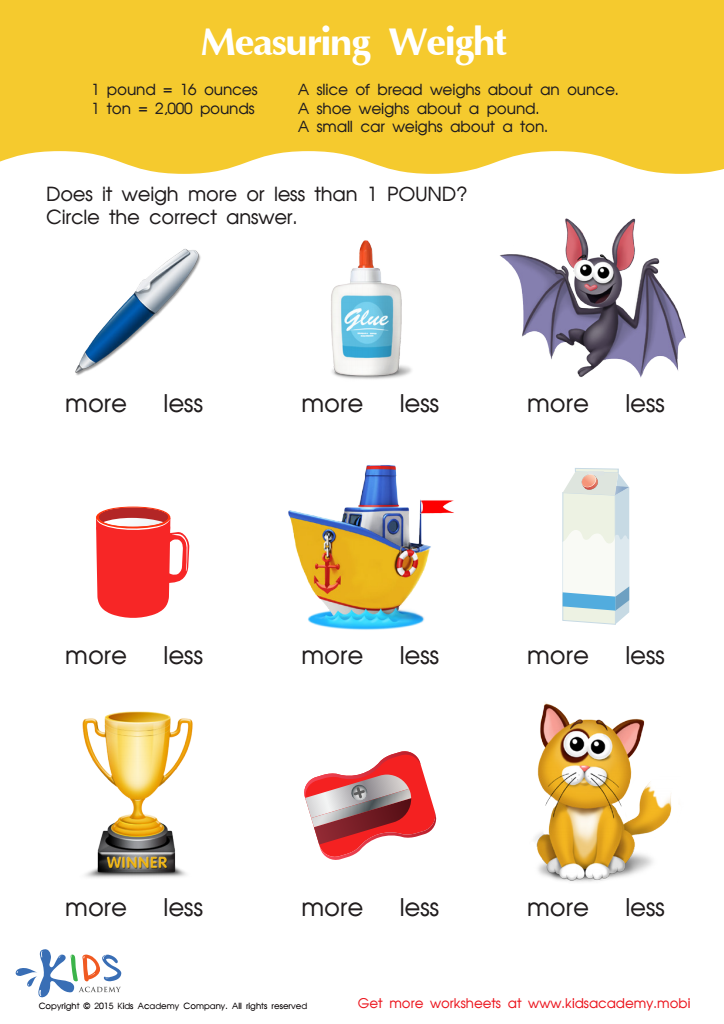
This weight class represents a unique “sweet spot” in hardware engineering. It is light enough to be held in a single hand for extended periods without fatigue, yet substantial enough to house high-performance processors, vibrant displays, and enough battery life to sustain a full day of work. From the tablets that have redefined mobile productivity to the drones that capture cinematic vistas, the one-pound category is where the cutting edge of technology meets the reality of human ergonomics.
The Tablet Revolution: Bridging the Gap Between Mobile and Desktop
The tablet is perhaps the most iconic representative of the one-pound tech category. When the first iPad was released, it weighed roughly 1.5 pounds, which many critics at the time felt was slightly too heavy for long-term reading. Since then, the trajectory of the industry has been a relentless pursuit of the “sub-one-pound” goal.
The iPad Air and Mini: Setting the Standard for Lightweight Computing
The Apple iPad Air and the iPad Mini serve as the primary case studies for this weight class. The iPad Air, despite its expansive 11-inch screen, consistently clocks in at around 1.02 to 1.03 pounds. To achieve this, engineers had to move toward unibody aluminum designs and thinner display laminations.
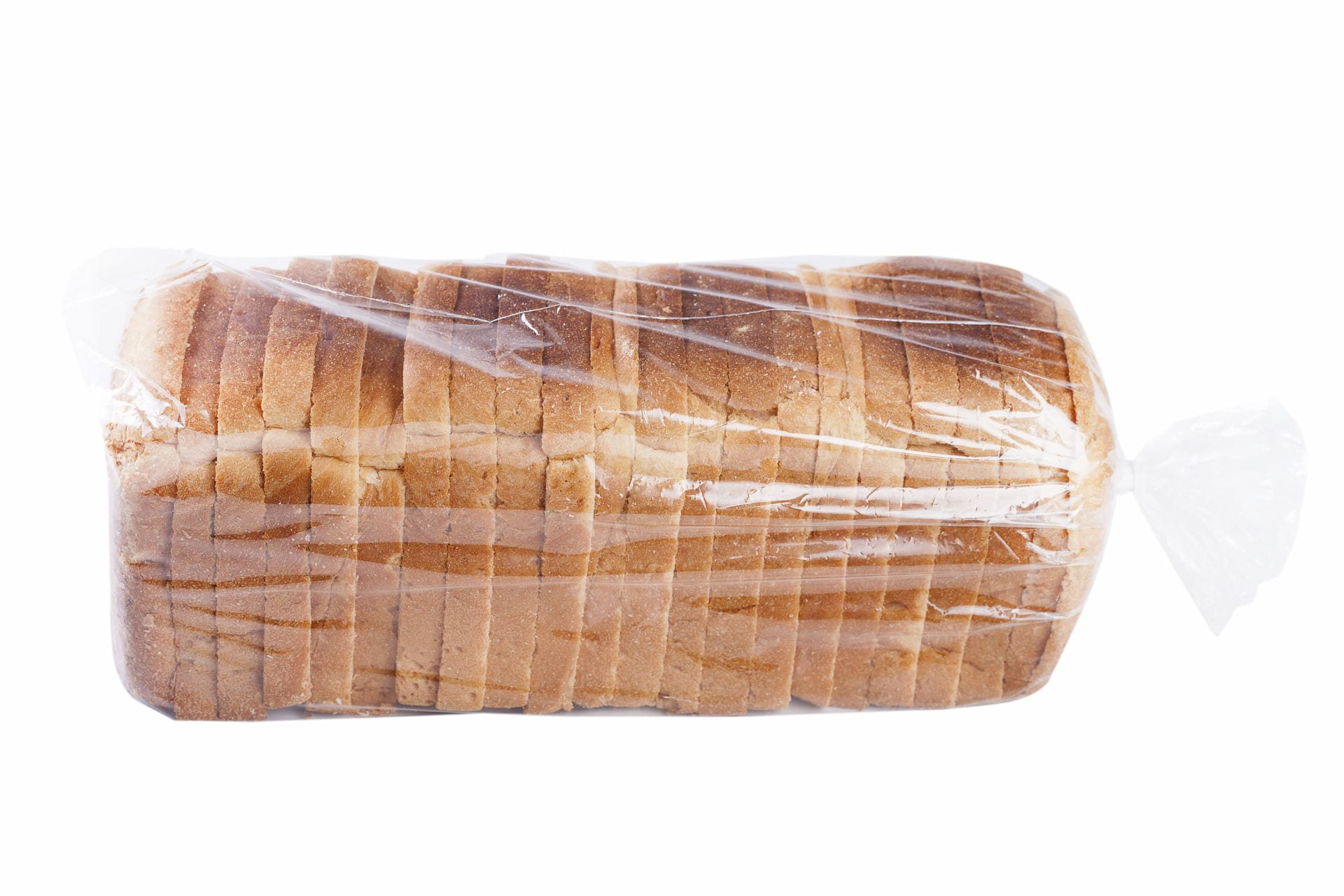
The iPad Mini, weighing in at approximately 0.65 pounds, sits comfortably below the one-pound mark, making it the ultimate “pocketable” professional tool. For pilots, doctors, and logistics managers, the fact that a device weighing less than a loaf of bread can run complex CAD software or medical imaging suites is a testament to how far silicon efficiency has come. The transition to Apple Silicon (M-series chips) has allowed these lightweight devices to rival the performance of laptops that weigh three times as much.
Professional-Grade Tools in a 16-Ounce Chassis
It isn’t just about consumption; it’s about creation. The modern one-pound tablet is often paired with a stylus or a lightweight keyboard, transforming it into a mobile workstation. In this niche, the competition is fierce. Microsoft’s Surface Go series aims for a similar demographic, balancing the full functionality of Windows with a form factor that remains remarkably light.
The challenge for tech companies in this space is maintaining structural integrity. When a device is this light, it is susceptible to “flexing.” To combat this, manufacturers utilize high-grade alloys that offer high tensile strength without the density of traditional steel. The result is a device that feels premium and “dense” in the hand, despite its minimal weight.
Ultra-Portable Gadgets: From Drones to Handheld Consoles
While tablets dominate the one-pound conversation, other tech sectors have adopted this weight limit as a standard for regulatory and ergonomic reasons. In the worlds of aerial photography and mobile gaming, every gram is a calculated trade-off between features and usability.
Small Scale, High Altitude: Drones Under 500 Grams
In the drone industry, weight is more than just a matter of comfort; it is a matter of law. In many jurisdictions, drones weighing over 250 grams (about 0.55 lbs) are subject to stricter registration and flight regulations. Consequently, the “prosumer” drone market has seen an explosion of tech that sits just under the 0.5 to 1-pound mark.
The DJI Mini series, for example, is engineered to stay just under the 249-gram limit, but as you move toward professional cinematography drones, the 1-pound mark becomes the next major milestone. A drone that weighs about a pound can carry more sophisticated gimbal systems, larger image sensors (such as 1-inch CMOS sensors), and more robust obstacle avoidance sensors. These devices represent a pinnacle of tech density—integrating GPS, 4K camera arrays, transmission hardware, and cooling systems into a frame that weighs as much as a standard coffee mug.
Portable Gaming: The Quest for the Perfect Balance
The handheld gaming market has undergone a massive resurgence, led by the Nintendo Switch and followed by powerful PC-handhelds like the Steam Deck and the ASUS ROG Ally. While the Steam Deck is significantly heavier (about 1.47 lbs), the industry is currently obsessed with bringing that weight down.
A device like the original Nintendo Switch (with Joy-Cons attached) weighs approximately 0.88 pounds. This weight is critical for handheld gaming; if a device exceeds the one-pound mark by too much, the user’s wrists begin to strain during extended sessions. The next generation of handheld tech is focused on using OLED screens (which are thinner and lighter than LCDs) and more efficient thermal solutions to keep powerful gaming rigs within that comfortable 1-pound range.
The Science of Lightweight Tech: Materials and Innovations
How do engineers pack billions of transistors and high-capacity batteries into a one-pound frame? The answer lies in advanced material science and the relentless optimization of internal architecture.
Carbon Fiber, Magnesium Alloys, and Beyond
To keep tech at the one-pound mark, manufacturers have had to look beyond plastic and standard aluminum. Magnesium alloy is a frequent choice for high-end laptops and tablets because it is significantly lighter than aluminum while offering comparable strength.
Carbon fiber is another hero of the lightweight tech world. Used extensively in the chassis of ultra-portable laptops and high-end drones, carbon fiber provides an incredible strength-to-weight ratio. However, it is expensive and difficult to mass-produce, which is why it is often reserved for flagship products. The “feel” of these materials also contributes to the brand’s perception; a one-pound device made of magnesium alloy feels like a precision instrument, whereas a one-pound device made of cheap plastic can feel like a toy.
Battery Density and the Weight Constraint
The single heaviest component in most modern portable tech is the battery. Lithium-ion technology has hit something of a plateau in terms of energy density. To keep a device around one pound, engineers have to make difficult choices:
- Reduce Battery Size: This leads to shorter runtimes, which can alienate users.
- Increase Efficiency: By using processors that consume less power (like ARM-based chips), manufacturers can use smaller batteries without sacrificing battery life.
- Stacked Battery Design: Some companies are experimenting with terraced or stacked battery cells to fill every cubic millimeter of the device’s interior, maximizing capacity without adding the bulk of additional casing.
The Future of “Featherweight” Technology
The obsession with the one-pound threshold is not slowing down. As we look toward the future of technology, the goal is to provide even more immersive experiences in even lighter form factors.
Foldables and Wearables: Shrinking the Footprint
Foldable technology is the next frontier for the one-pound category. A foldable phone-tablet hybrid, like the Samsung Galaxy Z Fold or the Google Pixel Fold, currently weighs around 0.5 to 0.6 pounds. As these devices evolve, we may see “large-format” foldables that offer 13-inch screens but fold down into a package that weighs exactly one pound. This would effectively replace the traditional laptop for many professionals.
Furthermore, the rise of Augmented Reality (AR) glasses is pushing the boundaries of weight. Currently, high-end AR headsets like the Apple Vision Pro are criticized for being heavy (weighing over 1.3 pounds). The “Holy Grail” for spatial computing is to bring that weight down to under half a pound, or ideally, the weight of standard eyeglasses.

Why the 1-Pound Threshold Matters for UX
Ultimately, the focus on weight is about User Experience (UX). A device that weighs one pound disappears into a backpack. It can be held up while lying in bed, or used on a cramped airplane tray table. It represents the point where the hardware ceases to be a burden and becomes a seamless extension of the user’s intent.
In the world of tech, “heavy” is often equated with “old.” Even as we demand larger screens and faster processors, our tolerance for weight is decreasing. The engineering feat of the next decade will not just be making computers faster, but making them lighter. The one-pound mark will remain the gold standard—a benchmark of elegance, efficiency, and true portability in an increasingly mobile world.
As we continue to innovate, the devices that weigh about one pound will likely become the primary computing hubs for the majority of the population. They represent the perfect intersection of power and presence, proving that in the digital age, the most significant impact often comes from the lightest footprint.
aViewFromTheCave is a participant in the Amazon Services LLC Associates Program, an affiliate advertising program designed to provide a means for sites to earn advertising fees by advertising and linking to Amazon.com. Amazon, the Amazon logo, AmazonSupply, and the AmazonSupply logo are trademarks of Amazon.com, Inc. or its affiliates. As an Amazon Associate we earn affiliate commissions from qualifying purchases.