
The landscape of the American housing market is inextricably linked to the movement of mortgage rates. For prospective homebuyers, current homeowners looking to refinance, and real estate investors, the question of “what are mortgage rates doing today” is more than just a matter of curiosity—it is a critical factor in determining purchasing power, long-term debt obligations, and the overall health of the economy. In recent years, we have transitioned from a period of historic lows to an era of heightened volatility and upward pressure. Understanding the mechanics behind these shifts is essential for making informed financial decisions in a complex environment.
The Macroeconomic Drivers Behind Today’s Rates
Mortgage rates do not exist in a vacuum. They are the product of a sophisticated interplay between government policy, investor sentiment, and global economic health. To understand why rates are behaving the way they are today, one must look at the primary drivers that dictate their trajectory.
The Federal Reserve and Monetary Policy
While the Federal Reserve does not directly set mortgage rates, its influence is unparalleled. The Fed controls the federal funds rate—the interest rate at which commercial banks lend to each other overnight. When the Fed raises rates to combat inflation, the cost of borrowing increases across the board. Mortgage lenders respond by raising their own rates to maintain profit margins and account for the increased cost of capital. Today’s rate environment is largely a reflection of the Fed’s ongoing battle to bring inflation back to its 2% target. When the Fed signals a “hawkish” stance (inclined to raise rates), mortgage rates typically climb. Conversely, “dovish” signals often lead to a cooling of rates.
The 10-Year Treasury Yield
There is a strong historical correlation between the 30-year fixed mortgage rate and the yield on the 10-year Treasury note. Investors often view these two financial instruments as having similar risk profiles. When the yield on the 10-year Treasury rises due to expectations of economic growth or persistent inflation, mortgage rates almost always follow suit. The “spread”—the difference between the 10-year Treasury yield and the average 30-year mortgage rate—is also a key metric. In periods of high market uncertainty, this spread often widens, meaning mortgage rates may stay high even if Treasury yields begin to stabilize.
Inflation and the Consumer Price Index (CPI)
Inflation is the greatest enemy of fixed-income investments like mortgages. Because a mortgage pays a fixed amount of interest over 15 or 30 years, the purchasing power of that interest is eroded if inflation remains high. Consequently, when CPI data shows that prices are rising faster than expected, lenders demand higher interest rates to compensate for the future loss of value. Monitoring monthly inflation reports is essential for anyone trying to predict the direction of mortgage rates in the short term.
Comparing Current Loan Products in a High-Rate Environment
As rates fluctuate, the relative value of different mortgage products shifts. What made sense in a 3% interest rate environment may no longer be the most efficient financial strategy when rates are significantly higher.
The 30-Year Fixed-Rate Mortgage
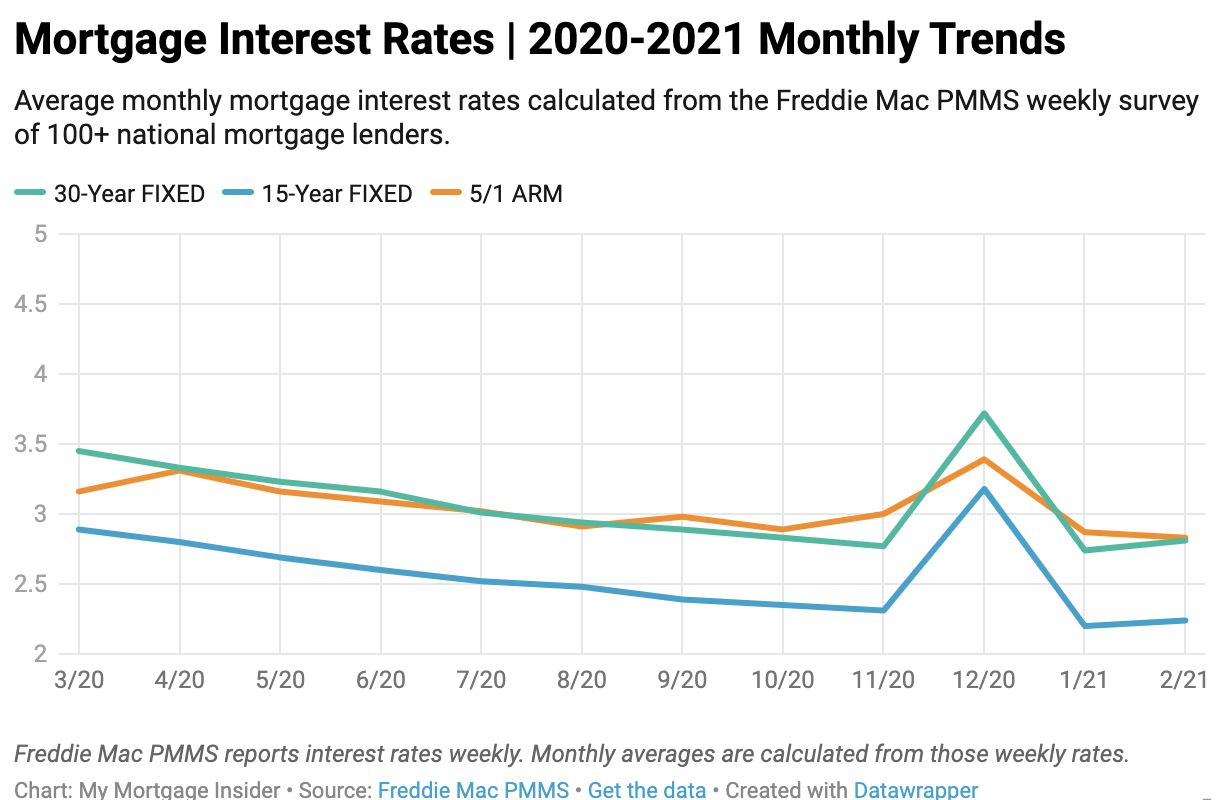
The 30-year fixed-rate mortgage remains the gold standard for American homeowners because of the stability it offers. Despite today’s higher rates, the benefit of a fixed payment for three decades protects the borrower against future interest rate hikes. However, in the current market, the high monthly carry cost of a 30-year loan has pushed many buyers to the edge of their affordability limits. This has led to a renewed interest in alternative structures.
The Resurgence of Adjustable-Rate Mortgages (ARMs)
When fixed rates climb, Adjustable-Rate Mortgages often see a spike in popularity. An ARM typically offers a lower “teaser” rate for an initial period—usually five, seven, or ten years—before adjusting annually based on market indices. For a buyer who intends to sell the home or refinance before the initial period ends, an ARM can provide significant monthly savings. However, the inherent risk is that if rates are even higher when the adjustment period arrives, the monthly payment could skyrocket, leading to financial strain.
15-Year Fixed-Rate Mortgages
For those with the financial flexibility to handle a higher monthly payment, the 15-year fixed-rate mortgage is an excellent tool for wealth building. Today’s 15-year rates are consistently lower than 30-year rates. By choosing this shorter term, borrowers save hundreds of thousands of dollars in interest over the life of the loan and build equity at a much faster pace. In a high-rate environment, the 15-year mortgage is often the preferred choice for disciplined investors and high-income earners looking to minimize debt.

Strategies for Homebuyers Navigating Rate Volatility
Navigating today’s mortgage market requires more than just watching the news; it requires a proactive strategy to mitigate the impact of high interest costs.
The “Lock or Float” Dilemma
When you apply for a mortgage, you are faced with the choice of locking in your rate or “floating” it until closing. In a volatile market, locking the rate as soon as you find a home can protect you from sudden spikes. Many lenders now offer “lock and shop” programs, which allow you to freeze a rate even before you have a signed purchase agreement. Conversely, floating is a gamble that rates will drop before your loan is finalized. Given the current unpredictability, most financial advisors suggest locking in a rate you can afford rather than speculating on a minor dip.
Buying Down the Rate with Points
Discount points allow borrowers to pay an upfront fee to the lender in exchange for a lower interest rate. One point typically costs 1% of the total loan amount and reduces the interest rate by approximately 0.25%. In today’s market, many buyers are using points to bring their monthly payments down to a more manageable level. The key is to calculate the “break-even point”—how many months of lower payments it will take to recoup the initial cost of the points. If you plan to stay in the home for a long time, buying points is often a wise investment.
Temporary Buydowns (2-1 and 3-2-1)
A popular strategy in the current environment is the temporary buydown. In a 2-1 buydown, the interest rate is reduced by 2% in the first year and 1% in the second year, returning to the full note rate in the third year. This is often funded by the seller as a concession. This strategy helps the buyer ease into the mortgage payment, with the hope that they can refinance into a lower fixed rate before the buydown period expires.
The Broader Impact on the Housing Market and Economy
The current state of mortgage rates has profound implications for the broader economy, affecting everything from housing inventory to consumer spending habits.
The “Lock-In Effect” and Inventory Shortages
One of the most significant consequences of today’s higher rates is the “lock-in effect.” Millions of homeowners secured 30-year fixed rates between 2% and 4% during the pandemic. For these individuals, moving to a new home would mean trading a very low interest rate for one that is significantly higher. As a result, many potential sellers are choosing to stay put, leading to a severe shortage of existing homes for sale. This lack of inventory keeps home prices elevated, creating a challenging “double whammy” for buyers: high prices and high interest rates.
The Shift Toward New Construction
With the inventory of existing homes at historic lows, many buyers have turned to new construction. Homebuilders have recognized the burden of high mortgage rates and have responded by offering significant incentives. It is now common for builders to offer “permanent rate buydowns,” where they pay the necessary fees to give the buyer a rate well below the national average. This has made the new-build sector a surprisingly resilient part of the economy despite the high-rate environment.
Refinancing Outlook
The refinancing market, which was booming just a few years ago, has slowed to a crawl. Most homeowners currently have a rate that is lower than what is available today. However, “cash-out” refinances still occur for those who need to tap into their home equity for debt consolidation or home improvements. Additionally, as soon as there is a meaningful dip in rates, we can expect a “refi-wave” as recent buyers seek to lower their monthly obligations.
Conclusion: Adapting to the New Normal
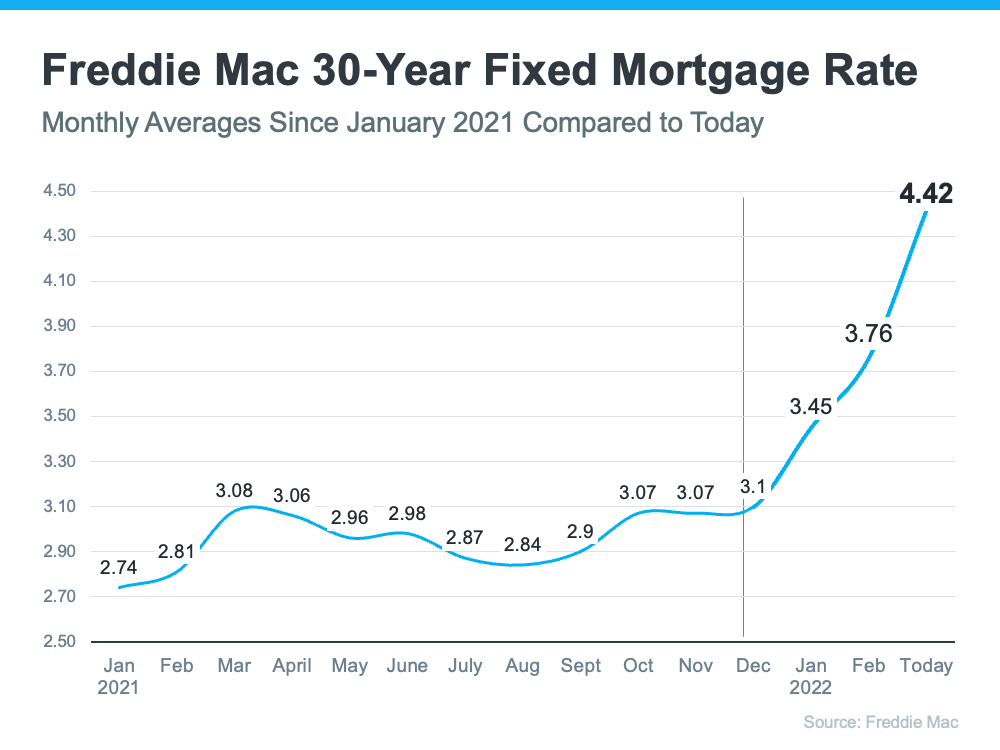
While it is easy to compare today’s mortgage rates to the historical anomalies of 2020 and 2021, a broader historical perspective shows that current rates are closer to long-term averages. Success in today’s market requires a shift in mindset. Instead of waiting for a return to 3% rates—which may not happen for a generation—borrowers must focus on what they can control.
Optimizing credit scores, increasing down payments, and exploring creative financing options like seller concessions and buydowns are the tools of the modern homebuyer. Financial health in this era is defined by the ability to manage debt effectively while recognizing that real estate remains one of the most powerful vehicles for long-term wealth creation. Whether rates move up or down in the coming months, the fundamental principles of personal finance—budgeting, long-term planning, and risk management—remain the most reliable guides through the fluctuations of the mortgage market.
aViewFromTheCave is a participant in the Amazon Services LLC Associates Program, an affiliate advertising program designed to provide a means for sites to earn advertising fees by advertising and linking to Amazon.com. Amazon, the Amazon logo, AmazonSupply, and the AmazonSupply logo are trademarks of Amazon.com, Inc. or its affiliates. As an Amazon Associate we earn affiliate commissions from qualifying purchases.