
The transition from physical travel agencies to the digital ecosystem has transformed the way consumers interact with the aviation industry. Buying airline tickets online is no longer a simple transaction; it is an engagement with a complex web of Global Distribution Systems (GDS), sophisticated search algorithms, and robust cybersecurity protocols. Understanding the technical nuances of this process allows users to navigate the digital marketplace with efficiency, security, and precision. This guide explores the technological infrastructure behind online flight booking and provides a comprehensive roadmap for mastering the digital acquisition of air travel.
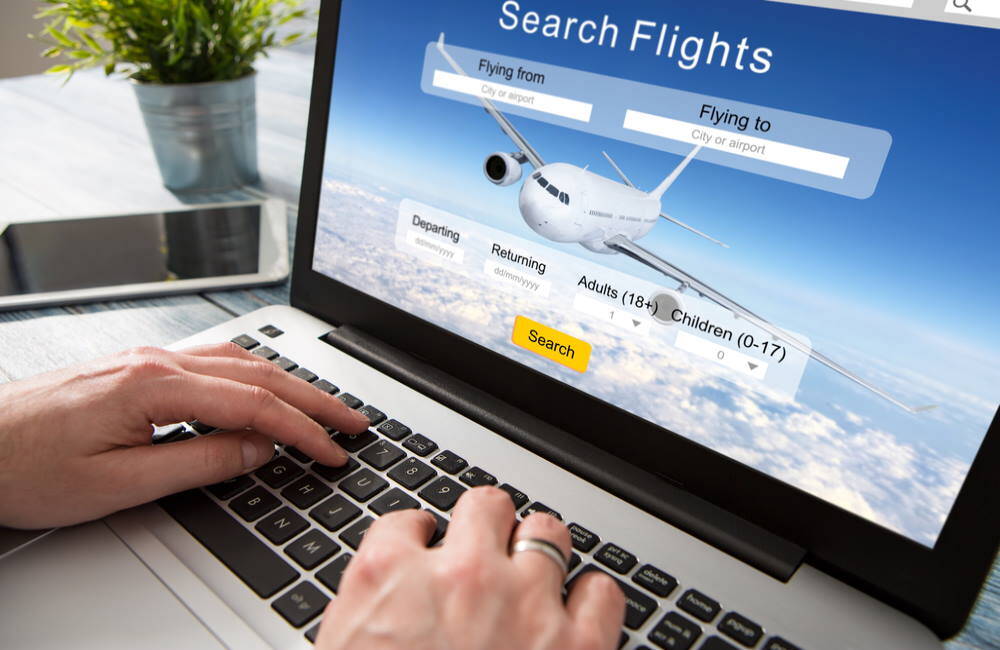
Understanding the Digital Infrastructure: GDS and Metasearch Algorithms
To effectively buy airline tickets online, one must first understand the backend technology that powers the search results. The foundation of the online booking world is the Global Distribution System (GDS). These are massive computer networks—such as Amadeus, Sabre, and Travelport—that act as intermediaries between airlines and travel service providers. They host real-time data regarding flight schedules, seat inventory, and fare classes.
The Role of Metasearch Engines
Most users begin their journey not on an airline’s website, but on a metasearch engine like Google Flights, Skyscanner, or Kayak. These platforms do not sell tickets directly. Instead, they use Application Programming Interfaces (APIs) to query multiple GDS databases and individual airline reservation systems simultaneously. The algorithm then aggregates this data, applying filters for price, duration, and stopovers. From a technical standpoint, these engines are masterclasses in data scraping and real-time processing, handling millions of queries per second to provide a consolidated view of the global aviation market.
Online Travel Agencies (OTAs) vs. Direct Booking
When purchasing online, you typically face a choice between an Online Travel Agency (OTA) like Expedia or Priceline and the airline’s own website. OTAs utilize their own proprietary software to bundle flights with hotels or insurance, often leveraging bulk-buying power to offer unique price points. Conversely, direct booking via an airline’s website utilizes the carrier’s Passenger Service System (PSS). Direct booking is often preferred by tech-savvy users for better integration with digital boarding passes and more seamless management of flight changes through the airline’s native application.
Navigating the User Experience: From Search Parameters to Final Conversion
The process of buying a ticket online is a sequence of data inputs designed to narrow down a massive dataset into a single, executable contract. The User Experience (UX) of modern booking platforms is optimized to guide you through this funnel.
Strategic Search and Filtering
The first step in the “how-to” is the deployment of search parameters. Modern interfaces allow for “multi-city” routing and “flexible date” searches. These features rely on complex matrix algorithms that compare price points across a 30-day calendar. To get the best results, users should utilize the “filtering” sidebar—a tool that allows you to exclude specific technical variables such as “self-transfer” flights (where the software warns you that two separate tickets are being issued) or technical stops for refueling.
Managing Cookies and Dynamic Pricing
A significant point of discussion in the tech community is the use of dynamic pricing. Online platforms use “HTTP cookies” to track user behavior. There is technical evidence suggesting that repeated searches for the same route can trigger algorithmic price hikes based on perceived urgency. To mitigate this, advanced users often utilize “Incognito Mode” or Private Browsing, which prevents the browser from storing history or cookies that flight engines might use to profile the user. Furthermore, using a Virtual Private Network (VPN) to change your IP address to a different geographic location can sometimes reveal lower localized pricing, as airlines often adjust fares based on the purchasing power of the user’s detected country.
Data Entry and Ancillary Services
Once a flight is selected, the “Check-out” phase begins. This is where the user interacts with the airline’s database to reserve a specific seat. The “seat map” interface is a visual representation of the aircraft’s configuration (LOPA – Layout of Passenger Accommodations). During this stage, the system will offer “ancillaries”—technological add-ons such as extra baggage, priority boarding, or Wi-Fi packages. These are managed via the airline’s revenue management software, which uses machine learning to suggest add-ons based on the flight’s duration and the passenger’s profile.
Cybersecurity Essentials for Digital Travel Transactions
Buying airline tickets involves the transmission of highly sensitive data, including Passport/ID numbers and financial information. Ensuring digital security is a critical component of the online booking process.

Encryption and Payment Gateways
When you enter your credit card details, you must ensure the site utilizes HTTPS (Hypertext Transfer Protocol Secure). This indicates that the data transmitted between your browser and the server is encrypted using TLS (Transport Layer Security). Look for the padlock icon in the address bar. Furthermore, reputable booking platforms comply with PCI DSS (Payment Card Industry Data Security Standard), a set of security standards designed to ensure that all companies that accept, process, store, or transmit credit card information maintain a secure environment.
Utilizing Secure Payment Methods
For an added layer of security, utilize digital wallets like Apple Pay, Google Pay, or PayPal. These services use “tokenization,” a process where your actual card number is replaced with a unique digital identifier (a token). This means the airline or OTA never actually sees or stores your primary account number, drastically reducing the risk of data breaches. Additionally, many modern banking apps offer “virtual cards” or “disposable card numbers” specifically designed for one-time online transactions, which provide an ultimate fail-safe against unauthorized recurring charges.
Two-Factor Authentication (2FA)
If the booking platform or your financial institution offers it, always enable Two-Factor Authentication. This ensures that even if your login credentials are compromised, an unauthorized user cannot finalize a high-value ticket purchase without access to a secondary code sent to your physical device.
The Role of Mobile Ecosystems and App Integration
The “how-to” of buying tickets has increasingly shifted toward mobile applications. Airline apps represent the pinnacle of current travel technology, offering a more integrated experience than desktop browsers.
App-Exclusive Features and Push Notifications
Many airlines incentivize the use of their proprietary apps by offering app-only discounts. Technically, apps allow for more sophisticated push notification systems. Instead of checking your email, the app uses a persistent connection to the airline’s server to provide real-time updates on price drops, gate changes, and check-in windows. These apps also leverage the biometric security of your smartphone (FaceID or fingerprint sensors) to secure your stored payment and identity data.
The Digital Boarding Pass and Offline Access
A key benefit of buying via an app is the generation of a digital boarding pass stored in a mobile wallet (like Apple Wallet or a proprietary airline “My Trips” section). These use QR codes or Aztec codes that can be read by scanners at the airport. From a technical perspective, these passes are designed to be accessible offline, ensuring that even if you lose internet connectivity at the terminal, the encrypted data required for your flight remains on your device.
Leveraging AI and Data Analytics for Price Optimization
The most advanced way to buy airline tickets online involves using AI-driven predictive tools. These tools analyze historical data to predict whether a fare will rise or fall in the coming days.
Predictive Software and Price Alerts
Platforms like Hopper use massive datasets and machine learning models to forecast future price movements with high accuracy. By setting a “Price Alert,” you are essentially subscribing to a monitoring service where a bot continuously queries the GDS for your specific route. When the algorithm detects a price that hits a historical low or matches your budget, it triggers an automated notification.

The Technical Reality of “Hacker Fares”
Some tech-forward platforms offer “Hacker Fares” or “Hidden City” ticketing. These use algorithms to find price discrepancies—for example, a flight from New York to London with a layover in Paris might be cheaper than a direct flight to London. These platforms automate the process of finding these anomalies. However, users should be aware that these techniques often sit in a grey area of airline Terms of Service (ToS) and rely on the software’s ability to navigate complex “nested” ticketing logic.
In conclusion, buying airline tickets online is an exercise in navigating a sophisticated digital landscape. By understanding the roles of GDS, utilizing secure payment architectures, leveraging mobile apps, and employing AI-driven search strategies, consumers can secure their travel with a level of precision and security that was impossible in the pre-digital era. As the technology continues to evolve—with blockchain-based e-tickets and biometric-linked bookings on the horizon—the process will only become more integrated into our digital lives.
aViewFromTheCave is a participant in the Amazon Services LLC Associates Program, an affiliate advertising program designed to provide a means for sites to earn advertising fees by advertising and linking to Amazon.com. Amazon, the Amazon logo, AmazonSupply, and the AmazonSupply logo are trademarks of Amazon.com, Inc. or its affiliates. As an Amazon Associate we earn affiliate commissions from qualifying purchases.