
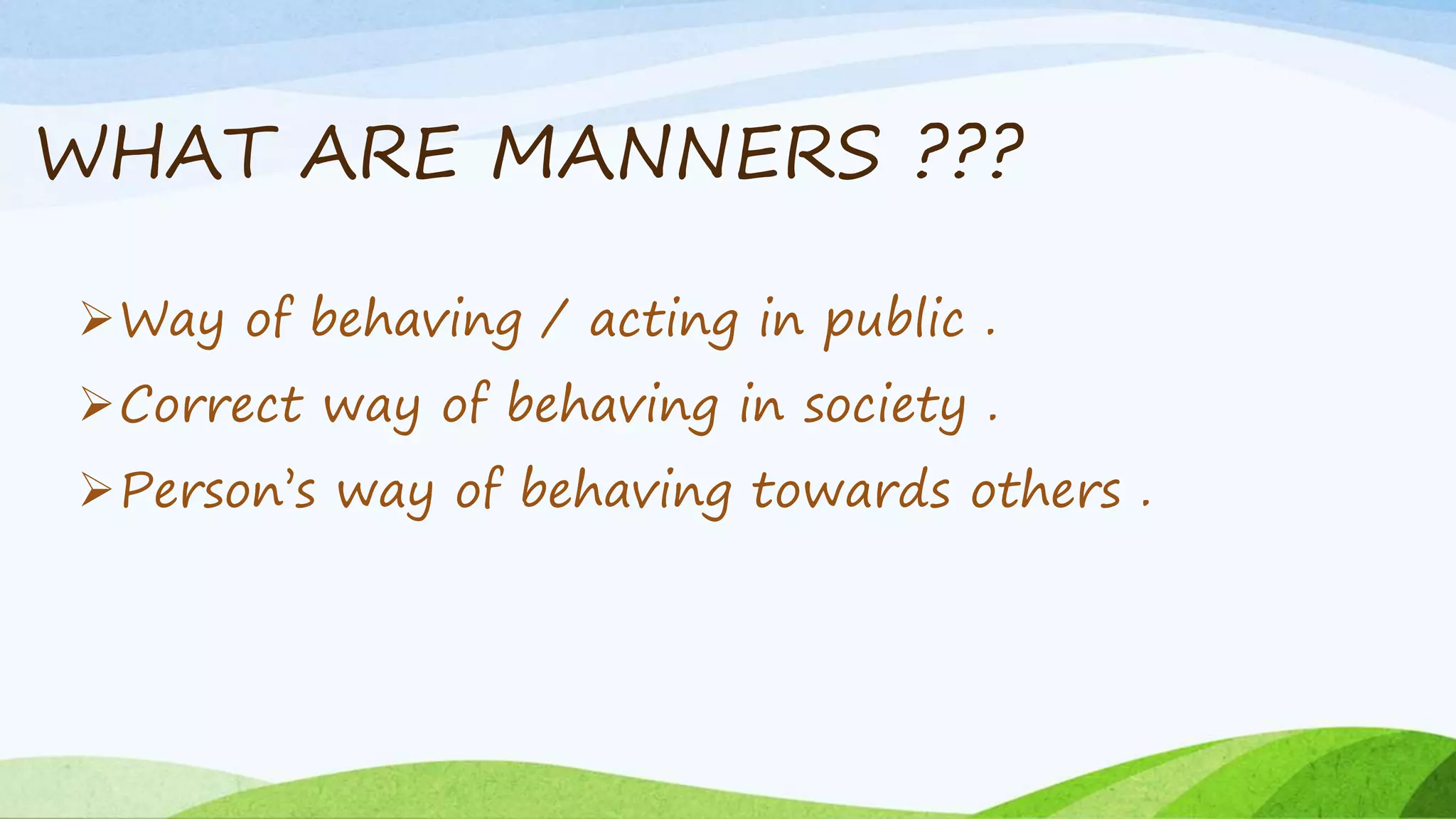
In the traditional sense, manners are often relegated to the realm of social graces—the “pleases” and “thank yous” exchanged at a dinner party or the polite protocol of a formal introduction. However, when we transition into the world of business and brand strategy, the definition of manners expands into something far more structural and strategic. In the context of branding, manners are the behavioral manifestation of a company’s core values. They are the invisible threads that weave together a brand’s identity, dictating how a corporation interacts with its audience, treats its employees, and responds to the global marketplace.
In an era where consumers are increasingly prioritizing “brand purpose” and “corporate social responsibility,” understanding what manners are in a professional context is no longer a luxury—it is a competitive necessity. A brand without manners is a brand without a soul, and in the digital age, a lack of etiquette is often the first step toward a PR crisis or a loss of market share.
The Anatomy of Brand Manners: Defining Corporate Identity through Behavior
In branding, manners represent the “how” behind the “what.” While a product or service defines what a company does, its manners define how it performs those actions. This behavioral layer of branding is what ultimately builds trust and emotional resonance with a target audience.
The Intersection of Etiquette and Brand Voice
A brand’s voice is its personality captured in words, but its manners are that personality captured in action. For instance, a luxury brand like Ritz-Carlton doesn’t just use formal language; it practices “manners” through a philosophy of “Ladies and Gentlemen serving Ladies and Gentlemen.” This specific etiquette informs every touchpoint, from the way a phone is answered to how a guest’s preference is anticipated. When manners are baked into the brand voice, the identity becomes more than just a logo—it becomes a lived experience for the consumer.
Consistency as a Form of Respect
One of the most overlooked aspects of brand manners is consistency. From a strategic standpoint, being inconsistent is a form of professional rudeness. When a brand promises a premium, high-touch experience through its marketing but delivers a clunky, automated customer service experience, it is effectively breaking its word. Consistency is a sign of respect for the customer’s time, investment, and expectations. Brand manners require a alignment between the marketing promise and the operational delivery.
The Psychology of First Impressions
In brand strategy, we often talk about the “moment of truth.” This is the first time a potential customer interacts with a brand. Whether it is the packaging of a product, the loading speed of a website, or the greeting at a storefront, these are the “manners” of the brand in action. Polished brand manners signal competence and reliability. If a brand’s digital interface is chaotic or its physical space is unkempt, the “manners” are perceived as poor, leading to a psychological barrier that prevents the customer from moving further down the sales funnel.
Brand Conduct as a Competitive Advantage: Etiquette in Customer Experience
In a saturated market where products are often commoditized, manners become a key differentiator. When two companies offer the same software or the same retail goods at the same price, the customer will almost always choose the brand that makes them feel seen, heard, and respected.
Proactive vs. Reactive Manners
Great brands do not wait for a customer to complain before they show their manners. Proactive etiquette involves anticipating needs and addressing friction points before they become problems. This might manifest as an automated follow-up email that provides a tutorial for a new product, or a transparent update about a shipping delay. Reactive manners, on the other hand, occur during crisis management. How a brand “apologizes” for a mistake is a profound reflection of its corporate identity. A brand that takes accountability and offers a solution displays high-level manners, whereas a brand that deflects or ignores the issue displays a lack of professional integrity.
The Ethics of Digital Engagement
In the realm of social media, brand manners have taken on a new dimension. We often see brands engaging in “banter” or “clap-backs” on platforms like X (formerly Twitter). While this can be an effective brand strategy for certain demographics, it requires a delicate balance of etiquette. There is a fine line between being “edgy” and being “disrespectful.” Professional manners in the digital space involve knowing when to be playful and when to be serious. Overstepping these boundaries can alienate long-term customers who value the brand’s stability over its viral potential.
Personalization: The Highest Form of Professional Courtesy
Data-driven branding allows companies to practice manners on a massive scale through personalization. Using a customer’s name, remembering their past preferences, and tailoring recommendations are the modern equivalents of a local shopkeeper remembering a regular’s favorite order. However, there is an etiquette to data usage. Over-personalization can feel intrusive, moving from “polite” to “creepy.” Brand manners dictate that a company should use data to enhance the customer experience while maintaining a respectful distance regarding privacy.
Internal Manners: Building a Culture of Respect from the Inside Out
A brand’s external identity is a reflection of its internal culture. It is impossible for a company to maintain a facade of politeness and professionalism if its internal “manners”—the way employees and leadership interact—are toxic or disorganized.
Employee Advocacy and the “Internal Brand”
Every employee is a brand ambassador. If the company treats its staff with poor manners—lack of transparency, unfair compensation, or a disrespectful work environment—that sentiment will eventually leak into the customer experience. Conversely, when a brand practices strong internal manners, employees are more likely to embody the brand’s values naturally. A company’s corporate identity is strengthened when its team believes in the “manners” they are asked to project.
Leadership Etiquette and Vision
The “manners” of a brand often start at the top. The behavior of a CEO or a leadership team sets the tone for the entire organization. In brand strategy, “Executive Presence” is essentially the practice of high-level professional manners. This includes how leaders handle failure, how they communicate vision, and how they interact with stakeholders. A leader who practices humility and directness builds a brand that is perceived as trustworthy and authentic.
The Role of Design in Brand Etiquette
Design is often the silent language of manners. A well-designed user interface (UI) is a polite gesture toward the user, making their journey as smooth as possible. Inaccessible design, confusing layouts, or aggressive “dark patterns” (design choices meant to trick users) are examples of poor brand manners. From a corporate identity perspective, investing in high-quality, inclusive design is a way of saying, “We value your experience and we want to make this easy for you.”
The Global Perspective: Navigating Cross-Cultural Brand Manners
In a globalized economy, what is considered “good manners” in one market may be perceived as a slight in another. A sophisticated brand strategy must account for these cultural nuances to maintain a positive corporate identity across borders.
Localization vs. Globalization
When a brand expands into a new territory, its manners must be localized. This goes beyond mere translation; it involves understanding the social etiquette of the region. For example, the “manners” of advertising in the United States often involve directness and bold claims. In contrast, many Asian markets value subtlety, harmony, and indirect communication. A brand that forces its domestic manners onto a foreign market often fails because it appears culturally insensitive or “loud.”
Sensitivity in Marketing and Representation
Brand manners also involve the etiquette of representation. In the modern era, brands are expected to be inclusive and sensitive to various social issues. A lack of diversity in marketing or a failure to acknowledge cultural holidays and traditions can be seen as a lack of manners—or worse, a lack of awareness. However, this must be done with “authentic etiquette.” Brands that engage in “performative” manners—supporting a cause only when it is trendy—often face backlash for being disingenuous.
The Future of Manners: AI and Automation
As we look toward the future, the question of “what are manners” will increasingly involve Artificial Intelligence. How an AI chatbot interacts with a customer is a new frontier of brand etiquette. If the AI is too robotic, it feels cold; if it is too “human,” it can feel deceptive. Developing “AI Manners” will be a critical task for brand strategists in the coming decade. The goal will be to create automated systems that are helpful, transparent, and respectful of the human on the other side of the screen.

Conclusion: Manners as the Foundation of Brand Equity
Ultimately, manners in branding are about much more than just being “nice.” They are a strategic framework for building long-term relationships and a resilient corporate identity. By defining what manners look like across every touchpoint—from the boardroom to the Instagram comment section—a brand can create a sense of reliability and trust that transcends the product itself.
In the world of brand strategy, manners are the ultimate expression of value. They signal to the world that a company is not just interested in a transaction, but in a connection. As markets become more crowded and consumer expectations continue to rise, the brands that thrive will be the ones that understand that good manners are, quite literally, good business. By integrating etiquette into the very fabric of their brand identity, companies can ensure they are not just seen, but respected and remembered.
aViewFromTheCave is a participant in the Amazon Services LLC Associates Program, an affiliate advertising program designed to provide a means for sites to earn advertising fees by advertising and linking to Amazon.com. Amazon, the Amazon logo, AmazonSupply, and the AmazonSupply logo are trademarks of Amazon.com, Inc. or its affiliates. As an Amazon Associate we earn affiliate commissions from qualifying purchases.