
Lipoproteins, often discussed in the context of cholesterol, are far more than just a medical curiosity; they represent a fundamental aspect of human biology with profound financial implications. From individual healthcare costs and personal financial planning to the multi-billion dollar pharmaceutical and diagnostic industries, understanding what lipoproteins are and how they function is crucial not just for health, but also for economic insight. This article delves into the biological nature of lipoproteins and subsequently explores their substantial footprint in the world of money – from healthcare expenditure to investment opportunities.
The Biological Foundation: A Crucial Overview
Before delving into the financial landscape, a foundational understanding of what lipoproteins are is essential. These complex particles are central to how our bodies manage fats and cholesterol, impacting health outcomes that directly translate into economic realities.
Lipoproteins: The Body’s Fat Transport System
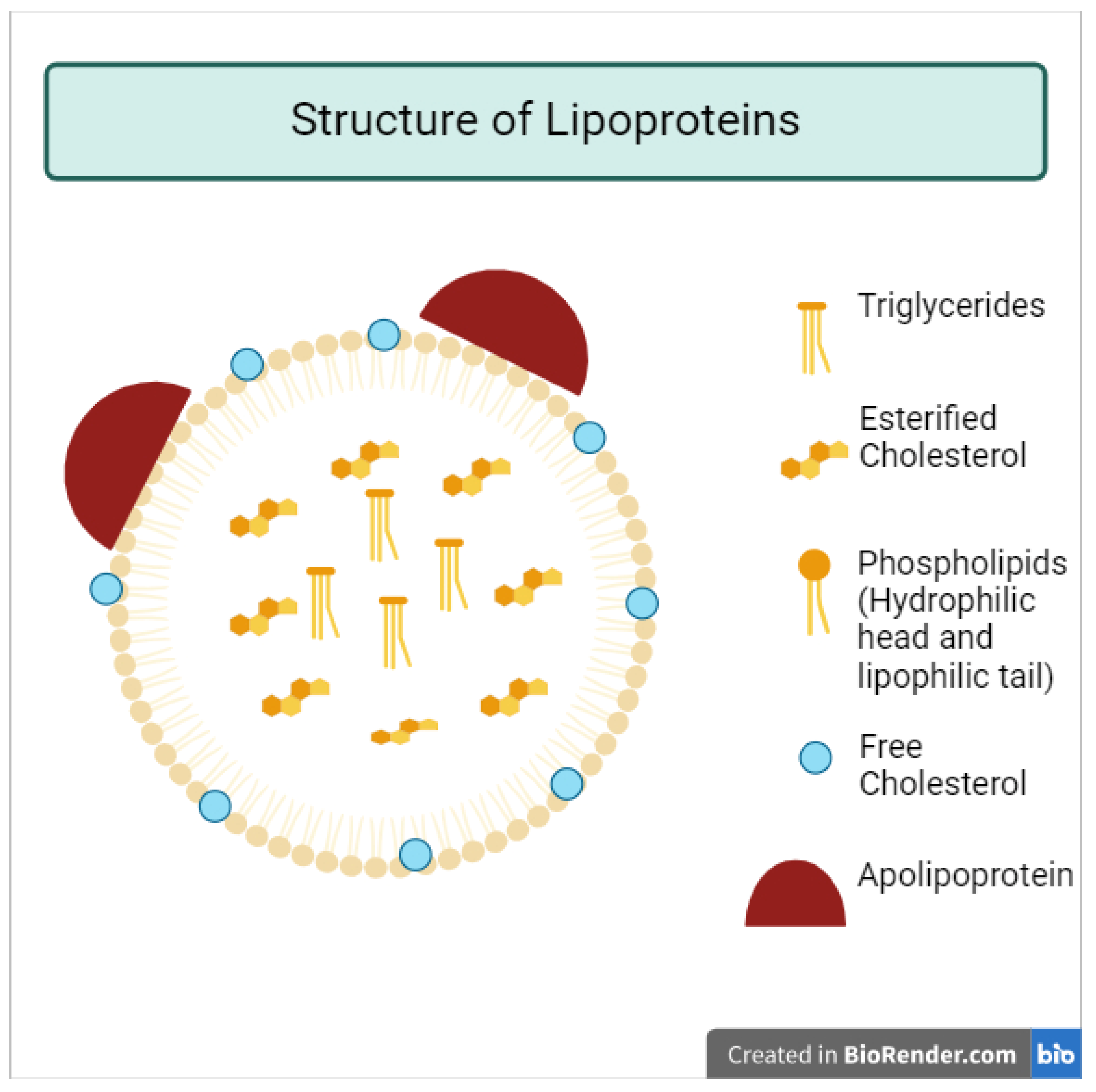
At their core, lipoproteins are sophisticated biochemical assemblies whose primary role is to transport lipids (fats), such as triglycerides and cholesterol, through the bloodstream. Since fats are not soluble in water (and blood is largely water), they require these special carriers to move from one part of the body to another. Imagine them as tiny delivery trucks, ferrying essential fuel and building blocks to cells, or removing excess materials for processing. This transportation system is vital for energy storage, hormone production, and cellular function. Without lipoproteins, our bodies wouldn’t be able to utilize or dispose of fats effectively, leading to critical health issues.
The Good, The Bad, and The Complex: HDL, LDL, and VLDL
When people talk about cholesterol, they’re often referring to the cholesterol carried by specific types of lipoproteins:
-
Low-Density Lipoprotein (LDL): Often dubbed “bad cholesterol,” LDL particles primarily carry cholesterol from the liver to cells throughout the body. While cholesterol is necessary for cellular function, too much LDL cholesterol can lead to its accumulation in arterial walls, forming plaques that harden and narrow arteries – a condition known as atherosclerosis. This process is the precursor to heart attacks and strokes, carrying immense personal and systemic financial costs.
-
High-Density Lipoprotein (HDL): Known as “good cholesterol,” HDL particles perform a crucial “reverse cholesterol transport.” They scavenge excess cholesterol from cells and arterial plaques and transport it back to the liver for excretion or reprocessing. Higher levels of HDL are generally associated with a lower risk of heart disease, thereby potentially reducing future healthcare expenditures.
-
Very Low-Density Lipoprotein (VLDL): These lipoproteins primarily carry triglycerides, another type of fat, synthesized in the liver to various tissues for energy or storage. High levels of VLDL are often associated with an increased risk of cardiovascular disease and metabolic syndrome, again highlighting a future financial risk in terms of health management.
Beyond these common types, there are other lipoproteins like Intermediate-Density Lipoprotein (IDL) and chylomicrons, each playing a specific role in lipid metabolism. The delicate balance and proper functioning of this entire system are paramount for cardiovascular health, and any disruption can have cascading effects, both medically and financially.
The Financial Burden of Dyslipidemia
Dyslipidemia, a condition characterized by abnormal levels of lipids (fats) and lipoproteins in the blood, is a major risk factor for cardiovascular diseases (CVDs). The prevalence of dyslipidemia globally means that the financial burden associated with managing its consequences – heart attacks, strokes, and chronic cardiovascular conditions – is staggering.
Personal Finance Implications of Cardiovascular Disease
For individuals, a diagnosis of dyslipidemia or, more severely, full-blown cardiovascular disease, can be financially devastating. Direct costs include frequent doctor visits, diagnostic tests (e.g., lipid panels, stress tests), medications (e.g., statins, PCSK9 inhibitors), and potentially costly surgical procedures (e.g., angioplasty, bypass surgery). These expenses can quickly deplete savings, rack up medical debt, and strain household budgets, even for those with comprehensive insurance, due to co-pays, deductibles, and out-of-pocket maximums.
Beyond direct medical costs, there are significant indirect costs. CVDs can lead to reduced work productivity, temporary or permanent disability, and a loss of income for both the patient and their caregivers. This loss of earning potential, coupled with increased medical expenditures, can severely impact an individual’s financial stability, retirement plans, and overall quality of life. Proactive management of lipoprotein levels, therefore, isn’t just a health strategy; it’s a critical component of personal financial planning and risk mitigation.
Healthcare System Costs and Economic Impact
On a macro level, the economic impact of dyslipidemia and CVDs on healthcare systems and national economies is enormous. Governments and insurance providers bear the brunt of billions of dollars annually in treatment, prevention, and research. According to the American Heart Association, cardiovascular disease and stroke cost the United States an estimated $403.1 billion in 2017, with $216 billion in direct medical costs and $187.1 billion in lost productivity. Similar trends are observed worldwide, making CVDs a leading cause of economic strain.

These costs aren’t merely numbers; they represent resources diverted from other essential public services and investments. The ongoing need for infrastructure to support cardiovascular care, from specialist hospitals to emergency services, constitutes a continuous drain on national budgets. Effective public health initiatives aimed at promoting healthy lifestyles and early detection of dyslipidemia are seen as long-term investments that can yield significant returns by reducing future healthcare expenditures.
Investing in the Lipid Management Market
The substantial financial burden of dyslipidemia and CVDs creates a robust and continuously growing market for solutions. This presents compelling investment opportunities across various sectors, from pharmaceutical development to diagnostic technologies. Savvy investors look to companies innovating in the understanding and management of lipoproteins.
Pharmaceutical Giants and Biotech Innovators
The market for lipid-lowering drugs is one of the largest segments within the pharmaceutical industry. Statins, for example, are among the most prescribed medications globally, generating billions in revenue annually. Beyond statins, a new generation of drugs, such as PCSK9 inhibitors, fibrates, and omega-3 fatty acid formulations, target different aspects of lipoprotein metabolism, offering new avenues for treatment and, consequently, investment.
Investors keen on the “Money” aspect of lipoproteins often scrutinize pharmaceutical companies with strong R&D pipelines focused on novel lipid-modifying therapies. This includes large pharmaceutical giants with established market presence and smaller biotech innovators developing breakthrough treatments. Understanding the science behind these drugs – how they interact with lipoprotein synthesis, transport, and catabolism – can provide an edge in evaluating potential market success and return on investment. Furthermore, the increasing focus on personalized medicine and gene therapies for genetic forms of dyslipidemia represents an emerging frontier with significant long-term investment potential.
Diagnostic Technologies and Health Monitoring
Beyond drug development, the diagnostic market related to lipoproteins is another significant area for investment. Standard lipid panels are routine, but advancements in diagnostic technology are enabling more precise measurements of lipoprotein subfractions (e.g., LDL particle number, oxidized LDL) and genetic markers that provide a more nuanced assessment of cardiovascular risk. Companies developing these advanced diagnostic tools stand to capture a growing share of the market as healthcare shifts towards more predictive and preventative models.
Investment opportunities also extend to companies developing remote health monitoring devices and digital health platforms that help individuals track their health parameters, including those relevant to lipid management. Wearable technologies that provide insights into lifestyle factors influencing lipoprotein levels, alongside telemedicine platforms connecting patients with healthcare providers for personalized lipid management plans, are all part of this expanding ecosystem. These technological advancements not only offer financial returns but also contribute to a more efficient and patient-centric healthcare system.
Navigating Personal Health and Financial Well-being
Managing one’s lipoprotein levels is not merely a medical recommendation; it’s an integral component of a prudent financial strategy. Proactive health management can significantly mitigate future financial risks and safeguard long-term wealth.
Proactive Health Management as a Financial Strategy
Adopting a healthy lifestyle – including a balanced diet, regular exercise, maintaining a healthy weight, and avoiding smoking – is the first line of defense against dyslipidemia and its financial consequences. These preventative measures, while requiring discipline, are generally far less expensive than treating established cardiovascular disease. Investing in healthy food, a gym membership, or even just comfortable walking shoes is a small outlay compared to the potential costs of heart surgery or lifelong medication regimens.
Regular medical check-ups, including routine lipid panel screenings, are also a financially intelligent move. Early detection of elevated LDL or VLDL levels allows for timely interventions, often through lifestyle changes or less aggressive medications, preventing the progression to more severe and costly conditions. Understanding your lipoprotein profile empowers you to make informed decisions that protect both your health and your financial future. In essence, self-care is a form of asset protection for your most valuable asset: your health.

The Future of Lipid Management and Its Economic Horizons
The future of lipid management is poised for significant advancements, driven by continuous research and technological innovation, all of which carry substantial economic implications. From CRISPR-based gene editing to target genes involved in lipoprotein metabolism, to novel drug delivery systems and AI-powered personalized nutrition plans, the landscape is evolving rapidly. These breakthroughs promise more effective treatments, potentially reducing the overall burden of CVDs, but they also represent new markets and investment opportunities.
As healthcare shifts towards preventative and personalized approaches, the economic focus will increasingly be on early intervention and predictive analytics rather than just reactive treatment. Companies that can harness data to identify individuals at high risk for dyslipidemia, or develop interventions that modify lipoprotein profiles before disease onset, will be at the forefront of this economic wave. For investors, understanding these emerging trends and the science behind lipoproteins is not just academic; it’s a gateway to identifying the next generation of profitable ventures in healthcare and biotechnology. For individuals, staying informed and proactive about their lipoprotein health is perhaps the most fundamental investment in their long-term financial stability and quality of life.
aViewFromTheCave is a participant in the Amazon Services LLC Associates Program, an affiliate advertising program designed to provide a means for sites to earn advertising fees by advertising and linking to Amazon.com. Amazon, the Amazon logo, AmazonSupply, and the AmazonSupply logo are trademarks of Amazon.com, Inc. or its affiliates. As an Amazon Associate we earn affiliate commissions from qualifying purchases.