
Navigating the complexities of retirement planning often involves understanding various government programs and benefits designed to provide a financial safety net in your later years. Among the most fundamental of these is Social Security. For millions of Americans, Social Security benefits form a crucial pillar of their retirement income, but eligibility isn’t automatic. It hinges directly on a system of “work credits,” a concept that is vital for anyone planning their financial future. Understanding how these credits are earned and calculated is not merely an administrative task; it’s a critical component of personal financial planning, ensuring you maximize your potential benefits and make informed decisions about your career trajectory and retirement timeline.
Understanding Social Security Work Credits
At its core, the Social Security system is an earned benefit program. This means that to qualify for retirement, disability, or survivor benefits, you must have worked and paid Social Security taxes for a certain period. The units used to measure this period of work are called “work credits.” These credits are not tied to specific calendar quarters, but rather to your annual earnings.
What Are Work Credits?
Work credits are essentially markers of your contribution to the Social Security system. For every year you work and earn income subject to Social Security taxes, you accumulate these credits, up to a maximum of four credits per year. The specific amount of earnings required to earn one credit changes annually to keep pace with national wage levels. For instance, in 2024, you earned one Social Security work credit for every $1,730 in earnings. This means that if you earned $6,920 or more ($1,730 x 4) in 2024, you would have earned the maximum four credits for that year. It’s important to note that once you’ve earned the maximum four credits for a given year, earning more income within that same year will not earn you additional credits.
These credits are not simply numbers; they represent your eligibility. Without enough credits, you cannot qualify for Social Security benefits, regardless of how much you may have paid in taxes over your working life. They are the gatekeepers to a significant financial resource.
Why Do Work Credits Matter?
The importance of work credits extends far beyond just retirement. They are the key to unlocking a range of Social Security benefits that provide crucial financial support during different life stages:
-
Retirement Benefits: This is the most widely recognized benefit. To be eligible for retirement benefits, you generally need to accumulate 40 work credits, which typically translates to 10 years of work.
-
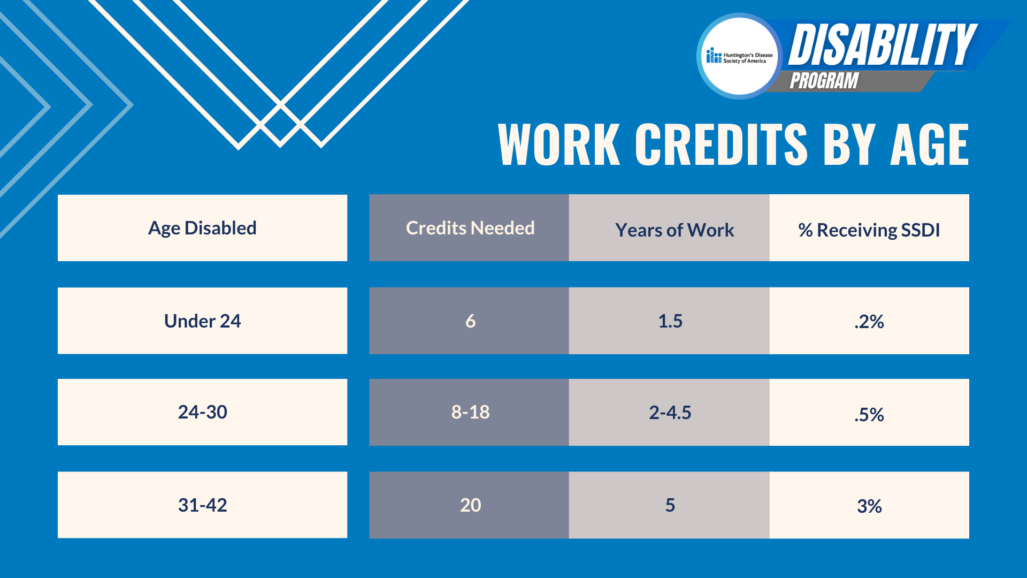
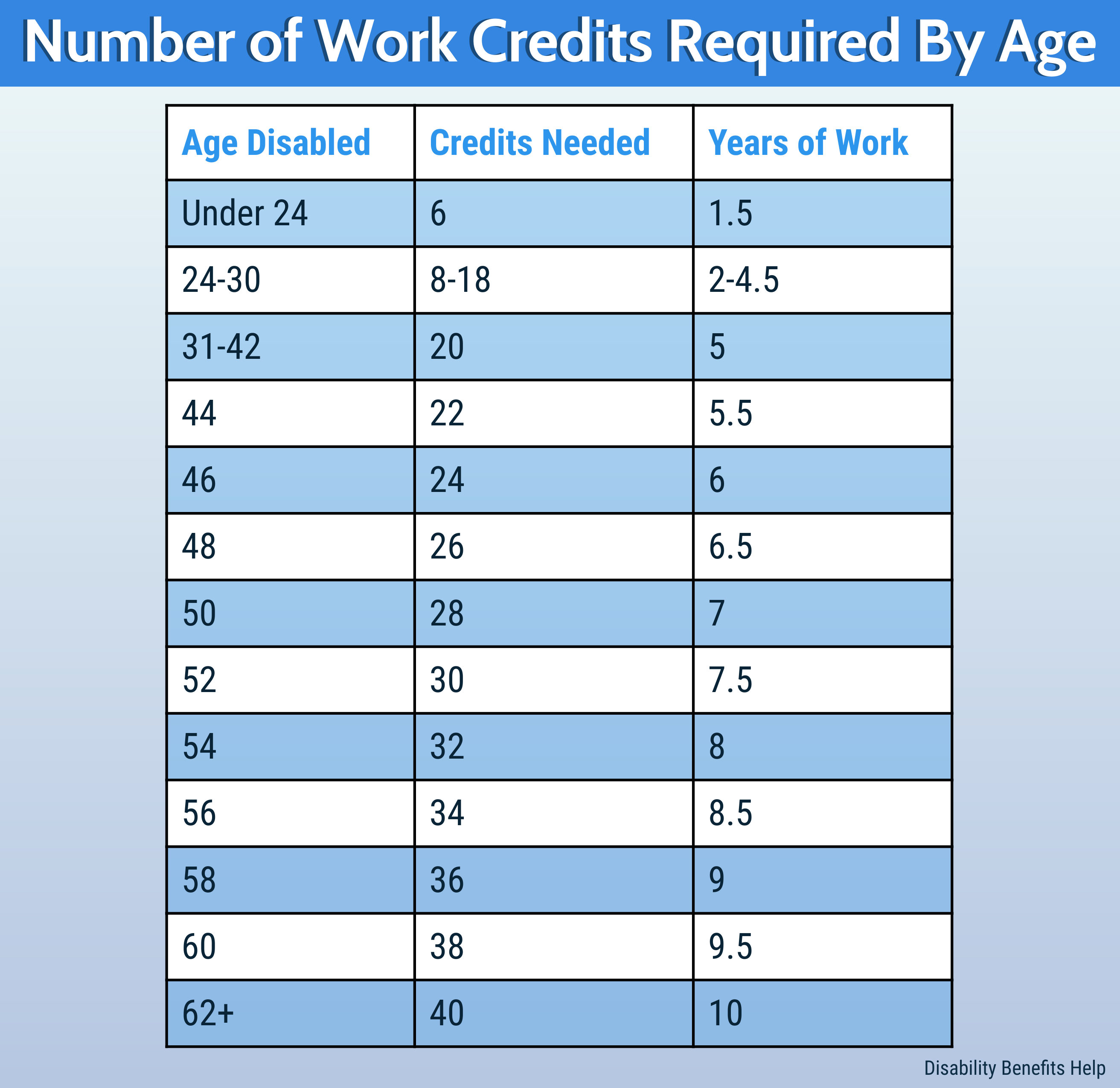
Disability Benefits: If you become disabled and are unable to work, Social Security Disability Insurance (SSDI) can provide income replacement. The number of credits required for disability benefits depends on your age at the time of disability, but you typically need 20 credits earned in the last 10 years ending with the year your disability began. Younger workers may qualify with fewer credits.
-
Survivors Benefits: In the unfortunate event of your death, your spouse, children, or dependent parents may be eligible for survivor benefits. The number of credits needed for your family to receive these benefits also depends on your age at the time of death, with the general requirement being 40 credits for your family to receive full benefits.
-
Medicare Eligibility: While separate from Social Security retirement benefits, your eligibility for premium-free Medicare Part A (hospital insurance) is also tied to your work history and the accumulation of Social Security work credits. Generally, you need 40 credits to qualify for premium-free Part A.
Without the requisite number of work credits, individuals and their families may find themselves without these essential protections, highlighting the critical role of understanding and tracking your credit accumulation.
How Work Credits Pave the Way to Benefits
The work credit system is designed to ensure that those who contribute consistently to the Social Security trust funds are the ones who ultimately benefit. Each credit you earn contributes to your “insured status” with the Social Security Administration (SSA). Achieving “fully insured status,” typically by accumulating 40 credits, is the benchmark for most retirement benefits. This status signifies that you have worked long enough under Social Security to qualify for lifetime retirement benefits for yourself, and for your dependents to receive certain survivor benefits.
Even if you don’t reach fully insured status, you might achieve “currently insured status” with fewer credits, which can still provide some level of survivor or disability benefits for your family, though usually on a more limited basis. The specific rules for different types of benefits and individual circumstances make tracking your credits an indispensable part of your long-term financial strategy.
Earning Your Work Credits Annually
The process of earning work credits is relatively straightforward, yet it requires an understanding of the annual thresholds and maximums set by the Social Security Administration.
The Annual Earning Threshold
As mentioned, you earn one work credit for a specific amount of earnings that is subject to Social Security taxes. This amount is adjusted annually based on the national average wage index. For 2024, that amount is $1,730 per credit. This means if you earn at least $1,730, you get one credit. If you earn $3,460, you get two credits, and so on.
This system is designed to be equitable. It doesn’t matter when you earn the money during the year, or how many hours you work, only the total amount earned. For instance, if you work a temporary job for two months and earn $6,920, you’ve already earned your four credits for the year, even if you don’t work for the remaining ten months. Conversely, someone who works part-time all year but only earns, say, $3,000, would only receive one credit, as $3,000 is between $1,730 (1 credit) and $3,460 (2 credits).
Maximum Credits Per Year
A critical point to remember is the cap on earning credits: you can only earn a maximum of four work credits in any given year. This rule applies irrespective of how high your earnings are. If you earn $100,000 in a year, you still only receive four credits. This effectively means that after approximately ten years of full-time work (assuming you meet the earnings threshold each year), you will typically have accumulated the 40 credits needed for retirement benefits.
This maximum simplifies the credit-earning process, emphasizing consistent contribution over exceptionally high earnings in a single year. It ensures that even individuals with relatively modest but consistent earnings can qualify for benefits, rather than prioritizing only high-income earners.
The Impact of Self-Employment and Wages
The source of your earned income generally doesn’t affect your ability to earn work credits, as long as that income is subject to Social Security taxes.

-
W-2 Wages: If you are an employee, your employer withholds Social Security taxes (FICA taxes) from your paycheck. These earnings are automatically reported to the SSA, and your work credits are recorded.
-
Self-Employment Income: If you are self-employed, you are responsible for paying self-employment taxes (SECA taxes), which cover both Social Security and Medicare. Your net earnings from self-employment are used to calculate your work credits. It’s crucial for self-employed individuals to accurately report their income and pay these taxes, as failing to do so can result in a lack of work credits and, consequently, a lack of eligibility for future benefits. Proper financial record-keeping and tax filing are therefore paramount for the self-employed to secure their Social Security future.
Determining Eligibility: The 40-Credit Rule and Beyond
While the general rule of 40 credits is widely known for retirement benefits, the nuances of eligibility can vary, especially for disability and survivor benefits, or for those who started working later in life.
Quarters of Coverage vs. Work Credits
Historically, Social Security used the term “quarters of coverage.” While the current system uses “work credits,” the fundamental concept remains the same: units of work that determine eligibility. It’s important to understand that you don’t need to work a full calendar quarter to earn a credit. If you meet the earnings threshold for one credit within any period of the year, you earn that credit for that year. The credit is earned when the earnings are posted, not necessarily when the work occurs or when you work a specific number of months within a quarter.
Fully Insured Status: The Golden Standard
For the vast majority of people planning for retirement, achieving “fully insured” status is the primary goal. This typically requires 40 work credits. Once you have 40 credits, you are permanently insured for retirement benefits, meaning you will receive benefits once you reach the eligible age, even if you stop working altogether after earning those credits. These 40 credits don’t need to be earned consecutively; they can be accumulated over your entire working life. For example, if you work for 5 years, take 10 years off, and then work for another 5 years, you would still accumulate 40 credits (4 credits/year x 10 years = 40 credits), making you fully insured.
Special Rules for Younger Workers and Survivors
The Social Security system recognizes that younger workers may not have had the opportunity to accumulate 40 credits before experiencing disability or death. Therefore, different requirements apply:
-
Disability Benefits: For disability, eligibility is based on a combination of total credits and credits earned recently. Generally, you need 20 credits in the 10 years immediately before your disability began if you are age 31 or older. Younger workers need fewer credits. For example, if you become disabled before age 24, you might need only 6 credits earned in the 3-year period ending when your disability started.
-
Survivor Benefits: The number of credits needed for your family to receive survivor benefits also varies. A person generally needs 6 credits in the three years prior to their death for certain benefits to be paid to their surviving children and spouse caring for those children. If the deceased was fully insured (40 credits), a wider range of family members (spouse, children, dependent parents) may be eligible for benefits.
These provisions demonstrate the system’s flexibility in providing protection across different life circumstances, emphasizing the need to track your work credits regardless of your age or current health status.
Tracking Your Progress and Planning for Retirement
Given the fundamental importance of work credits to your financial security, proactively tracking your progress and understanding your Social Security statement is an indispensable part of comprehensive personal finance management.
Accessing Your Social Security Statement
The easiest and most reliable way to monitor your work credits and estimated future benefits is by regularly checking your Social Security Statement. You can access your statement online by creating a secure “my Social Security” account at the official Social Security Administration website (ssa.gov). This online portal allows you to:
-
View your detailed earnings record throughout your career.
-
See the number of work credits you have accumulated to date.
-
Obtain personalized estimates of your future retirement, disability, and survivor benefits.
The SSA also mails statements to workers nearing retirement age (typically age 60) who do not have an online account. However, relying on the online account provides real-time access and greater control.
What to Look For on Your Statement
When you review your Social Security Statement, pay close attention to several key sections:
-
Your Earnings Record: This is crucial. It lists your reported earnings for every year you’ve worked. Verify that these amounts are correct, as errors can directly impact your work credits and future benefit calculations.
-
Your Work Credits: The statement will clearly indicate how many work credits you have accumulated to date and how many more you need to become fully insured.
-
Estimated Benefits: The statement provides estimates for retirement benefits at different ages (e.g., age 62, full retirement age, age 70), as well as potential disability and survivor benefits. These estimates are based on your current earnings record and projections of your future earnings.
Correcting Errors and Ensuring Accuracy
It is imperative to review your earnings record for accuracy. Employers can make mistakes, or income may be misreported. If you find any discrepancies in your earnings record, especially for recent years, contact the Social Security Administration immediately to correct them. You may need to provide documentation such as W-2 forms or tax returns to support your claim. Correcting errors promptly ensures that your work credits are accurately recorded, which is vital for your future eligibility and benefit amounts.
Proactive Planning for Retirement Security
Understanding your work credits empowers you to make proactive financial decisions. If you are close to retirement age and discover you are short on credits, you might consider working a few more years, even part-time, to reach the 40-credit threshold. If you’re younger, regularly checking your statement ensures you’re on track and can address any earning discrepancies early.
Calculating and tracking your Social Security work credits is far more than a bureaucratic chore; it’s a foundational element of personal financial planning. It directly impacts your ability to receive essential retirement income, disability protection, and survivor benefits for your loved ones. By understanding how credits are earned, regularly reviewing your Social Security statement, and proactively addressing any issues, you take a significant step towards securing your financial future and ensuring that the Social Security safety net is there for you when you need it most.
aViewFromTheCave is a participant in the Amazon Services LLC Associates Program, an affiliate advertising program designed to provide a means for sites to earn advertising fees by advertising and linking to Amazon.com. Amazon, the Amazon logo, AmazonSupply, and the AmazonSupply logo are trademarks of Amazon.com, Inc. or its affiliates. As an Amazon Associate we earn affiliate commissions from qualifying purchases.