
Lawn grubs, often overlooked until their damage becomes overtly apparent, represent a significant financial liability for homeowners, property managers, and businesses reliant on pristine landscapes. These larval stages of various beetle species, such as Japanese beetles, June bugs, and chafers, feed voraciously on the roots of turfgrass just beneath the soil surface. While the biological aspects of their life cycle are fascinating, the economic ramifications of an unchecked grub infestation are substantial, impacting property values, maintenance budgets, and long-term financial planning. Understanding “what are lawn grubs” from a monetary standpoint is crucial for proactive financial management of any green space.
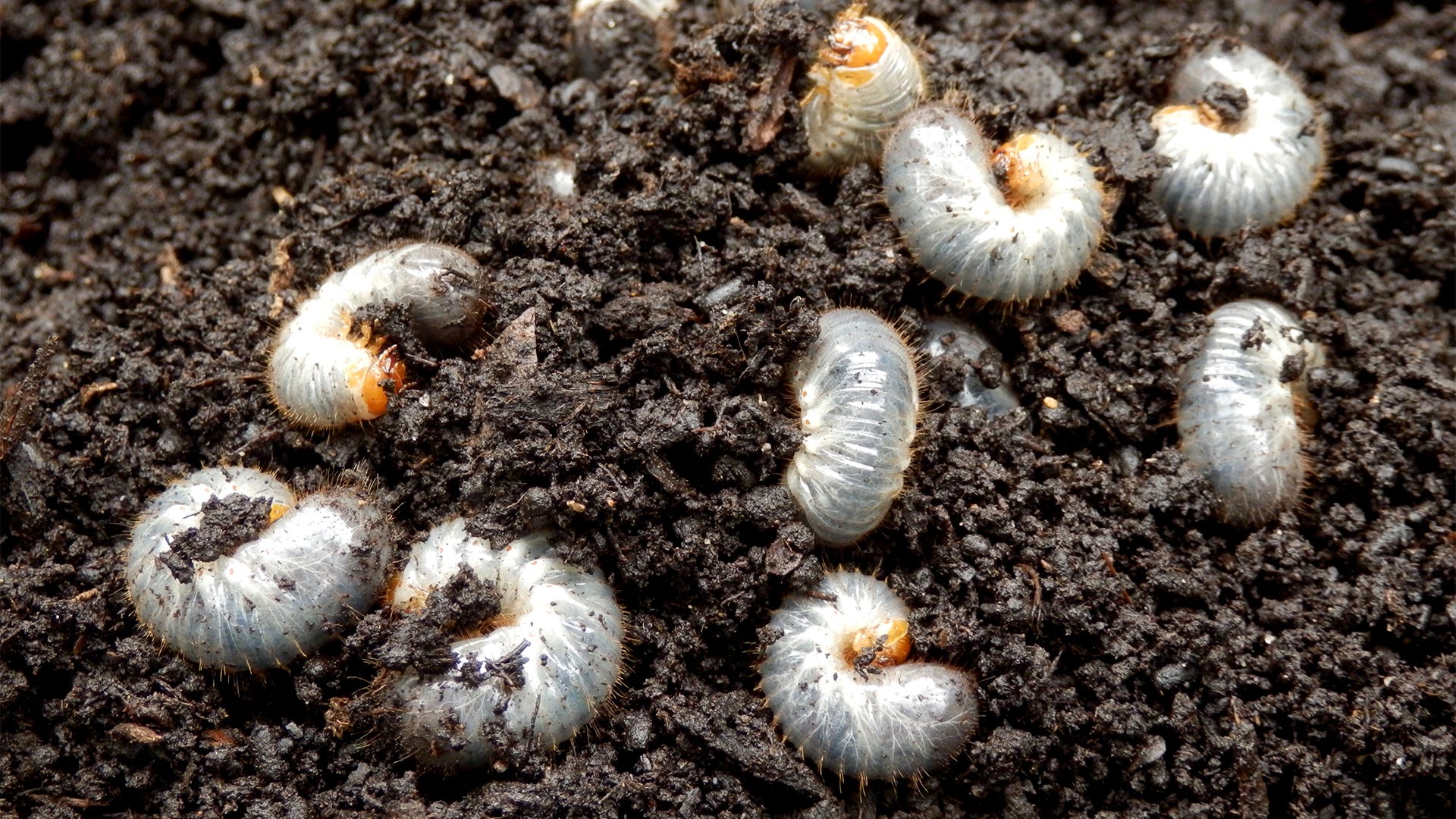
The Hidden Costs of Unseen Pests: Understanding Lawn Grub Damage
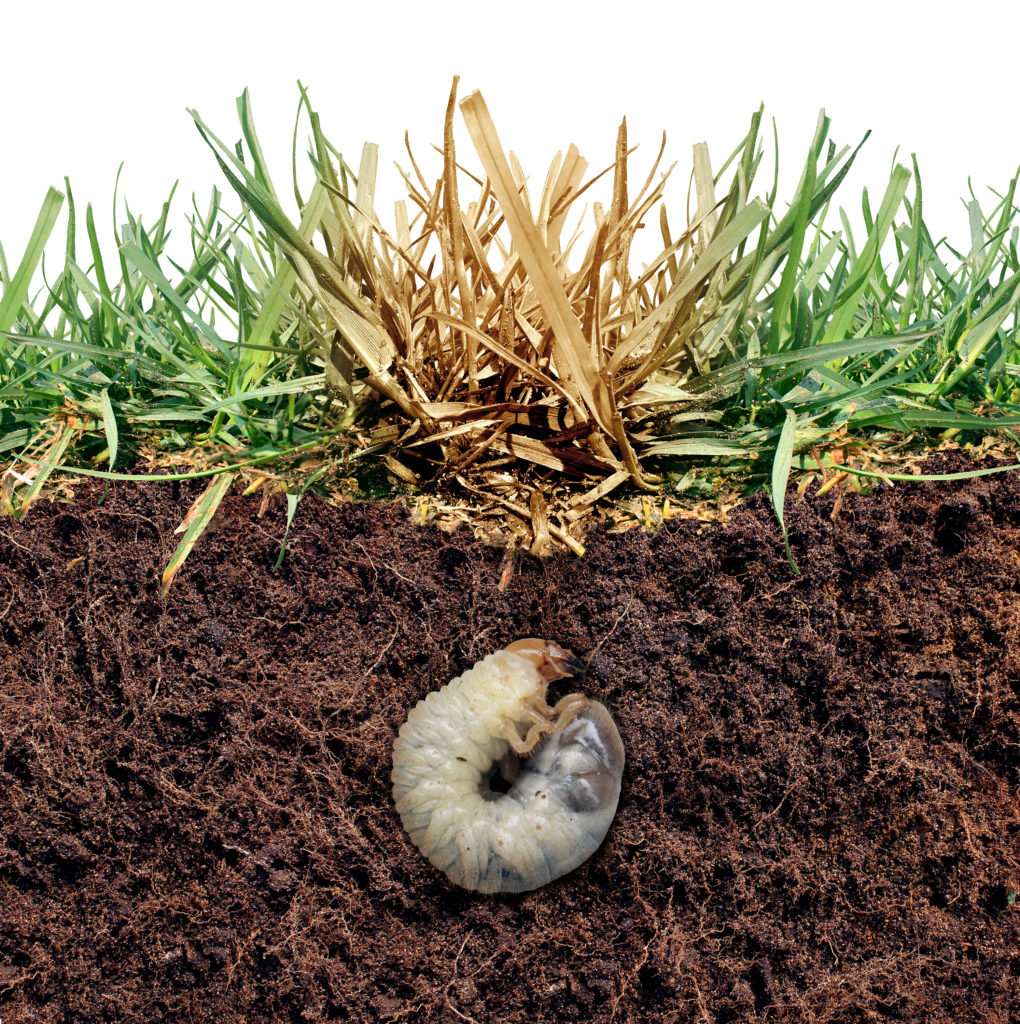
The initial signs of grub damage often mimic drought stress, leading many to underestimate the true cause and delay appropriate action. This misdiagnosis invariably escalates the financial burden. The damage grubs inflict is not merely aesthetic; it compromises the structural integrity of the lawn, leading to a cascade of financial consequences.
Identifying the Financial Impact of Grub Infestations
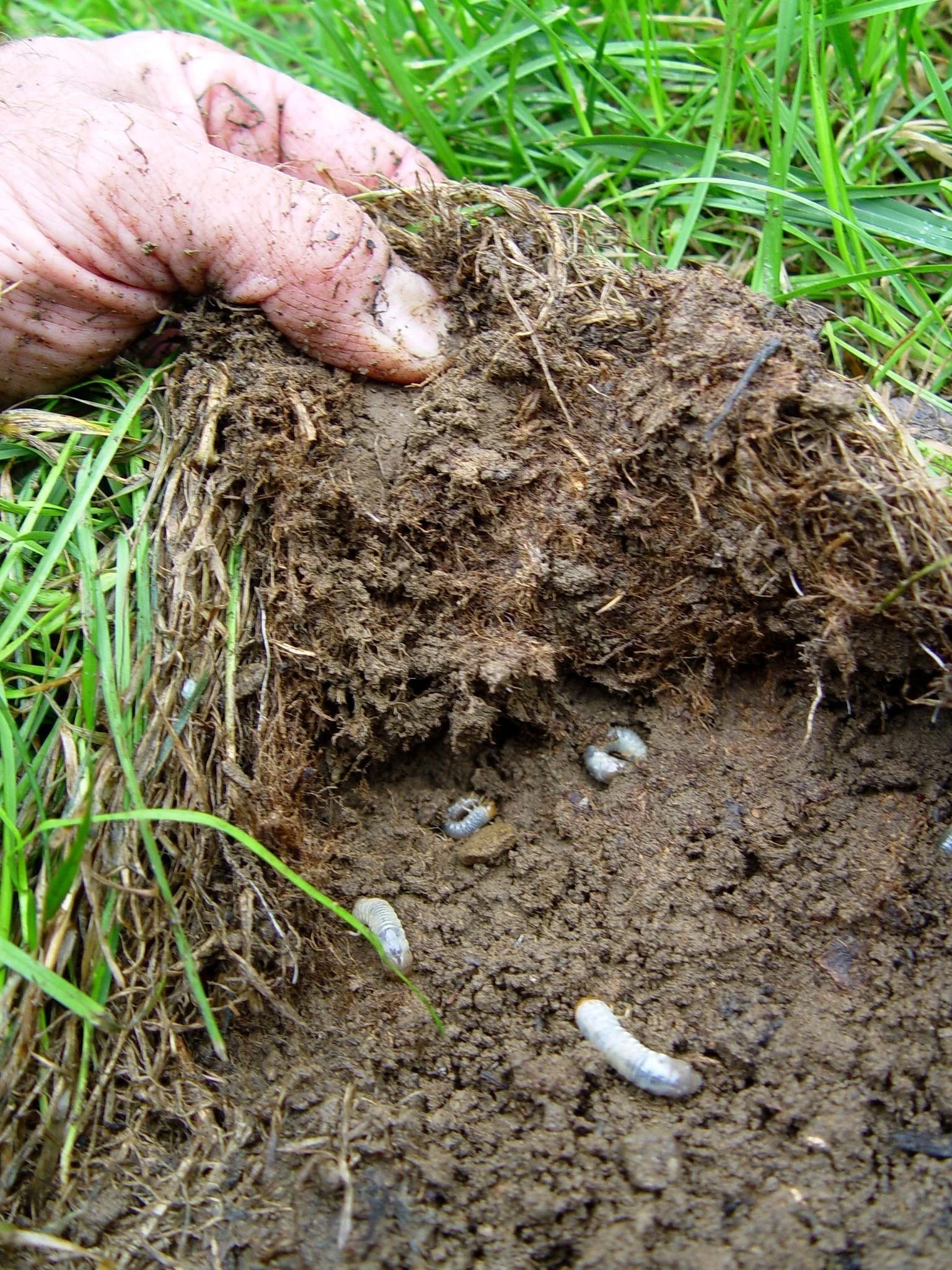
The financial impact of lawn grubs begins subtly but can rapidly grow. Early indicators, such as irregularly shaped patches of brown, dying grass that peel back like a carpet, signal a severe root compromise. This damage is a direct result of grubs severing the grass from its water and nutrient supply. For a homeowner, this translates into potential expenses for extensive repair. For a landscaping business, it can mean costly re-dos, loss of client trust, and damaged reputation. Consider a commercial property with significant lawn areas; an infestation could lead to not only repair costs but also a depreciated appearance that deters clients or tenants, impacting revenue streams.
Beyond the visible damage, grubs attract secondary pests. Moles, skunks, and birds, drawn by the readily available food source, will dig up the lawn even further, exacerbating the problem and adding another layer of repair costs. Each divot and torn-up patch signifies additional labor, materials, and time investment required to restore the aesthetic and functional value of the turf.
Direct Repair Costs: Resodding, Reseeding, and Remediation
Once an infestation is confirmed and the damage is extensive, the most immediate financial impact comes from the direct costs of repair. These costs vary significantly depending on the severity of the damage, the size of the affected area, and the chosen remediation method.
- Reseeding: While often the least expensive option upfront, reseeding a grub-damaged lawn requires significant preparation (removing dead turf, soil amendment), consistent watering, and patience. The cost of quality grass seed, starter fertilizers, and irrigation can add up, not to mention the opportunity cost of the time invested. Moreover, newly seeded lawns are delicate and susceptible to further damage if the grub problem isn’t completely resolved, leading to repeat expenses. For large areas, this can quickly become thousands of dollars in materials alone, before factoring in labor.
- Sodding: For immediate aesthetic restoration and quicker establishment, sodding is a popular choice, but it comes with a substantially higher price tag. The cost of sod per square foot, delivery, and professional installation can range from hundreds to thousands of dollars, even for a moderately sized residential lawn. This premium expense is justified for properties where curb appeal is paramount or where rapid recovery is essential, such as properties on the market or high-traffic commercial zones.
- Professional Remediation: Beyond just replacing grass, addressing the grub population itself often requires professional intervention. Insecticide applications, whether chemical or biological, have an associated cost. A single treatment can range from a few hundred dollars to over a thousand for larger properties. These treatments are an investment aimed at preventing future damage and protecting the new turf, but they represent an additional line item in the budget. Neglecting the grub treatment and simply replacing the grass is akin to patching a leaky roof without fixing the underlying structural issue – it’s a temporary fix that guarantees recurring costs.
Protecting Your Investment: Lawn Grubs and Property Value
For most homeowners, a well-maintained lawn is more than just a patch of grass; it’s an integral part of their property’s overall appeal and, consequently, its market value. Lawn grubs directly threaten this asset.
Curb Appeal as a Financial Asset
Curb appeal is not merely a subjective aesthetic preference; it’s a measurable financial asset. Studies consistently show that well-landscaped homes command higher selling prices and spend less time on the market. A lush, healthy lawn is often the first impression a potential buyer or client receives. Conversely, a grub-damaged lawn—characterized by unsightly brown patches, chewed-up turf, and visible digging from secondary predators—can significantly detract from this crucial first impression.
A neglected lawn sends a signal of neglect for the entire property. In a competitive real estate market, buyers often associate poor lawn condition with potential underlying issues or deferred maintenance throughout the house, leading them to either pass on the property or demand a lower price. This translates into a direct loss of potential equity for the seller. For rental properties or commercial buildings, an unkempt exterior can deter prospective tenants or clients, directly impacting occupancy rates and revenue generation. The cost of repairing grub damage, therefore, can be viewed as an investment in maintaining or enhancing the property’s marketability and value.
Long-term Valuation Risks
Beyond immediate sales, persistent grub problems pose long-term valuation risks. Repeated infestations can weaken the soil structure, deplete essential nutrients, and make the lawn more susceptible to other diseases or environmental stressors. This cycle of damage and repair can lead to a perpetually unhealthy lawn, requiring ongoing, significant investment to maintain even a semblance of health.
For homeowners, this translates into a higher total cost of ownership. For businesses, particularly those in property management or real estate development, a reputation for poorly maintained landscapes can negatively impact brand image and future development prospects. The inability to consistently deliver high-quality, attractive green spaces can erode trust and reduce the perceived value of their offerings. Over time, recurring grub issues can be seen as an embedded liability, perpetually draining resources from the overall property maintenance budget. Investing in a long-term grub management strategy is, therefore, an investment in the sustained financial health and appeal of the property.
The Economics of Prevention vs. Treatment: Strategic Financial Planning for Lawn Care
When it comes to managing lawn grubs, the adage “an ounce of prevention is worth a pound of cure” holds significant financial weight. Strategic financial planning for lawn care heavily favors proactive measures over reactive crisis management.
Proactive Spending: Mitigating Future Liabilities
Investing in preventative grub control is a prime example of smart financial planning in property management. Preventative treatments, typically applied in late spring or early summer, target grubs in their nascent stages before they can cause widespread damage. The cost of these treatments is generally lower than the cost of repairing extensive damage later. For instance, a preventative application for a standard residential lawn might cost a few hundred dollars. Compare this to thousands for resodding or even high hundreds for reseeding, plus the labor and time invested, and the financial benefit of prevention becomes clear.
Beyond direct costs, preventative spending also mitigates indirect financial liabilities. It preserves the lawn’s health, maintaining curb appeal and property value without interruption. There’s no period of unsightly brown patches, no frustrated efforts to revive dead grass, and no lost income from properties with compromised aesthetics. This approach allows for predictable budgeting and avoids sudden, large, and often unbudgeted expenses that can disrupt personal or business finances. For businesses, consistent preventative care contributes to client satisfaction and brand reputation, both intangible assets with significant long-term financial value.
Reactive Expenses: The Price of Neglect
In contrast, a reactive approach to grub management—waiting until damage is severe before taking action—is almost always more expensive. The price of neglect includes not only the higher costs of repair but also a range of less obvious financial drains.
- Increased Treatment Costs: Treating an established grub infestation often requires stronger, more targeted insecticides and potentially multiple applications, which are inherently more expensive than preventative measures.
- Higher Labor and Material Costs: Resodding or reseeding large damaged areas demands significant labor and material investment. This can range from hiring professional landscapers at premium rates for urgent repairs to spending countless hours of one’s own time, representing a considerable opportunity cost.
- Loss of Property Value/Revenue: As discussed, a damaged lawn can reduce property marketability, leading to lower sale prices or extended time on the market. For rental properties or businesses, this can translate directly into lost rental income or diminished customer traffic.
- Stress and Time Costs: The psychological burden of dealing with a severely damaged lawn, researching solutions, and overseeing repairs also has an unquantifiable but real cost in terms of personal time and stress.
Evaluating Treatment Options: DIY vs. Professional Services
Another financial consideration is the choice between DIY grub treatment and hiring professional lawn care services.
- DIY Costs: A DIY approach can save on labor costs but requires an investment in knowledge, time, and materials. Homeowners must research effective pesticides or biological controls, purchase applicators, and dedicate time to application and follow-up. While seemingly cheaper upfront, mistakes in application (wrong product, incorrect timing, uneven coverage) can lead to ineffective treatment, requiring repeat purchases and prolonging the problem, ultimately costing more. Furthermore, the opportunity cost of one’s time should be factored in; what financial activities could be pursued instead of lawn care?
- Professional Service Costs: Hiring a professional service involves a direct financial outlay, but it often provides superior results and peace of mind. Professionals have access to commercial-grade products, specialized equipment, and expert knowledge regarding grub identification, life cycles, and optimal treatment timing. Their efficiency and effectiveness can save money in the long run by preventing recurring infestations and costly damage. For those whose time is valuable or who lack the expertise, the higher direct cost of professional service is often a financially sound investment, ensuring the job is done correctly the first time and protecting the overall lawn investment.
Budgeting for a Healthy Lawn: Integrating Grub Management into Your Financial Plan
Effective financial management of a property includes anticipating and budgeting for all aspects of its upkeep, and lawn care, including grub management, should be no exception. Integrating these costs into your financial plan helps ensure long-term property health and prevents unexpected financial strains.
Estimating Annual Lawn Care Expenses
A comprehensive annual budget for lawn care should move beyond just mowing. It should include line items for fertilization, weed control, aeration, and critically, pest management. Estimating these expenses proactively allows for informed decision-making and resource allocation. For grub control specifically, homeowners and property managers should budget for either one or two preventative applications per year, or a reactive treatment fund if they choose to manage risks differently.
Factors influencing these estimates include:
- Lawn Size: Larger lawns naturally incur higher material and labor costs.
- Geographic Location: Pest prevalence varies by region, influencing the necessity and frequency of treatments.
- Past History: Properties with a history of grub infestations should allocate more to preventative measures.
- Desired Aesthetic Quality: A meticulously maintained lawn for high-value properties will have a higher budget than a purely functional green space.
By creating a realistic budget, property owners can avoid tapping into emergency funds or deferring necessary treatments, which, as established, leads to greater costs down the line.
The Return on Investment of Proper Lawn Maintenance
Viewing lawn care, and specifically grub management, as an investment rather than merely an expense is key to understanding its financial value. The return on investment (ROI) for proper lawn maintenance is multifaceted:
- Preservation of Property Value: A healthy lawn directly contributes to curb appeal and market value, potentially increasing resale value by 5-15% and facilitating quicker sales. Preventing grub damage protects this significant asset.
- Avoidance of Costly Repairs: Investing in preventative grub control can save hundreds to thousands of dollars in potential damage repair costs, including materials, labor, and potential re-applications.
- Enhanced Livability and Enjoyment: While less tangible, a beautiful, pest-free lawn enhances quality of life, offering a pleasant outdoor space for recreation and relaxation, which contributes to overall well-being and property satisfaction. This emotional return can be significant, justifying the financial outlay.
- Business Reputation and Client Attraction: For commercial properties, well-maintained landscapes attract and retain clients, enhancing brand image and contributing to revenue stability.
Ultimately, understanding what lawn grubs are—not just biologically, but as a financial threat—empowers property owners to make informed, strategic decisions. Proactive budgeting and investment in grub prevention and management are not expenditures; they are essential components of responsible financial stewardship for any property with a lawn, ensuring its beauty, health, and value are preserved for years to come.
aViewFromTheCave is a participant in the Amazon Services LLC Associates Program, an affiliate advertising program designed to provide a means for sites to earn advertising fees by advertising and linking to Amazon.com. Amazon, the Amazon logo, AmazonSupply, and the AmazonSupply logo are trademarks of Amazon.com, Inc. or its affiliates. As an Amazon Associate we earn affiliate commissions from qualifying purchases.