
The facial cleanser market has evolved from a simple commodity sector into a high-stakes arena of brand strategy and consumer psychology. When a consumer asks, “What is the best facial cleanser?” they are rarely looking for a chemical breakdown of surfactants. Instead, they are looking for a brand promise that aligns with their identity, solves a specific pain point, and justifies a price point through perceived value. For marketers and brand strategists, the cleanser aisle serves as a masterclass in positioning, market segmentation, and the power of the “hero product.”
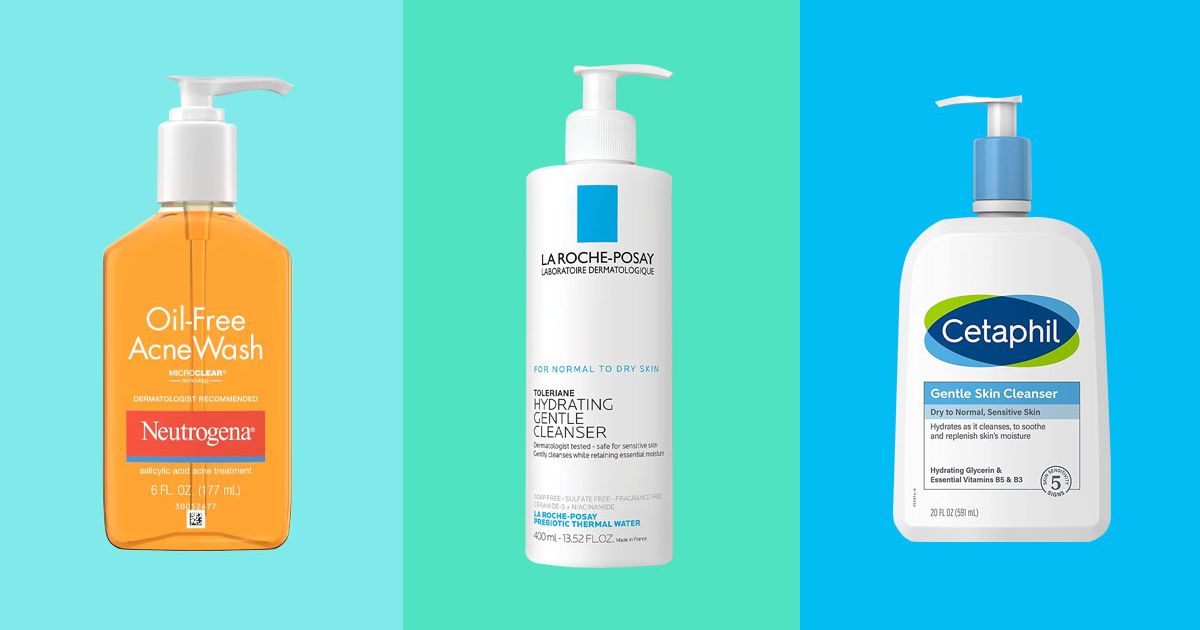
The Architecture of Brand Positioning in Skincare
In a saturated marketplace, the “best” product is rarely the one with the most advanced formula, but rather the one with the most coherent brand narrative. Brands that dominate the facial cleanser category have mastered the art of positioning. They do not just sell soap; they sell a lifestyle, a scientific breakthrough, or an ethical stance.
Defining the Target Persona
The most successful facial cleansers are built upon a foundation of hyper-focused audience segmentation. A luxury brand like La Mer targets the high-net-worth individual who views skincare as an investment in self-care and status. In contrast, a brand like CeraVe captures the trust of the “science-backed” consumer by emphasizing dermatologist partnerships and accessible efficacy.
When a brand decides to launch a cleanser, the strategic question is not “What should be in this bottle?” but “Whose vanity shelf does this belong on?” Every touchpoint—from the minimalist typography on the bottle to the influencer partnerships on social media—is designed to reinforce this persona. If the messaging is inconsistent, the brand equity erodes immediately.
The Power of the Hero Product
A facial cleanser is often the “entry-level” product in a brand’s portfolio. It serves as the primary hook for customer acquisition. A well-executed cleanser acts as a gateway; once a consumer trusts the brand to wash their face without irritation, they are significantly more likely to purchase a serum, moisturizer, or sunscreen from the same line. Strategy-driven brands leverage their cleanser as a high-frequency replenishment item, ensuring consistent brand exposure in the customer’s daily routine. This is the bedrock of customer lifetime value (CLV) in the beauty industry.
The Psychology of Efficacy and Trust
Trust is the currency of the skincare industry. Because the product is applied directly to the body’s largest organ, the barrier to entry is high. Brands must navigate the “trust deficit” by utilizing social proof, third-party validation, and transparent branding.
The Dermatologist-Led Narrative
There has been a seismic shift toward “clinical” branding. Consumers have become increasingly skeptical of traditional marketing fluff, opting instead for brands that wear their laboratory credentials on their sleeves. This has led to the rise of clinical-grade cleansers that use medical imagery, sterile color palettes, and jargon-heavy marketing to establish authority. By aligning with the medical community, brands mitigate the risk of the consumer feeling like they are buying into a “fad.” The “best” cleanser, in this context, is the one that carries the perceived weight of a prescription.
Aesthetic Minimalism as a Branding Tool
Minimalist design is more than a trend; it is a signal of efficacy. By stripping away ornate packaging and chaotic, feature-heavy copy, brands communicate that they have nothing to hide. This visual language implies that the formula is the primary focus. For a brand, adopting a “less is more” aesthetic serves two purposes: it appeals to the modern consumer’s desire for decluttered living, and it signals that the brand is confident enough in its product performance to forgo aggressive marketing theatrics.
Pricing Strategy and Perceived Value

The facial cleanser category offers a fascinating look at price elasticity. From the $5 drugstore staple to the $100 luxury emulsion, pricing is rarely dictated by ingredient cost alone. Instead, it is a reflection of brand positioning and the “prestige gap.”
The Luxury Premium
Luxury cleansers often employ a strategy of exclusivity. The pricing is intentional—it signals that the product is a luxury commodity, perhaps containing rare ingredients or utilizing proprietary technology that justifies the cost. For these brands, lowering the price would actually damage the brand equity, as it would signal a move away from the elite positioning they have cultivated. The “best” cleanser here is synonymous with the “most exclusive.”
The Value-Driven Mass Market
On the other end of the spectrum, mass-market brands compete through efficiency, scale, and high-velocity distribution. Their strategy relies on being the “everyday essential.” By maintaining a low price point and high availability, these brands maximize market penetration. They win by being the default choice—the cleanser that is always in stock and easy to pick up during a weekly grocery run. In this segment, the “best” cleanser is defined by reliability and accessibility.
Content Marketing and Consumer Education
Modern brand strategy in skincare is inseparable from content marketing. The brands that win are those that provide value before they extract value. Education has become a competitive advantage.
Influencer Marketing and Social Proof
The “best” cleanser is often the one that has been validated by an influencer the consumer trusts. This is a critical component of modern brand strategy. Consumers no longer trust corporate commercials; they trust peer reviews, “Get Ready With Me” videos, and testimonials on platforms like TikTok and Instagram. Brands that strategically seed their products with micro-influencers—those who have smaller but highly engaged audiences—often see higher conversion rates than those relying on A-list celebrity endorsements. This strategy turns the consumer into an advocate, creating a viral feedback loop that lowers customer acquisition costs.
The Role of Content as a Service
Top-tier brands now function as content houses. They publish articles, run webinars, and host skin-analysis tools that help the user identify their skin type. By positioning the brand as an expert educator, they solve the user’s problem—”Which cleanser do I need for my oily, acne-prone skin?”—and position their product as the logical solution. This content-led approach builds long-term brand loyalty. When a consumer learns from a brand, they feel a sense of reciprocity and are more likely to remain committed to that brand throughout their skincare journey.
Future-Proofing the Brand Identity
The facial cleanser market is subject to constant disruption from emerging trends such as sustainability, clean beauty, and ingredient transparency. A brand’s ability to pivot without losing its core identity is the ultimate test of its strategic strength.
Sustainability as a Brand Pillar
“Greenwashing” is no longer an effective strategy; today’s consumers are savvy enough to interrogate supply chains and packaging materials. Brands that integrate sustainability into their core DNA—rather than treating it as an afterthought—are securing future market share. Whether it is refillable packaging, carbon-neutral shipping, or ethically sourced ingredients, sustainability is now a core marketing pillar. The “best” cleanser of the future will be the one that balances efficacy with a demonstrably low environmental footprint.
Data-Driven Personalization
We are entering the era of hyper-personalization. With the integration of AI-driven skin analysis tools, brands are now able to recommend specific cleansers based on real-time data. This creates a highly personalized customer experience that traditional retail cannot match. Brands that embrace this technology will redefine what it means to be the “best.” By moving from a “one-size-fits-all” product to a “made-for-you” solution, brands can create a level of lock-in that is nearly impossible to disrupt.
In conclusion, the question of which facial cleanser is the “best” is a matter of branding, not just chemistry. While formulation is essential for retention, it is the strategic positioning, the clarity of the brand narrative, and the ability to build trust that ultimately define market leaders. For any company operating in this space, success lies in the ability to bridge the gap between scientific efficacy and emotional resonance, ensuring that their product isn’t just another bottle on the shelf, but a vital component of the consumer’s daily life.
aViewFromTheCave is a participant in the Amazon Services LLC Associates Program, an affiliate advertising program designed to provide a means for sites to earn advertising fees by advertising and linking to Amazon.com. Amazon, the Amazon logo, AmazonSupply, and the AmazonSupply logo are trademarks of Amazon.com, Inc. or its affiliates. As an Amazon Associate we earn affiliate commissions from qualifying purchases.