
Interpersonal problems are the friction points that arise within the dynamics of human interaction. While they are often viewed through the lens of psychology, in the modern professional landscape, these problems function as significant inhibitors to organizational success, team cohesion, and long-term brand equity. For businesses and individual professionals, understanding these conflicts is not merely an exercise in empathy—it is a critical component of strategic management and operational efficiency. When interpersonal discord remains unaddressed, it manifests as a silent drain on productivity, stifling innovation and eroding the structural integrity of a team.
The Anatomy of Professional Friction
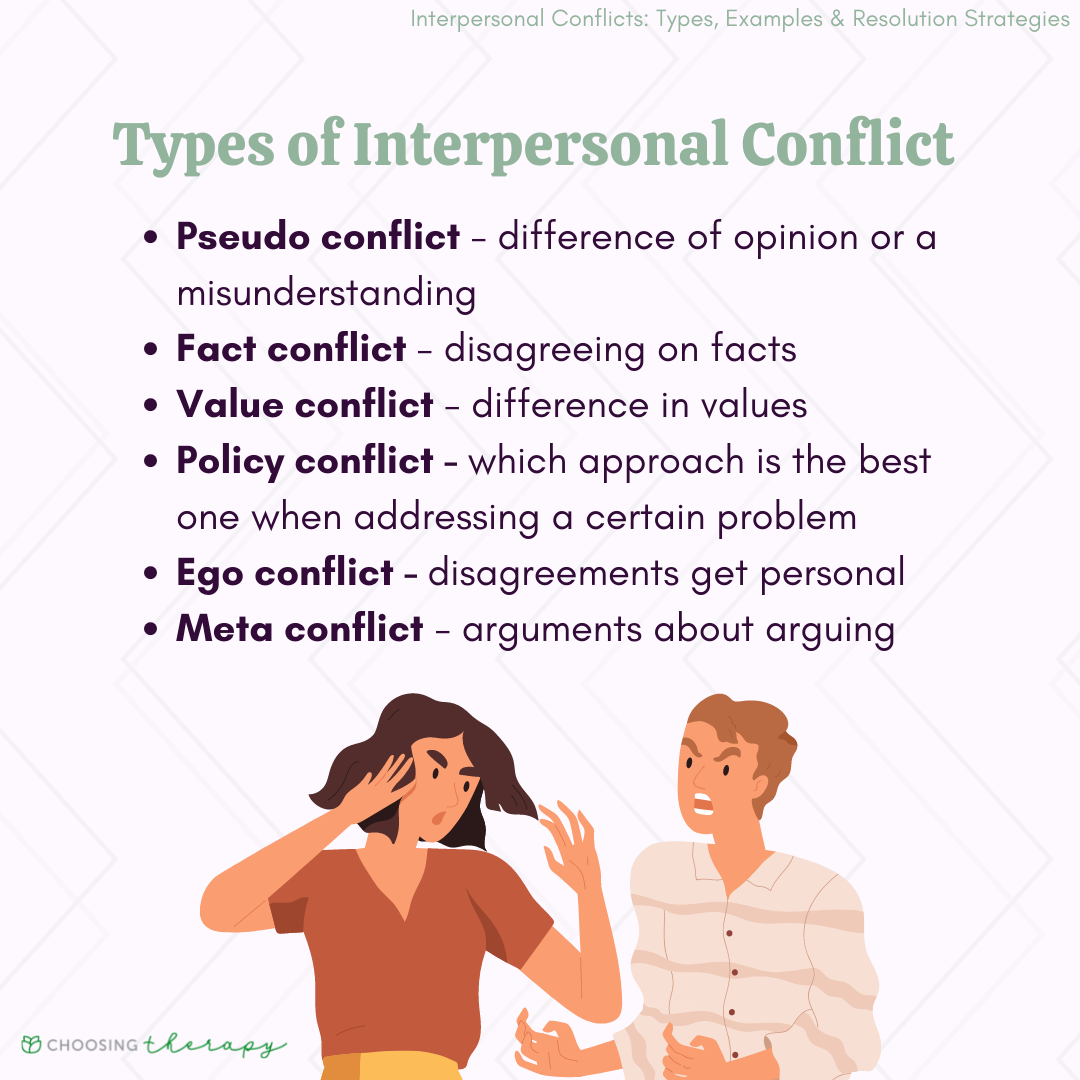
Interpersonal problems in a workplace setting rarely emerge from a vacuum. They are typically the byproduct of misaligned communication styles, competing objectives, or institutionalized cultural silos. Understanding the root of these conflicts requires dissecting them into manageable components that can be addressed systematically.
Communication Breakdowns
The most frequent catalyst for interpersonal friction is poor communication. This is rarely about the volume of information exchanged, but rather the clarity, intent, and reception of the message. In a high-pressure environment, ambiguity becomes a breeding ground for misunderstanding. When team members fail to articulate expectations clearly, or when feedback is delivered in a manner that triggers defensive reactions, trust is compromised. Over time, these minor misunderstandings accumulate, turning professional collaboration into a series of defensive maneuvers rather than productive exchanges.
Misaligned Expectations and Objectives
Disagreement over “how” a task should be accomplished is common, but discord over “why” a task is prioritized is catastrophic. Interpersonal problems often stem from divergent mental models regarding project goals. If one stakeholder views a software implementation as an opportunity for long-term scalability while another views it as a short-term cost-cutting exercise, friction is inevitable. Without a shared strategic roadmap, team members often blame the individual for the failure of the process, leading to personality-based conflicts that mask the deeper, systemic misalignment.
The Impact on Organizational Brand and Culture
Interpersonal problems do not stay confined to a private conversation between two employees. They propagate through an organization, impacting internal culture and, ultimately, the external perception of a brand. A team that operates in a state of high interpersonal tension inevitably produces work that reflects that instability.
Erosion of Team Cohesion
A team is a high-performance system, and like any system, its output is dependent on the fluidity of its internal components. When interpersonal problems go unmanaged, the “emotional tax” on staff increases. Employees spend more time navigating politics, managing micro-aggressions, or avoiding certain collaborators than they do solving complex business challenges. This leads to a decline in morale and, eventually, talent attrition. The cost of replacing high-performing staff due to toxic interpersonal dynamics is a significant, often overlooked, financial burden on corporate budgets.
The External Reflection of Internal Discord
Brands are built on consistency, and consistency requires a unified internal strategy. When departments or key individuals are locked in interpersonal struggle, the brand’s messaging becomes fragmented. Customers can sense a lack of internal alignment; it shows up in inconsistent customer service, disjointed marketing campaigns, and erratic product roadmaps. A brand that cannot reconcile its internal interpersonal differences will inevitably struggle to project a coherent value proposition to the marketplace.

Strategies for Mitigating Interpersonal Conflict
Addressing interpersonal problems requires a transition from reactive firefighting to proactive systemic design. Managers and leaders must treat interpersonal harmony as a core operational metric rather than a “soft skill” to be addressed only when a crisis erupts.
Establishing Structural Clarity
To prevent interpersonal problems before they start, organizations must prioritize clarity in role definition and communication protocols. Every individual should understand not only their functional responsibilities but also their impact on others’ workflows. When roles are poorly defined, turf wars occur. By implementing clear RACI (Responsible, Accountable, Consulted, Informed) matrices, leadership can eliminate the ambiguity that often serves as the primary fuel for interpersonal conflict. When everyone knows their boundaries and their dependencies, the temptation to engage in blame-shifting or territory-protecting behaviors is significantly reduced.
Implementing Feedback Loops
A culture of radical candor, executed with professional restraint, is essential. Many interpersonal problems fester because employees fear the repercussions of addressing a grievance directly. Organizations must normalize the practice of regular, low-stakes feedback sessions. These sessions should focus on objective work outputs rather than character assessments. By shifting the conversation from “You are difficult to work with” to “Our current process for handoffs is causing delays in the project timeline,” the issue is depersonalized. This transition is essential for maintaining a high-performance culture where critique is viewed as a tool for optimization rather than an attack.
Emotional Intelligence as a Business Asset
While technical proficiency is the baseline for recruitment, emotional intelligence (EQ) should be the primary filter for advancement. Leaders with high EQ possess the ability to de-escalate interpersonal tension by recognizing the emotional undercurrents of a situation before they manifest as outright conflict. Training staff in active listening, cognitive empathy, and conflict resolution techniques is an investment in human capital that yields measurable returns. A workforce that can navigate its own interpersonal differences is a workforce that remains resilient under market pressure.
Scaling Conflict Resolution into Corporate Strategy
As organizations grow, the complexity of interpersonal relationships increases exponentially. What works for a team of five is often insufficient for a company of five hundred. At scale, interpersonal problems must be addressed through the lens of organizational design.
Defining Behavioral Norms
Culture is not just what is said in a mission statement; it is the set of behaviors that are rewarded versus those that are tolerated. To minimize interpersonal problems, organizations must define the “rules of engagement.” This includes explicit guidelines on how disagreements should be escalated, how meetings should be conducted, and how inter-departmental conflict is resolved. When these norms are written into the DNA of the company, employees have a framework to reference, reducing the reliance on personal relationship dynamics to solve structural issues.

The Role of Leadership in Mediation
Ultimately, leaders set the temperature for the entire organization. If leadership avoids conflict, the entire workforce will learn to bury interpersonal issues, allowing them to metastasize into toxic organizational culture. Leaders must model the very behaviors they expect: transparency, direct communication, and a focus on collective results over individual ego. When a leader mediates an interpersonal dispute, their role is not to act as a judge but as a facilitator who guides the parties toward a solution that benefits the broader business objective.
By viewing interpersonal problems through the lens of professional strategy rather than personal annoyance, organizations can turn potential friction into a catalyst for growth. Conflict, when managed correctly, exposes the weaknesses in a system. By addressing these weak points through better communication, clearer roles, and a commitment to shared objectives, companies can forge stronger teams that are better equipped to handle the demands of the modern, competitive landscape. Interpersonal problems are an inevitable part of the human experience in the workplace, but they do not have to be the limiting factor of your organization’s potential. Success lies in the ability to convert these challenges into refined processes and tighter, more efficient collaborative structures.
aViewFromTheCave is a participant in the Amazon Services LLC Associates Program, an affiliate advertising program designed to provide a means for sites to earn advertising fees by advertising and linking to Amazon.com. Amazon, the Amazon logo, AmazonSupply, and the AmazonSupply logo are trademarks of Amazon.com, Inc. or its affiliates. As an Amazon Associate we earn affiliate commissions from qualifying purchases.