
For many, a trip to the movies is more than just watching a film; it’s an experience—a momentary escape into another world, complete with the aroma of popcorn and the immersive glow of the silver screen. AMC Theatres, as one of the largest and most recognizable cinema chains globally, often stands as the go-to destination for this classic form of entertainment. However, in an era of rising costs and diverse entertainment options, a crucial question for consumers is: “How much are movie tickets for AMC?” The answer, as many frequent moviegoers know, is far from simple, representing a nuanced blend of location, timing, format, and membership tiers that directly impact one’s personal finance and entertainment budget.

Understanding the financial landscape of movie ticket pricing at AMC is essential for making informed spending decisions. This article delves into the various factors that influence these costs, providing insights into average price ranges, exploring strategies to mitigate expenses, and ultimately helping you budget effectively for your next cinematic adventure. By dissecting the economics behind a night at the movies, we aim to equip you with the knowledge to maximize your entertainment value without overstretching your financial limits.
The Dynamic Spectrum of AMC Ticket Pricing
The price of an AMC movie ticket is not a fixed figure but rather a dynamic variable influenced by a multitude of interconnected factors. These variables are strategically employed by AMC to optimize revenue while catering to different market segments and consumer preferences. For the individual looking to manage their entertainment budget, recognizing these influences is the first step toward smart spending.
Core Determinants of Ticket Cost
Several fundamental elements directly impact the price you pay at the box office or online. Each contributes to the final dollar amount, reflecting both operational costs and market demand.
Geographic Location and Market Demographics
One of the most significant factors is the theatre’s geographical location. AMC operates in diverse markets, from bustling metropolitan centers to quieter suburban towns, and ticket prices often reflect the local cost of living and competition. The same film might cost significantly more in a high-rent urban area like New York City or Los Angeles compared to a smaller city in the Midwest. This is a direct consequence of varying operational expenses, including rent, utilities, and labor costs, which are naturally higher in premium locations. Furthermore, the local demographic and their average disposable income can also play a subtle role, allowing AMC to adjust prices based on what the market can reasonably bear.
Time of Day and Day of the Week
The concept of “peak pricing” is well-established in many industries, and movie theaters are no exception. Matinee showings, typically before 4:00 PM or 5:00 PM, are almost universally cheaper than evening screenings. This strategy encourages attendance during off-peak hours when demand would otherwise be lower. Similarly, weekday tickets (Monday through Thursday) are generally more affordable than weekend tickets (Friday through Sunday). Weekends, particularly Friday and Saturday evenings, represent the highest demand periods, allowing AMC to command premium prices. This tiered pricing model helps distribute crowds more evenly and maximizes revenue during prime times.
Film Release and Popularity
While not always a standalone variable, the popularity and recency of a film can subtly influence pricing. Highly anticipated blockbusters, especially during their opening weekend, might be priced at the higher end of the spectrum for standard tickets. Although AMC generally maintains consistent pricing for new releases, the overall pricing structure might be adjusted upwards during periods of high demand for popular films, compared to older releases or less mainstream cinema. Special limited engagements or event cinema (like concert films or live-streamed plays) may also have unique, often higher, pricing structures.
The Premium Experience: Format and Amenities
Beyond the standard viewing experience, AMC offers a range of premium formats that promise enhanced immersion and comfort, albeit at a higher financial cost. These options are designed for moviegoers willing to pay more for a superior cinematic experience.
IMAX, Dolby Cinema, and Other Premium Formats
The advent of advanced viewing technologies has introduced several premium formats, each carrying a significant surcharge. IMAX tickets, known for their larger screens, enhanced resolution, and powerful sound systems, typically add several dollars to the standard ticket price. Dolby Cinema elevates the experience further with state-of-the-art projection (Dolby Vision) and immersive audio (Dolby Atmos), often featuring luxurious reclining seats, all contributing to an even higher price point. Other premium large formats (PLFs) like Prime at AMC or proprietary formats may also exist, each with its own pricing tier reflecting the technological investment and perceived value. These formats represent a clear trade-off between cost and experience, allowing consumers to choose how much they are willing to invest in their viewing pleasure.
Recliner Seating and Reserved Seating
Many modern AMC theaters, especially those that have undergone recent renovations, feature luxurious electric recliners and fully reserved seating. While not always an explicit upcharge on its own (as it might be standard for that particular theatre), these amenities are often factored into a generally higher base ticket price compared to older theaters with traditional seating. The convenience of selecting your exact seat and the added comfort of recliners are significant draws for many, justifying the increased expenditure. This upgrade in comfort and convenience enhances the overall value proposition, even if it means a higher ticket price.
Navigating the Average Cost and Financial Outlook
Understanding the average cost of an AMC movie ticket is crucial for budgeting, though it’s important to remember that this is a broad estimation given the numerous variables involved. The current economic climate, particularly inflation, also plays a significant role in shaping these prices.
Estimated Price Ranges Across Formats
While prices can fluctuate wildly based on the factors discussed, a general range can be established to help consumers anticipate costs.
-
Standard 2D Matinee (Weekday): You might expect to pay anywhere from $8 to $12. These are typically the most budget-friendly options, appealing to those with flexible schedules or looking for a more economical outing.
-
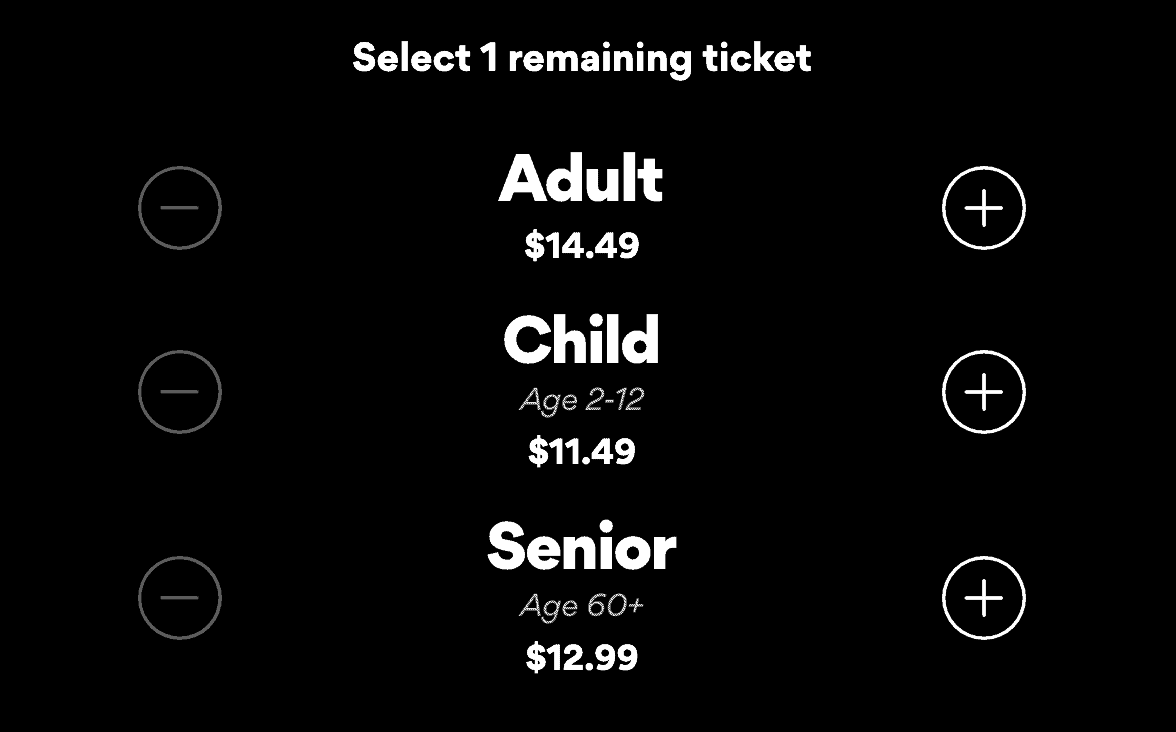
Standard 2D Evening (Weekend): For a prime-time showing on a Friday or Saturday night, prices usually range from $12 to $18. In high-cost urban areas, these could even push upwards of $20.
-
Premium Formats (IMAX, Dolby Cinema, etc.): Tickets for these enhanced experiences almost always come with a premium. Expect to add an additional $5 to $10 (or more) to the standard evening price, placing them in the $18 to $25+ range, particularly in major cities for popular new releases.
-
Child, Senior, and Student Discounts: Most AMC locations offer reduced prices for children (typically under 12), seniors (60 or 65+), and often students with valid ID. These discounts can save a few dollars per ticket, making a significant difference for families or those on fixed incomes. It’s always worth checking the specific theater’s policy.
These figures are averages and can vary. The best way to get an exact price is always to check the AMC website or app for your specific theatre, film, and showtime.
The Impact of Inflation and Economic Trends
The cost of a movie ticket isn’t immune to broader economic forces. Inflation, rising operational costs (labor, utilities, film distribution fees), and even the increasing investment in luxury amenities like recliners and advanced projection systems all contribute to upward pressure on ticket prices. In recent years, consumers have undoubtedly noticed a gradual increase in the cost of a night out at the movies. This trend reflects the general rise in the cost of living and the expense of maintaining a modern, high-quality entertainment venue.
Furthermore, AMC’s pricing strategy also considers the competitive landscape. With the proliferation of streaming services and sophisticated home theater setups, movie theaters must continuously justify their value proposition. This involves balancing ticket prices with the unique communal experience and technological superiority that a cinema offers, ensuring that the cost remains appealing relative to alternative entertainment options. The financial health of the cinema industry often hinges on finding this delicate equilibrium.
Mastering Your Movie Budget: Strategies for Savings
For the financially savvy moviegoer, there are numerous ways to reduce the cost of an AMC ticket, transforming an expensive outing into a more budget-friendly experience. Strategic planning and leveraging AMC’s own loyalty programs can unlock significant savings.
The Power of AMC Stubs Programs
AMC’s loyalty program, AMC Stubs, is arguably the most effective tool for consistent savings, offering tiered benefits that cater to different levels of moviegoing frequency.
AMC Stubs Insider (Free Tier)
The basic “Insider” tier is free to join and provides immediate benefits. Members earn points on every dollar spent (including tickets and concessions), which can be redeemed for discounts. Crucially, Insiders also get access to discounted tickets on specific days, such as “Discount Tuesdays,” where tickets for standard showings are significantly reduced. They also receive free concession upgrades (e.g., free large popcorn refill, free large fountain drink refill) and a free large popcorn on their birthday. For casual moviegoers, this free tier offers substantial value.
AMC Stubs Premiere (Paid Tier)
For a modest annual fee, AMC Stubs Premiere members receive accelerated point earnings, bypassing online ticketing fees (a common nuisance charge), and free size upgrades on concessions every visit. While the fee might seem counterintuitive for saving money, the cumulative savings from waived online fees alone can quickly offset the annual cost for moderately frequent visitors. The enhanced points accumulation also leads to faster rewards.
AMC Stubs A-List (Subscription Tier)
The “A-List” program is AMC’s subscription service, designed for frequent moviegoers. For a fixed monthly fee, subscribers can see up to three movies per week, including all premium formats like IMAX, Dolby Cinema, and Prime at AMC, with no blackout dates or online ticketing fees. For individuals who see more than two movies a month, especially in premium formats, A-List offers unparalleled value. The financial implications are enormous: instead of paying $20-$25 per premium ticket, A-Listers effectively pay a flat monthly rate for potentially 12 movies. This transforms moviegoing from a variable, per-ticket expense into a predictable, fixed monthly cost, making budgeting much simpler for dedicated fans.
Beyond Stubs: Additional Savings Avenues
While AMC Stubs programs are primary, other strategies can further reduce your entertainment expenditure.
Matinee and Weekday Viewings
As previously noted, simply choosing to see a film during off-peak hours—a weekday matinee, for instance—can save you a significant percentage on your ticket. This flexibility in scheduling is one of the easiest ways to cut costs without compromising on the viewing experience.
Gift Cards and Third-Party Discounts
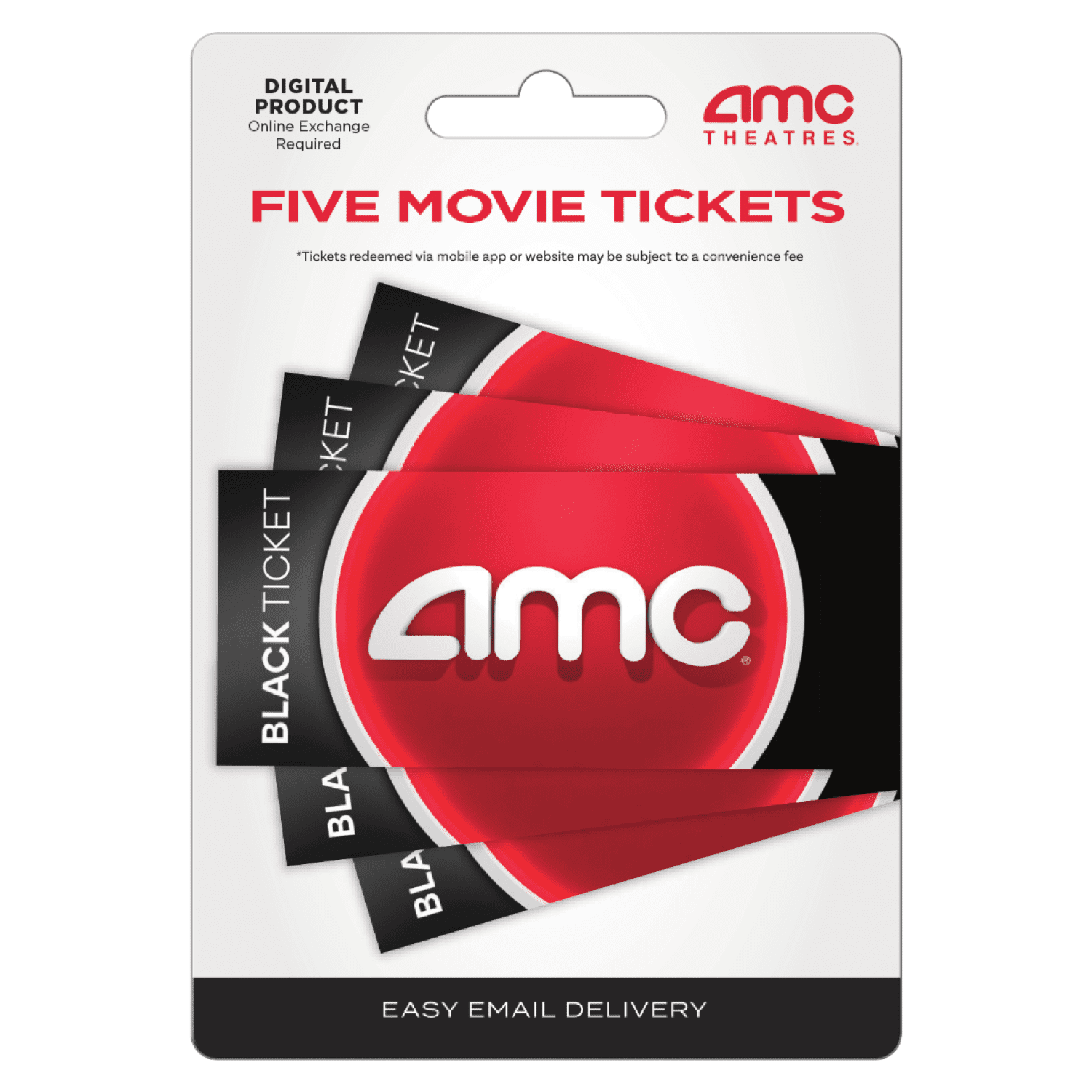
Purchasing AMC gift cards at a discount (often available through warehouse clubs, credit card reward portals, or during holiday promotions) can effectively reduce your overall spending. Similarly, various third-party aggregators or employers might offer corporate discounts or bulk ticket purchases at reduced rates. Always investigate these options before paying full price.
Bundles and Concession Deals
While often an afterthought, concessions can significantly inflate the cost of a movie outing. Look out for AMC’s special bundles (e.g., ticket + popcorn + drink deals) or take advantage of your AMC Stubs free upgrades. Strategically managing your concession spending is as important as managing ticket costs for overall budget control. Consider bringing your own water bottle or small snacks if allowed, though typically only outside food from the AMC Dine-In menu is permitted.
The Value Proposition: Is the Cost Justified?
Ultimately, the question of “how much are movie tickets for AMC” extends beyond the raw dollar figure to a more fundamental inquiry: Is the experience worth the cost? In a world brimming with on-demand entertainment, this value assessment is critical for personal finance and discretionary spending decisions.
Comparing Cinema to Home Entertainment
The proliferation of high-definition televisions, advanced sound systems, and a vast array of streaming services has elevated the home viewing experience to unprecedented levels. For a one-time subscription fee, platforms like Netflix, Hulu, Disney+, and HBO Max offer an enormous library of content accessible from the comfort of your couch. This convenience and cumulative cost-effectiveness present a formidable challenge to the traditional cinema model.
However, the cinema offers something fundamentally different: a communal, immersive experience on a scale difficult to replicate at home. The sheer size of an IMAX screen, the precision of Dolby Atmos sound, and the absence of household distractions create a unique atmosphere. For many, the cinema experience is a social outing, a date night, or a family tradition that transcends mere content consumption. The cost, therefore, includes not just the film itself, but the entire event.
Budgeting for Entertainment in the Modern Age
Integrating moviegoing into a personal budget requires a thoughtful approach. Rather than viewing a $15-$20 ticket as an isolated expense, consider it as part of a broader entertainment category within your financial plan.
-
Allocate a Monthly Entertainment Fund: Designate a specific amount each month for discretionary entertainment, which can include movies, concerts, dining out, or other leisure activities. This helps prevent overspending.
-
Prioritize Experiences: Decide what kind of movie experience is most important to you. Are you willing to pay more for a premium format blockbuster, or do you prefer to see multiple films at matinee prices?
-
Leverage Loyalty Programs: As highlighted, AMC Stubs, especially A-List for frequent viewers, can turn an unpredictable expense into a more manageable, fixed cost, making budgeting for regular movie trips significantly easier.
-
Evaluate Return on Experience: After each visit, consider if the value you received (enjoyment, escape, social interaction) justified the financial outlay. This continuous evaluation refines your spending habits and ensures your entertainment budget aligns with your personal preferences and financial goals.
In conclusion, the cost of an AMC movie ticket is multifaceted, influenced by a complex interplay of geographic, temporal, and technological factors. While prices have trended upwards, driven by inflation and the pursuit of enhanced cinematic experiences, savvy consumers have a wealth of tools at their disposal—from loyalty programs like AMC Stubs to strategic timing of viewings—to manage and optimize their movie budget. By understanding these dynamics, moviegoers can continue to enjoy the magic of the big screen without compromising their financial well-being, ensuring that a trip to AMC remains a valued and sustainable part of their entertainment spending.
aViewFromTheCave is a participant in the Amazon Services LLC Associates Program, an affiliate advertising program designed to provide a means for sites to earn advertising fees by advertising and linking to Amazon.com. Amazon, the Amazon logo, AmazonSupply, and the AmazonSupply logo are trademarks of Amazon.com, Inc. or its affiliates. As an Amazon Associate we earn affiliate commissions from qualifying purchases.