
In the previous decade, determining “what is considered a good pulse rate” required a manual touch to the wrist, a stopwatch, and a consultation with a physician. Today, that physiological data is captured silently every second by sophisticated sensors strapped to our wrists, embedded in our rings, or integrated into our clothing. As wearable technology matures, the definition of a “good” pulse rate has shifted from a static clinical range to a dynamic, data-driven baseline personalized by artificial intelligence and high-precision hardware.
In the realm of modern technology, your pulse rate—specifically your Resting Heart Rate (RHR)—is no longer just a medical statistic; it is a primary data point in the burgeoning ecosystem of the Internet of Medical Things (IoMT). Understanding what constitutes a healthy rate now involves navigating the nuances of sensor accuracy, algorithmic interpretation, and the software suites that turn raw beats into actionable health insights.
The Science of the Sensor: How Modern Wearables Define Your Baseline
To understand what technology considers a good pulse rate, we must first look at how that data is collected. The consumer tech industry has moved beyond simple pedometers into the realm of clinical-grade biometrics, utilizing complex optical and electrical sensors to monitor the heart’s rhythm.
Photoplethysmography (PPG) vs. ECG
Most consumer wearables, from the Apple Watch to Garmin devices and Oura Rings, utilize Photoplethysmography (PPG). This technology uses green LED lights paired with light-sensitive photodiodes to measure the volume of blood flow through the capillaries in the wrist or finger. When your heart beats, the blood flow—and the light absorption—increases.
While PPG is excellent for continuous monitoring, “good” pulse rate data often requires the precision of an Electrocardiogram (ECG). High-end wearables now include titanium or stainless steel electrodes that allow users to take a 30-second spot check. This tech measures the actual electrical signals of the heart, providing a much higher fidelity “pulse” that software can analyze for irregularities like Atrial Fibrillation (AFib).
Understanding Resting Heart Rate (RHR) Algorithms
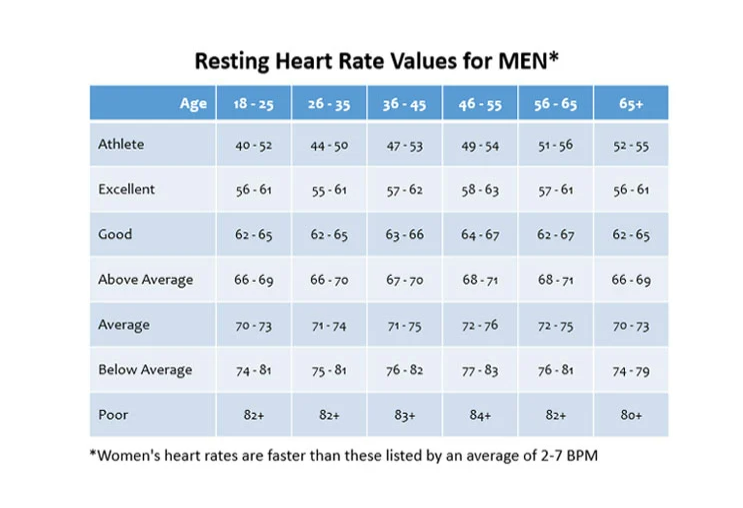
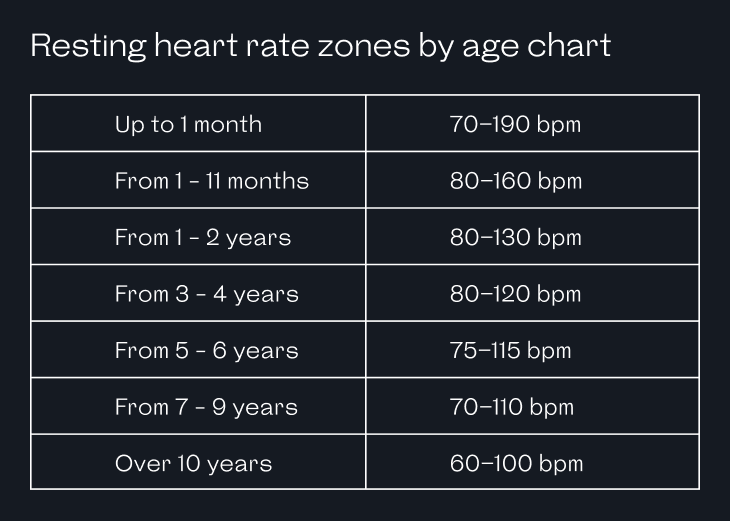
In the tech world, a “good” pulse rate is usually defined by the Resting Heart Rate (RHR). While clinical standards suggest 60 to 100 beats per minute (bpm) is normal for an adult, tech companies have refined this through big data. By analyzing millions of anonymous user data points, companies like Fitbit and Whoop have demonstrated that a “good” rate for a highly conditioned athlete might be as low as 40 bpm, while a healthy but sedentary individual might sit at 70 bpm. The software focuses on the trend rather than a single number, alerting users when their tech-derived baseline shifts.
AI and Predictive Analytics: Moving Beyond Simple Beats Per Minute
The true power of modern health technology lies not in the hardware that counts the beats, but in the AI tools that interpret them. A pulse rate of 80 bpm might be “good” while walking, but “concerning” while asleep. AI algorithms are now designed to provide context to these numbers.
Heart Rate Variability (HRV) and Systemic Recovery
One of the most significant tech trends in biometric monitoring is the focus on Heart Rate Variability (HRV). This isn’t just your pulse rate, but the microscopic variation in time between each heartbeat. Tech platforms use HRV as a proxy for the autonomic nervous system’s health.
A “good” pulse rate is now viewed through the lens of “readiness” or “recovery” scores. If a wearable detects a low pulse rate but also low HRV, the software’s AI might interpret this as a sign of overtraining or impending illness. This predictive capability is a cornerstone of modern wellness apps, shifting the focus from “what is my pulse now?” to “what does my pulse say about my health tomorrow?”

Machine Learning in Early Detection of Arrhythmias
Tech giants are increasingly investing in machine learning models that can identify “bad” pulse rates before the user feels any symptoms. By training neural networks on hundreds of thousands of ECG strips, software can now identify patterns of irregular heartbeats with remarkable accuracy. This represents a shift in the tech-consumer relationship; the device is no longer just a monitor but a diagnostic assistant. For a tech-savvy user, a “good” pulse rate is one that the AI marks as “Sinus Rhythm,” indicating a steady and healthy electrical pattern.
The Digital Ecosystem: Integrating Pulse Data into Holistic Health Tech
A pulse rate measurement does not exist in a vacuum. In the current tech landscape, this data point is integrated into a wider digital ecosystem that includes cloud computing, cross-platform apps, and the Internet of Medical Things (IoMT).
Data Interoperability and the IoMT
The concept of a “good” pulse rate is being redefined by how easily that data can be shared. Through frameworks like Apple HealthKit and Google Fit, pulse rate data from a third-party sensor can be funneled into a central repository. This interoperability allows diverse apps—ranging from nutrition trackers to meditation guides—to adjust their recommendations based on the user’s real-time heart rate. For instance, a fitness app might increase the intensity of a digital workout if it detects the user’s pulse rate is staying too low, ensuring the user remains in the optimal “cardio zone.”
Smart Home Integration and Passive Monitoring
We are moving toward an era of “invisible” tech. Beyond wearables, companies are developing under-mattress sensors and smart mirrors that use computer vision to detect a user’s pulse rate via micro-changes in skin color (remote PPG). In this context, a “good” pulse rate is maintained through passive monitoring. If a smart home hub detects an elevated heart rate in an elderly user during the night, it can automatically trigger an alert to a caregiver’s smartphone or adjust the room’s ambient temperature via a smart thermostat to aid in cooling the body down.
Security and Privacy in the Age of Biometric Data
As we rely more on technology to tell us what a good pulse rate is, we must confront the digital security risks associated with this highly personal data. Biometric data is the ultimate “PII” (Personally Identifiable Information), and its protection is a major focus for tech developers and cybersecurity experts.
Protecting Your “Pulse” from Cyber Threats
When your pulse rate is uploaded to the cloud for AI analysis, it becomes a target. Sophisticated encryption standards (like AES-256) and secure API tunnels are required to ensure that health data isn’t intercepted. For tech-conscious consumers, a “good” pulse rate monitor is one that offers robust end-to-end encryption. The risk isn’t just identity theft; it’s the potential for “biometric profiling,” where insurance companies or employers could theoretically use pulse rate trends to make discriminatory decisions.
The Ethical Implications of Continuous Surveillance
The tech industry is currently grappling with the ethics of constant monitoring. While knowing you have a “good” pulse rate provides peace of mind, the “anxiety of the alert” is a real phenomenon. If a software bug causes a false high-heart-rate notification, it can lead to unnecessary medical visits and stress. Developers are now focusing on “calm tech” designs—software interfaces that provide health insights without overwhelming the user with constant, granular data stream notifications.
The Future of Pulse Tracking: From Wristbands to Invisible Tech
The trajectory of pulse-tracking technology suggests that the question “what is considered a good pulse rate” will soon be answered by devices we can’t even see. We are seeing the rise of “smart dust” and ingestible sensors that can monitor internal biometrics with unprecedented precision.
Furthermore, the integration of Generative AI (GenAI) into health apps is changing the user interface. Soon, instead of looking at a graph of your pulse rate, you will ask a specialized AI agent, “How was my heart health this week?” The AI will synthesize your pulse rate, sleep quality, and stress levels to provide a conversational summary.
In conclusion, a “good” pulse rate in the modern tech era is no longer a simple number between 60 and 100. It is a personalized, AI-verified, and trend-based metric. It is the result of high-precision PPG or ECG sensors, analyzed by machine learning algorithms, protected by advanced encryption, and integrated into a global network of health data. As technology continues to advance, our ability to monitor, understand, and optimize our pulse rates will only become more seamless, providing a digital pulse on our overall well-being.
aViewFromTheCave is a participant in the Amazon Services LLC Associates Program, an affiliate advertising program designed to provide a means for sites to earn advertising fees by advertising and linking to Amazon.com. Amazon, the Amazon logo, AmazonSupply, and the AmazonSupply logo are trademarks of Amazon.com, Inc. or its affiliates. As an Amazon Associate we earn affiliate commissions from qualifying purchases.