
In the landscape of modern personal finance and healthcare, the Health Savings Account (HSA) stands out as a uniquely powerful financial tool. More than just a savings vehicle, it’s a triple-tax-advantaged account designed to help individuals save for current and future medical expenses while simultaneously building long-term wealth. However, unlocking the full potential of an HSA hinges on a clear understanding of what constitutes a “qualified medical expense.” Missteps can lead to unexpected tax penalties, diminishing the very benefits an HSA is designed to provide. This comprehensive guide will demystify HSA qualified expenses, ensuring you can navigate the complexities with confidence and maximize the advantages of this invaluable account.
Understanding the Health Savings Account (HSA)
Before diving into the specifics of qualified expenses, it’s crucial to grasp the foundational principles of an HSA. Established in 2003, HSAs are tax-advantaged savings accounts that can be used for healthcare expenses. They are unique in their “triple-tax advantage”: contributions are tax-deductible, earnings grow tax-free, and withdrawals for qualified medical expenses are also tax-free. This trifecta makes HSAs incredibly attractive for those eligible.
The Dual Benefit of an HSA: Tax Advantages and Healthcare Savings
At its core, an HSA serves two primary functions. Firstly, it provides a highly efficient way to pay for healthcare costs, from routine doctor visits to unexpected emergencies. By using pre-tax dollars for these expenses, you effectively reduce your taxable income. Secondly, for those who don’t immediately need the funds for medical care, an HSA functions as an investment account. The money can be invested in a range of options, similar to a 401(k) or IRA, allowing it to grow over time, potentially reaching substantial sums by retirement. This dual functionality — immediate healthcare spending and long-term investment growth — is what sets HSAs apart from other healthcare-related accounts.
Eligibility Requirements for an HSA: High Deductible Health Plans (HDHPs)
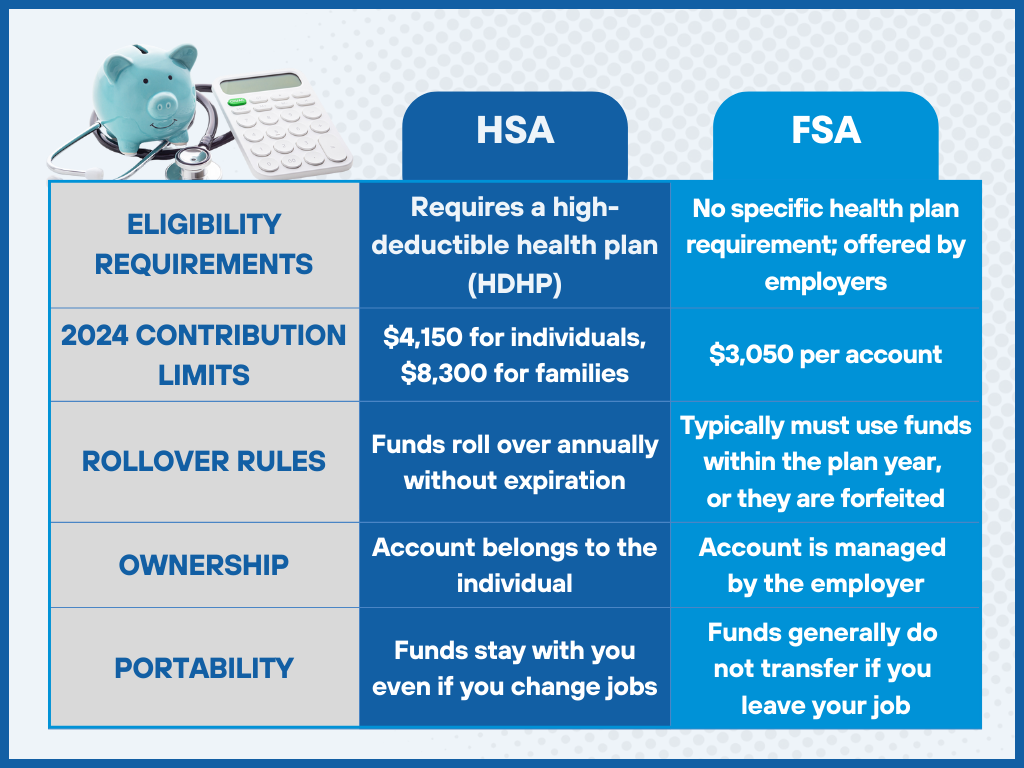
A critical prerequisite for contributing to an HSA is enrollment in a High Deductible Health Plan (HDHP). The IRS defines specific minimum deductibles and out-of-pocket maximums that a health plan must meet to qualify as an HDHP. These plans typically have lower monthly premiums but require individuals to pay more out-of-pocket before their insurance coverage fully kicks in. This structure encourages individuals to be more mindful of their healthcare spending, aligning perfectly with the purpose of an HSA to cover those higher upfront costs. Without an HDHP, you cannot contribute to an HSA, though you can still use existing funds for qualified expenses.
Core Categories of HSA Qualified Medical Expenses
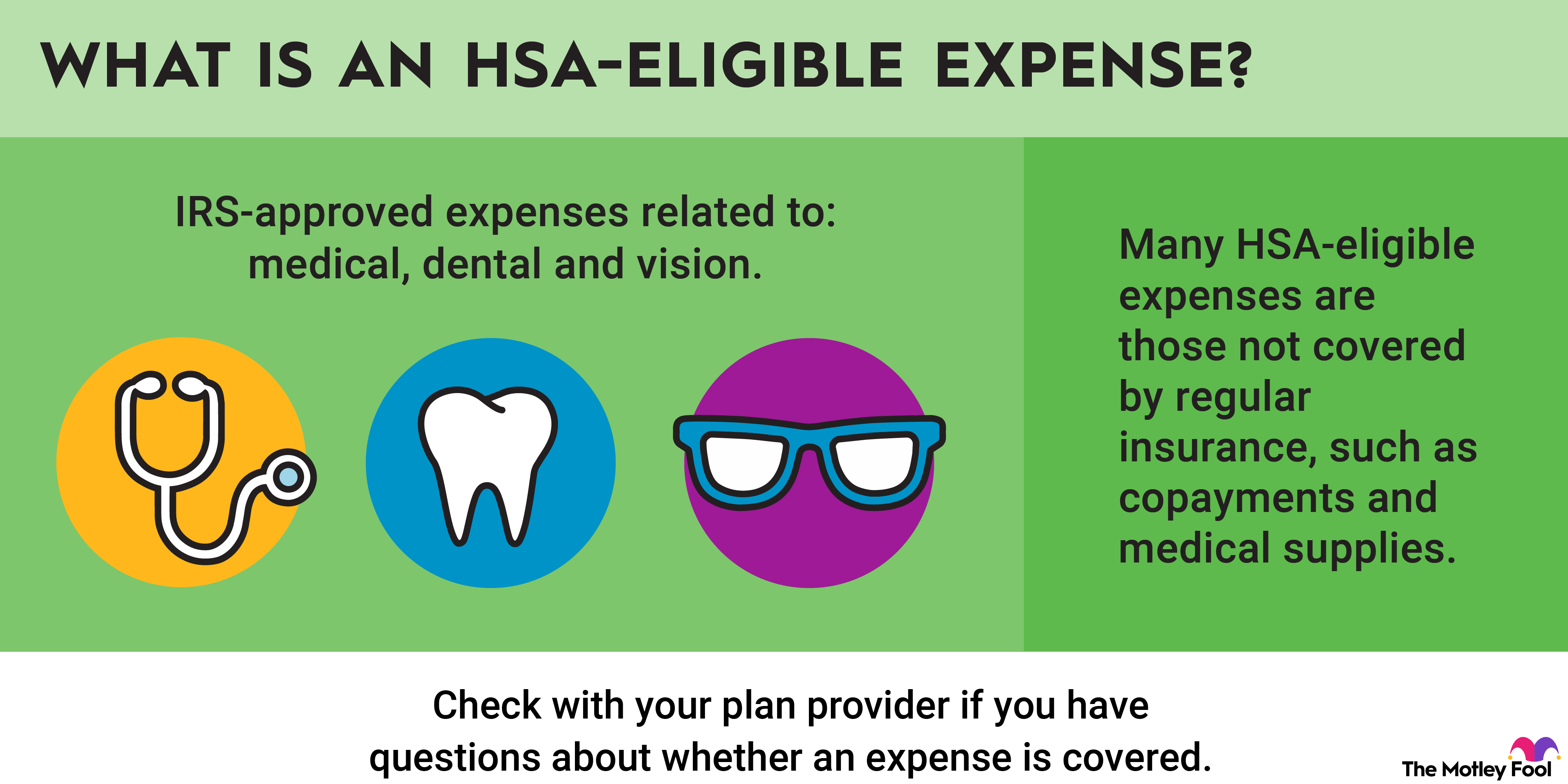
The IRS defines qualified medical expenses broadly as costs paid for the diagnosis, cure, mitigation, treatment, or prevention of disease, and for treatments affecting any structure or function of the body. These expenses must primarily be for medical care and not merely for general health or cosmetic reasons.
Preventive Care and Routine Medical Services
This category encompasses the most common and essential healthcare needs. It includes visits to your primary care physician, specialist consultations, diagnostic tests (e.g., blood work, X-rays, MRIs), annual physicals, screenings (such as mammograms and colonoscopies), and vaccinations (flu shots, tetanus, etc.). Even therapies like chiropractic care and acupuncture are often covered if prescribed for a specific medical condition. This foundational category ensures that everyday healthcare maintenance can be funded with tax-free dollars.
Prescription Medications and Over-the-Counter (OTC) Drugs
All FDA-approved prescription medications, when prescribed by a doctor, are considered qualified expenses. This extends to insulin, despite often being available without a prescription. A significant change with the CARES Act in 2020 was the re-inclusion of many over-the-counter (OTC) drugs and medicines as qualified medical expenses, without the need for a doctor’s prescription. This includes common items like pain relievers (aspirin, ibuprofen), cold and flu remedies, antacids, allergy medications, and first-aid supplies (bandages, antiseptic wipes). This expansion has made HSAs even more versatile for day-to-day health management.
Dental and Vision Care
Comprehensive dental and vision care are integral to overall health and are fully recognized as qualified HSA expenses. This covers regular dental exams, cleanings, fillings, extractions, root canals, braces, and dentures. For vision, it includes eye exams, prescription eyeglasses, contact lenses, contact lens solution, and even corrective eye surgeries like LASIK. These often-overlooked aspects of healthcare can incur significant costs, making their inclusion in HSA qualified expenses particularly beneficial.
Mental Health Services
Recognizing the critical importance of mental well-being, most mental health services are qualified HSA expenses. This includes therapy sessions with licensed psychologists or counselors, psychiatric consultations, medication prescribed for mental health conditions, and even inpatient treatment programs for mental health or substance abuse. This coverage ensures individuals can seek the necessary support for their mental health without facing additional financial barriers.
Specialized Medical Equipment and Services
Beyond routine care, HSAs cover a range of specialized equipment and services. This includes durable medical equipment like crutches, wheelchairs, walkers, and oxygen tanks. It also extends to prosthetics, hearing aids, and even service animals for individuals with disabilities, along with the cost of their training and maintenance. Ambulance services, hospital stays, and nursing services also fall under this category, covering emergency and critical care needs.
Less Obvious, Yet Crucial, Qualified Expenses
While the core categories cover most common medical needs, HSAs also extend to several less apparent but equally important expenses, providing broader financial relief for healthcare.
Long-Term Care Insurance Premiums
Long-term care can be a significant financial burden in later life. HSA funds can be used to pay for premiums for qualified long-term care insurance policies. However, there are annual limits on how much can be withdrawn tax-free for these premiums, and these limits are indexed to inflation and vary by age. This provision allows individuals to plan for future long-term care needs using their HSA, a valuable benefit for retirement planning.
COBRA Premiums and Medicare Part B/D Premiums

Under specific circumstances, HSA funds can be used to pay for health insurance premiums. If you are unemployed and receiving COBRA benefits, your HSA can cover those premiums. Additionally, for individuals aged 65 and over, HSA funds can pay for Medicare Part B (medical insurance) and Part D (prescription drug coverage) premiums, as well as Medicare Advantage (Part C) plan premiums (excluding Medigap premiums). This flexibility provides crucial support during career transitions or in retirement.
Home Modifications for Medical Reasons
When a home needs to be modified to accommodate a medical condition or disability, those expenses can be qualified. This might include adding ramps, widening doorways for wheelchair access, installing grab bars in bathrooms, or modifying kitchens for accessibility. The key criterion is that the modification must be primarily for medical care and not for general home improvement or aesthetic reasons.
Travel for Medical Care
If you need to travel to receive medical care, certain related expenses can be qualified. This includes mileage for driving to and from appointments, the cost of bus, train, or ambulance fares, and even lodging expenses if you need to stay overnight away from home for medical care (up to a certain daily limit). Meal expenses during medical travel are generally not included, but the transportation and accommodation aspects can add up, making this a useful provision.
Fertility Treatments and Family Planning
A wide range of fertility treatments and family planning services are considered qualified expenses. This includes in vitro fertilization (IVF), artificial insemination, contraception (birth control pills, IUDs), and vasectomies. These can be substantial costs for many individuals and families, and the ability to use tax-free HSA funds for them is a significant benefit.
What Does Not Qualify as an HSA Expense?
Just as important as knowing what qualifies is understanding what doesn’t. Using HSA funds for non-qualified expenses can result in a 20% penalty (if under age 65), plus ordinary income tax on the withdrawn amount.
General Health and Wellness Products
Expenses solely for general health improvement or cosmetic reasons are typically not qualified. This includes vitamins and supplements taken for general well-being rather than for a specific medical condition diagnosed by a doctor, gym memberships (unless prescribed by a doctor to treat a specific illness), and weight loss programs that are not prescribed as a treatment for a particular medical condition.
Cosmetic Procedures
Elective cosmetic procedures, such as facelifts, liposuction, or teeth whitening, are generally not qualified expenses. The exception is if the procedure is medically necessary to correct a deformity arising from a congenital abnormality, personal injury, or disfiguring disease. For example, reconstructive surgery after an accident would qualify, but elective rhinoplasty would not.
Premiums for Regular Health Insurance
While COBRA and Medicare premiums are exceptions, regular health insurance premiums for your primary HDHP (or any other health insurance plan you are enrolled in) generally cannot be paid with HSA funds. HSAs are designed to cover out-of-pocket medical expenses, not the cost of maintaining your insurance coverage itself.
Expenses Reimbursed by Other Plans
You cannot use HSA funds for expenses that have already been reimbursed by another source, such as your health insurance plan, an employer-sponsored flexible spending account (FSA), or workers’ compensation. The HSA is for out-of-pocket costs you are personally responsible for. Double-dipping is not allowed and will be penalized.
Best Practices for Managing Your HSA and Qualified Expenses
Effective management of your HSA goes beyond merely knowing what qualifies. Strategic planning and diligent record-keeping are essential to maximize its benefits and avoid potential pitfalls.
The Importance of Record-Keeping
Diligent record-keeping is paramount. While you don’t typically submit receipts to your HSA administrator, the IRS can request proof that withdrawals were for qualified medical expenses during an audit. Therefore, it’s crucial to retain all receipts, Explanation of Benefits (EOB) statements from your insurance company, and any other relevant documentation for several years. Digital copies are perfectly acceptable and often easier to organize. Proper documentation protects you from penalties and ensures you can justify every tax-free withdrawal.
Strategic Savings and Investment
One of the most powerful features of an HSA is its investment potential. If you can afford to pay for current medical expenses out of pocket (without touching your HSA funds), you can let your HSA balance grow and invest it. The longer the money stays in the account, the more it can grow tax-free. Many financial advisors recommend treating an HSA as a supplemental retirement account, especially after age 65 when funds can be withdrawn for any purpose without penalty (though subject to ordinary income tax if not for qualified medical expenses). This “invest and reimburse later” strategy means you could save all your receipts and reimburse yourself tax-free decades later, potentially with a much larger sum due to investment growth.
Seeking Professional Guidance
The rules surrounding HSAs and qualified expenses, especially for nuanced situations like long-term care, home modifications, or specific medical conditions, can be complex. Consulting with a qualified financial advisor or tax professional can provide personalized insights and ensure you are making the most advantageous decisions for your unique financial and health situation. They can help you understand the latest IRS guidelines, strategize your contributions and withdrawals, and integrate your HSA into your broader financial plan effectively.
In conclusion, the Health Savings Account is an incredibly powerful financial tool, offering unparalleled tax advantages for healthcare expenses and retirement savings. A thorough understanding of what constitutes a qualified medical expense is the cornerstone of leveraging its full potential. By staying informed, meticulously documenting your expenses, and strategically managing your account, you can transform your HSA into a cornerstone of your financial well-being, providing peace of mind for both your current healthcare needs and your long-term financial future.
aViewFromTheCave is a participant in the Amazon Services LLC Associates Program, an affiliate advertising program designed to provide a means for sites to earn advertising fees by advertising and linking to Amazon.com. Amazon, the Amazon logo, AmazonSupply, and the AmazonSupply logo are trademarks of Amazon.com, Inc. or its affiliates. As an Amazon Associate we earn affiliate commissions from qualifying purchases.