
The world of culinary ingredients is vast and often nuanced, with terms that can be easily conflated or misunderstood. Among the most common areas of confusion lies within the vibrant and diverse realm of Mexican cuisine, particularly when discussing its signature sauces. Two terms that frequently arise and can cause bewilderment are “picante” and “salsa.” While often used interchangeably in casual conversation, a closer examination reveals distinct differences in their meaning, scope, and culinary application. Understanding these distinctions is crucial for anyone looking to elevate their cooking, confidently navigate menus, or simply appreciate the intricacies of global flavors.
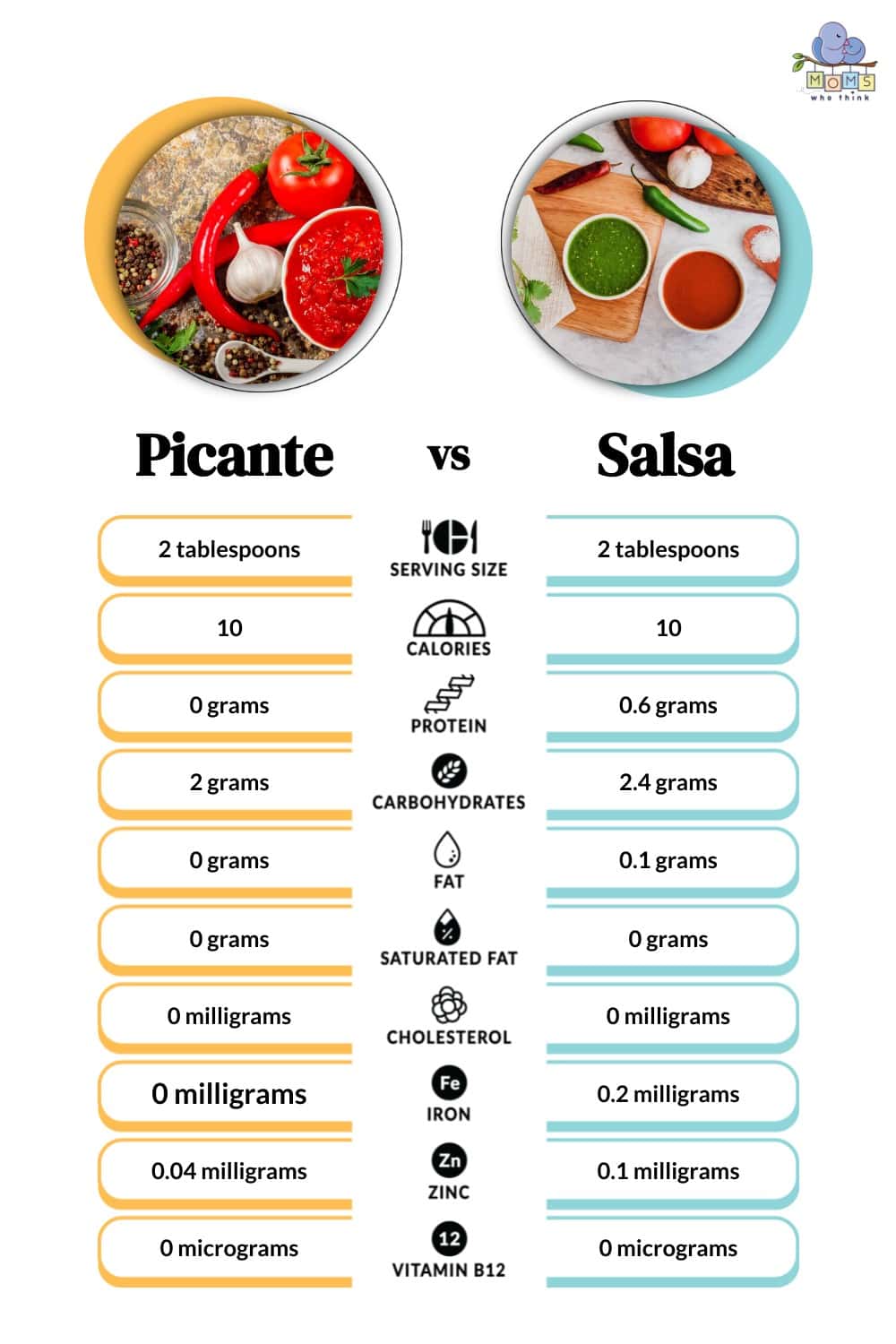
This article will delve into the semantic and practical differences between “picante” and “salsa,” exploring their linguistic roots, characteristic flavor profiles, and how they function within the broader culinary landscape. We will also examine how these terms are perceived and utilized in different contexts, from restaurant menus to home kitchens.
Understanding the Core Definitions: Beyond the Surface
At its most fundamental level, the distinction between “picante” and “salsa” hinges on their nature as a descriptive adjective versus a noun representing a dish or preparation. This core difference informs how each term is used and the information it conveys.
“Picante”: A Descriptor of Sensation
“Picante” is an adjective of Spanish origin, meaning “spicy” or “hot.” Its primary function is to describe the sensation of heat, typically derived from chili peppers, that a food or ingredient possesses. When you encounter “picante” on a menu or in a recipe, it’s a direct indicator of the level of pungency you can expect. It’s not a specific dish itself, but rather a quality that can be applied to a wide range of culinary items.
Think of it as a spectrum. A dish can be mild, medium, or intensely picante. This adjective can be used to describe not only sauces but also meats, vegetables, and even beverages. For instance, you might find “pollo picante” (spicy chicken) or “pimientos picantes” (spicy peppers). The term itself doesn’t tell you how the heat is achieved, only that it is present and to what degree. This lack of specificity is key to its broad applicability. It focuses solely on the sensory experience of heat.
“Salsa”: A Culinary Preparation
“Salsa,” on the other hand, is a noun. It refers to a specific type of sauce or condiment, typically of Mexican or Latin American origin. While many salsas are indeed picante, the term “salsa” itself does not inherently imply spiciness. It describes a category of preparation. Salsas are generally made from a base of tomatoes, onions, cilantro, and various chili peppers, but their ingredients and preparation methods can vary enormously, leading to a wide spectrum of flavors and textures.
The term “salsa” is incredibly broad. It encompasses everything from a simple pico de gallo (fresh, uncooked chopped ingredients) to complex moles (slow-cooked sauces with a multitude of ingredients, including chiles, spices, and often chocolate). A salsa can be chunky or smooth, roasted or fresh, sweet or savory, and yes, it can be picante. But it can also be mild, or even have no detectable heat from chilies at all. The defining characteristic of a salsa is its role as a sauce or condiment designed to complement and enhance other dishes.
The Spectrum of Flavor: Exploring Characteristics and Components
The inherent differences in definition between “picante” and “salsa” lead to distinct characteristics in terms of their typical flavor profiles and the ingredients that define them. While “picante” solely addresses the heat element, “salsa” encompasses a much wider array of taste sensations.
The Heat Factor: Where “Picante” Reigns Supreme
When the adjective “picante” is used, the primary focus is on the presence and intensity of capsaicin, the compound responsible for the burning sensation in chili peppers. The degree of “picante” is directly proportional to the type and quantity of chili peppers used. Common chilies that contribute to a picante flavor include jalapeños, serranos, habaneros, and even super-hot varieties like ghost peppers and Carolina reapers.
The “picante” experience is not monolithic. It can range from a gentle warmth that tingles on the tongue to a fiery inferno that demands a cooling beverage. The complexity of the heat can also vary; some chilies offer a bright, fruity heat, while others provide a deeper, more earthy burn. When a dish is described as “picante,” it signals that this chili-driven heat is a significant, if not dominant, characteristic.
Beyond Heat: The Multifaceted Nature of Salsa
Salsa, by its very definition, is a complex culinary creation. While chili peppers are often a key component, they are just one element in a symphony of flavors. The ingredients used in a salsa contribute to its overall profile in ways that extend far beyond just spiciness.
- Tomatoes: The foundation of many salsas, tomatoes provide a sweet, acidic, and sometimes umami base. The type of tomato used (e.g., ripe Roma, roasted tomatoes, sun-dried tomatoes) can significantly alter the salsa’s flavor and texture.
- Aromatics: Onions (white, red, or green), garlic, and scallions contribute pungent, sweet, and savory notes that add depth and complexity.
- Herbs: Cilantro is a ubiquitous herb in many salsas, offering a fresh, bright, and slightly citrusy flavor. Other herbs like parsley or epazote can also be incorporated, each adding its unique nuance.
- Acidity: Lime juice is a common addition, providing a zesty, tart counterpoint that balances sweetness and richness. Vinegar can also be used for a sharper acidic profile.
- Sweetness: While not always a dominant flavor, natural sweetness from ingredients like corn, fruit (mango, pineapple), or even a touch of sugar can be present, balancing the heat and acidity.
- Other Ingredients: Many salsas include additional elements that contribute to their unique character, such as bell peppers (for sweetness and texture), avocado (for creaminess), or even nuts and seeds (for richness and crunch).
Therefore, a salsa can be mildly picante but also sweet, smoky, tangy, herbaceous, or even earthy. The term “salsa” encompasses all these potential flavor dimensions, whereas “picante” focuses solely on the heat.
Context is Key: Navigating Usage and Perception
The way “picante” and “salsa” are used and perceived can vary significantly depending on the context, from professional kitchens to everyday conversations, and even across different regions. This variability further highlights their distinct roles.
In the Kitchen: Precision and Purpose
In a culinary setting, the distinction between “picante” and “salsa” is usually quite clear, reflecting their precise definitions. Chefs and recipe developers use these terms intentionally to convey specific information to cooks and diners.
- Menu Descriptions: On a menu, “picante” would be used as an adjective to describe the heat level of a particular dish. For example, “Shrimp Fajitas – served sizzling with onions and peppers. Picante.” This tells the diner to expect a spicy dish. Conversely, “Salsa Verde – a bright and tangy sauce made with tomatillos, cilantro, and lime.” Here, “salsa” identifies the type of preparation, and the description elaborates on its flavor profile, which might or might not be spicy. If it were spicy, it might be further described as “Salsa Verde Picante.”
- Recipe Instructions: In a recipe, “picante” would refer to the desired heat level achieved by specific chili peppers. For instance, a recipe might instruct to “add 1-2 serrano peppers for a picante kick.” “Salsa” would refer to the preparation of the sauce itself, detailing its ingredients and method.
Everyday Language: Overlap and Nuance
In casual conversation, the lines between “picante” and “salsa” can sometimes blur, especially for those less familiar with the intricacies of Spanish culinary terms. It’s not uncommon for people to use “salsa” when they are referring to a spicy sauce, and to implicitly understand that “salsa” often implies some degree of heat.
However, this casual usage doesn’t negate the fundamental difference. When someone asks, “Is this salsa picante?”, they are specifically inquiring about the heat level of the salsa. They are not asking if it is indeed a salsa. This question presupposes that it is a salsa and probes its spiciness. Conversely, if someone offers you a bowl of “salsa picante,” they are presenting you with a spicy sauce. The “picante” here acts as a further specification of the salsa’s characteristics.
The perception of what constitutes “picante” is also subjective. What one person finds mildly spicy, another might consider intensely hot. This personal interpretation is an inherent aspect of experiencing “picante.” The term “salsa,” however, is more objective in its classification as a sauce.
Regional Variations and Brand Marketing
Regional dialects and branding strategies can also influence the perception and usage of these terms. In some regions where chili peppers are a staple, the word “salsa” might almost universally imply some level of heat. In marketing, brands might leverage the term “picante” to appeal to consumers seeking a spicy experience, while “salsa” might be used to highlight a unique flavor profile or ingredient. A brand might even offer a “Mild Salsa” and a “Picante Salsa” as distinct product lines, reinforcing the idea that “picante” is a measure of heat within the broader category of “salsa.”
Ultimately, while casual usage might see some overlap, a clear understanding of “picante” as a descriptor of heat and “salsa” as a type of sauce preparation is essential for precise culinary communication and appreciation.

Conclusion: Embracing the Nuance for Enhanced Culinary Enjoyment
In conclusion, the seemingly simple question of “what’s the difference between picante and salsa” unveils a nuanced interplay between a descriptive adjective and a noun representing a culinary category. “Picante” is a sensory descriptor, indicating the presence and intensity of heat, primarily derived from chili peppers. It’s a quality that can be applied to a multitude of foods. “Salsa,” on the other hand, is a specific type of sauce or condiment, with its own rich history and diverse preparations, often featuring tomatoes, chili peppers, and aromatics. While many salsas are indeed picante, the term “salsa” itself encompasses a far broader spectrum of flavors and textures, extending beyond just spiciness.
Understanding this fundamental distinction empowers individuals to better interpret menus, follow recipes with greater accuracy, and engage more confidently with the rich tapestry of global cuisine. It allows for a deeper appreciation of the specific qualities that make each dish unique, moving beyond generalizations to a more precise understanding of flavor. Whether you are a home cook experimenting in the kitchen or a diner navigating a restaurant menu, recognizing the difference between “picante” and “salsa” will undoubtedly enhance your culinary journey, allowing you to savor the subtle complexities and vibrant flavors that these terms represent. By embracing this nuance, we unlock a richer and more informed way of experiencing the delicious world of food.
aViewFromTheCave is a participant in the Amazon Services LLC Associates Program, an affiliate advertising program designed to provide a means for sites to earn advertising fees by advertising and linking to Amazon.com. Amazon, the Amazon logo, AmazonSupply, and the AmazonSupply logo are trademarks of Amazon.com, Inc. or its affiliates. As an Amazon Associate we earn affiliate commissions from qualifying purchases.