
For the vast majority of individuals, purchasing a home represents the most significant financial commitment of their lives. While the “sticker price” of a property often dominates the conversation, the real cost of homeownership is dictated by a much more powerful and fluid variable: the house interest rate. Often referred to simply as mortgage rates, these figures determine not just your monthly payment, but the total amount of wealth you will transfer to a lending institution over the life of a thirty-year loan.
Understanding house interest rates requires a dive into the intersection of personal finance, macroeconomics, and banking strategy. Whether you are a first-time homebuyer, a seasoned real estate investor, or someone looking to refinance an existing debt, grasping the mechanics behind these rates is essential for making informed financial decisions.
What Are House Interest Rates and Why Do They Matter?
At its core, a house interest rate is the cost of borrowing money from a lender to purchase real estate. It is expressed as a percentage of the total loan amount. However, to truly understand the impact of these rates, one must look beyond the surface percentage and analyze how they function within the context of a long-term amortized loan.
Defining the Mortgage Interest Rate
The interest rate is the profit a lender charges for the risk they take in lending you a large sum of money. When you make a monthly mortgage payment, a portion goes toward the “principal” (the actual balance of the loan) and a portion goes toward the “interest.” In the early years of a mortgage, the interest typically makes up the majority of the payment. As the balance decreases over time, the interest portion shrinks, and more of your money goes toward building equity.
The Crucial Difference Between Interest Rates and APR
One of the most common mistakes in personal finance is confusing the interest rate with the Annual Percentage Rate (APR). While the interest rate reflects the cost of borrowing the principal, the APR provides a more holistic view of the loan’s cost. The APR includes the interest rate plus other costs such as loan origination fees, private mortgage insurance (PMI), and points. When comparing offers from different lenders, the APR is often the more accurate metric for determining which loan is truly “cheaper.”
How Rates Impact Long-Term Affordability
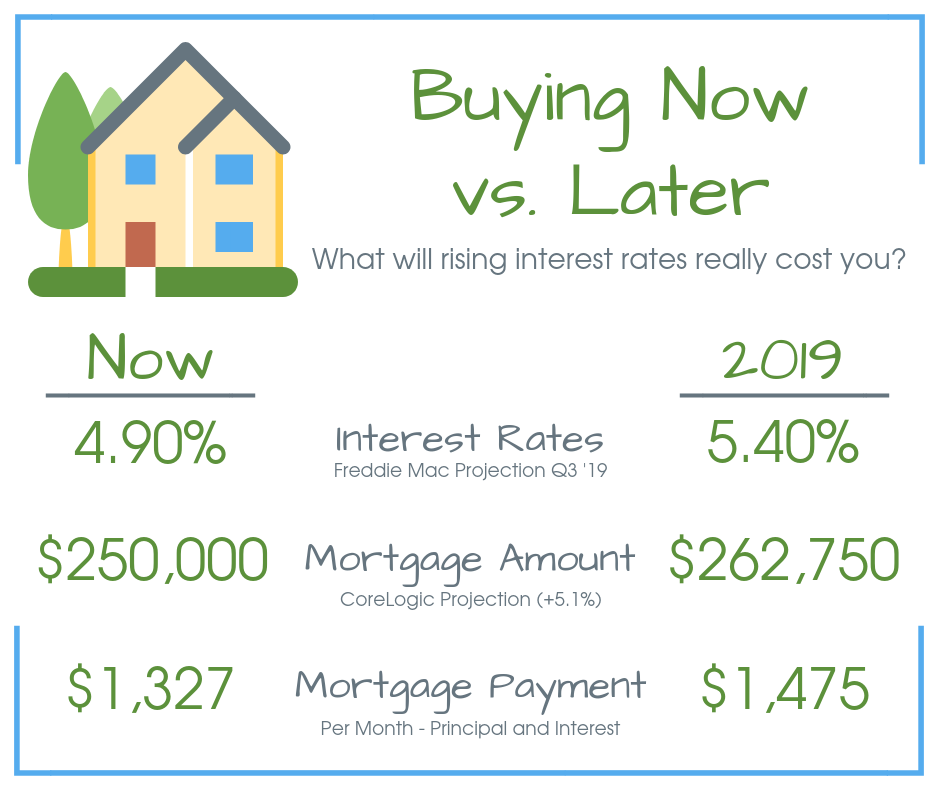
Small fluctuations in interest rates can lead to massive differences in total cost. For example, on a $400,000 loan, the difference between a 4% interest rate and a 7% interest rate is not just a few dollars a month. Over 30 years, that 3% difference can result in hundreds of thousands of dollars in additional interest payments. This “cost of capital” directly affects your purchasing power; when rates rise, the amount of house you can afford decreases, even if your income remains the same.
Factors That Influence Your Personal Mortgage Rate
While the broader economy sets the baseline for interest rates, the specific rate a lender offers you is highly personalized. Lenders use a risk-based pricing model to determine how likely you are to default on your loan. The lower the perceived risk, the lower the interest rate you will receive.
Credit Scores and Financial Health
Your FICO score is perhaps the most significant individual factor in determining your interest rate. Lenders view a high credit score (typically 760 or above) as a sign of financial reliability. Borrowers with “excellent” credit can often secure rates that are a full percentage point lower than those with “fair” credit. This highlights the importance of credit maintenance as a fundamental pillar of personal finance; a few points on your credit score can literally save you a fortune in interest.
Loan-to-Value (LTV) Ratio and Down Payments
The LTV ratio is the amount of the loan compared to the appraised value of the property. If you put down 20%, your LTV is 80%. Lenders generally offer better rates to borrowers who provide a larger down payment. A significant down payment serves two purposes: it reduces the lender’s exposure to loss and demonstrates the borrower’s “skin in the game.” Conversely, if your down payment is less than 20%, you may face higher rates and the added cost of mortgage insurance.
Loan Term and Type: Fixed vs. Variable
The structure of the loan also dictates the rate. A 15-year fixed-rate mortgage typically offers a lower interest rate than a 30-year mortgage because the lender is exposed to interest rate risk for a shorter period. Additionally, you must choose between fixed-rate and adjustable-rate mortgages (ARMs). Fixed rates offer stability, remaining the same for the life of the loan. ARMs often start with a lower “teaser” rate but can fluctuate significantly after an initial period, making them a higher-risk choice for long-term homeowners.
Macroeconomic Forces Shaping the Housing Market

No lender operates in a vacuum. The interest rates offered to consumers are heavily influenced by global and domestic economic conditions. Understanding these forces helps borrowers predict whether rates are likely to rise or fall in the near future.
The Role of the Federal Reserve
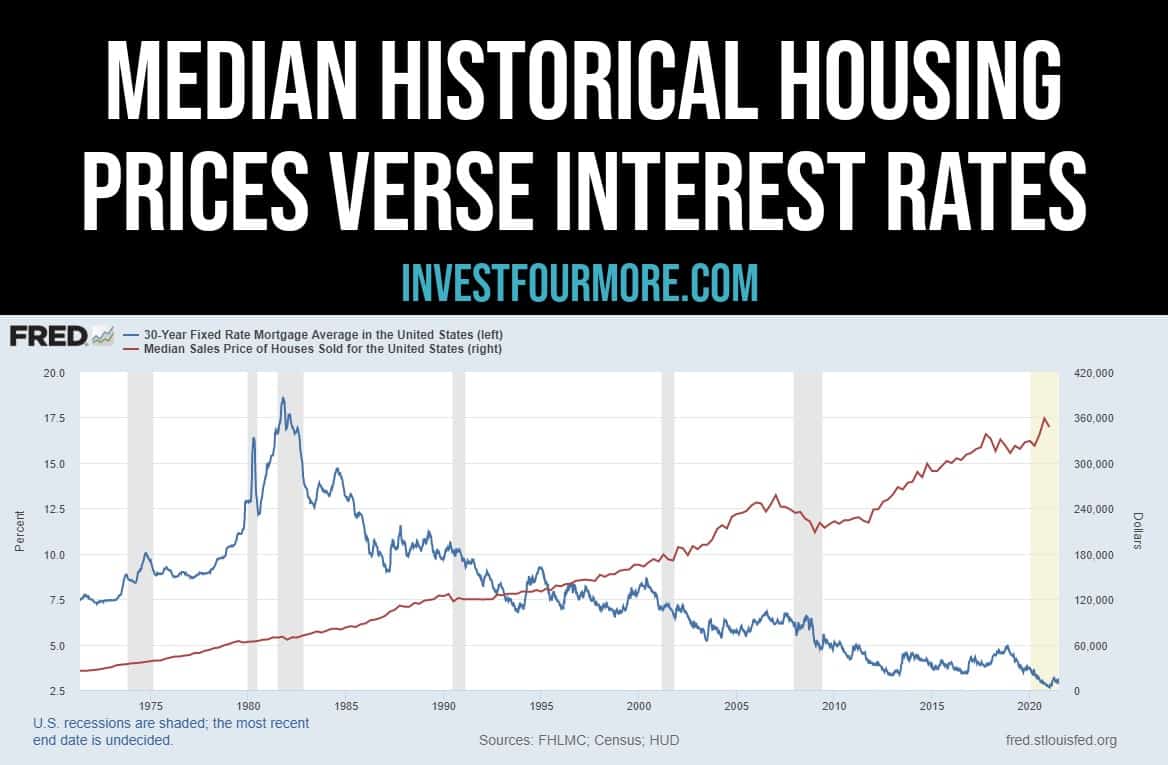
In the United States, the Federal Reserve (the “Fed”) plays a pivotal role in the interest rate environment. While the Fed does not directly set mortgage rates, it sets the federal funds rate—the rate at which banks lend to each other overnight. When the Fed raises this rate to combat inflation, the cost of borrowing increases across the economy, leading to higher mortgage rates. Conversely, when the Fed lowers rates to stimulate the economy, mortgage rates typically follow suit.
Inflation and Economic Growth
Inflation is the enemy of fixed-income investors, including the institutions that buy mortgage-backed securities. If inflation is high, the purchasing power of the future interest payments a lender receives will be lower. To compensate for this loss of value, lenders demand higher interest rates. Therefore, when the economy is “overheating” and inflation is rising, you can expect house interest rates to climb as well.
Global Bond Markets and the 10-Year Treasury Yield
Mortgage rates are most closely tied to the yield on the 10-year Treasury note. Investors often view mortgages and Treasury bonds as competing investment options. When the yield on the 10-year Treasury rises, mortgage rates must also rise to remain attractive to investors. Monitoring the “spread” between the 10-year Treasury and average mortgage rates is a common practice for financial analysts seeking to understand market efficiency.
Strategies to Secure the Best Possible Rate
Because the interest rate is so critical to your financial future, you should not simply accept the first offer you receive. There are several proactive steps you can take to optimize your financial profile and negotiate a better deal.
Improving Your Debt-to-Income (DTI) Ratio
Lenders look closely at your DTI—the percentage of your gross monthly income that goes toward paying debts. A lower DTI suggests that you have the financial “breathing room” to handle a mortgage payment even during lean times. Before applying for a mortgage, it is often wise to pay down high-interest credit card debt or car loans to improve this ratio.
The Art of Rate Shopping and Comparison
Studies consistently show that borrowers who get quotes from at least three different lenders save thousands of dollars over the life of their loan. Different institutions—such as big banks, credit unions, and online mortgage brokers—have different overhead costs and “appetites” for risk. By presenting a quote from one lender to another, you may even be able to negotiate a “rate match” or a reduction in closing costs.
Timing the Market: When to Lock in Your Rate
Because interest rates change daily (and sometimes hourly), “locking” your rate is a critical step in the home-buying process. A rate lock guarantees that your interest rate won’t change between the time you apply for the loan and the time you close, provided you close within a specific timeframe. Deciding when to lock requires a balance of market analysis and personal risk tolerance; if you believe rates are on an upward trajectory, locking early is usually the safest move.
The Long-Term Financial Implications of Interest Rate Shifts
House interest rates do not just matter when you are buying a home; they continue to impact your financial strategy as long as you carry a mortgage balance. Managing this debt effectively is a core component of wealth building.
Refinancing: When Does It Make Sense?
Refinancing is the process of replacing your current mortgage with a new one, typically to take advantage of lower interest rates. A common rule of thumb is that if you can lower your rate by 0.75% to 1%, refinancing may be worth the closing costs. However, you must calculate the “break-even point”—the amount of time it will take for the monthly savings to cover the upfront costs of the new loan. If you plan to move in two years, refinancing may not be financially sound.
Building Equity vs. Paying Interest
The interest rate determines the velocity at which you build equity. In high-interest environments, a larger portion of your wealth is diverted to the bank. Some homeowners choose to make “extra principal payments” to effectively lower their interest burden. By paying even a small amount extra each month toward the principal, you can shave years off your mortgage and save tens of thousands of dollars in interest, essentially “earning” a guaranteed return on that money equal to your interest rate.
In conclusion, house interest rates are the “invisible hand” of the real estate market. They dictate the flow of capital, the accessibility of the American dream, and the long-term wealth of the average household. By understanding the factors that drive these rates—from your personal credit score to the decisions of central banks—you can navigate the complexities of personal finance with confidence and precision. Successful homeownership is not just about finding the right house; it is about securing the right financing.
aViewFromTheCave is a participant in the Amazon Services LLC Associates Program, an affiliate advertising program designed to provide a means for sites to earn advertising fees by advertising and linking to Amazon.com. Amazon, the Amazon logo, AmazonSupply, and the AmazonSupply logo are trademarks of Amazon.com, Inc. or its affiliates. As an Amazon Associate we earn affiliate commissions from qualifying purchases.