
In the world of cinema, Peter Weir’s Dead Poets Society is often hailed as a poignant exploration of adolescence, poetry, and the tragic clash between individualism and institutional conformity. However, when viewed through the prism of brand strategy, the film serves as a profound case study in identity, market disruption, and the power of a compelling narrative. At its core, Dead Poets Society is about the tension between two competing brand identities: the rigid, legacy brand of Welton Academy and the disruptive, human-centric personal brand of Professor John Keating.
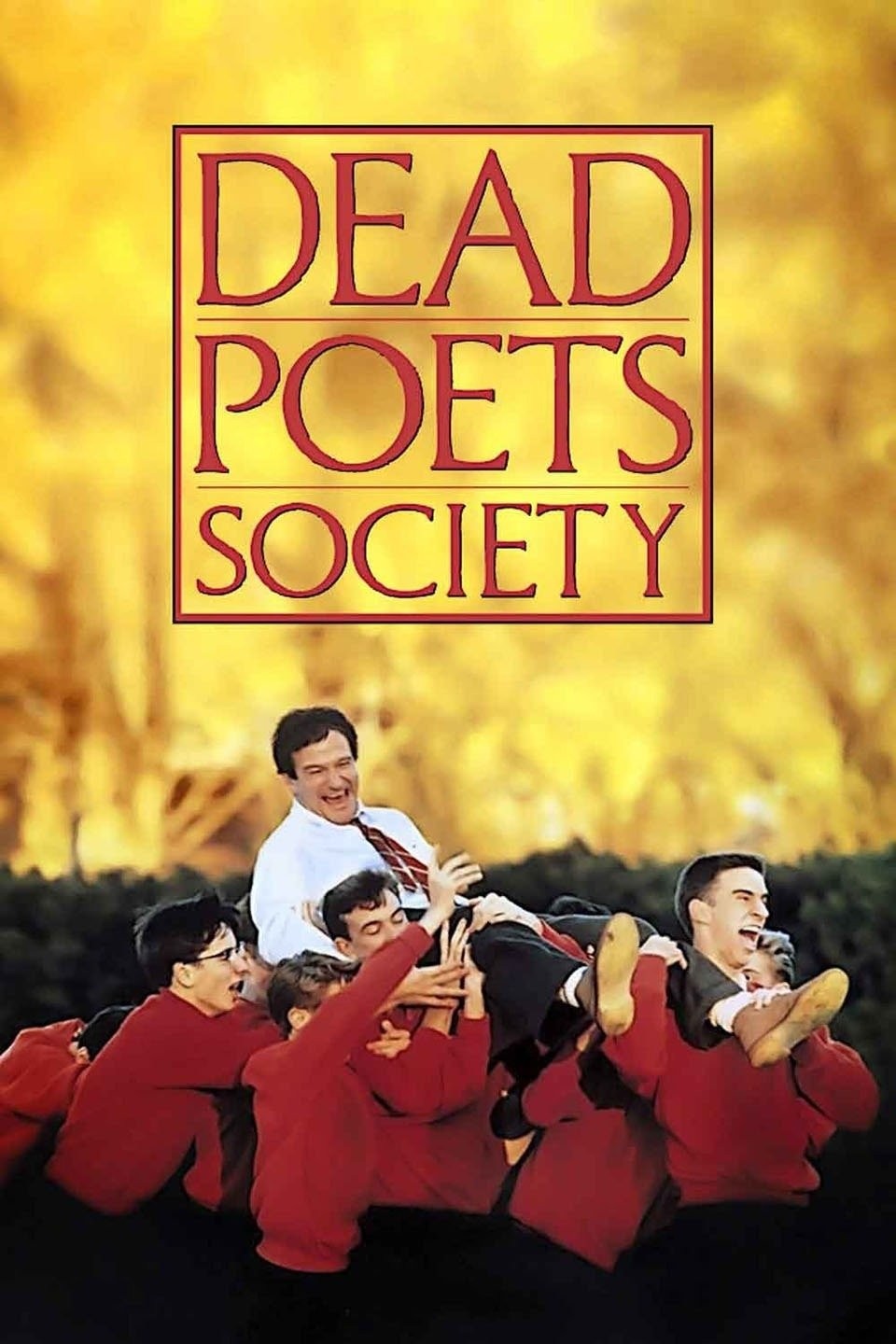
To understand what the movie is about from a brand perspective is to understand how values are communicated, how loyalty is fostered, and how a “brand” can ignite a movement that transcends the boundaries of its original environment.
The Corporate Identity of Welton Academy: A Study in Legacy Branding
Welton Academy is not merely a school; it is a masterclass in “Legacy Branding.” Established on the pillars of “Tradition, Honor, Discipline, and Excellence,” the institution maintains a corporate identity that is as unwavering as it is prestigious. In branding terms, Welton represents a high-barrier-to-entry market leader that relies on its historical equity to command authority.
Brand Pillars and the Rigid Corporate Structure
Every successful brand is built on a set of core values. For Welton, these values—Tradition, Honor, Discipline, and Excellence—function as the brand pillars that inform every interaction within the ecosystem. The “customers” (the students) and the “stakeholders” (the parents) are promised a specific ROI: entry into Ivy League universities and high-status careers. This brand promise is delivered through a strict, standardized “product” delivery—rigorous testing, rote memorization, and absolute adherence to the rules.
The Visual Identity of Authority
The visual identity of Welton Academy reinforces its brand position. The heavy stone architecture, the formal blazers with embroidered crests, and the somber, wood-paneled halls all communicate a sense of permanence and institutional weight. In brand design, consistency is key to building trust, and Welton is nothing if not consistent. However, the film illustrates the dangers of a brand that becomes so focused on its internal consistency that it loses touch with the evolving needs and psychological well-being of its core demographic.
John Keating and the Power of Personal Branding
If Welton Academy is the stagnant legacy brand, John Keating (played by Robin Williams) is the disruptive force that introduces a new “Value Proposition.” Keating does not just teach English; he builds a personal brand that centers on empathy, unconventionality, and the “Carpe Diem” (Seize the Day) philosophy.
Establishing a Unique Value Proposition (UVP)
In marketing, a Unique Value Proposition (UVP) is what makes a product or person stand out from the competition. Keating’s UVP is his refusal to follow the “standard operating procedure.” From the moment he enters the classroom whistling Tchaikovsky’s 1812 Overture, he signals a brand pivot. He encourages students to rip out the introduction to their poetry textbooks—literally destroying the established “manual” of the industry—to make room for original thought. This is a classic disruptive branding tactic: identifying a flaw in the current market and offering a radical alternative.
The Influence of Charismatic Leadership
Keating’s brand is rooted in charismatic leadership, which is a powerful tool for modern entrepreneurs and brand ambassadors. By standing on desks to gain a “new perspective” and speaking in hushed tones about the “mighty individual,” he creates a brand experience that is immersive and emotional. He understands that a brand is not what you tell people it is; it is how you make them feel. His students do not just learn from him; they “buy into” him, eventually adopting his slogan as their own.
“Carpe Diem”: Crafting a Narrative that Drives Engagement

A brand is nothing without a story, and “Carpe Diem” is one of the most effective brand slogans in cinematic history. It serves as a call to action (CTA) that is both aspirational and urgent. In Dead Poets Society, the movie is fundamentally about how this narrative shifts the “brand loyalty” of the students from the institution to their own internal voices.
Storytelling as a Tool for Brand Loyalty
Keating uses storytelling to bridge the gap between abstract concepts and lived experience. By showing his students photos of long-dead alumni, he creates a narrative arc that emphasizes the brevity of life. This creates an “emotional hook,” a vital component in high-level brand strategy. When consumers (or students) feel that a narrative speaks directly to their existential needs, their loyalty becomes unshakable. The “Dead Poets Society” itself becomes an exclusive sub-brand—an underground community where the “customers” become “advocates.”
Emotional Connection: Moving Beyond the Product
Modern marketing focuses on moving from “transactional” relationships to “transformational” ones. Welton Academy offers a transaction: “Give us your obedience, and we will give you a career.” Keating offers a transformation: “Give me your curiosity, and I will give you a soul.” By focusing on the emotional and spiritual ROI, Keating creates a brand community that is willing to take significant risks (the “early adopters” of his philosophy) to maintain their new identity.
Brand Conflict and the Risks of Disruption
Every disruptive brand faces “Institutional Resistance.” Dead Poets Society explores what happens when a new, agile brand identity threatens the status quo of a dominant, conservative market. The conflict between Keating’s “Carpe Diem” and Welton’s “Tradition” is a classic example of brand friction.
When Innovation Meets Institutional Resistance
In the film, the school’s administration views Keating’s brand as a “liability.” In corporate terms, he is seen as someone who is diluting the brand’s core message of discipline. When a brand tries to innovate too quickly within a rigid system, it often faces a “corporate antibodies” response—the system attempts to eject the foreign element to protect the original identity. The tragic suicide of Neil Perry represents the catastrophic failure of these two brand identities to coexist; the pressure of the legacy brand (his father’s expectations) was incompatible with the disruptive brand (his passion for acting).
Crisis Management and the “Legacy” Brand
The film’s climax is a study in crisis management. Following the tragedy, Welton Academy seeks a scapegoat to protect its brand equity. By firing Keating, they attempt to “rebrand” the incident as the fault of a rogue element rather than a systemic failure. However, as the final scene suggests, the damage to the legacy brand is permanent. When the students stand on their desks and call out “O Captain! My Captain!”, they are publicly declaring their allegiance to the disruptive brand, proving that once a brand message resonates at a soul level, it cannot be suppressed by administrative force.
Lessons for Modern Marketers and Strategists
The narrative of Dead Poets Society offers several vital takeaways for brand strategists, personal brand builders, and corporate leaders. It illustrates that the most enduring brands are those that prioritize authenticity over conformity.
Authenticity as a Competitive Advantage
In an era of “fake news” and automated marketing, authenticity has become the ultimate competitive advantage. Keating’s brand was successful because it was authentic to his values. He didn’t just teach poetry; he lived it. For modern brands, this means that every touchpoint—from social media to customer service—must reflect a genuine core identity. If there is a disconnect between the brand promise and the brand delivery, the “audience” will eventually defect.
Building a Community (The Society)
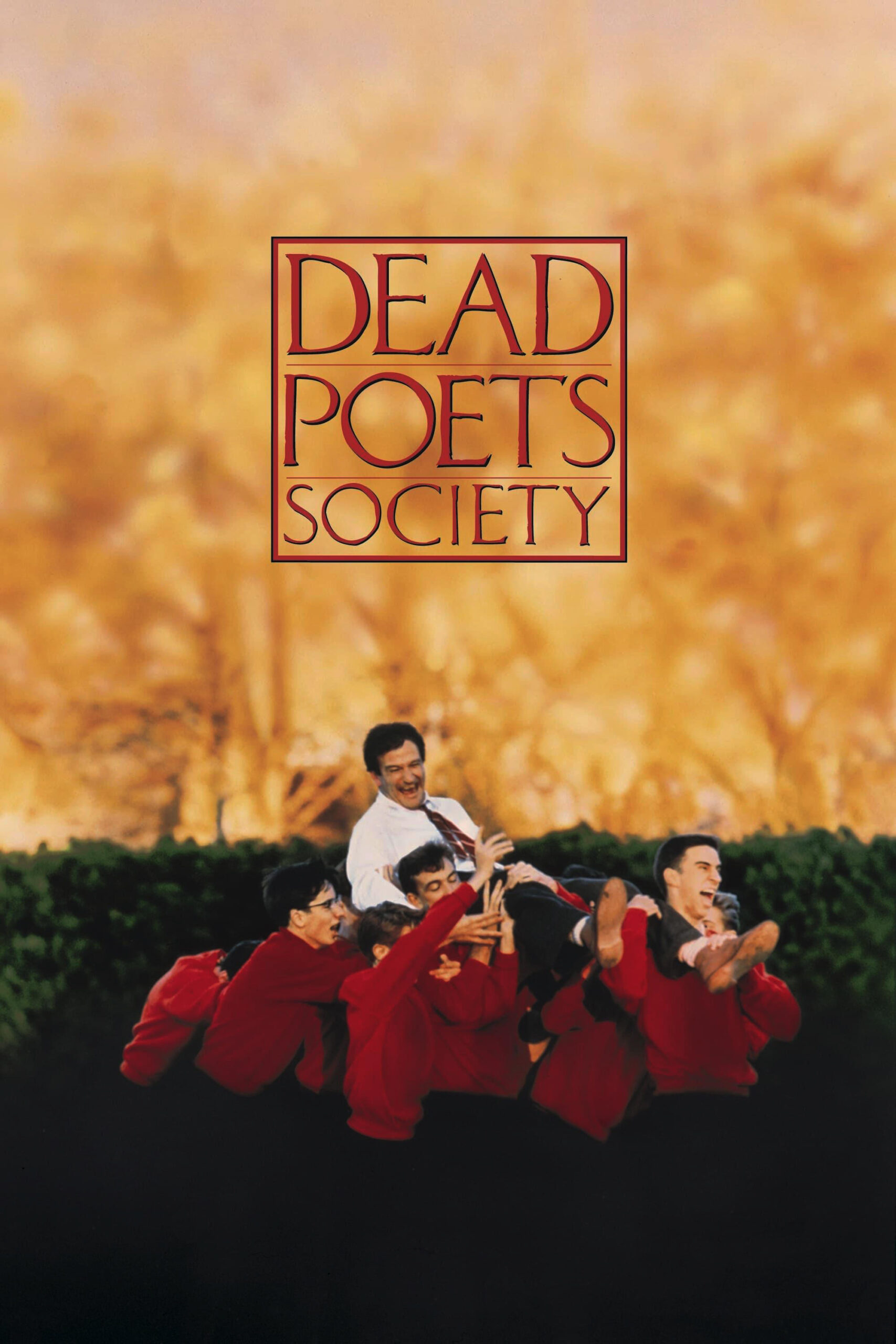
The formation of the “Dead Poets Society” highlights the importance of community-led growth. Instead of a top-down approach, Keating inspired a bottom-up movement. Modern brands like Apple, Tesla, or Harley-Davidson thrive because they have fostered “tribes” of loyalists who share a common language and set of values. The movie teaches us that a brand is most powerful when it empowers its followers to take ownership of the narrative.
In conclusion, Dead Poets Society is much more than a drama about a school; it is an exploration of the branding of the human spirit. It asks us to consider what our personal brand stands for: Do we represent the rigid, safe traditions of the past, or do we have the courage to market a vision of a more authentic, passionate future? By “seizing the day,” we aren’t just making a choice for the moment; we are building a brand that will define our legacy long after the “final bell” has rung.
aViewFromTheCave is a participant in the Amazon Services LLC Associates Program, an affiliate advertising program designed to provide a means for sites to earn advertising fees by advertising and linking to Amazon.com. Amazon, the Amazon logo, AmazonSupply, and the AmazonSupply logo are trademarks of Amazon.com, Inc. or its affiliates. As an Amazon Associate we earn affiliate commissions from qualifying purchases.