
For most individuals, purchasing a home represents the largest financial commitment they will ever make. Central to this monumental decision is understanding home mortgage interest rates—the cost of borrowing the money needed to finance a property. These rates are not static figures but dynamic entities, influenced by a complex interplay of global economic forces, national monetary policies, and individual borrower profiles. Grasping the intricacies of mortgage interest rates is not merely an academic exercise; it is fundamental to financial literacy and crucial for making informed decisions that can save (or cost) homeowners tens or even hundreds of thousands of dollars over the lifetime of a loan. This comprehensive guide will demystify mortgage interest rates, exploring their definition, the factors that drive them, their profound impact on homeownership, and strategies for navigating the market to secure the most favorable terms.
Understanding the Fundamentals of Mortgage Interest Rates
Before diving into the complex mechanics of the mortgage market, it’s essential to establish a foundational understanding of what mortgage interest rates truly represent and how they are applied.
What is a Mortgage Interest Rate?
At its core, a mortgage interest rate is the cost you pay each year to borrow money from a lender to purchase a home, expressed as a percentage of the total loan amount. It is the lender’s compensation for extending credit and taking on the risk that you might default on your payments. This rate directly determines a significant portion of your monthly mortgage payment and, consequently, the total amount you will pay back over the life of the loan. A lower interest rate translates to lower monthly payments and a reduced overall cost of borrowing, making it a critical factor for any homebuyer.
Fixed-Rate vs. Adjustable-Rate Mortgages (ARMs)
The mortgage market primarily offers two main types of interest rate structures, each with distinct characteristics and implications for borrowers:
-
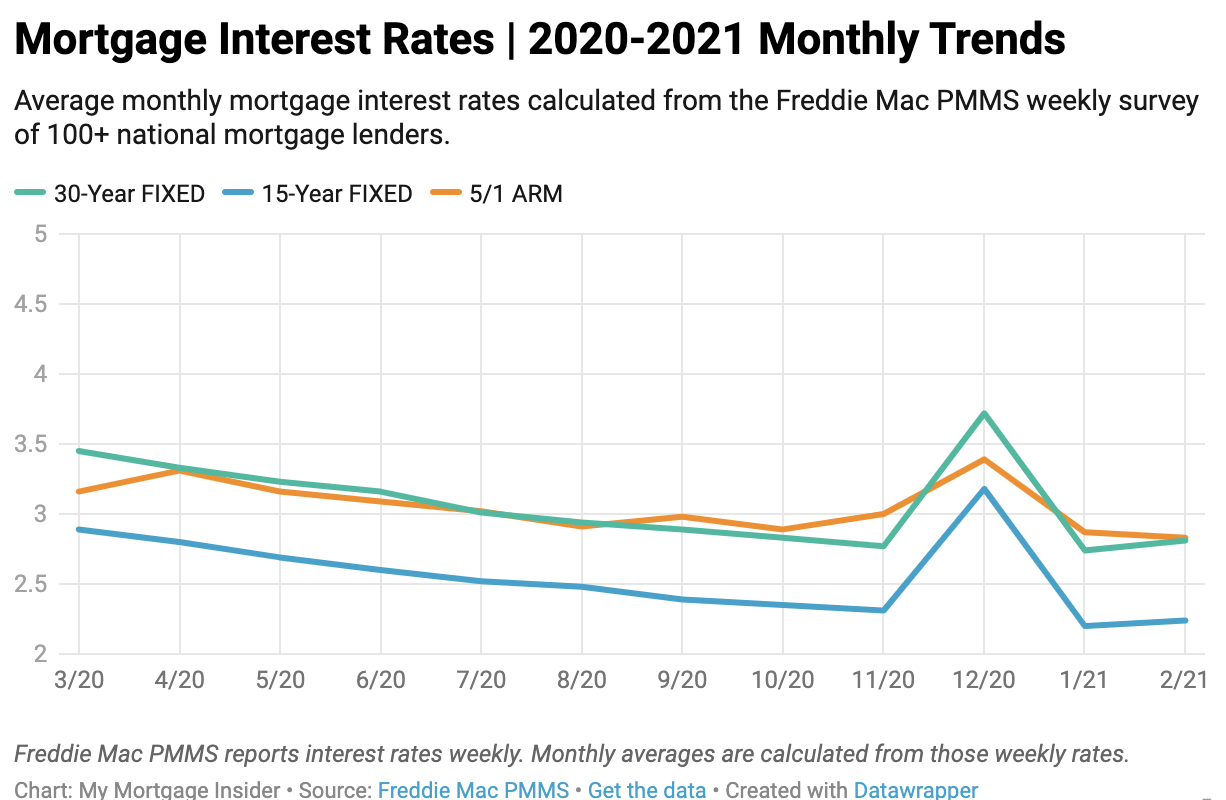
Fixed-Rate Mortgages: As the name suggests, a fixed-rate mortgage maintains the same interest rate for the entire duration of the loan, typically 15 or 30 years. This provides predictability and stability, as your principal and interest payment remains constant, making budgeting straightforward. Borrowers often prefer fixed-rate mortgages during periods of low interest rates, locking in favorable terms for decades. The downside is that if market rates fall significantly after you secure your fixed rate, you might miss out on potential savings unless you choose to refinance.
-
Adjustable-Rate Mortgages (ARMs): ARMs feature an interest rate that changes periodically after an initial fixed-rate period. For example, a 5/1 ARM would have a fixed rate for the first five years, after which the rate would adjust annually based on a pre-selected market index (like the Secured Overnight Financing Rate – SOFR) plus a margin set by the lender. ARMs typically offer lower initial interest rates compared to fixed-rate mortgages, making them attractive for borrowers who anticipate moving before the rate adjusts or who expect their income to increase significantly. However, they introduce interest rate risk, as payments could rise substantially if market rates increase, making them less predictable.
The APR vs. Interest Rate
It’s crucial for homebuyers to differentiate between the nominal interest rate and the Annual Percentage Rate (APR). While the interest rate reflects the cost of borrowing the principal amount, the APR provides a more comprehensive measure of the total cost of the loan. The APR includes not only the interest rate but also most other costs associated with the loan, such as origination fees, discount points, mortgage insurance premiums, and other charges. Because it incorporates these additional fees, the APR is almost always higher than the nominal interest rate. Comparing APRs across different loan offers provides a more accurate apples-to-apples comparison of the true cost of borrowing from various lenders.
Key Factors Influencing Mortgage Rates
Mortgage interest rates are a product of a dynamic economic environment, influenced by a myriad of factors ranging from global economic trends to individual borrower characteristics. Understanding these drivers is essential for anticipating rate movements and making strategic financial decisions.
Economic Indicators
The broader economic landscape plays a pivotal role in shaping mortgage rates. Lenders assess risk and price their loans based on the health and direction of the economy:
-
Inflation: Perhaps the most significant economic indicator affecting rates, inflation erodes the purchasing power of money over time. Lenders demand higher interest rates to compensate for the reduced value of future repayments. When inflation is high or expected to rise, mortgage rates generally follow suit.
-
Federal Reserve Policy and the Federal Funds Rate: While the Federal Reserve doesn’t directly set mortgage rates, its monetary policy decisions have a profound indirect impact. When the Fed raises or lowers the federal funds rate (the rate at which banks lend to each other overnight), it signals its stance on economic growth and inflation. This, in turn, influences other interest rates throughout the economy, including the yields on Treasury bonds, which mortgage rates often track.
-
GDP and Employment Figures: A strong economy, characterized by robust Gross Domestic Product (GDP) growth and low unemployment, often leads to higher inflation expectations and, consequently, higher interest rates as demand for credit increases. Conversely, a weakening economy might prompt the Fed to lower rates to stimulate borrowing and spending.
The Bond Market
Mortgage rates are closely tied to the bond market, particularly U.S. Treasury bonds and Mortgage-Backed Securities (MBS).
-
Treasury Yields: The yield on the 10-year U.S. Treasury note is often seen as a benchmark for long-term interest rates, including fixed-rate mortgages. When Treasury yields rise, mortgage rates tend to increase, as lenders must offer competitive returns to investors.
-
Mortgage-Backed Securities (MBS) Market: Most mortgages are packaged into MBS and sold to investors. The demand for these securities, and the yield investors expect from them, directly influences the rates lenders offer. High demand for MBS allows lenders to offer lower rates, while low demand or higher expected yields push rates upward.
Lender-Specific Factors
Beyond the macroeconomic environment, individual lenders also contribute to the variation in mortgage rates.
-
Lender’s Risk Assessment: Each lender has its own risk appetite and underwriting standards. They price loans based on their assessment of the likelihood of default, which can lead to slightly different rates even for the same borrower profile.
-
Overhead and Profit Margins: Lenders need to cover their operational costs (staffing, technology, marketing) and generate a profit. These factors are built into the rates and fees they charge.
-
Competition: A highly competitive mortgage market, with many lenders vying for business, can drive rates down as institutions compete on pricing.
Borrower-Specific Factors
Crucially, your individual financial profile plays a significant role in the interest rate you are offered.
-
Credit Score: A higher credit score (e.g., FICO score of 740 or above) signals to lenders that you are a responsible borrower with a strong repayment history, typically qualifying you for the lowest available rates. Lower scores indicate higher risk and result in higher interest rates.
-
Debt-to-Income (DTI) Ratio: This ratio compares your total monthly debt payments to your gross monthly income. A lower DTI (generally below 43%) indicates you can comfortably manage your debts, making you a less risky borrower and potentially eligible for better rates.
-
Loan-to-Value (LTV) Ratio: LTV is calculated by dividing the loan amount by the home’s appraised value. A lower LTV (meaning a larger down payment) reduces the lender’s risk, often leading to more favorable rates. A substantial down payment (e.g., 20% or more) can also help you avoid private mortgage insurance (PMI).
-
Loan Term: Shorter loan terms (e.g., 15-year fixed) typically come with lower interest rates than longer terms (e.g., 30-year fixed) because the lender is exposed to interest rate risk for a shorter period.
-
Loan Type: Government-backed loans like FHA or VA loans may offer different rates than conventional loans, often due to government insurance mitigating lender risk.
The Impact of Interest Rates on Your Homeownership Journey
The interest rate secured on your mortgage isn’t just a number; it’s a powerful financial lever that can profoundly affect every aspect of your homeownership experience, from initial affordability to your long-term wealth accumulation.
Affordability and Monthly Payments
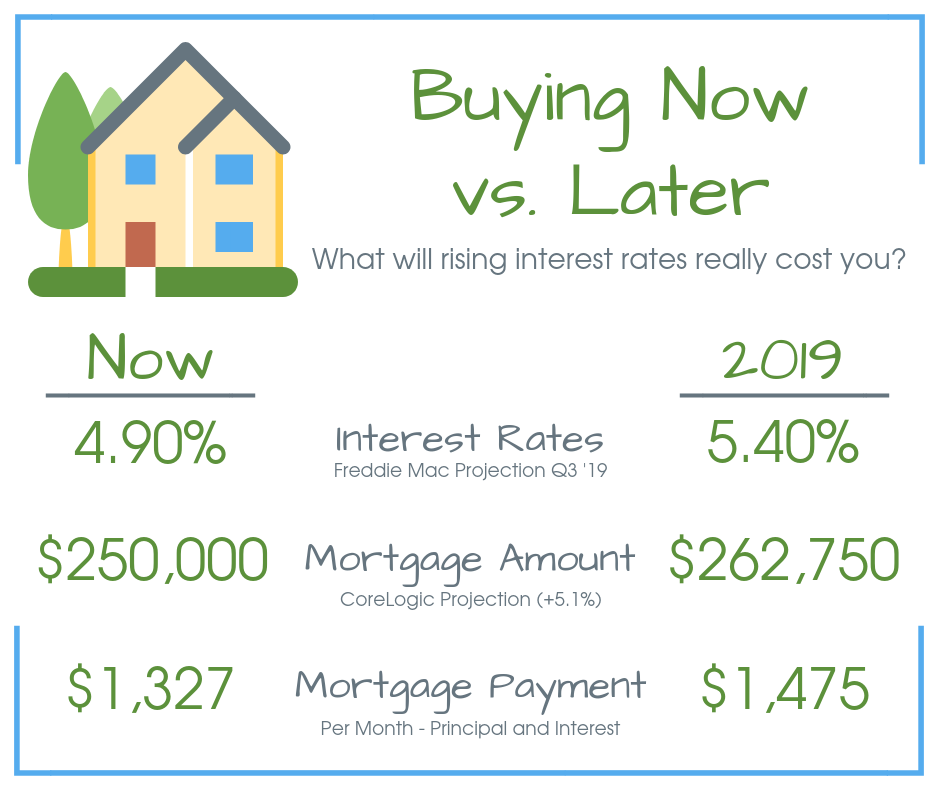
The most immediate and tangible impact of interest rates is on your monthly mortgage payment. Even a seemingly small difference in percentage points can translate into hundreds of dollars per month. For example, on a $300,000 30-year fixed-rate mortgage, a 0.5% difference in interest rate (e.g., 6.0% vs. 6.5%) could alter your monthly principal and interest payment by over $100. This directly affects your budget, your debt-to-income ratio, and ultimately, how much home you can comfortably afford.
Total Cost of the Loan
While monthly payments are important, the long-term impact on the total cost of your loan is even more significant. Over 15 or 30 years, those monthly differences accumulate substantially. Using the same $300,000 loan example, a 0.5% rate difference could mean paying tens of thousands of dollars more or less over the life of the loan. A lower interest rate means a larger portion of your early payments goes towards reducing the principal, building equity faster and saving you substantial money in interest charges over the full term.
Buying Power
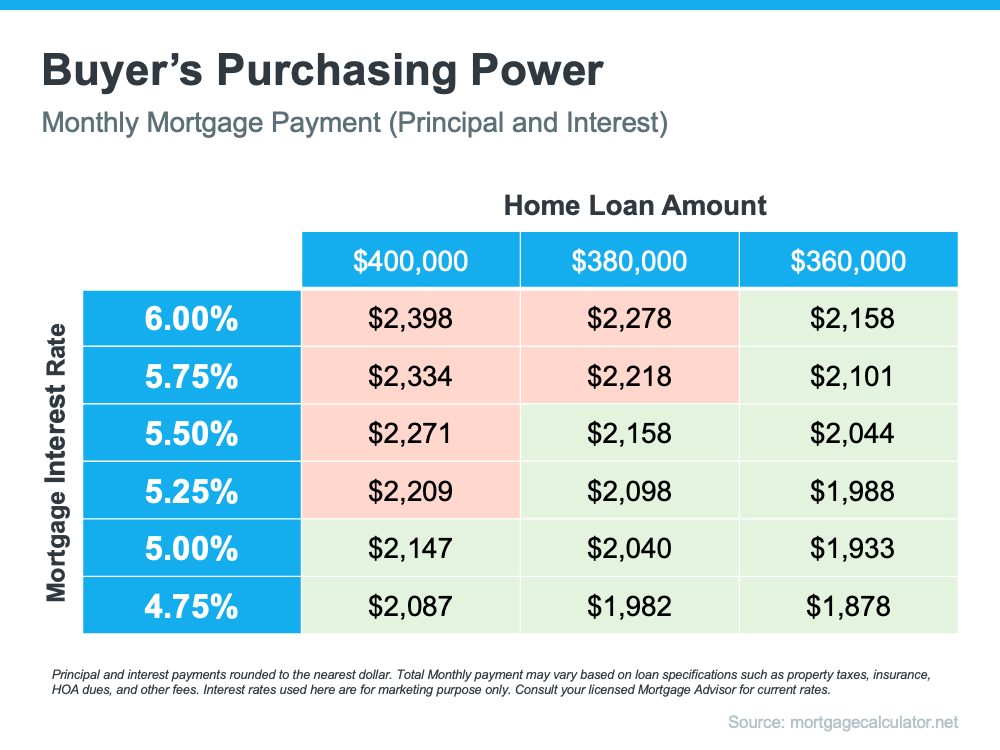
Interest rates directly influence your purchasing power. When rates are low, your money goes further. A lower interest rate means you can afford a larger loan amount for the same monthly payment, or conversely, achieve a lower monthly payment for the same loan amount. This expands the pool of homes you can consider or frees up income for other financial goals. Conversely, when rates rise, your buying power diminishes, potentially forcing you to look at less expensive homes or make a larger down payment to keep your monthly payments manageable.
Refinancing Opportunities
Understanding interest rates is also crucial for strategic refinancing. If rates drop significantly after you’ve secured your initial mortgage, refinancing to a lower rate can be a savvy financial move. Refinancing can reduce your monthly payments, lower the total interest paid over the life of the loan, or even allow you to switch from an ARM to a fixed-rate mortgage for greater stability. However, refinancing involves closing costs, so it’s essential to calculate the break-even point to ensure the savings outweigh the costs.
Navigating the Mortgage Market: Tips for Securing the Best Rate
Securing the best possible mortgage interest rate requires preparation, diligence, and a strategic approach. It’s not just about waiting for rates to drop; it’s about making yourself an attractive borrower and understanding the market.
Improve Your Financial Profile
Before you even begin shopping for a loan, take steps to optimize your financial standing.
-
Boost Your Credit Score: Pay bills on time, reduce credit card balances, and avoid applying for new credit in the months leading up to your mortgage application. A higher credit score translates directly to better rates.
-
Lower Your Debt-to-Income (DTI) Ratio: Pay down existing debts, especially high-interest consumer debt. A lower DTI shows lenders you have ample capacity to manage a mortgage payment.
-
Increase Your Savings for a Down Payment: A larger down payment (and thus a lower LTV) significantly reduces the lender’s risk and can qualify you for better rates, in addition to potentially avoiding PMI.
Shop Around for Lenders
Never settle for the first offer you receive. Mortgage rates can vary significantly between lenders for the exact same borrower.
-
Get Multiple Quotes: Contact various types of lenders—banks, credit unions, and mortgage brokers—and obtain personalized loan estimates.
-
Compare APRs, Not Just Interest Rates: Remember that the APR provides a more complete picture of the loan’s true cost, factoring in fees and other charges.
-
Negotiate: Don’t be afraid to leverage competing offers to negotiate for a better rate or lower fees with your preferred lender.
Understand Closing Costs and Fees
The interest rate is just one component of the total cost. Be meticulous in reviewing the loan estimate to understand all associated costs.
-
Origination Fees: Charges for processing your loan.
-
Discount Points: Fees paid upfront to reduce your interest rate. One point typically equals 1% of the loan amount. Calculate if paying points makes financial sense based on how long you plan to stay in the home.
-
Other Lender and Third-Party Fees: Appraisal fees, title insurance, attorney fees, etc. These can add thousands to your upfront costs.
Consider Rate Locks and Buydowns
These strategies can offer additional control over your interest rate.
-
Rate Lock: Once you’ve found a favorable rate, you can “lock” it for a specific period (e.g., 30, 45, or 60 days) to protect yourself if market rates rise before your closing. There might be a fee for a longer lock period.
-
Mortgage Buydowns: This involves paying an upfront fee (points) to secure a lower interest rate for either a portion of the loan term (temporary buydown) or the entire loan term (permanent buydown). Assess if the long-term savings justify the upfront cost.
Timing the Market
While notoriously difficult to predict precisely, understanding economic trends and their potential impact on mortgage rates can help you make more informed decisions. Follow financial news, keep an eye on Federal Reserve announcements, and consult with reputable mortgage professionals who can offer insights into market movements. Avoid trying to perfectly time the absolute bottom, but be aware of general trends.
Conclusion
Home mortgage interest rates are more than just a line item on a financial statement; they are a critical determinant of financial feasibility, long-term wealth, and overall homeownership experience. From the foundational distinction between fixed and adjustable rates to the intricate dance of economic indicators and the meticulous scrutiny of borrower profiles, understanding the forces that shape these rates empowers you to navigate one of life’s most significant financial undertakings. By diligently improving your financial standing, shopping strategically, and meticulously analyzing all aspects of a loan offer, aspiring and current homeowners can position themselves to secure the most favorable terms, making the dream of homeownership not only achievable but also financially sustainable and rewarding. In the complex world of personal finance, knowledge about mortgage interest rates is not just power—it’s prosperity.
aViewFromTheCave is a participant in the Amazon Services LLC Associates Program, an affiliate advertising program designed to provide a means for sites to earn advertising fees by advertising and linking to Amazon.com. Amazon, the Amazon logo, AmazonSupply, and the AmazonSupply logo are trademarks of Amazon.com, Inc. or its affiliates. As an Amazon Associate we earn affiliate commissions from qualifying purchases.