
The Foundation of Automated Payments: Direct Debits Explained
In the landscape of modern finance, efficiency and convenience are paramount. Direct debits represent a cornerstone of this evolution, offering a robust mechanism for automated money movement. For individuals and businesses alike, understanding this financial instrument, especially within popular financial tools like Cash App, is crucial for effective financial management. A direct debit is essentially an instruction from you (the payer) to your bank or financial institution, authorizing a third party (the payee) to collect varying amounts of money from your account, provided they give you advance notice. Unlike a standing order, which is a fixed payment instruction from you, a direct debit grants the payee more flexibility in terms of amount and date, making it ideal for bills that fluctuate, like utilities, or regular subscriptions.
Defining Direct Debits: A Core Financial Instrument
At its heart, a direct debit is an agreement. You grant a company or organization permission to pull funds directly from your linked bank account to pay for goods or services. This authorization is typically provided through a mandate, either paper-based or electronic, detailing the terms under which payments can be collected. Common uses include monthly utility bills (electricity, gas, internet), loan repayments, insurance premiums, mortgage payments, and regular charitable donations. The convenience lies in its automation; once set up, payments are processed automatically, ensuring bills are paid on time without manual intervention.
The Mechanics of Direct Debit: How Funds Move
The process begins when a payer authorizes a payee to collect funds. This authorization usually involves providing bank account details (account number and routing number) and explicit consent. The payee then submits a request to their bank, which in turn communicates with the payer’s bank. The payer’s bank verifies the mandate and, if everything is in order, debits the specified amount from the payer’s account and credits the payee’s account. This entire process is regulated and typically backed by consumer protection schemes, offering recourse in cases of error or unauthorized transactions.
Key Players in a Direct Debit Transaction
Every direct debit transaction involves several critical entities:
-
The Payer: The individual or entity whose account is debited. This is you, the Cash App user, making a payment.
-
The Payee: The organization or company authorized to collect funds. This could be your utility provider, landlord, or subscription service.
-
The Payer’s Bank/Financial Institution: The entity holding the payer’s account (e.g., your traditional bank linked to Cash App).
-
The Payee’s Bank/Financial Institution: The entity holding the payee’s account.
Cash App acts as a modern intermediary, a financial tool that connects your traditional bank account to a more agile digital platform, facilitating the initiation and management of these direct debit functionalities.
Cash App as a Gateway to Streamlined Financial Management
Cash App has evolved from a peer-to-peer payment service into a comprehensive financial tool, embracing functionalities traditionally found in brick-and-mortar banks. Its ability to handle direct debits significantly enhances its utility for everyday financial management, positioning it as a powerful platform for individuals seeking to consolidate their financial activities. By integrating direct debit capabilities, Cash App allows users to manage recurring expenses and income streams directly through their app, simplifying their financial ecosystem.
Integrating Traditional Finance with Digital Convenience
For many users, Cash App serves as their primary digital wallet or even their banking hub, especially with features like routing and account numbers for their Cash App account. This means that users can treat their Cash App balance and associated accounts much like a traditional bank account when it comes to direct debits. Instead of having funds pulled from a separate bank, the funds can be directly debited from the user’s Cash App balance, or deposited directly into it. This integration bridges the gap between traditional banking infrastructure and the agility of digital financial tools, offering a seamless experience.
Why Cash App Users Leverage Direct Debits
The reasons for using Cash App for direct debits are diverse, rooted in convenience and control:
-
Automated Bill Payments: Paying rent, utilities, internet, or insurance premiums directly from Cash App ensures timely payments and avoids late fees.
-
Subscription Management: Managing recurring streaming services, gym memberships, or software subscriptions becomes effortless.
-
Direct Deposit of Income: Many employers offer direct deposit for paychecks. By providing their Cash App routing and account number, users can have their wages deposited directly into their Cash App account, making funds immediately available.
-
Government Benefits: Social Security, tax refunds, and other government benefits can also be directed to a Cash App account via direct deposit, offering quick access to funds.
Eligibility and Requirements for Direct Debits on Cash App
To utilize direct debit functionalities on Cash App, users typically need to have:
-
An active and verified Cash App account.
-
Access to their Cash App routing and account numbers, which are provided once the user has enabled direct deposit or activated the Cash Card.
-
Sufficient funds in their Cash App balance or linked bank account to cover outgoing direct debits.
-
Compliance with Cash App’s terms of service and any applicable regulatory requirements.
The process is designed to be straightforward, empowering users to leverage these features with minimal friction.
Practical Steps to Manage Direct Debits on Cash App
Managing direct debits effectively on Cash App requires understanding how to set them up, monitor them, and, if necessary, dispute or cancel them. This proactive approach ensures financial control and helps prevent overdrafts or missed payments. The intuitive design of Cash App aims to make these processes as user-friendly as possible, demystifying what can sometimes be perceived as complex financial operations.
Receiving Funds: Setting Up Direct Deposits
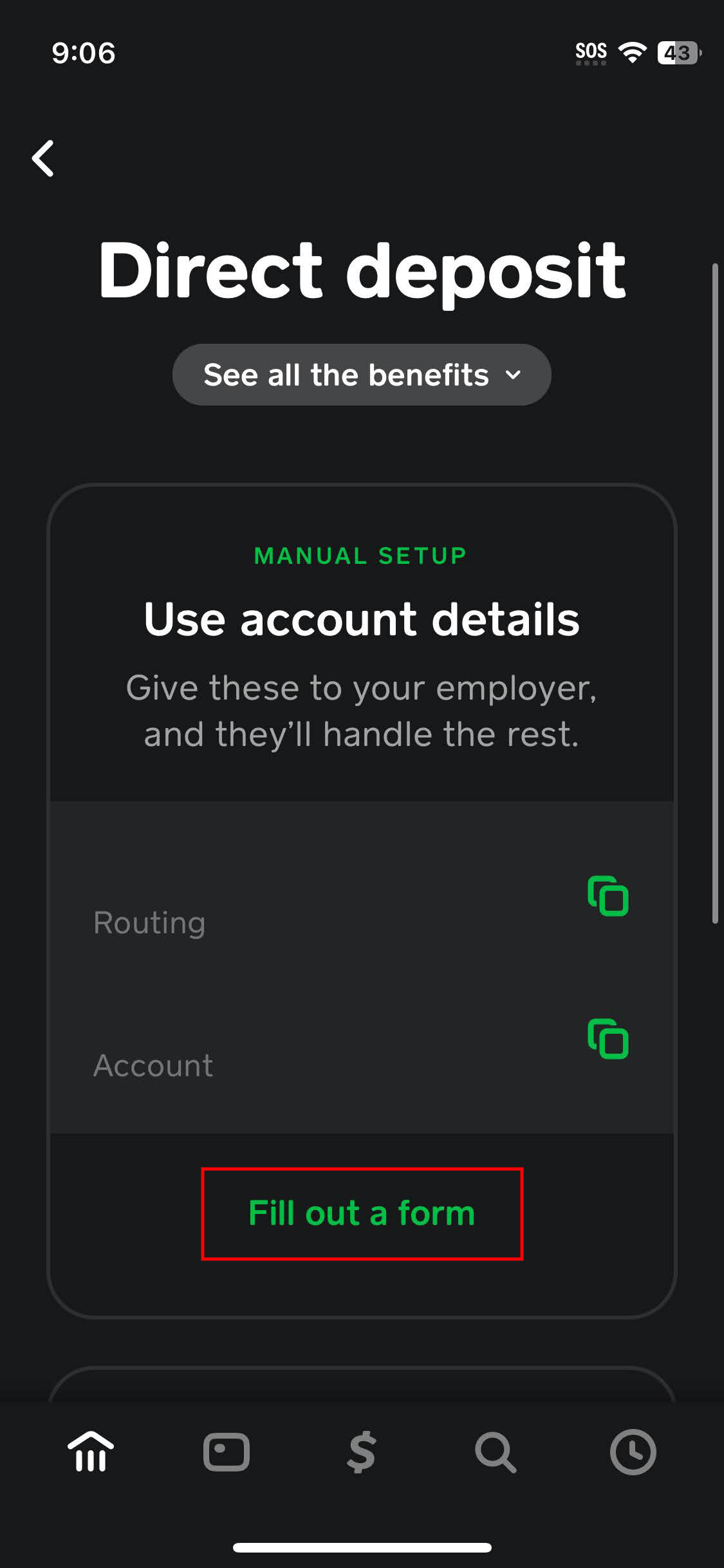
For incoming direct debits (more commonly known as direct deposits when receiving funds), you need to provide your Cash App account details to the payer.
-
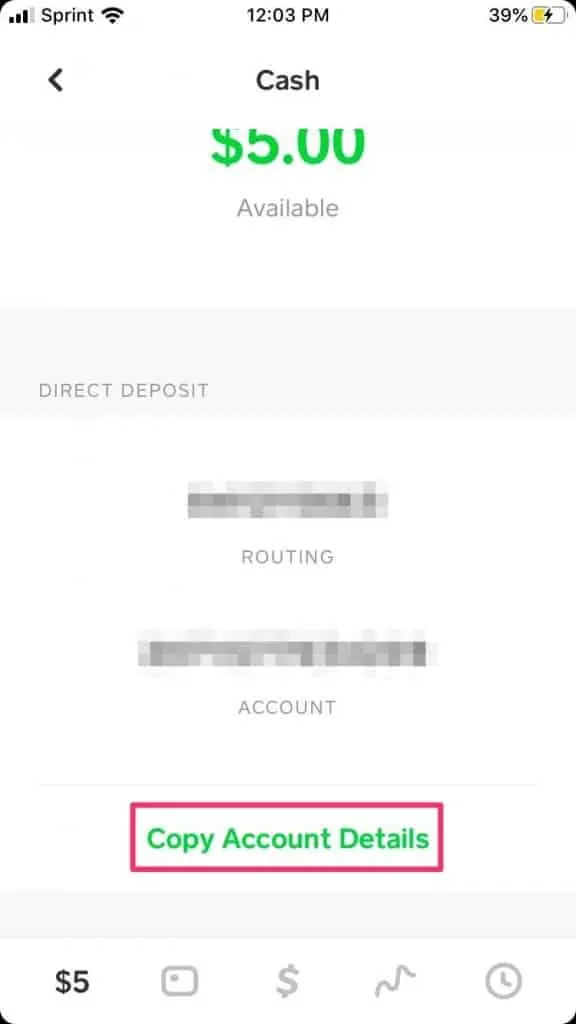
Locate Your Cash App Account Info: In the Cash App, tap on the “Banking” tab (the house icon) or the “Money” tab. You’ll usually see your routing number and account number displayed there. If not, look for an option to “Get Direct Deposit.”
-
Provide Details to Payer: Give these routing and account numbers to your employer, government agency, or other payer. They will then initiate the direct deposit to your Cash App account.
-
Confirm Deposit: Once set up, funds will typically arrive on your scheduled payday or payment date. You’ll receive a notification from Cash App when the deposit lands.
Making Payments: Authorizing Direct Debits
When you want to use Cash App to pay a company via direct debit (an outgoing payment), you need to provide your Cash App banking details to that company.
-
Authorize the Payee: When signing up for a service or setting up a bill payment, the payee will ask for your bank account details. Provide your Cash App routing and account numbers instead of a traditional bank’s.
-
Ensure Sufficient Funds: Make sure your Cash App balance has enough funds to cover the direct debit on the scheduled payment date. If funds are insufficient, the direct debit may fail, potentially incurring fees from the payee or Cash App.
-
Monitor Transactions: Regularly check your Cash App activity feed to ensure direct debits are processed correctly and on time.
Monitoring and Controlling Your Automated Transactions
Vigilance is key to sound financial management. Cash App provides tools to help you monitor your direct debits:
-
Activity Feed: All transactions, including direct deposits and debits, are logged in your Cash App activity feed, providing a clear overview of money movement.
-
Notifications: Enable notifications to receive alerts when funds are deposited or debited, offering real-time updates on your account status.
-
Statements: You can often access monthly statements through the app, which detail all transactions and help reconcile your financial records.
Financial Implications: Benefits and Safeguards
Leveraging direct debits through a financial tool like Cash App brings substantial benefits for personal finance, primarily through automation and improved financial hygiene. However, it also requires an understanding of the associated financial safeguards and security considerations.
Enhancing Financial Discipline and Punctuality
The primary benefit of direct debits is their ability to automate recurring payments. This automation ensures bills are paid on time, every time, without you needing to remember due dates or manually initiate transfers. This consistency fosters financial discipline, reduces stress, and builds a positive payment history, which can be crucial for creditworthiness. For those using Cash App as a central financial hub, this means consolidating bill payments into a single, easily manageable platform.
Mitigating Late Fees and Missed Payments
Late payments can incur significant penalties, negatively impacting your budget and potentially your credit score. By automating payments via direct debit, you virtually eliminate the risk of late fees. This financial safeguard alone can save users a considerable amount over time, preserving their funds for savings or other investments. It also frees up mental energy, allowing individuals to focus on broader financial goals rather than day-to-day bill tracking.
Understanding Consumer Protections and Reversals
While direct debits offer convenience, they also come with consumer protections. In many jurisdictions, if a direct debit is taken in error, without authorization, or for an incorrect amount, you generally have the right to challenge it and request a refund from your bank or financial institution. For Cash App users, this process typically involves contacting Cash App support and potentially your linked bank if the issue requires deeper investigation into the originating account. Understanding these rights is crucial for maintaining financial security and peace of mind.
Linking Your Bank Account: Security Considerations for Financial Data
When setting up direct debits on Cash App, you are essentially creating a bridge between various financial entities. This involves sharing sensitive financial data (routing and account numbers). Cash App employs robust security measures, including encryption and fraud detection systems, to protect user information. However, users also bear responsibility for their financial security:
-
Strong Passwords and PINs: Use unique, complex passwords and enable two-factor authentication.
-
Monitor Activity: Regularly review your Cash App activity for any suspicious transactions.
-
Beware of Phishing: Be cautious of unsolicited communications asking for personal or financial details.
-
Secure Device: Ensure the device you use for Cash App is secure and free from malware.
By adhering to best practices, users can leverage the benefits of direct debits while safeguarding their financial data.
Strategic Financial Planning with Cash App Direct Debits
Beyond mere convenience, direct debits on Cash App can be powerful tools for strategic financial planning. By thoughtfully integrating these automated payments into a broader financial strategy, users can enhance their savings, improve budgeting, and foster overall financial health. Cash App’s accessibility makes these sophisticated financial practices available to a wider audience, democratizing tools traditionally associated with more complex banking setups.
Automating Savings and Investment Contributions
One of the most effective ways to build wealth is through consistent, automated savings. Direct debits facilitate this by allowing users to schedule regular transfers from their main Cash App balance to a dedicated savings pot, an external savings account, or even an investment platform (if Cash App is linked). For example, you could set up a weekly direct debit to move a small, manageable sum into a separate savings account, effectively paying yourself first without having to remember to do it manually. This “set it and forget it” approach to saving dramatically increases the likelihood of achieving financial goals, from emergency funds to down payments.
Budgeting Simplified: Predictable Outflows
Direct debits provide a clear, predictable pattern of outflows, which is invaluable for budgeting. Knowing exactly when and approximately how much money will leave your account for recurring expenses allows for more accurate financial forecasting. When using Cash App as your primary account for direct deposits, you can easily track your net income and fixed expenses within the app, simplifying the process of creating and sticking to a budget. This transparency empowers users to identify areas for cost reduction or opportunities to allocate more funds towards financial objectives.
Optimizing Bill Payments for Financial Health
Using direct debits can also be optimized to improve financial health. For instance, some companies offer discounts for setting up automated payments. Furthermore, by linking utility bills and other essential services to direct debits, users can ensure their credit score remains healthy by consistently making on-time payments, a critical factor for financial well-being. Consolidating all such payments through a single platform like Cash App simplifies tracking and management, providing a holistic view of financial commitments.
The Future of Digital Finance and Automated Money Movement
The integration of direct debit capabilities within platforms like Cash App signifies a broader trend in digital finance: the move towards comprehensive, user-centric financial ecosystems. As these tools evolve, they will continue to empower individuals with greater control over their money, offering sophisticated features that were once the exclusive domain of traditional banking. The ability to seamlessly manage income, expenses, savings, and even investments through a single app heralds a future where personal finance is more accessible, automated, and ultimately, more empowering for everyone.
aViewFromTheCave is a participant in the Amazon Services LLC Associates Program, an affiliate advertising program designed to provide a means for sites to earn advertising fees by advertising and linking to Amazon.com. Amazon, the Amazon logo, AmazonSupply, and the AmazonSupply logo are trademarks of Amazon.com, Inc. or its affiliates. As an Amazon Associate we earn affiliate commissions from qualifying purchases.