
In the modern financial landscape, the “voided check” remains a curious artifact—a bridge between the traditional paper-based banking system and the high-speed digital infrastructure of today’s global economy. Whether you are starting a new job, setting up an automated bill payment, or establishing a direct debit for a brokerage account, you will likely be asked to provide a voided check. For Chase customers, obtaining this document is a straightforward process, yet it requires an understanding of how digital banking tools have evolved to replace physical checkbooks.
As personal finance becomes increasingly digitized, the necessity for a physical piece of paper has diminished, but the underlying need for verified banking credentials remains. A voided check serves as a foolproof method for an external entity to verify your routing number and account number without the risk of a typo. This guide explores the various methods Chase offers to provide this information, the security implications of sharing your banking details, and how to leverage Chase’s digital tools to streamline your financial setup.
The Role of the Voided Check in Modern Personal Finance
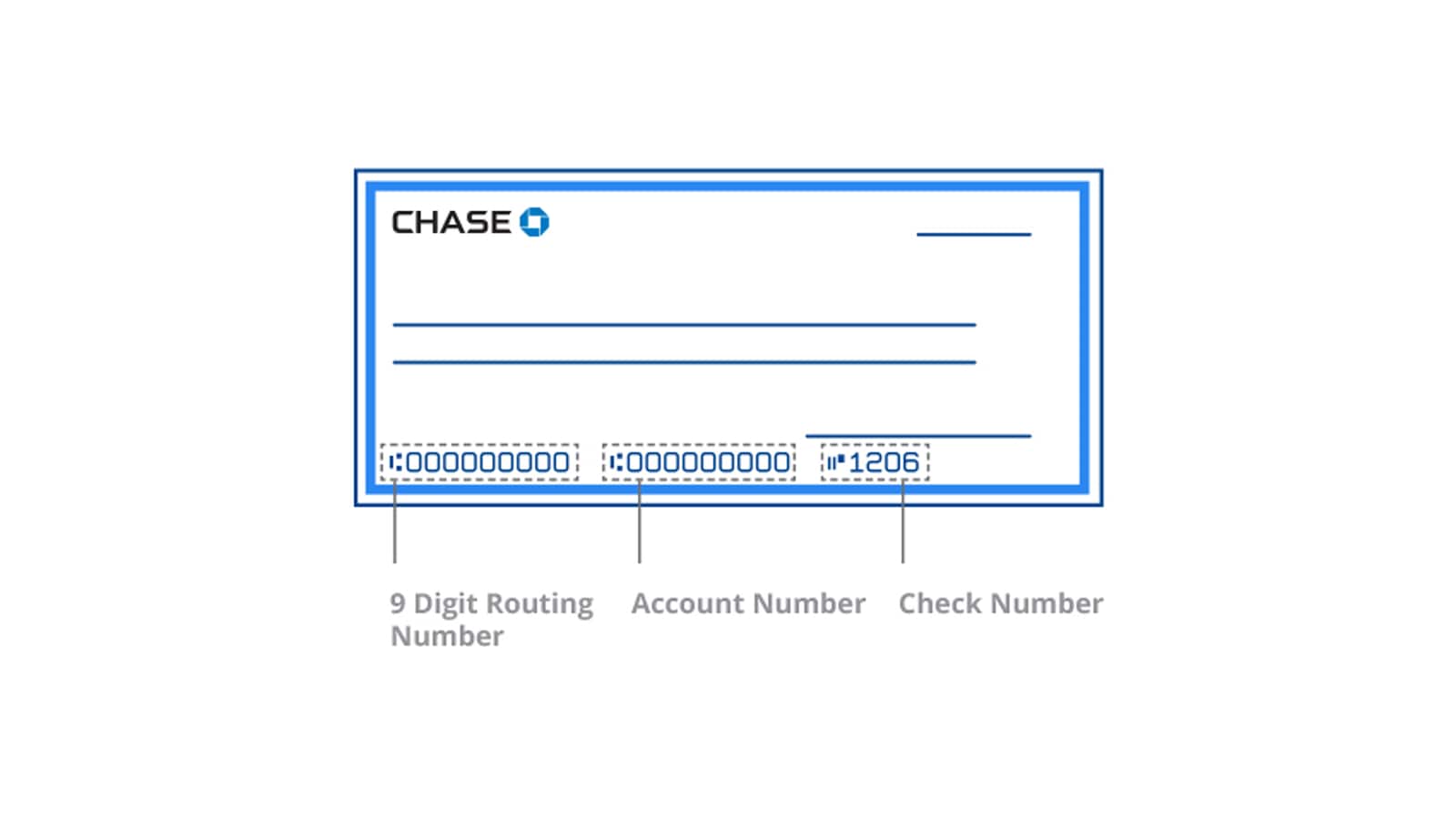
Before diving into the “how,” it is essential to understand the “why.” In the context of personal finance, a voided check is used primarily to facilitate Automated Clearing House (ACH) transfers. When an employer or a utility company asks for a voided check, they are looking for three specific pieces of data: your name, your bank’s routing number, and your unique account number.
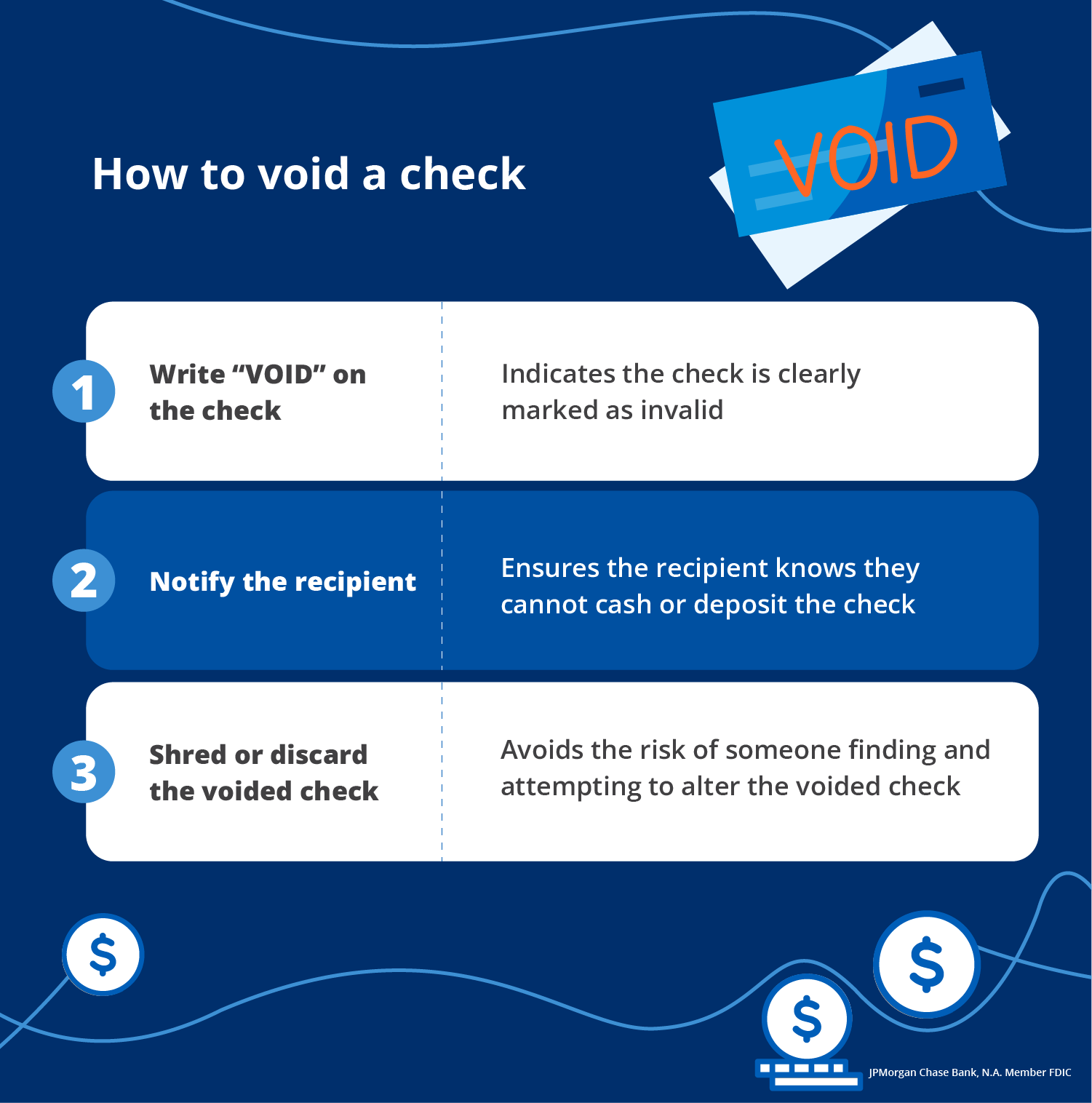
By writing “VOID” across the check, you disable its ability to be cashed or deposited as a monetary instrument while keeping the vital account data legible. This protects you from unauthorized withdrawals while providing the necessary “roadmap” for funds to be sent to or pulled from your Chase account.
Why Digital Alternatives are Gaining Ground
While many institutions still ask for a “voided check,” what they actually require is a “direct deposit authorization form” or a “bank verification letter.” Chase has recognized this shift and offers several digital alternatives that are more professional and secure than a handwritten voided check. These documents carry the bank’s official branding and provide the exact same information in a format that is easier for human resources and accounting departments to process.
Method 1: Obtaining a Direct Deposit Form via Chase Online or Mobile
The most efficient and professional way to provide the equivalent of a voided check is to download a pre-filled Direct Deposit Form from your Chase account. This document contains your account number, routing number, and account type (checking or savings), often accompanied by a visual representation of a check for the recipient’s convenience.
Using the Chase Mobile App
-
Log In: Open the Chase Mobile app and authenticate using your credentials or biometric login.
-
Select Account: Tap on the specific checking account you wish to use for the direct deposit or payment setup.
-
Navigate to Account Services: Scroll down to the “Account services” section or tap the “More” (three dots) icon.
-
Find the Form: Look for the option labeled “Set up direct deposit” or “Create a direct deposit form.”
-
Generate and Save: The app will generate a PDF document pre-filled with your banking information. You can save this to your device, email it to yourself, or send it directly to your employer’s HR portal.
Using the Chase Website
-
Access Your Dashboard: Log in to your account at Chase.com.
-
Account Detail: Click on the checking account you intend to use.
-
Account Features: Look for the “Account services” tab. Here, you will find a link for “Set up direct deposit.”
-
Download the PDF: Chase provides a standardized form that includes a “voided check” graphic at the bottom, which is specifically designed to satisfy the requirements of payroll departments.
This method is superior to a physical check because it eliminates the risk of handwriting errors and provides a professional, bank-issued document that is less likely to be rejected by automated verification systems.
Method 2: Manually Voiding a Physical Chase Check
If you still maintain a physical checkbook with Chase, you can create a voided check manually. This is often the fastest route if you have your checkbook on hand and need to provide a physical copy in person.
Step-by-Step Instructions for Voiding a Check
-
Use Permanent Ink: Use a blue or black pen. Avoid using pencils or erasable ink, as these can be tampered with.
-
Write “VOID”: In large, clear letters, write the word “VOID” across the front of the check.
-
Strategic Placement: Ensure the word “VOID” is large enough to be seen clearly but does not obscure the MICR line at the bottom of the check. The MICR line contains the routing and account numbers, which are the most critical pieces of information for the recipient.
-
Do Not Sign: A voided check should never be signed. Signing it adds an unnecessary layer of risk, even if the check is voided.
-
Record the Transaction: In your checkbook ledger, record the check number and note that it was voided to ensure your records remain accurate for future reconciliation.
What if You Don’t Have Checks?
Many modern “Chase Total Checking” or “Chase Secure Banking” accounts do not come with a complimentary checkbook. If you do not have physical checks, do not worry. You can order them through the Chase website, but this can take several days and usually incurs a fee. For immediate needs, the Direct Deposit Form mentioned in Method 1 is the recommended alternative.
Method 3: Visiting a Chase Branch for Assistance
For those who prefer a face-to-face interaction or have specific requirements that a standard form cannot meet, visiting a local Chase branch is an excellent option. A personal banker can provide several documents that serve as a voided check.
Bank Verification Letters
In some high-stakes financial transactions, such as securing a mortgage or setting up a high-value corporate account, a simple voided check might not suffice. In these cases, you can request a “Bank Verification Letter.” This is a formal document on Chase letterhead, signed by a bank officer, confirming your account details and status.
Counter Checks
While less common today, some branches can print “counter checks” for a small fee. These are temporary checks that include your account information. You can then void one of these checks as described in Method 2. However, be aware that some employers or institutions do not accept counter checks because they often lack the printed name and address of the account holder.
Security Considerations and Financial Best Practices
Providing a voided check—whether digital or physical—means you are handing over the keys to your financial castle. Your routing and account numbers are the primary identifiers used to move money. Consequently, you must exercise caution when sharing this information.
Secure Transmission of Documents
Never send an unencrypted photo of a voided check via a standard email or SMS. These channels are not secure and are susceptible to interception. If you must send your banking details digitally, use a secure document portal provided by your employer or use an encrypted file-sharing service.
Monitoring Your Account
Whenever you establish a new direct deposit or automated payment, it is prudent to monitor your Chase account closely for the first two billing cycles. Ensure that the correct amounts are being transacted and that there are no unauthorized “test” deposits or withdrawals that look suspicious. Chase offers “Account Alerts” via text or email, which are invaluable for real-time monitoring of ACH activity.
The Importance of the Routing Number
It is worth noting that Chase has different routing numbers depending on the state where you opened your account and the type of transaction (wire vs. ACH). A voided check ensures that the recipient uses the correct “Electronic” or “ACH” routing number, which may differ from the “Wire Transfer” routing number. Using the wrong number can result in delayed payments or failed transfers, which can be particularly stressful when dealing with payroll.
Conclusion: Mastering Your Financial Tools
The transition from paper checks to digital verification forms is a microcosm of the larger evolution in personal finance. While the “how” of getting a voided check from Chase has changed, the goal remains the same: ensuring the seamless and secure movement of capital.
By utilizing the Chase Mobile app or the online banking portal, you can generate the necessary documentation in seconds, providing a more professional and secure alternative to the traditional voided check. Whether you are an employee looking to get paid or a business owner setting up vendor payments, understanding these tools allows you to manage your finances with greater confidence and efficiency. In an era where financial speed and security are paramount, knowing how to navigate Chase’s digital ecosystem is an essential skill for any savvy consumer.
aViewFromTheCave is a participant in the Amazon Services LLC Associates Program, an affiliate advertising program designed to provide a means for sites to earn advertising fees by advertising and linking to Amazon.com. Amazon, the Amazon logo, AmazonSupply, and the AmazonSupply logo are trademarks of Amazon.com, Inc. or its affiliates. As an Amazon Associate we earn affiliate commissions from qualifying purchases.