
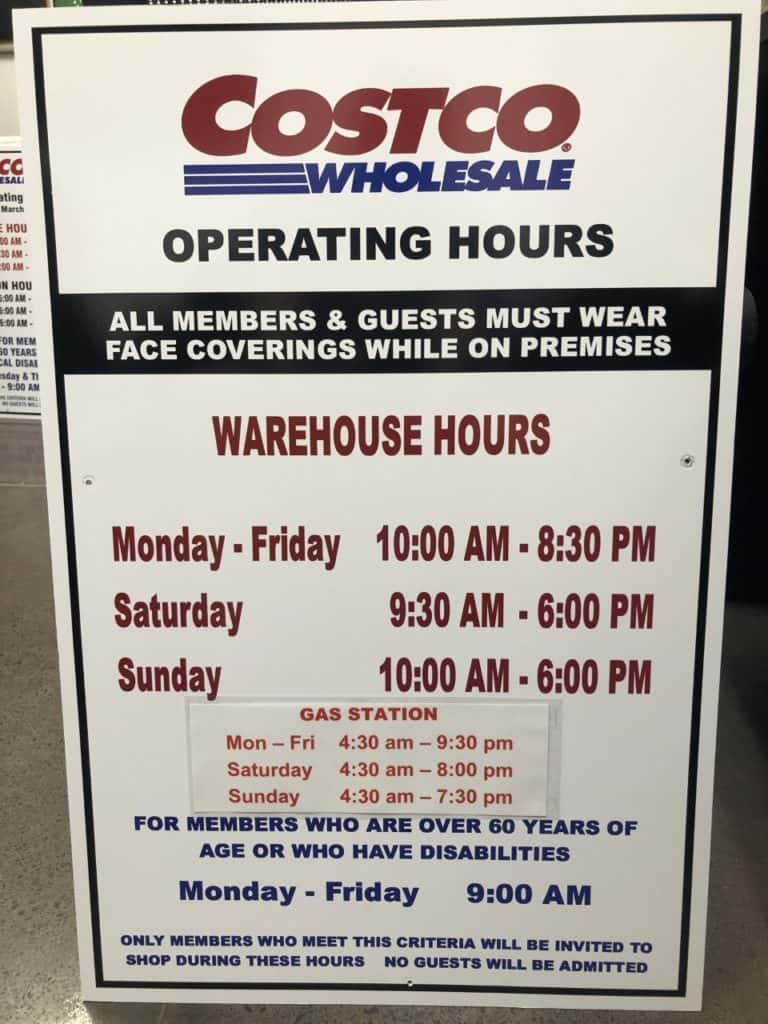
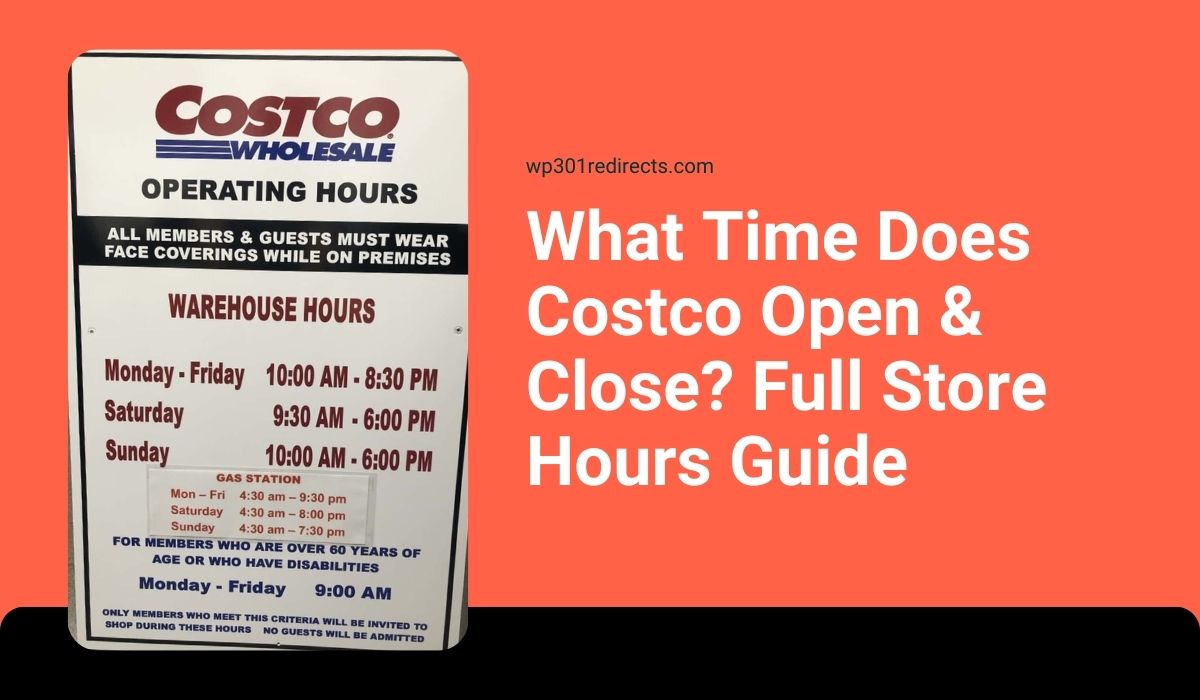
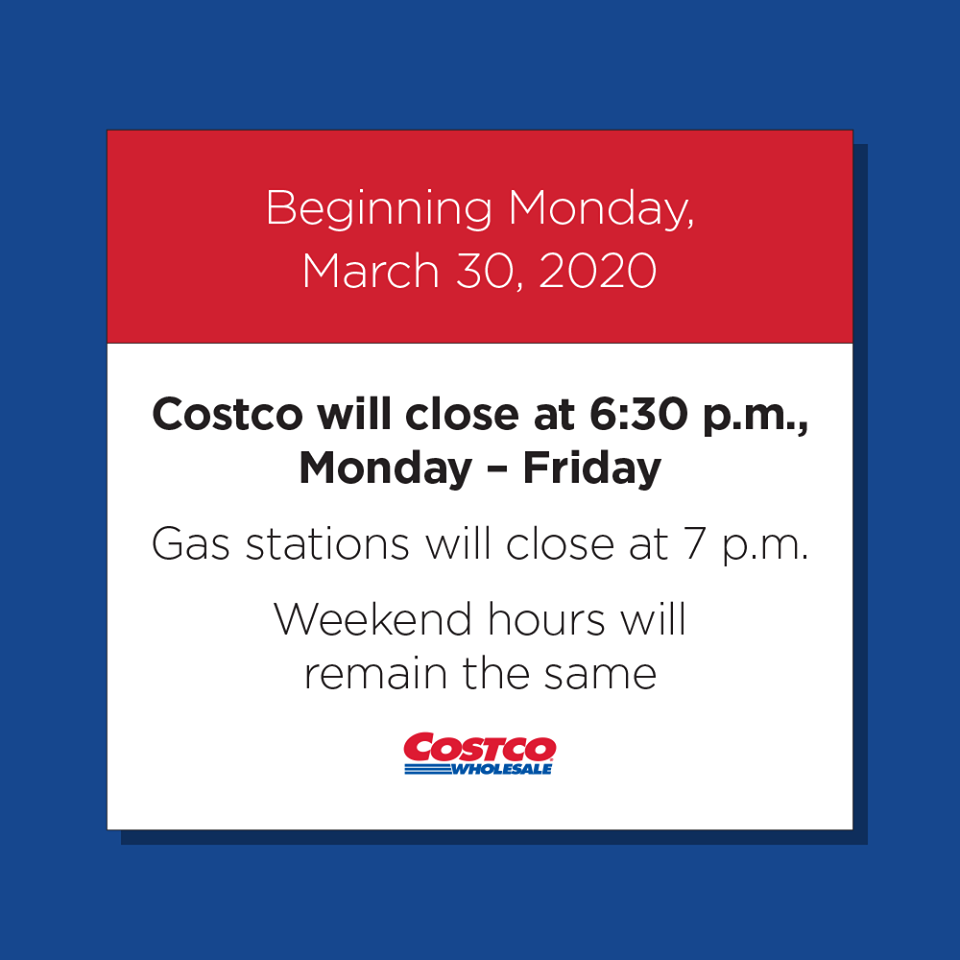
For many consumers, understanding a brand’s operational hours, particularly on a crucial shopping day like Saturday, transcends a mere logistical query. It becomes a fundamental aspect of their interaction with the brand, influencing convenience, planning, and ultimately, perception. In the case of Costco, a retail giant built on member loyalty and bulk value, the seemingly simple question of “when does Costco close on Saturday” opens a window into the brand’s strategic approach to accessibility, customer experience, and the cultivation of an enduring brand promise. Generally, most Costco warehouses close at 6:00 PM on Saturdays, a carefully considered operational choice that reflects a broader brand strategy focused on balancing member convenience with operational efficiency.
The Strategic Imperative of Operational Clarity for Brands
A brand’s commitment to clear, consistent operational information is not just a customer service nicety; it is a strategic imperative that underpins trust and reinforces its market positioning. For a membership-based warehouse club like Costco, where members pay an annual fee for exclusive access, clear communication about when and how they can utilize their membership is paramount.
Building Trust Through Predictability
Predictability is a cornerstone of brand trust. When consumers know they can rely on consistent information – whether it’s product availability, pricing, or store hours – their confidence in the brand strengthens. Erratic or poorly communicated operating hours can lead to frustration, wasted trips, and a tangible erosion of trust. Costco’s consistent Saturday closing time across the majority of its warehouses is a deliberate act of predictability. Members can plan their weekend shopping knowing they have a specific window of time, fostering a sense of reliability that is invaluable for a brand. This reliability contributes to the overall perception of Costco as a stable, member-focused entity, reinforcing its brand identity as a dependable source of value.
The Costco Model: Balancing Member Value and Operational Efficiency
Costco’s brand strategy is unique, heavily weighted towards offering premium value at competitive prices, often necessitating efficient operational models. Unlike traditional retailers that might extend hours significantly on weekends, Costco’s decision to close at 6:00 PM on Saturdays reflects a careful balance. This allows the brand to maximize peak shopping periods, primarily during the day, while also managing labor costs and ensuring employees have a predictable work-life balance. This internal efficiency ultimately translates to continued savings and benefits for members, aligning with the brand’s core value proposition. The brand message here is subtle but powerful: efficient operations enable better value, and part of that efficiency involves managing the retail window effectively.
Saturday Hours as a Cornerstone of the Costco Brand Promise
The brand promise of Costco extends beyond just low prices; it encompasses an efficient, satisfying, and convenient shopping experience. Saturday hours play a critical role in fulfilling this promise, catering to the unique needs and shopping behaviors of its diverse member base.
Catering to Diverse Member Lifestyles
Weekends, particularly Saturdays, are prime shopping days for a vast segment of the population. Many members, especially those working traditional weekday schedules, rely on Saturdays to conduct their bulk purchasing. Costco’s choice to maintain a substantial, albeit not excessively long, Saturday operating window (often from 9:30 AM or 10:00 AM to 6:00 PM) directly addresses these diverse lifestyle needs. It provides ample opportunity for families, small business owners, and individuals to navigate the expansive warehouses without feeling rushed, while also allowing for other weekend activities. This strategic timing positions Costco as an accessible and understanding brand that fits into its members’ lives rather than dictating them. It shows an awareness of its members’ broader commitments and designs its operational footprint accordingly.
The Weekend Shopping Phenomenon and Brand Response
The weekend shopping phenomenon is a well-documented aspect of consumer behavior, characterized by higher foot traffic and often larger basket sizes. For a brand like Costco, which thrives on volume, optimizing for this period is crucial. By opening relatively early and closing by early evening on Saturdays, Costco manages to capture the brunt of weekend shopping enthusiasm. This strategic window allows the brand to capitalize on the Saturday rush without stretching resources thin into late hours when customer traffic naturally wanes. The brand’s response to this phenomenon is not to stay open endlessly, but to create a concentrated, high-impact shopping period, thereby preserving the unique, often bustling, atmosphere that is part of the Costco brand experience. This atmosphere, characterized by efficient checkouts despite high traffic and well-stocked aisles, contributes to the overall perception of value and service.
Digital Touchpoints and Brand Communication of Store Hours
In the contemporary retail landscape, a brand’s digital presence is an extension of its physical identity. For Costco, effectively communicating Saturday hours through digital channels is an indispensable element of its brand strategy, reinforcing its reliability and commitment to customer convenience.
Seamless Information Access: Websites, Apps, and Local Search
In an age where instant information is expected, a brand’s ability to provide accurate and easily accessible operational details is paramount. Costco achieves this through multiple digital touchpoints. Its official website prominently features a store locator with real-time hours for individual warehouses. The Costco mobile app offers similar functionality, allowing members to quickly check their preferred location’s schedule. Furthermore, integrating with local search platforms like Google Maps and Yelp ensures that members searching for “Costco near me” instantly receive correct operating hours. This seamless digital accessibility eliminates friction in the member journey, preventing frustration and enhancing the perception of a modern, customer-centric brand. It demonstrates that Costco understands and invests in the digital convenience that its members increasingly demand.
Consistency Across Channels: Reinforcing Brand Reliability
The importance of consistency in brand communication cannot be overstated. When a member checks the Costco website, then the app, and perhaps even a third-party directory, finding the same, accurate Saturday closing time reinforces the brand’s reliability. Discrepancies, however minor, can sow seeds of doubt and undermine trust. Costco’s rigorous management of its operational data across all digital channels is a testament to its commitment to a coherent brand message. This meticulous approach ensures that the brand’s promise of predictable, accessible service is upheld, whether the member is physically walking through the doors or planning their trip from their smartphone. This unified information delivery strengthens the brand’s integrity and reduces friction in the customer experience, a key differentiator in a competitive market.
Beyond Hours: How Accessibility Shapes the Overall Brand Perception
While store hours might seem a granular detail, their management and communication profoundly impact a brand’s broader perception. For Costco, accessibility – both physical and informational – is integral to building and maintaining its formidable brand equity.
Customer Convenience as a Competitive Differentiator
In a saturated retail market, customer convenience has emerged as a powerful competitive differentiator. Brands that make it easier for consumers to engage with them—whether through optimized store hours, seamless online experiences, or readily available information—gain a significant edge. Costco’s strategic Saturday hours, combined with its robust digital communication, position it as a brand that actively prioritizes member convenience. This strategic focus is not just about avoiding complaints; it’s about actively delighting members by removing potential hurdles to their shopping experience. When members feel valued and accommodated, their loyalty deepens, translating into continued membership renewals and positive word-of-mouth – powerful assets for any brand.
The Long-Term Impact on Member Loyalty and Advocacy
The combined effect of reliable Saturday hours and their clear communication contributes significantly to long-term member loyalty and advocacy. A positive and predictable shopping experience, facilitated by accessible hours, reinforces the value proposition of a Costco membership. Members are more likely to renew their annual fees and become advocates for the brand when they consistently find it easy and convenient to shop. This positive cycle of trust, convenience, and satisfaction ensures that the seemingly mundane detail of “when does Costco close on Saturday” is, in fact, a crucial element of the brand’s overarching strategy to cultivate a loyal, engaged, and expanding membership base. It highlights how even the smallest operational decisions can have far-reaching implications for a brand’s health and longevity.
aViewFromTheCave is a participant in the Amazon Services LLC Associates Program, an affiliate advertising program designed to provide a means for sites to earn advertising fees by advertising and linking to Amazon.com. Amazon, the Amazon logo, AmazonSupply, and the AmazonSupply logo are trademarks of Amazon.com, Inc. or its affiliates. As an Amazon Associate we earn affiliate commissions from qualifying purchases.