
Fast-Moving Consumer Goods (FMCG) is a term that permeates discussions about commerce, marketing, and economic indicators. While often referenced, a deep understanding of what constitutes FMCG goods and their significance can be elusive for many. This article aims to demystify this crucial sector, exploring its definition, characteristics, the industries it encompasses, and its profound impact on both consumers and businesses. We will delve into the strategic imperatives that define success within this dynamic market, offering insights into the forces that drive its constant motion.
The Defining Characteristics of FMCG Goods
At its core, FMCG refers to products that are sold quickly and at a relatively low cost. This inherent velocity of sales, coupled with their everyday necessity, distinguishes them from durable goods or luxury items. Several key characteristics define this category, influencing everything from production cycles to marketing strategies.

High Sales Volume and Low Profit Margins
The defining feature of FMCG is the sheer volume at which these products are sold. Think of your daily essentials: toothpaste, milk, bread, toilet paper, cleaning supplies. These are items purchased frequently, often multiple times a week, by a vast majority of the population. This high turnover is crucial for profitability. While the profit margin on a single unit of FMCG might be small, the cumulative effect of selling millions or billions of units generates substantial revenue. This necessitates efficient production, streamlined supply chains, and aggressive distribution strategies to ensure products are always available to consumers. Companies in the FMCG sector must excel at managing inventory, minimizing waste, and optimizing their operational costs to maintain healthy profit margins.
Short Shelf Life and Perishability
Many FMCG products have a limited shelf life. This applies particularly to food and beverage items, where freshness and expiry dates are critical. Even non-food items like certain cleaning solutions or personal care products may have a recommended usage period. This perishability or limited shelf life intensifies the need for rapid sales and efficient stock rotation. Retailers must carefully manage their inventory to avoid spoilage or obsolescence, while manufacturers must ensure timely delivery to minimize the time products spend in transit or on shelves. This characteristic also drives innovation in packaging and preservation techniques, as companies strive to extend shelf life without compromising product quality or consumer perception.
High Consumer Demand and Repeat Purchases
The demand for FMCG products is generally consistent and largely inelastic, meaning consumer purchasing habits for these goods are less affected by economic downturns. People will continue to buy food, personal hygiene products, and cleaning supplies regardless of their financial situation. This consistent demand creates a stable market for manufacturers and retailers. Furthermore, FMCG is heavily reliant on repeat purchases. Consumers often develop brand loyalty for everyday items based on quality, price, or habit. Therefore, successful FMCG brands invest heavily in building and maintaining this loyalty through effective marketing, product quality, and accessible pricing. The goal is to become the default choice in a consumer’s shopping basket.
Wide Availability and Accessibility
FMCG goods are designed to be readily available to consumers. They are distributed through a vast network of retail channels, ranging from large supermarkets and hypermarkets to convenience stores, local shops, and increasingly, online platforms. This widespread accessibility ensures that consumers can easily purchase these essential items whenever and wherever they need them. For manufacturers, achieving this broad distribution requires robust logistics and strong relationships with retailers. For consumers, it means that common household items are rarely out of reach, contributing to their status as everyday necessities.
Key Industries Within the FMCG Sector
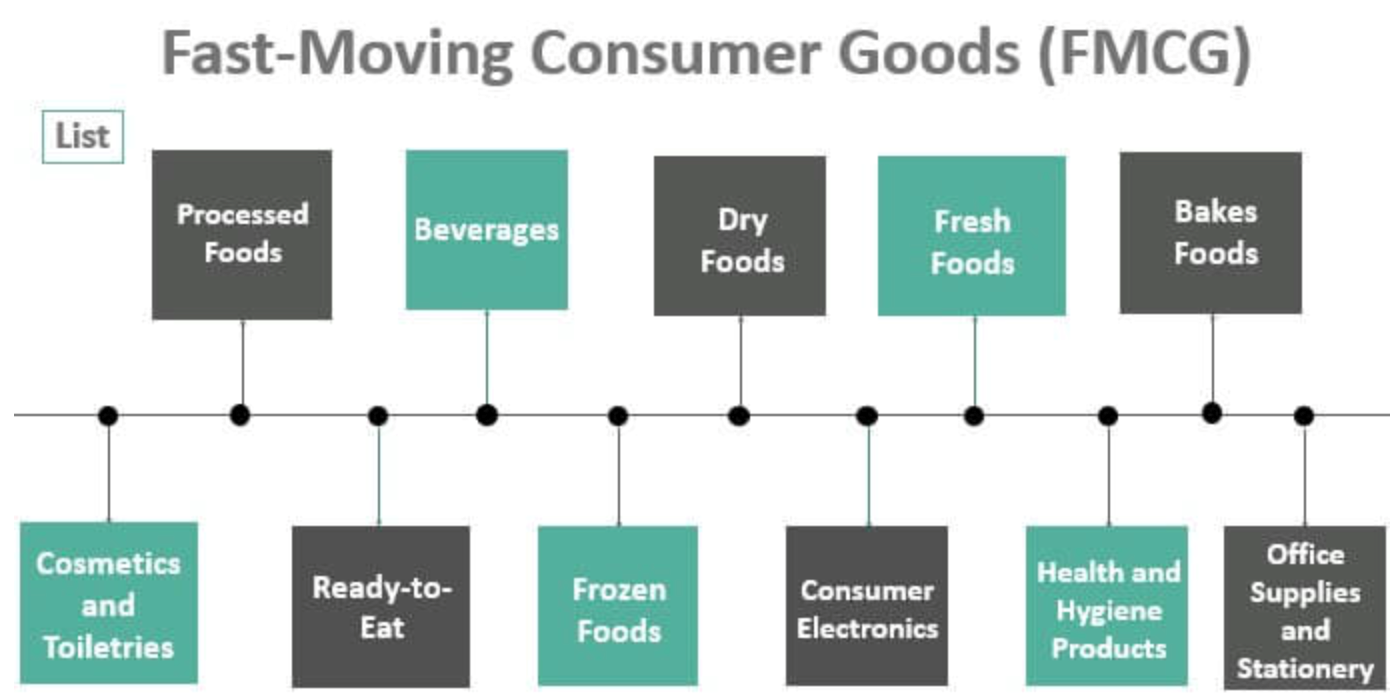
The breadth of products falling under the FMCG umbrella is extensive, spanning numerous industries that cater to daily human needs and desires. These industries, while distinct, share the common characteristics of high volume, frequent purchase, and relatively low cost. Understanding these sub-sectors provides a clearer picture of the FMCG landscape’s diversity and economic significance.
Food and Beverages
This is arguably the largest and most visible segment of the FMCG market. It encompasses everything from fresh produce and dairy products to packaged snacks, beverages (both alcoholic and non-alcoholic), ready-to-eat meals, and pantry staples like grains and pasta. The food and beverage industry is characterized by intense competition, rapid product innovation driven by evolving consumer tastes and health trends, and stringent regulatory requirements concerning food safety and labeling. Brands in this sector often compete on taste, price, convenience, and perceived health benefits. The constant need for replenishment ensures a perpetual demand, making it a cornerstone of the FMCG economy.
Personal Care and Cosmetics
This segment includes a wide array of products designed for hygiene, grooming, and beautification. Examples include soaps, shampoos, conditioners, toothpaste, deodorants, lotions, skincare products, makeup, and fragrances. While some personal care items are considered daily essentials, others, like premium cosmetics or perfumes, can blur the lines with higher-value goods. However, the high purchase frequency and accessibility of most products firmly place them within the FMCG domain. This industry is heavily driven by branding, marketing, and the continuous introduction of new formulations and trends to capture consumer attention and foster brand loyalty.
Household Cleaning and Maintenance
Products designed to keep homes clean and well-maintained form another significant FMCG category. This includes laundry detergents, dishwashing liquids, surface cleaners, disinfectants, air fresheners, and pest control products. The universal need for cleanliness and hygiene ensures a consistent demand for these items. Similar to personal care, this sector relies on effective product performance, competitive pricing, and strong brand recognition. Innovation often focuses on efficacy, environmental sustainability, and convenience, such as concentrated formulas or user-friendly packaging.

Over-the-Counter (OTC) Pharmaceuticals and Health Products
This category encompasses non-prescription medications for common ailments, such as pain relievers, cold and flu remedies, allergy medications, and antacids. It also includes vitamins, supplements, and basic first-aid supplies. While these products address health concerns, their widespread availability in pharmacies, supermarkets, and convenience stores, coupled with their relatively low cost and frequent need, classifies them as FMCG. Marketing in this space often focuses on efficacy, safety, and affordability, with a strong emphasis on trust and brand reputation.
Strategic Imperatives for Success in FMCG
The FMCG market is characterized by intense competition and razor-thin margins. To thrive, companies must implement sophisticated strategies that optimize every aspect of their business, from product development and manufacturing to marketing and distribution. Success is not merely about having a good product; it’s about executing a holistic and agile business model.
Brand Building and Consumer Loyalty
In a market where products are often undifferentiated in their basic function, building a strong brand is paramount. FMCG companies invest heavily in marketing and advertising to create emotional connections with consumers and establish brand recall. This includes developing compelling brand stories, consistent visual identities, and memorable taglines. Loyalty programs, attractive packaging, and strategic promotions are also crucial for encouraging repeat purchases and fostering a sense of trust and preference. Ultimately, a strong brand acts as a significant competitive advantage, allowing companies to command a premium or simply ensure they remain top-of-mind when consumers make their purchasing decisions.
Supply Chain and Distribution Excellence
The rapid turnover of FMCG products necessitates an incredibly efficient and robust supply chain. This involves optimizing manufacturing processes to ensure high production volumes, managing raw material sourcing effectively, and developing sophisticated logistics networks for timely delivery to an extensive range of retail outlets. Companies must also be adept at inventory management, minimizing stockouts while avoiding excess inventory that can lead to spoilage or obsolescence. Modern FMCG businesses leverage advanced technology, data analytics, and strategic partnerships to streamline their supply chains, reduce costs, and ensure product availability, which is a key driver of consumer satisfaction and loyalty.
Product Innovation and Adaptability
The FMCG landscape is constantly evolving, driven by changing consumer preferences, health trends, technological advancements, and competitive pressures. Successful FMCG companies are those that can innovate rapidly and adapt to these shifts. This involves continuous research and development to introduce new products, improve existing formulations, and develop sustainable packaging solutions. It also means being attuned to market signals, whether it’s the growing demand for plant-based foods, the preference for eco-friendly cleaning products, or the rise of personalized nutrition. Agility in product development and a willingness to pivot based on market feedback are essential for long-term survival and growth.
Pricing Strategies and Promotional Activities
Given the often low profit margins on individual items, smart pricing and effective promotional strategies are vital for FMCG profitability. Companies must balance competitive pricing with the need to cover costs and generate profit. This often involves tiered pricing strategies, value packs, and strategic discounts. Promotional activities, such as BOGO (Buy One, Get One) offers, coupons, loyalty points, and in-store displays, are widely used to drive trial, boost sales volume, and encourage impulse purchases. Understanding consumer price sensitivity and the competitive pricing landscape is crucial for developing effective pricing models that maximize both sales and profitability.
The Economic Significance and Future Outlook of FMCG
The Fast-Moving Consumer Goods sector is a bellwether for the broader economy. Its resilience and consistent demand make it a stable contributor to GDP and employment. The sector’s performance often reflects consumer confidence and spending power. As global populations grow and urbanization continues, the demand for FMCG products is projected to rise, presenting both opportunities and challenges for businesses.
Resilience and Economic Indicators
FMCG goods are often referred to as “recession-proof” to a certain extent, as demand for essentials remains relatively stable even during economic downturns. This makes the FMCG sector a reliable indicator of economic health. Growth or contraction in FMCG sales can signal broader trends in consumer spending and economic activity. Furthermore, the sector is a significant employer, from manufacturing and logistics to retail and marketing, contributing substantially to national economies. Its stability also makes it an attractive sector for investors seeking consistent returns.
Emerging Trends and Consumer Behavior Shifts
The future of FMCG will be shaped by several emerging trends. Sustainability and ethical sourcing are increasingly important to consumers, leading to a greater demand for eco-friendly packaging, plant-based alternatives, and products with transparent supply chains. Digitalization is also transforming the sector, with the rise of e-commerce, direct-to-consumer (DTC) models, and data-driven personalized marketing. Health and wellness continue to be a dominant force, driving demand for healthier food options, natural personal care products, and supplements. Companies that can effectively navigate these trends, innovate responsibly, and adapt to evolving consumer values will be best positioned for success.
The Role of Technology and Data Analytics
Technology plays an increasingly pivotal role in the FMCG sector. Advanced analytics are used to understand consumer behavior, optimize supply chains, personalize marketing efforts, and forecast demand more accurately. Artificial intelligence (AI) is being employed in areas such as product development, automated warehousing, and customer service. The Internet of Things (IoT) can help monitor inventory levels and track product movement throughout the supply chain. Embracing these technological advancements is no longer optional but a necessity for FMCG companies aiming to maintain a competitive edge, improve efficiency, and meet the evolving expectations of consumers in a rapidly changing marketplace.
aViewFromTheCave is a participant in the Amazon Services LLC Associates Program, an affiliate advertising program designed to provide a means for sites to earn advertising fees by advertising and linking to Amazon.com. Amazon, the Amazon logo, AmazonSupply, and the AmazonSupply logo are trademarks of Amazon.com, Inc. or its affiliates. As an Amazon Associate we earn affiliate commissions from qualifying purchases.