
In the intricate world of automotive engineering, where precision dictates performance and safety, few maintenance procedures are as critical yet often overlooked as a 4-wheel alignment. Far from being a mere adjustment, it’s a sophisticated calibration process that fine-tunes your vehicle’s steering and suspension geometry to exacting manufacturer specifications. In an era where vehicle technology continues to advance at an astonishing pace, the tools and techniques used for alignment have also evolved, transforming from rudimentary mechanical processes into highly precise, computer-driven operations. Understanding what a 4-wheel alignment entails is not just about car maintenance; it’s about appreciating the complex interplay of physics, engineering, and advanced diagnostics that keeps your vehicle tracking true, tires wearing evenly, and handling predictable.
This isn’t merely about straightening your wheels; it’s about optimizing the angles at which your wheels make contact with the road, ensuring they are perfectly parallel to each other and perpendicular to the ground. This delicate balance, once achieved, translates directly into enhanced driving safety, superior fuel efficiency, reduced tire wear, and a more comfortable driving experience. As we delve into the mechanics and technological underpinnings of this essential service, you’ll gain insight into why a properly aligned vehicle is a hallmark of intelligent automotive care and the cutting edge of vehicular longevity.
The Science of Steering and Suspension Geometry: Beyond the Basics
At its core, a 4-wheel alignment is about manipulating four primary angles that govern how your wheels sit relative to the vehicle and the road. These angles, collectively known as steering and suspension geometry, are crucial for proper vehicle dynamics. Modern alignment systems leverage advanced sensor technology and sophisticated algorithms to measure these precise angles, ensuring adjustments are made with unparalleled accuracy.
Camber: The Vertical Tilt
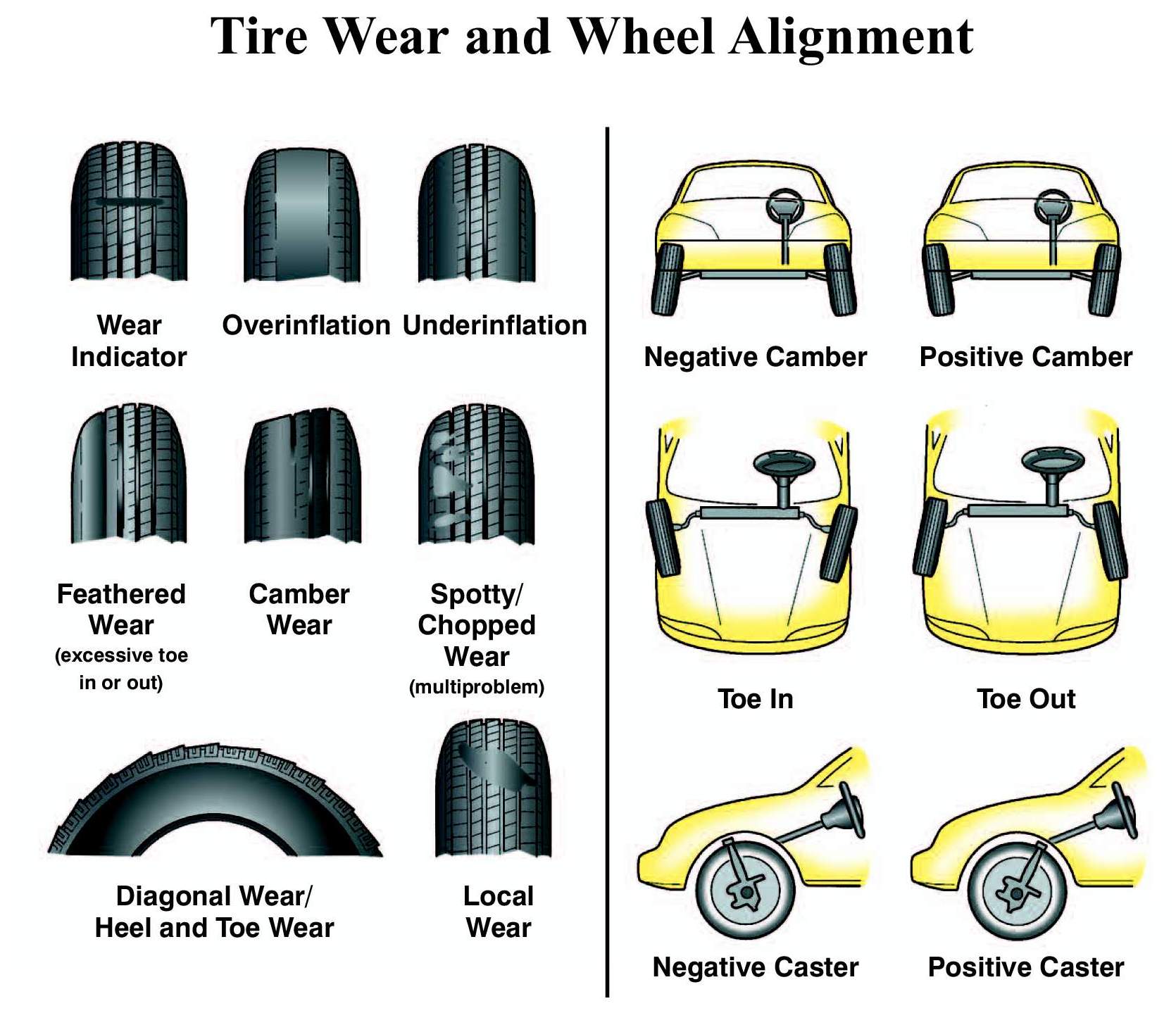
Camber refers to the inward or outward tilt of the wheel when viewed from the front of the vehicle.
- Positive Camber: The top of the wheel tilts outward from the vehicle. This can lead to excessive wear on the outer edge of the tire.
- Negative Camber: The top of the wheel tilts inward toward the vehicle. This often results in accelerated wear on the inner edge of the tire.
- Optimal Camber: For most road vehicles, a slight negative camber is often designed into the suspension to compensate for body roll during cornering, ensuring more even tire contact. However, excessive positive or negative camber, outside manufacturer specifications, indicates a problem. Alignment technology uses high-resolution cameras or laser sensors to measure camber down to fractions of a degree, allowing technicians to make precise adjustments that would be impossible with older, less sophisticated methods. Correcting camber is vital for distributing vehicle weight evenly across the tire tread, thus prolonging tire life and improving handling stability.
Caster: The Steering Axis Angle
Caster describes the angle of the steering pivot when viewed from the side of the vehicle. It’s similar to the angle of a bicycle’s front fork.
- Positive Caster: The top of the steering axis tilts backward (towards the driver). This design promotes straight-line stability, helping the wheels self-center after a turn. It’s why your steering wheel returns to the center after you release it. Most modern vehicles are designed with positive caster.
- Negative Caster: The top of the steering axis tilts forward. This can make steering lighter but unstable at higher speeds.
- Impact on Driving: Proper caster provides a strong self-centering action for the steering wheel, improving high-speed stability and reducing steering effort. While caster doesn’t directly affect tire wear, an incorrect caster setting can indirectly cause issues by making the vehicle pull to one side, forcing the driver to constantly correct, which then impacts tire wear and driver fatigue. Advanced alignment machines can measure caster angles dynamically, even simulating load conditions to ensure optimal performance.
Toe: The Horizontal Parallelism
Toe refers to how parallel the wheels are to each other when viewed from above. It’s one of the most critical adjustments for tire wear and steering response.
- Toe-in: The front edges of the wheels are closer together than the rear edges. This can cause the tires to scrub, leading to wear on the outer edges and a feathering pattern.
- Toe-out: The front edges of the wheels are farther apart than the rear edges. This also causes scrubbing, but results in wear on the inner edges of the tires and an opposite feathering pattern.
- Impact on Wear and Handling: Even a slight deviation in toe can significantly affect tire wear, reducing tire lifespan by thousands of miles. It also impacts steering responsiveness and straight-line stability. Modern alignment systems, often utilizing laser-guided sensors or 3D imaging, can measure toe angles with extreme precision, allowing technicians to ensure the wheels are perfectly parallel (zero toe) or set to a specific small amount of toe-in or toe-out as required by the manufacturer for optimal handling characteristics.
Thrust Angle: Aligning All Four Wheels
The thrust angle compares the alignment of the rear wheels to the centerline of the vehicle. In a 4-wheel alignment, this is a crucial factor that distinguishes it from a 2-wheel (front-end) alignment.
- Impact on Vehicle Tracking: If the rear wheels are not perfectly aligned with the front wheels (i.e., the thrust angle is not zero), the vehicle will “dog track” – meaning it will travel down the road at an angle, like a crab. This necessitates the driver constantly turning the steering wheel to compensate, leading to uneven tire wear on all four wheels and a perpetually off-center steering wheel.
- Technological Measurement: Sophisticated alignment equipment measures the thrust angle by establishing a geometric centerline for the vehicle. It then compares the actual direction the rear wheels are pointing to this centerline. Correcting the thrust angle ensures that all four wheels are working in harmony, pushing the vehicle straight down the road without requiring constant steering input. This capability of a 4-wheel alignment system is vital for modern vehicles, especially those with independent rear suspensions where adjustments can be made to the rear wheels.
The Technology of Modern Alignment Systems: Precision Redefined
The days of using strings and plumb bobs for alignment are long gone, replaced by an array of high-tech gadgets and software that deliver unprecedented accuracy and efficiency. Today’s 4-wheel alignment process is a testament to the advancements in automotive technology, utilizing sophisticated sensors and computer processing power.
3D Imaging and Laser Sensors
The backbone of contemporary alignment systems lies in their advanced measurement technology.
- 3D Imaging Systems: These are arguably the most common and accurate systems today. They use targets (reflective panels) attached to each wheel. Multiple high-resolution cameras capture images of these targets, creating a precise 3D model of the vehicle’s suspension geometry. The software then calculates all the alignment angles (camber, caster, toe) with extreme precision. These systems can even compensate for irregularities in the alignment rack itself, ensuring measurements are true to the vehicle.
- Laser Alignment Systems: While slightly older, laser systems are still highly effective. They project laser beams onto reflective mirrors or sensors attached to the wheels. The reflected beams are then analyzed by a computer to determine the exact angles. Both 3D imaging and laser systems provide real-time data, allowing technicians to see the impact of their adjustments as they make them.
Sophisticated Software and Databases

The raw data collected by sensors is then fed into powerful computer software.
- Manufacturer Specifications Database: These software suites contain extensive databases of manufacturer specifications for virtually every vehicle make and model. This ensures that technicians can precisely align the vehicle to the settings recommended by the original equipment manufacturer (OEM), which are optimized for performance, safety, and tire longevity.
- Diagnostic Capabilities: Beyond just measuring angles, the software can often diagnose potential issues. For example, if a wheel’s camber is consistently out of specification despite adjustments, the software might flag a bent component or a worn suspension part, guiding the technician to further investigation beyond a simple alignment.
- User Interface and Reporting: Modern alignment machines feature intuitive graphical interfaces that display the alignment angles in an easy-to-understand format. They also generate comprehensive printouts before and after the alignment, providing customers with transparent documentation of the work performed. This digital record is a key differentiator from older, manual methods, providing accountability and clarity.
The Alignment Process: A Step-by-Step Tech Tutorial
Understanding the technology is one thing; witnessing its application is another. The actual process of a 4-wheel alignment is a methodical application of these advanced tools.
Preparation and Initial Setup
The process begins with meticulous preparation:
- Vehicle Inspection: A pre-alignment inspection is crucial. Technicians check for worn suspension components (ball joints, tie rods, bushings), damaged wheels, or uneven tire pressure, as these can affect alignment readings and prevent a proper alignment. Any detected issues must be addressed before proceeding.
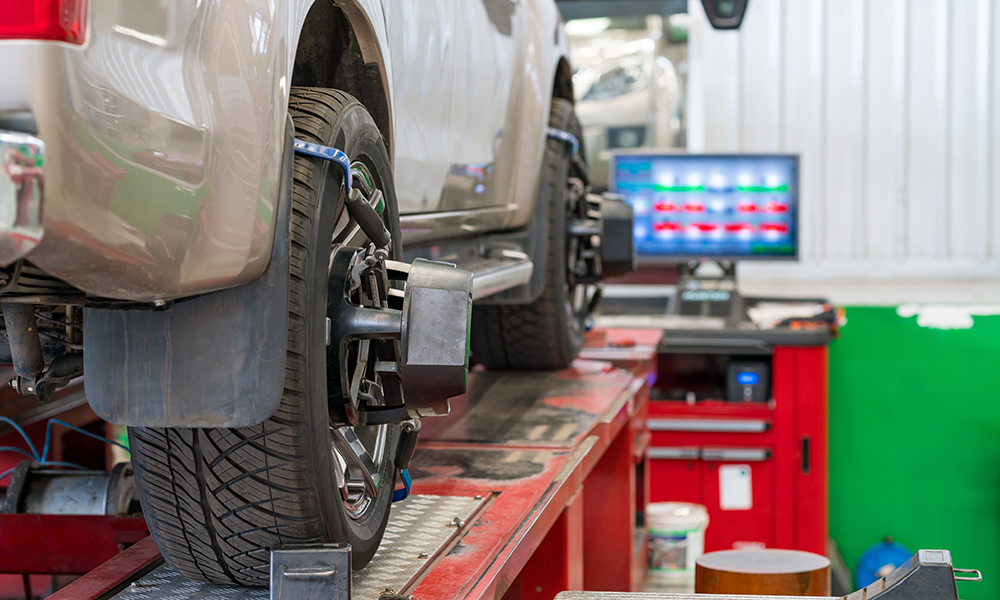
- Mounting Targets/Sensors: The 3D targets or laser sensors are carefully mounted to each wheel. These sophisticated devices are designed to be lightweight and non-invasive, ensuring they do not interfere with the vehicle’s natural stance.
- Compensating for Run-Out: This is a vital step where the system measures and accounts for any minor inconsistencies in the mounting of the targets or the wheels themselves. The technician typically rolls the vehicle back and forth slightly or rotates each wheel while the sensors take readings. This ensures that the measured angles are truly representative of the wheel and suspension geometry, not just mounting errors.
Measurement and Analysis
Once targets are secure and compensation is complete, the system takes its readings:
- Initial Readings: The alignment machine quickly measures all primary angles (camber, caster, toe, thrust angle) for all four wheels. These “before” readings are displayed on a monitor, often in vivid color-coded graphics, clearly indicating which angles are out of specification (typically red) and which are within tolerance (green).
- Comparing to OEM Specs: The software instantly compares these live readings against the vehicle’s specific manufacturer specifications, providing a clear roadmap for adjustments.
Adjustment and Fine-Tuning
This is where the technician, guided by the technology, performs the necessary corrections:
- Accessing Adjustment Points: Depending on the vehicle and specific angles, technicians access various adjustment points on the suspension. These may include tie rods (for toe adjustment), eccentric bolts (for camber/caster), or shims (less common in modern vehicles).
- Real-Time Feedback: As the technician makes adjustments, the alignment machine provides real-time feedback on the screen. This live data allows for precise adjustments, ensuring that each angle is brought within the tight manufacturer specifications. The process is iterative, often requiring adjustments to one angle that might slightly impact another, necessitating further fine-tuning until all parameters are “in the green.”
- Rear Wheel Adjustment (4-Wheel Specific): A key difference in a 4-wheel alignment is the ability to adjust the rear wheels. Many modern vehicles have independent rear suspensions with adjustable camber and toe. Addressing these rear-wheel angles is crucial for eliminating thrust angle issues and ensuring true tracking. If only the front wheels are aligned, the rear “dog tracking” problem persists, negating many of the benefits.
Final Verification and Reporting
Once all adjustments are complete:
- Final Readings: The system takes a final set of measurements, confirming that all angles are within the specified tolerances.
- Printout: A comprehensive printout is generated, showing the “before” and “after” readings for all angles. This document serves as proof of the work performed and allows the vehicle owner to visualize the improvements made.
Why a 4-Wheel Alignment is Essential: The Technological Advantage
Beyond the immediate benefits of a smoother ride and better handling, a properly executed 4-wheel alignment is a strategic investment in your vehicle’s overall health and your personal safety.
Enhancing Vehicle Performance and Safety
- Optimized Handling: When all four wheels are properly aligned, the vehicle responds precisely to steering inputs, offering predictable handling, especially during turns and emergency maneuvers. This direct connection between driver input and vehicle response is crucial for active safety.
- Reduced Driver Fatigue: A vehicle that constantly pulls to one side or has a perpetually off-center steering wheel requires continuous micro-corrections from the driver, leading to fatigue on longer journeys. A perfect alignment eliminates this strain.
- Braking Efficiency: While not directly affecting braking power, consistent tire contact with the road (ensured by proper alignment) is critical for maximizing grip during braking, especially under harsh conditions. Uneven tire contact can compromise stopping distances and control.
Maximizing Tire Life and Fuel Efficiency
- Extended Tire Lifespan: Tires are a significant investment. Misalignment is a leading cause of premature and uneven tire wear. By ensuring optimal tire contact with the road, an alignment prevents scrubbing and uneven pressure distribution, dramatically extending tire life and saving you money on early replacements.
- Improved Fuel Economy: When wheels are misaligned, they drag instead of roll freely. This creates additional rolling resistance, forcing the engine to work harder to maintain speed. A proper alignment minimizes this resistance, leading to noticeable improvements in fuel efficiency over time. This technological optimization translates directly into tangible financial savings.
- Protection of Suspension Components: While alignment corrects angles, persistent misalignment often stems from or contributes to wear in suspension components. Regular alignment checks can catch these issues early, preventing further damage and more costly repairs to steering and suspension systems.
In conclusion, a 4-wheel alignment is far more than a simple tune-up; it is a meticulous, technologically driven process that ensures your vehicle performs as designed, providing safety, efficiency, and longevity. Leveraging advanced cameras, lasers, and sophisticated software, modern alignment systems provide a level of precision that was once unimaginable. Regular alignment checks, especially after significant impacts or suspension work, are a hallmark of responsible vehicle ownership and an intelligent application of automotive technology to preserve your investment and enhance your driving experience.
aViewFromTheCave is a participant in the Amazon Services LLC Associates Program, an affiliate advertising program designed to provide a means for sites to earn advertising fees by advertising and linking to Amazon.com. Amazon, the Amazon logo, AmazonSupply, and the AmazonSupply logo are trademarks of Amazon.com, Inc. or its affiliates. As an Amazon Associate we earn affiliate commissions from qualifying purchases.