
The term “equity market” often conjures images of bustling trading floors, flashing tickers, and the ebb and flow of global economies. Far from being a mere abstract concept, equity markets form the very bedrock of modern finance, providing a vital conduit for capital flow, wealth creation, and economic growth. At its core, an equity market is where shares of companies – representing ownership stakes – are bought and sold. It’s a dynamic ecosystem where investors put their capital to work, hoping to participate in the success of businesses, while companies gain access to the funding necessary to innovate, expand, and create jobs. Understanding equity markets is not just for professional financiers; it’s a fundamental aspect of financial literacy for anyone looking to understand how businesses are funded, how wealth is built, and how the broader economy functions.
The Foundation of Modern Finance: Understanding Equity Markets
To truly grasp the significance of equity markets, one must first appreciate the concept of equity itself and the fundamental roles these markets play in the global financial landscape.
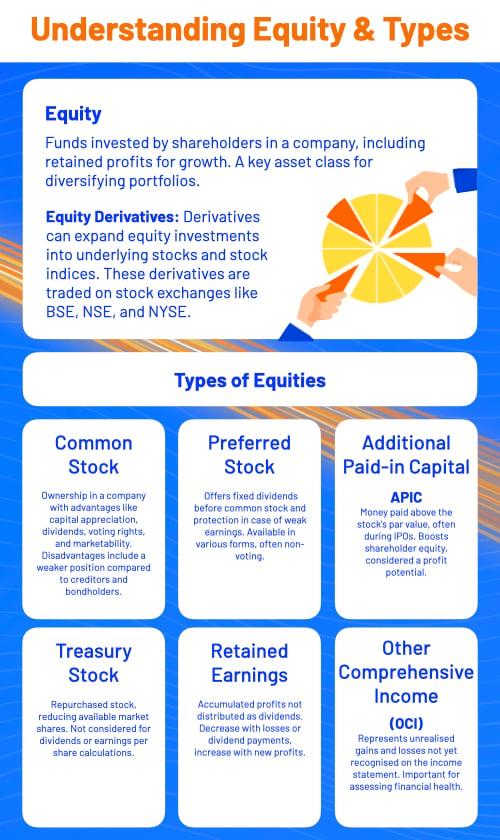
Defining Equity: Ownership in a Company
Equity, in its simplest form, represents ownership. When you buy a share of a company’s stock, you are purchasing a small fraction of that company. This ownership comes with certain rights, typically including the right to a portion of the company’s profits (dividends, if declared) and, often, voting rights on corporate matters. Unlike debt instruments, which represent a loan to a company, equity represents a direct stake. This distinction is crucial because equity investors become partners in the company’s fortunes, sharing in both its successes and its failures. The value of your equity stake is directly tied to the perceived value and future prospects of the underlying business, making it a highly dynamic and potentially rewarding form of investment.
The Dual Role: Capital Formation and Wealth Creation
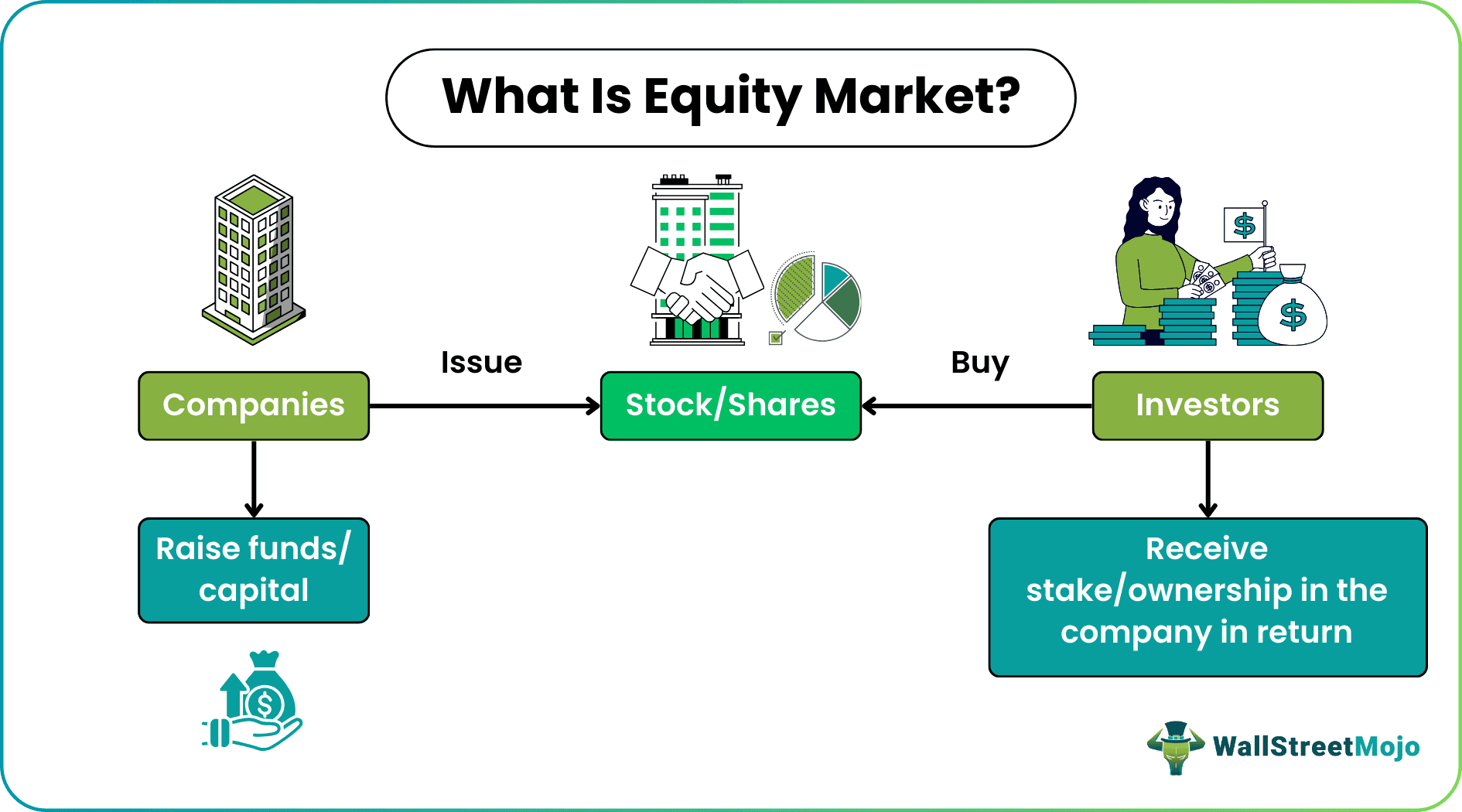
Equity markets serve a dual, indispensable role. Firstly, they are primary engines for capital formation. For companies, issuing shares on an equity market is a powerful way to raise substantial capital without incurring debt. This fresh injection of funds can be used for research and development, expanding operations, acquiring other businesses, or paying down existing debt. This ability to access public capital is vital for innovation, economic expansion, and job creation, supporting a vibrant entrepreneurial ecosystem. Secondly, equity markets facilitate wealth creation for investors. By allowing individuals and institutions to buy and sell ownership stakes in profitable enterprises, these markets provide a mechanism for capital appreciation. As companies grow and become more valuable, the shares they’ve issued tend to increase in price, leading to gains for investors. Furthermore, some companies distribute a portion of their profits to shareholders as dividends, providing a steady stream of income. This combination of capital appreciation and potential income makes equity investing a powerful tool for long-term wealth accumulation and retirement planning.
Key Components and How They Function
Equity markets are not monolithic; they are composed of different segments that serve distinct purposes in the life cycle of a company and its shares. Understanding these components is essential to comprehending how shares are initially offered and subsequently traded.
Primary Markets: The IPO Gateway
The journey of a company’s shares into the public domain begins in the primary market. This is where companies issue new securities for the first time to raise capital directly from investors. The most well-known event in the primary market is the Initial Public Offering (IPO), where a private company sells shares to the public for the first time, thereby becoming a publicly traded entity. Investment banks typically underwrite IPOs, assisting companies in setting the initial share price and distributing shares to institutional investors and, sometimes, to retail investors. The funds raised in the primary market go directly to the issuing company, providing the capital it needs for growth and expansion. Beyond IPOs, companies can also raise additional capital through subsequent offerings in the primary market, such as secondary public offerings, to finance further growth initiatives.
Secondary Markets: Where Trading Happens
Once shares have been issued in the primary market, they begin to trade in the secondary market. This is what most people typically think of when they hear “stock market.” The secondary market is where existing shares are bought and sold among investors, rather than directly from the issuing company. Companies do not receive any direct proceeds from trades in the secondary market. Instead, this market provides liquidity for investors, meaning they can easily buy or sell their shares without significantly impacting the price. This liquidity is critical; it assures investors that they can convert their investments into cash when needed, making them more willing to invest in the first place. The constant buying and selling in the secondary market are what determine the daily market price of a stock, reflecting investor sentiment, company performance, and broader economic conditions.
Major Stock Exchanges: Global Hubs of Activity
The secondary market primarily operates through organized stock exchanges. These are regulated marketplaces that facilitate the buying and selling of securities. Historically, these were physical locations like the New York Stock Exchange (NYSE) trading floor, but today, most trading is conducted electronically. Key global exchanges include the NYSE and Nasdaq in the United States, the London Stock Exchange (LSE), the Japan Exchange Group (JPX), and the Shanghai Stock Exchange (SSE). Each exchange has its own listing requirements that companies must meet to have their shares traded there. These exchanges provide the infrastructure, rules, and transparency necessary for fair and efficient trading, connecting buyers and sellers from around the world. They publish real-time price information, ensuring that all participants have access to the same data, promoting investor confidence and market integrity.
Navigating the Dynamics of Equity Trading
The world of equity trading is a complex interplay of various participants, economic forces, and analytical tools. Understanding these dynamics is crucial for both individual investors and market watchers.
Participants in the Market: From Retail to Institutional
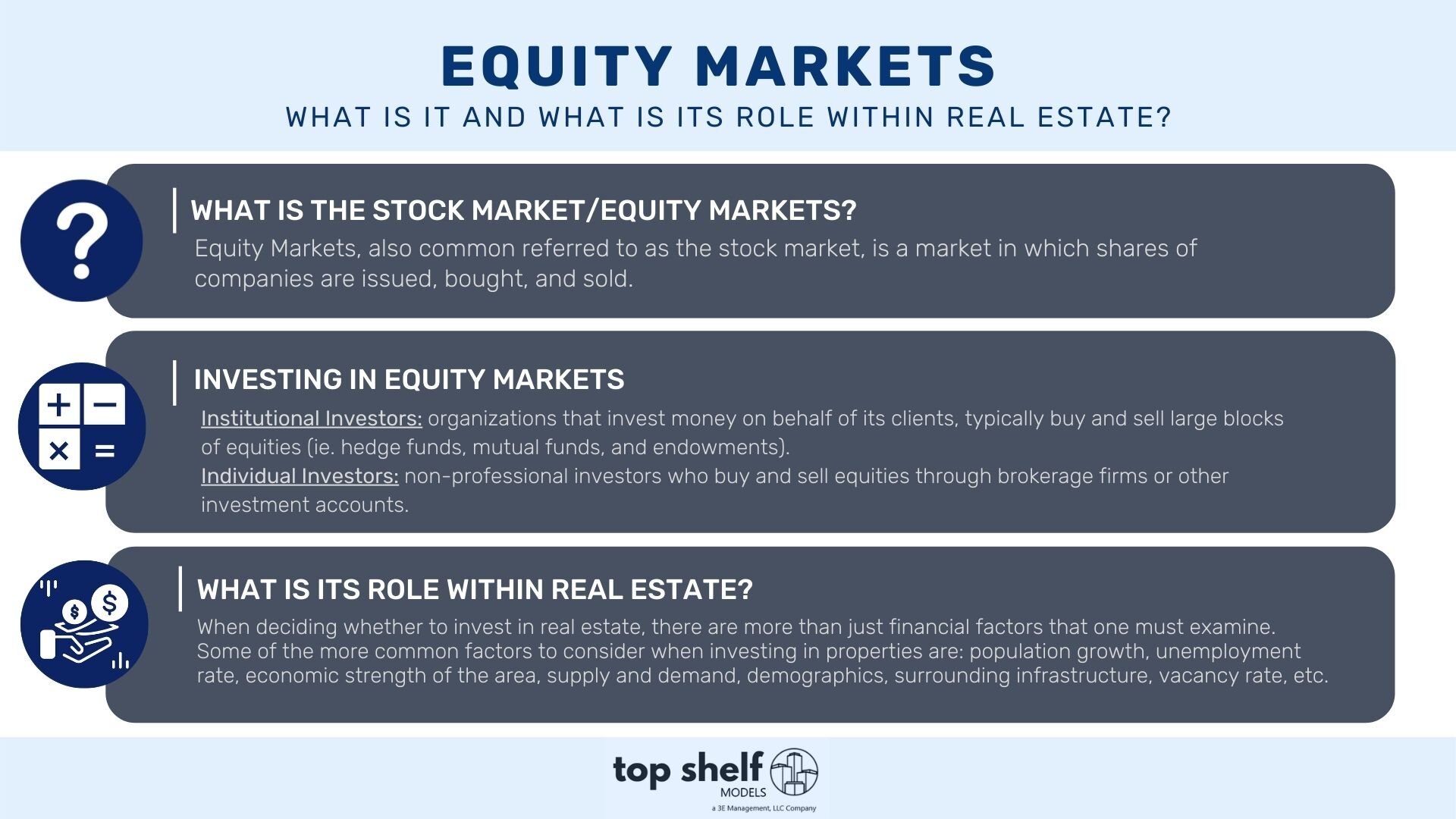
The equity markets are a melting pot of diverse participants, each with their own objectives and strategies. Retail investors are individual investors who buy and sell securities for their personal accounts, often for long-term wealth building, retirement, or specific financial goals. They might trade directly through online brokerage platforms or with the help of financial advisors. Institutional investors, on the other hand, manage vast sums of money on behalf of others. This group includes pension funds, mutual funds, hedge funds, insurance companies, and sovereign wealth funds. These entities often have significant research capabilities and can influence market movements due to the sheer volume of their trades. Beyond investors, other key players include market makers who provide liquidity by continuously quoting buy and sell prices, and brokers who execute trades on behalf of clients. Each participant plays a distinct role in the efficient functioning of the market.
Factors Influencing Stock Prices: A Complex Web
Stock prices are rarely static; they fluctuate continuously in response to a myriad of factors. At the micro-level, a company’s financial performance (earnings, revenue growth, profit margins), management quality, new product launches, and competitive landscape heavily influence its stock value. Positive news often drives prices up, while negative news can lead to declines. At the macro-level, broader economic conditions, such as interest rates, inflation, GDP growth, and employment figures, play a significant role. Geopolitical events, government policies, technological advancements, and even social trends can also impact investor sentiment and, consequently, stock prices. Ultimately, stock prices reflect the market’s collective expectation of a company’s future earnings and growth prospects, discounted to the present. This makes equity investing a forward-looking exercise, heavily reliant on analysis and prediction.
Market Indicators and Indices: Gauging Performance
To make sense of the vast amounts of information and the collective performance of the market, investors rely on various market indicators and indices. A stock market index, such as the S&P 500, Dow Jones Industrial Average (DJIA), or Nasdaq Composite in the U.S., represents a hypothetical portfolio of selected stocks and serves as a benchmark for the overall health and direction of the market or a specific sector. For instance, the S&P 500 tracks 500 large U.S. companies and is widely considered a barometer for the health of the U.S. stock market. Other indicators, like trading volume, volatility indices (e.g., VIX), and economic reports (e.g., consumer confidence index), provide further insights into market sentiment and potential future movements. These tools help investors gauge whether the market is in a bull (rising) or bear (falling) phase, understand volatility levels, and make informed decisions about their investments.
The Strategic Implications for Investors and Businesses
Equity markets offer profound strategic advantages for both the companies that issue shares and the investors who purchase them, albeit with inherent risks that must be carefully managed.
Benefits for Companies: Fueling Growth and Innovation
For businesses, the equity market is a powerful financing mechanism. Going public provides access to a much larger pool of capital than private funding alone, enabling companies to undertake ambitious projects, expand globally, fund research and development, and acquire competitors. This infusion of capital can be transformative, accelerating growth and innovation. Furthermore, being publicly traded enhances a company’s visibility and prestige, often making it easier to attract top talent and secure favorable terms with suppliers and customers. Publicly traded shares also provide a valuable currency for mergers and acquisitions, allowing companies to grow through strategic partnerships. Lastly, offering stock options to employees can be a strong incentive, aligning their interests with the company’s long-term success and potentially increasing their wealth alongside the company’s growth.
Opportunities for Investors: Growth, Income, and Diversification
From an investor’s perspective, equity markets offer unparalleled opportunities for wealth accumulation. The primary appeal is the potential for significant capital appreciation as successful companies grow and their share prices rise. Beyond growth, many companies pay dividends, providing investors with a regular income stream. For long-term investors, reinvesting these dividends can significantly compound returns over time. Equity markets also provide excellent diversification opportunities, allowing investors to spread their risk across various industries, geographies, and company sizes. By investing in a portfolio of stocks or equity-based funds, individuals can mitigate the impact of poor performance by any single investment. Historically, equities have outperformed other asset classes over the long term, making them a crucial component of a robust investment strategy aimed at meeting long-term financial goals like retirement planning, purchasing a home, or funding education.
Understanding the Risks: Volatility and Market Fluctuations
While the opportunities are significant, equity markets are not without risks. The most prominent risk is market volatility. Stock prices can fluctuate sharply in response to company-specific news, industry trends, economic data, or geopolitical events. Investors can lose money if the value of their shares declines below their purchase price, especially if they are forced to sell during a downturn. Company-specific risk involves the possibility that a particular company may perform poorly or even go bankrupt, leading to a significant loss for its shareholders. There’s also liquidity risk for thinly traded stocks, where it might be difficult to sell shares without affecting the price. Broader risks include systemic risk, where a crisis in one part of the financial system impacts the entire market, and inflation risk, where the purchasing power of investment returns is eroded by rising prices. Understanding and managing these risks through diversification, thorough research, and a long-term perspective is paramount for successful equity investing.
Engaging with Equity Markets: Practical Approaches
For individuals looking to participate in equity markets, there are several practical considerations, from choosing an investment vehicle to conducting due diligence.
Direct Stock Ownership vs. Funds: Choosing Your Path
Investors have two primary avenues for engaging with equity markets: direct stock ownership or investing through funds. Direct stock ownership involves buying shares of individual companies. This approach offers the potential for higher returns if the selected companies perform exceptionally well, but it also carries higher risk, as poor performance by one or two stocks can significantly impact the portfolio. It requires substantial research and monitoring. Alternatively, investors can opt for equity funds, such as mutual funds or Exchange Traded Funds (ETFs). These funds pool money from many investors to buy a diversified portfolio of stocks, managed by professionals (in the case of actively managed mutual funds) or designed to track a specific index (for passive ETFs). Funds offer instant diversification, professional management (for active funds), and often lower risk compared to holding a few individual stocks, making them a popular choice for many investors, especially those new to the market.
The Role of Brokers and Financial Advisors
For most individual investors, interacting with equity markets requires the services of brokers and, optionally, financial advisors. A broker acts as an intermediary, executing buy and sell orders on behalf of clients. Today, many online discount brokers offer low-cost trading platforms, allowing investors to manage their own portfolios. For those who need more guidance, full-service brokers or financial advisors can provide personalized investment advice, portfolio management services, and help develop a comprehensive financial plan that incorporates equity investments. They can assist in assessing risk tolerance, setting financial goals, and selecting appropriate investment vehicles. While these services come with fees, the guidance of a qualified advisor can be invaluable for navigating the complexities of the market and making informed decisions.
Essential Research and Due Diligence
Regardless of whether one chooses direct stock ownership or funds, essential research and due diligence are non-negotiable for successful equity investing. For individual stocks, this involves analyzing a company’s financial statements (income statement, balance sheet, cash flow statement), understanding its business model, competitive advantages, management team, and industry trends. Reading earnings reports, analyst ratings, and news articles provides crucial context. For funds, research involves understanding the fund’s investment objective, its holdings, expense ratio, past performance, and the experience of its fund manager. The goal of due diligence is to make informed decisions based on a thorough understanding of the underlying investment, rather than relying on speculation or hearsay. In a market driven by information, diligent research is the investor’s most powerful tool for identifying opportunities and mitigating risks.
aViewFromTheCave is a participant in the Amazon Services LLC Associates Program, an affiliate advertising program designed to provide a means for sites to earn advertising fees by advertising and linking to Amazon.com. Amazon, the Amazon logo, AmazonSupply, and the AmazonSupply logo are trademarks of Amazon.com, Inc. or its affiliates. As an Amazon Associate we earn affiliate commissions from qualifying purchases.