
The world of live entertainment—from sold-out arena tours and Broadway productions to corporate conventions and local festivals—relies on a backbone of skilled professionals often obscured by the shadows of the wings. While the performers capture the audience’s attention, the stagehand is the primary engine of the production. To understand the role of a stagehand is to understand the logistics, safety, and technical precision required to turn an empty space into a world-class venue in a matter of hours.
The Operational Scope of Stagehand Work
A stagehand is essentially a technician of the physical environment. Their work is defined by the “load-in” and “load-out” process, which represents the lifecycle of a production at a specific location.

Load-In and Assembly
The load-in is the high-intensity phase where a venue is transformed. Stagehands are responsible for offloading semi-trucks filled with trusses, lighting rigs, sound equipment, video walls, and scenic elements. They operate forklifts, scissor lifts, and manual rigging systems to elevate heavy equipment into the rafters. Every piece of equipment, from the heaviest motor to the smallest microphone cable, must be positioned according to a precise CAD (Computer-Aided Design) plot provided by the tour’s production manager.
The Run of Show
Once the production is fully assembled, the stagehand’s role shifts from heavy labor to precision timing. During the show, stagehands work in the wings or under the stage, managing set changes that happen in the dark. This requires impeccable timing and silence. Whether they are manually moving rolling platforms, triggering automation systems, or managing cable runs to prevent tripping hazards, their goal is to remain invisible while ensuring the performers have exactly what they need to execute the show seamlessly.
Strike and Load-Out
The “strike” is the dismantling of the production. As soon as the final curtain falls, the stagehand’s pace accelerates. Safety becomes paramount during the load-out, as the exhaustion of the crew can lead to compromised focus. Equipment is categorized, packed, and crated for transport to the next city. This phase is a masterclass in efficiency, requiring a deep understanding of weight distribution for truck packing and the ability to work in high-pressure, time-sensitive environments.
Essential Skillsets and Technical Competencies
Modern stagecraft has evolved significantly. Today’s stagehands are not merely laborers; they are specialized technicians who must navigate complex mechanical and electrical systems.
Rigging and Safety Protocols
Rigging is arguably the most critical and dangerous component of stage work. It involves the use of chains, motors, steel cables, and spansets to suspend heavy equipment above performers and audiences. A rigger must understand physics, load capacities, and safety margins. They are responsible for ensuring that everything hung from the “grid” is secure. Mistakes in rigging can have catastrophic consequences, which is why this segment of stagehand work often requires specialized certification and extensive apprenticeships.
Electrical Distribution
Large-scale productions require massive amounts of power. Stagehands often assist in “power drops,” which involve running heavy-gauge feeder cables from the venue’s electrical source to distribution boxes (distros) located backstage. Understanding phases, voltage, and the risk of ground loops is essential. An improperly grounded piece of equipment can cause interference with sensitive audio gear or, in the worst-case scenario, pose an electrical shock hazard.

Carpentry and Scenic Construction
Many productions require custom-built platforms, stairs, or scenic elements that cannot be bought off the shelf. Stagehands with carpentry skills work to assemble these pieces on-site, ensuring they are structurally sound and compliant with local fire codes. This involves working with various materials, from aluminum scaffolding to treated lumber, and requires the use of power tools, measuring equipment, and structural blueprints.
The Professional Culture and Career Progression
The industry of stagehand work is governed by a unique professional culture that values reliability, punctuality, and the ability to adapt to changing environments.
The Role of Unions and Labor Organizations
In many major metropolitan areas, stagehand labor is managed through the International Alliance of Theatrical Stage Employees (IATSE). These unions provide standardized training, insurance, and benefits, ensuring that workers are protected and that venues receive qualified, vetted labor. Being part of a union hall often provides a structured path for career advancement, moving from “over-hire” status—where one is brought in for specific, short-term tasks—to becoming a “house head” or a “department head” who manages specific aspects of a venue’s infrastructure.
Navigating the “Roadie” Lifestyle
For those who choose to tour with a production, the job takes on a different dimension. The life of a touring stagehand is characterized by travel, irregular hours, and the development of a “family” dynamic within the crew. The ability to maintain professionalism while living in tight quarters and enduring grueling schedules is just as important as the technical skill to fix a broken speaker or repair a torn curtain. It is a career that requires sacrifice but offers a unique, behind-the-scenes view of global entertainment that few other professions can provide.
Specialized Career Paths
While many stagehands start as generalists, most eventually specialize. A stagehand might gravitate toward becoming a lighting technician, focusing on the maintenance and programming of moving heads and LED arrays. Others may lean toward video engineering, managing the server racks and high-resolution projection systems that have become standard in modern concerts. The progression from a general stagehand to a specialist is usually driven by a combination of field experience, self-study of new technology, and the attainment of manufacturer-specific certifications for gear like digital audio consoles or automated lighting controllers.
The Future of Stagecraft
The industry is currently undergoing a period of rapid technological advancement. As production values increase, the demands on the stagehand grow accordingly.
Automation and Robotics
The integration of computer-controlled automation is changing how stagehands interact with scenery. Today, scenic elements are often moved via sophisticated, software-controlled winch systems that require precise input. Stagehands must now be as comfortable with a laptop and control software as they are with a wrench. The line between traditional stagecraft and software engineering is blurring, and those who can navigate this technological intersection are becoming the most valuable assets on any production crew.
Sustainability and Efficiency
There is an increasing push for sustainable practices in live entertainment. Stagehands are at the forefront of this shift, managing the logistics of waste reduction during load-outs and ensuring that lighting rigs use energy-efficient LED technology. The challenge is to maintain the visual and sonic impact of a show while reducing the carbon footprint—a task that requires creative problem-solving and an intimate knowledge of the available equipment.
Conclusion: The Unsung Architects
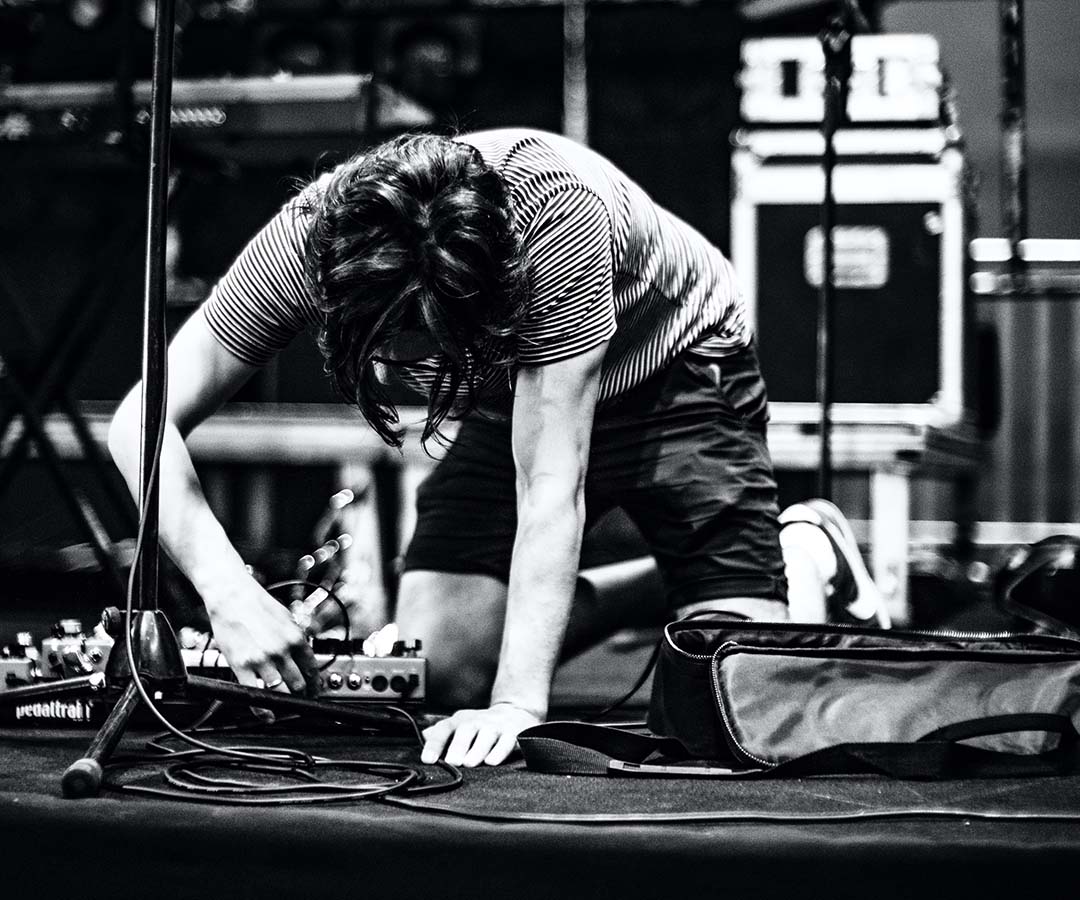
The stagehand is the individual who ensures that the vision of the director, the lighting designer, and the performer becomes a reality. They are the problem-solvers who fix a broken motor ten minutes before doors open, the silent hands that reset a stage in thirty seconds of pitch-black darkness, and the experts who ensure that every audience member is safe beneath thousands of pounds of suspended gear. While the stagehand may never receive the applause that the headliner does, their contribution is the fundamental necessity that allows the magic of live performance to exist in the first place. Without their labor, their expertise, and their unwavering dedication to the craft, the lights would never go up, and the show would never go on.
aViewFromTheCave is a participant in the Amazon Services LLC Associates Program, an affiliate advertising program designed to provide a means for sites to earn advertising fees by advertising and linking to Amazon.com. Amazon, the Amazon logo, AmazonSupply, and the AmazonSupply logo are trademarks of Amazon.com, Inc. or its affiliates. As an Amazon Associate we earn affiliate commissions from qualifying purchases.