
In an increasingly digital economy, gift cards have become a ubiquitous form of currency, bridging the gap between cash and credit. They are favored for their convenience as gifts, incentives, and even as a tool for personal budgeting. However, like any financial instrument, their true value is only realized when their balance is known and managed effectively. An unchecked gift card can quickly become an underutilized asset, a forgotten fund, or worse, a source of frustration at the checkout. This guide delves into the essential methods for ascertaining the remaining balance on your gift cards, transforming them from potential liabilities into fully realized financial assets, all within the strategic framework of sound personal finance.
The ability to quickly and accurately determine the value of a gift card is not merely a matter of curiosity; it’s a fundamental aspect of financial literacy and responsible money management. From preventing unexpected shortfalls at the register to ensuring you maximize every dollar granted to you, understanding your gift card balances empowers you to make informed spending decisions and avoids the common pitfall of letting valuable funds expire or go unused. We will explore the various avenues available, from digital solutions to direct customer interaction, equipping you with the knowledge to handle your gift cards with the same diligence you apply to your bank account.
The Imperative of Knowing Your Gift Card Balance
Gift cards, while seemingly trivial to some, represent real money—funds that have either been spent by a giver or acquired by a recipient. Treating them with the same seriousness as cash or bank account balances is a cornerstone of prudent financial management. Ignoring their balances can lead to avoidable monetary loss and inefficient resource allocation within your personal economy.
Maximizing Financial Value and Avoiding Loss
One of the most compelling reasons to check your gift card balance regularly is to prevent the erosion or complete loss of its value. Many gift cards, particularly those issued by specific retailers (closed-loop cards), come with expiry dates. While regulations in some regions (like the United States) mandate a minimum expiry period, it’s not uncommon for cards to have terms that could lead to forfeiture if not used within a certain timeframe. Beyond expiry, some cards may also carry dormancy fees, which slowly chip away at the balance if the card remains inactive for an extended period. By knowing the exact balance, you can prioritize spending these cards, especially those nearing their expiry or incurring fees, thereby maximizing the financial value you derive from them. It’s a proactive step in protecting your personal wealth from unnecessary diminishment.
Budgeting and Purchase Planning
For individuals who meticulously track their expenditures and adhere to a budget, gift cards can introduce an element of unpredictability if their balances are unknown. Integrating gift card values into your personal budget allows for a more accurate financial picture. For example, if you know you have a $50 gift card for a grocery store, you can adjust your weekly grocery budget accordingly, freeing up cash for other necessities or savings goals. This foresight enables smarter purchase planning, allowing you to allocate your liquid funds more effectively. It transforms a potential spending wildcard into a predictable, manageable line item within your financial plan, reinforcing fiscal discipline.
Preventing Unpleasant Surprises at Checkout
There are few retail experiences more awkward or financially inconvenient than reaching the point of purchase only to discover your gift card has an insufficient balance. This scenario can lead to delays, the need to find alternative payment methods, or even the embarrassment of having to put items back. From a financial perspective, it’s an inefficient use of time and can disrupt a carefully planned budget if you unexpectedly have to tap into other funds. By checking your balance beforehand, you eliminate this uncertainty, ensuring a smooth transaction and maintaining the integrity of your spending plan. It’s a small step that contributes significantly to a stress-free financial experience.
Universal Methods for Ascertaining Your Gift Card’s Value
While the specific details might vary slightly between issuers, there are several universally applicable methods for checking the balance on almost any gift card. These methods leverage different channels, from digital platforms to direct human interaction, offering flexibility based on your preference and immediate needs.
Online Balance Checkers: The Digital Solution
In today’s digital age, checking a gift card balance online is often the quickest and most convenient method. Most major retailers and financial institutions have dedicated portals for this purpose.
Direct Merchant Websites
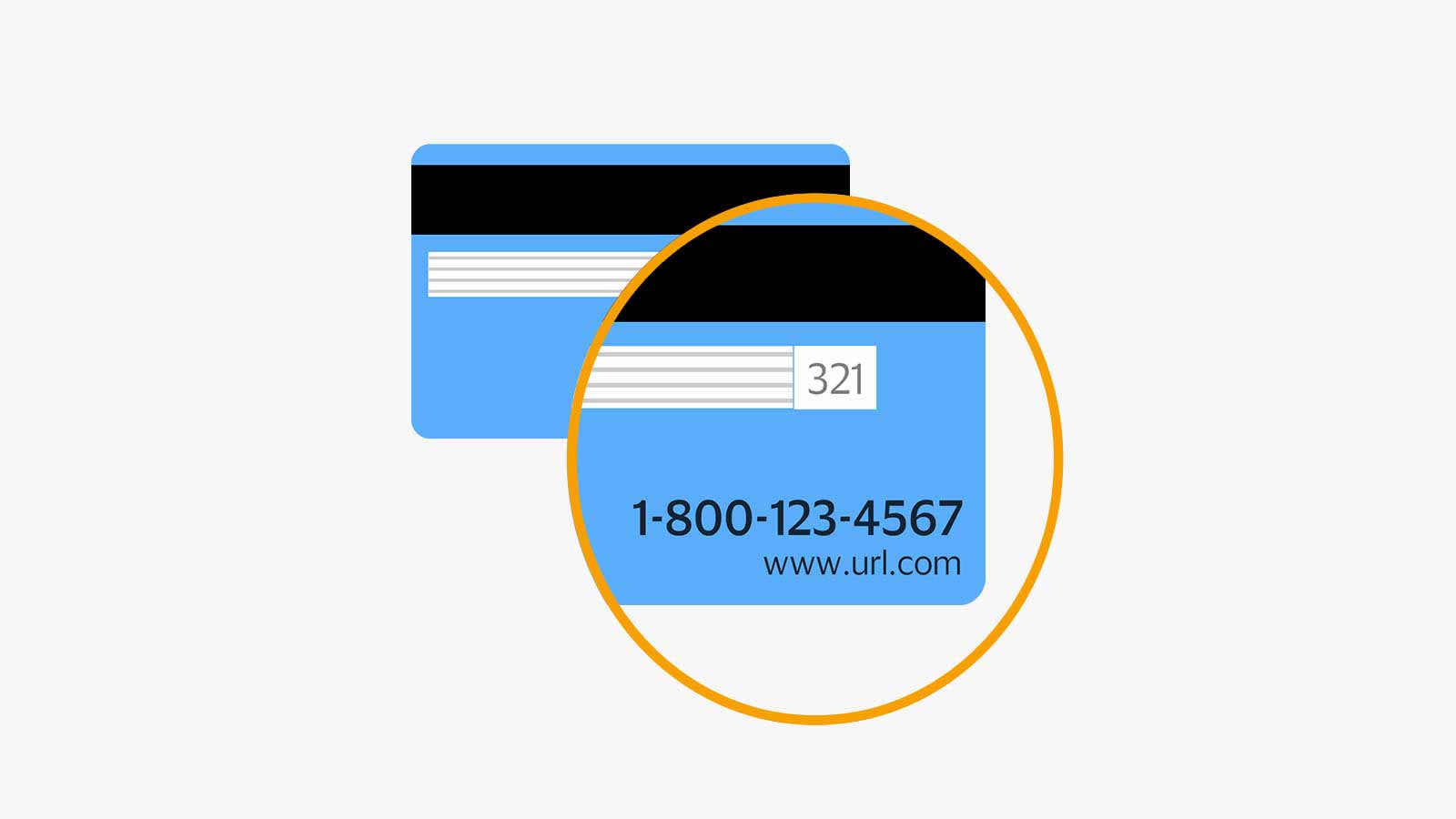
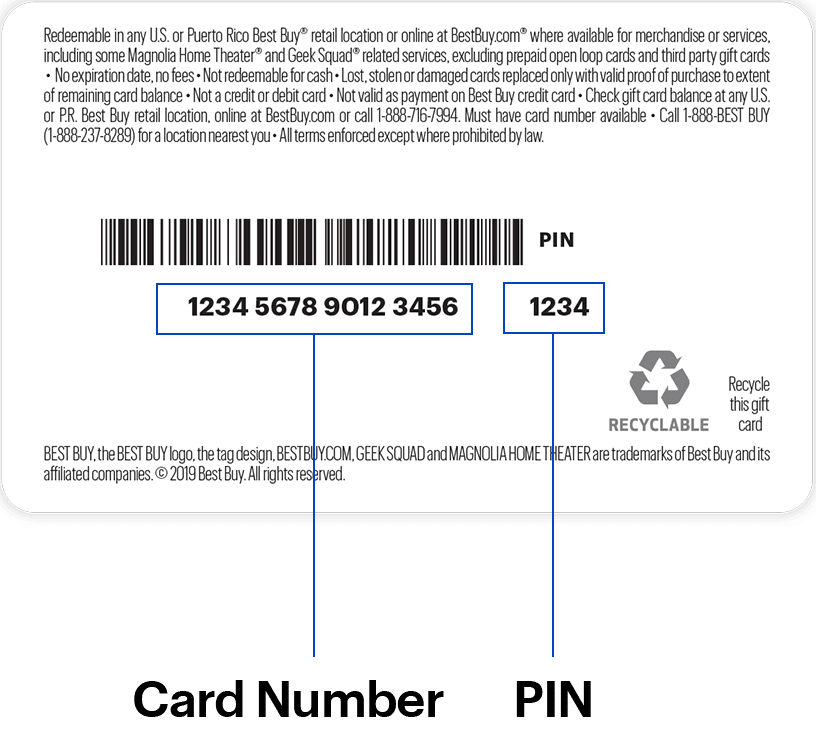
The most reliable way to check a gift card balance online is by visiting the website of the issuing merchant. For instance, if you have a Starbucks gift card, you would go to the Starbucks website; for an Amazon gift card, you’d navigate to Amazon.com. Typically, these sites have a “Gift Card” section or a specific link for “Check Balance.” You will usually be prompted to enter the gift card number (often 16 digits) and a PIN (Personal Identification Number), which is usually found on the back of the card, often concealed under a scratch-off strip. Always ensure you are on the official website to protect your card details and avoid phishing scams. This method offers immediate results and can often provide additional details like transaction history or expiry dates.
Third-Party Aggregators
While less common and generally advised with caution, some third-party websites claim to check balances across multiple gift card brands. While convenient in theory, using such services carries inherent risks. They often require you to input sensitive card information, which could expose you to security vulnerabilities. From a financial security perspective, it is always recommended to use the official channels provided by the gift card issuer to protect your funds and personal data. If you choose to use a third-party site, ensure it is reputable and has robust security measures.
Phone Inquiry: A Direct Line to Your Funds
For those who prefer direct communication or do not have immediate internet access, checking your gift card balance over the phone remains a highly effective method.
Customer Service Hotlines
Every reputable gift card issuer provides a customer service telephone number, usually printed on the back of the gift card itself or easily found on their official website. Calling this number allows you to speak with a representative or navigate an automated system to inquire about your balance. You will typically need to provide the gift card number and potentially the PIN for verification. This method is particularly useful if you encounter issues checking online or need to clarify specific terms and conditions related to your card.
Automated Systems
Many customer service lines feature automated interactive voice response (IVR) systems. These systems are designed to provide quick answers to common queries, including balance checks, without the need to speak to a human operator. Follow the prompts, input your card details using the phone’s keypad, and the system will audibly relay your current balance. This can be a faster alternative to waiting for a live agent, especially during peak hours.
In-Store Verification: The Face-to-Face Approach
When you’re already at the merchant’s physical location, checking your gift card balance in-store is often the most straightforward method.
At the Point of Sale (POS)
The simplest way to check your balance in-store is to ask the cashier to scan your gift card at the point of sale. Most modern POS systems can immediately display the remaining balance. This is particularly convenient if you’re planning a purchase and want to confirm you have enough funds before committing to an item. It’s a quick, no-fuss method that requires minimal effort on your part.

Customer Service Desks
For more complex inquiries, or if you prefer a dedicated interaction away from the main checkout line, head to the customer service desk. Representatives there are equipped to look up balances, explain terms, and assist with any other gift card-related issues you might have. This method offers a more personalized service and can be especially helpful if you have an older card, a card without a PIN, or suspect there’s an error with the balance.
Decoding Different Types of Gift Cards and Their Balance Checks
Not all gift cards are created equal. Understanding the distinction between the two primary types—open-loop and closed-loop—is crucial for navigating the correct balance-checking procedures and managing these funds effectively within your financial portfolio.
Open-Loop Gift Cards (e.g., Visa, Mastercard, Amex)
Open-loop gift cards are generally branded by major payment networks like Visa, Mastercard, American Express, or Discover. These cards are remarkably versatile, functioning much like a debit or credit card, and can be used anywhere the respective payment network is accepted. From a financial perspective, they are akin to a prepaid debit card with a fixed amount of funds.
How They Differ
Their primary difference lies in their broad acceptance. Unlike a store-specific card, an open-loop card isn’t tied to a single merchant, offering greater flexibility in spending. This versatility makes them a highly liquid form of stored value.
Checking Procedures
Checking the balance on an open-loop gift card typically involves visiting the website of the card’s issuer (e.g., VisaGiftCard.com, MasterCard.com) or calling the customer service number provided on the back of the card. You will usually need to input the 16-digit card number and often a security code (CVV) found on the back. Since they operate within a broader financial network, their balance-checking systems are usually robust and similar to those for traditional credit or debit cards, emphasizing financial security and ease of access.
Closed-Loop Gift Cards (e.g., Specific Retailers)
Closed-loop gift cards are the more traditional type, issued directly by a specific merchant or brand (e.g., Target, Best Buy, Starbucks). Their utility is confined to purchases within that particular store or chain.
How They Differ
The fundamental distinction is their restricted use. These cards can only be redeemed for goods or services from the issuing merchant, limiting their financial flexibility compared to open-loop cards. However, they often come without activation or dormancy fees, making them straightforward for specific needs.
Checking Procedures
To check the balance on a closed-loop gift card, you must exclusively use the channels provided by the issuing merchant. This means going to their specific website, calling their dedicated customer service line, or inquiring in person at one of their stores. The information required will typically include the gift card number and a PIN, if applicable. Because the card is solely tied to one entity, the balance information is centrally managed by that merchant, simplifying the process but also necessitating adherence to their specific protocols.
Smart Strategies for Gift Card Management and Utilization
Beyond merely knowing the balance, effective gift card management is an essential component of comprehensive personal finance. It ensures that every dollar loaded onto a card contributes to your financial well-being, rather than becoming a forgotten asset.
Consolidating Small Balances
It’s common to end up with several gift cards, each holding a small, residual balance (e.g., $1.37 on one, $3.50 on another). These small amounts are often overlooked but can add up. Some retailers allow you to consolidate these small balances onto a single card, or to use multiple cards for one purchase. For online shopping, many platforms allow you to apply multiple gift card codes during checkout. In-store, simply inform the cashier you wish to use several cards. This strategy ensures these valuable, albeit small, funds are not wasted and are fully integrated into your spending power.
Setting Reminders and Tracking Expiry Dates
As discussed, expiry dates and dormancy fees are silent predators of gift card value. Proactive tracking is your best defense. When you receive a gift card, make a note of its expiry date. Consider using digital reminders on your phone or calendar, especially for cards with shorter lifespans or those that accrue fees after a period of inactivity. Treat these dates as you would a bill due date; a missed deadline means lost money. This discipline prevents financial waste and ensures you extract maximum value from every card.
Safeguarding Your Gift Cards
Treat gift cards as you would cash. If lost or stolen, they are often difficult, if not impossible, to replace, especially if they are anonymous (i.e., not registered to your name). Upon receiving a gift card, it’s wise to immediately write down the card number and PIN, and perhaps even take a photo of the front and back. Store this information securely, separate from the physical card. In the event of loss, this documentation may aid the issuer in canceling the original card and issuing a replacement, thus preserving your financial asset. For open-loop cards, registering them online can offer an additional layer of protection, similar to a debit card.
Understanding Fees and Terms
Before using a gift card, take a moment to review its terms and conditions. Look specifically for information regarding activation fees, dormancy fees, and expiration policies. While many jurisdictions have regulations designed to protect consumers from predatory gift card practices, some fees or conditions might still apply, particularly in specific scenarios or for certain types of cards. Understanding these terms upfront can save you from unexpected deductions and help you plan your spending strategically to avoid incurring unnecessary costs. This proactive approach to understanding the financial nuances of your gift cards is a hallmark of savvy money management.
Conclusion
Gift cards, in their various forms, represent a tangible value that, when managed effectively, can significantly contribute to an individual’s financial fluidity and budgeting success. The seemingly simple act of checking a gift card balance is, in fact, a foundational step in responsible personal finance. It empowers you to maximize the utility of these assets, prevent value erosion through expiry or fees, and integrate them seamlessly into your overall spending strategy.
By consistently employing the methods outlined—whether through online portals, phone inquiries, or in-store visits—and adopting smart management strategies like consolidating small balances, tracking expiry dates, and safeguarding your cards, you elevate your financial acumen. In an economy where every dollar counts, ensuring you know precisely how much is in your gift card is not just a convenience; it is a critical component of intelligent financial stewardship, turning potential overlooked value into a fully leveraged asset.
aViewFromTheCave is a participant in the Amazon Services LLC Associates Program, an affiliate advertising program designed to provide a means for sites to earn advertising fees by advertising and linking to Amazon.com. Amazon, the Amazon logo, AmazonSupply, and the AmazonSupply logo are trademarks of Amazon.com, Inc. or its affiliates. As an Amazon Associate we earn affiliate commissions from qualifying purchases.