
In the world of international tourism and regional identity, few products have achieved the level of brand recognition enjoyed by the Shika Senbei, or deer cracker. To the casual observer visiting the ancient capital of Nara, Japan, these thin, tan-colored discs are merely a way to interact with the local wildlife. However, from a brand strategy perspective, the deer cracker represents a masterclass in corporate identity, sustainable marketing, and heritage branding.
When we ask “what are deer crackers made of,” the answer involves more than just wheat flour and rice bran. It involves a complex blend of historical preservation, environmental psychology, and a sophisticated regional brand ecosystem that has remained resilient for centuries.
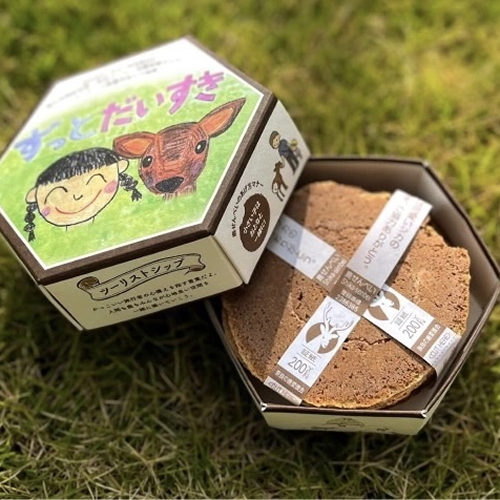
The Anatomy of a Heritage Brand: Simplicity as a Core Value
The most successful brands often rely on a “hero product” that is deceptively simple. The deer cracker is the quintessential example of this. To understand the brand, one must first understand its literal composition and why those specific ingredients serve the brand promise of safety, tradition, and harmony.
The Power of Natural Ingredients
At its core, a deer cracker is made from two primary ingredients: wheat flour and rice bran (nuka). Notably, they contain no sugar, salt, or artificial flavorings. From a branding standpoint, this “lack” of ingredients is a powerful statement of intent. In an era where consumers—and by extension, tourists—are increasingly wary of processed goods and environmental impact, the Shika Senbei stands as a “clean” product.
This simplicity reinforces the brand’s commitment to the welfare of the deer, which are considered national treasures. By ensuring the product is sugar-free and salt-free, the brand positions itself as a responsible steward of the environment. The “recipe” is not just a formula for production; it is a manifestation of the brand’s ethical guidelines.
Sensory Branding and Recognition
The physical design of the cracker is another pillar of its brand identity. They are uniform in size, circular, and possess a specific toasted aroma that has become synonymous with Nara Park. This sensory branding ensures that even before a tourist sees a deer, the smell of toasted rice bran alerts them to the “Nara experience.” The crackers are held together by a thin paper tie (a maki-gami), printed with natural soy ink. Every element of the packaging is biodegradable and safe, aligning the visual identity of the product with its ecological mission.
Building a Monopoly: The Nara Deer Welfare Association and Corporate Identity
In the corporate world, brand protection is paramount. The deer cracker is not a generic commodity; it is a controlled asset. The “Shika Senbei” name is a registered trademark, and its production is strictly regulated to maintain quality and brand integrity.
The Seal of Authenticity
Not just anyone can manufacture and sell deer crackers. The production is overseen by the Nara Deer Welfare Association (Nara no Shika Aigokai). This organization acts as the brand custodian. Each bundle of crackers is wrapped in a branded paper seal, which serves as a certificate of authenticity.
For a business, this level of control is a dream scenario. It prevents “brand dilution” by ensuring that sub-par or dangerous counterfeit snacks do not enter the ecosystem. When a tourist buys a bundle with the official seal, they are participating in a verified brand experience. This vertical integration—from ingredient control to retail licensing—ensures that the brand’s reputation remains untarnished.
Cause-Related Marketing
A significant portion of the revenue generated from the sale of these crackers is funneled back into the protection and medical care of the deer. This is a classic example of cause-related marketing. The “brand” of the Nara deer cracker is inextricably linked to the survival of the animals themselves.
Consumers are not just buying a snack for an animal; they are donating to a conservation effort. This narrative transforms a simple commercial transaction into a philanthropic act, deepening the emotional connection between the consumer and the brand. In modern branding, this “purpose-driven” model is what separates legacy brands from temporary trends.
The Experiential Marketing of Wildlife Interaction

Modern branding has shifted from selling products to selling experiences. The deer cracker is the primary “tool” that facilitates the Nara experience. Without the cracker, the interaction between human and animal would be passive; with the cracker, it becomes an active, participatory brand journey.
The Product as a Bridge
In marketing terms, the deer cracker acts as a “bridge product.” It lowers the barrier to entry for a unique cultural experience. The “bowing deer” of Nara—who have learned to bow to tourists in exchange for a cracker—is perhaps the most effective viral marketing campaign in history. This behavior is not just a biological quirk; it is a brand touchpoint.
The cracker facilitates a physical “handshake” between the visitor and the destination. This interaction is highly “Instagrammable,” leading to millions of pieces of user-generated content (UGC) that serve as free global advertising. The brand doesn’t need to run digital ads because the product itself creates the content.
Managing the “User Experience” (UX)
While the crackers are the core product, the brand must also manage the “user experience,” which can sometimes be chaotic. The deer can be aggressive when they see the crackers. The brand’s response to this is educational marketing. Throughout Nara Park, signage (part of the visual identity system) instructs visitors on how to use the “product” safely.
This transparent communication about product risks and usage guidelines is a hallmark of a professional brand. By managing expectations and providing “user manuals” in the form of signs, the Nara Deer Welfare Association protects the brand from negative PR associated with animal-related accidents.
Global Recognition and the Power of Minimalist Design
As we look at the future of branding, the Shika Senbei offers lessons in how a hyper-local product can achieve global recognition through consistency and minimalist design.
Consistency Across Centuries
The deer cracker has not changed significantly in its branding for over a century. In a world of constant “rebranding” and “pivoting,” there is immense value in consistency. The brand identity of the Nara cracker is rooted in the Edo period. By refusing to modernize the aesthetic—staying with the simple paper tie and the toasted-brown disc—the brand leverages “heritage equity.”
This longevity creates a sense of trust. For international tourists, the crackers represent an “authentic” piece of Japanese history. In branding, “authenticity” is a high-value currency that cannot be manufactured overnight; it must be grown through decades of consistency.
The Economic Symbiosis of Regional Branding
The deer cracker is also a study in regional economic branding. It supports a network of small-scale local manufacturers and hundreds of street vendors. This ecosystem creates a “brand community” where every stakeholder has a vested interest in the product’s success.
The success of the cracker brand directly fuels the local economy, from the hotels that host the tourists to the rice farmers who provide the bran. This creates a circular economy where the brand’s health is synonymous with the city’s health. It is a perfect example of “Place Branding,” where a single product becomes the visual and economic shorthand for an entire geographic location.
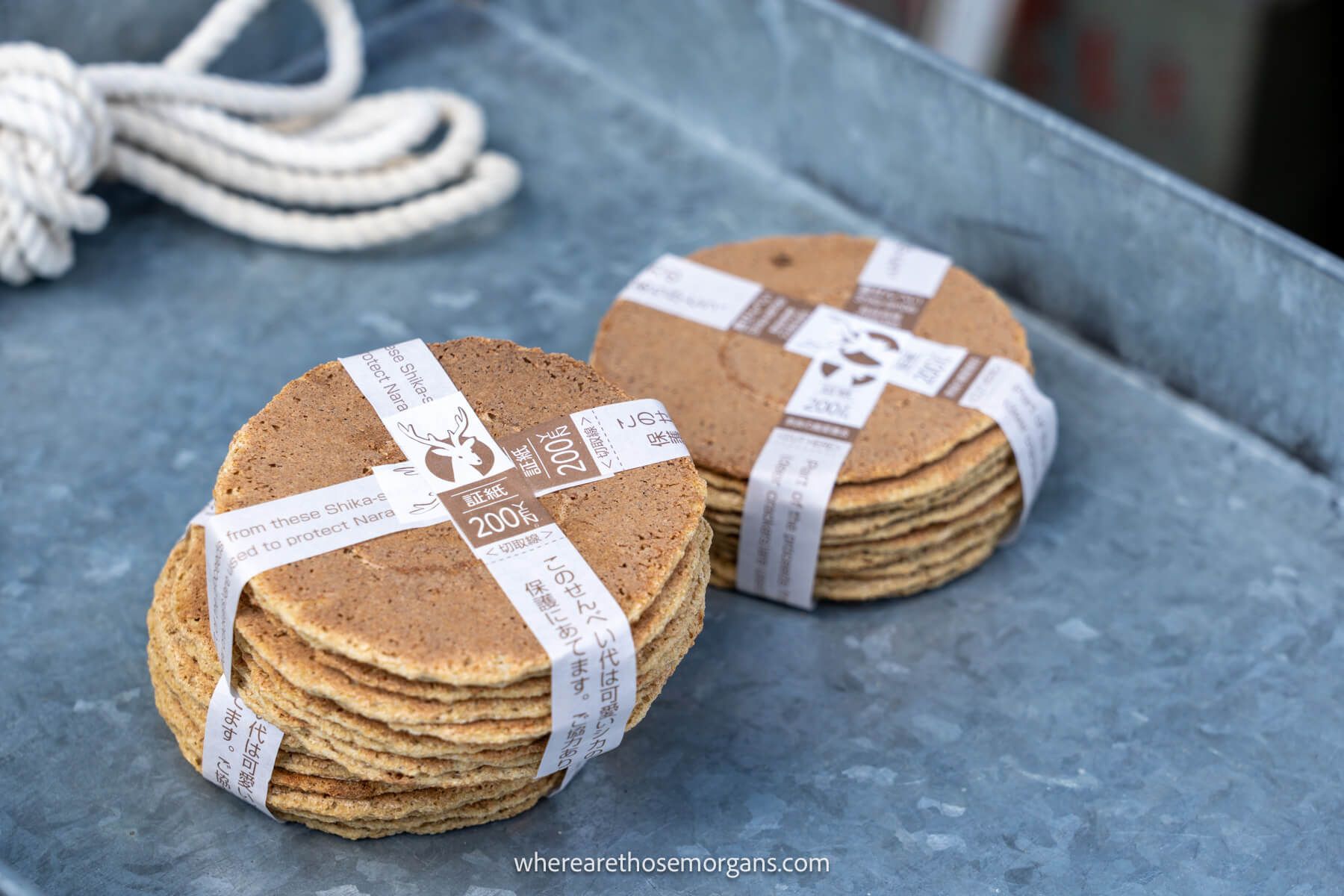
Conclusion: The Ingredients of a Lasting Legacy
What are deer crackers made of? On the surface: wheat flour and rice bran. But under the lens of brand strategy, they are made of history, ethical responsibility, controlled licensing, and experiential genius.
The Shika Senbei teaches us that a brand doesn’t need high-tech gadgets or a massive digital footprint to dominate its niche. By focusing on a simple, safe, and consistent hero product, and by anchoring that product in a meaningful cause (the welfare of the deer), Nara has created a brand that is recognized globally.
In the competitive landscape of global tourism, the deer cracker remains the gold standard for how a local tradition can be scaled into a world-class brand identity. It serves as a reminder that the most powerful brands are those that facilitate a connection—not just between a buyer and a seller, but between a human and the world around them. For Nara, the cracker is the key that unlocks that connection, making it one of the most successful “minimalist” brands in existence.
aViewFromTheCave is a participant in the Amazon Services LLC Associates Program, an affiliate advertising program designed to provide a means for sites to earn advertising fees by advertising and linking to Amazon.com. Amazon, the Amazon logo, AmazonSupply, and the AmazonSupply logo are trademarks of Amazon.com, Inc. or its affiliates. As an Amazon Associate we earn affiliate commissions from qualifying purchases.