
Navigating the Apple ecosystem can often feel like solving a complex puzzle, especially when it comes to identifying the current generation of the iPad. Unlike the iPhone, which follows a predictable numerical sequence every September, the iPad lineup—consisting of the Pro, Air, Mini, and the standard iPad—updates on varying cycles.
As of mid-2024, the landscape has shifted significantly. Apple recently overhauled its flagship and mid-range tablets, introducing groundbreaking silicon and display technology that separates the newest models from their predecessors by a wide margin. Whether you are a creative professional looking for the ultimate mobile workstation or a student seeking a reliable note-taking device, understanding the current generations is essential for making an informed purchase.

The 2024 iPad Pro: The M4 Powerhouse (7th Gen 13-inch and 5th Gen 11-inch)
In May 2024, Apple redefined its “Pro” category by skipping a generation of silicon and jumping straight to the M4 chip. This release marked a pivotal moment for the iPad Pro, as it became the first device in Apple’s entire hardware catalog to feature the M4 processor, even beating out the MacBook Pro.
The Leap to M4 Silicon and Thermal Architecture
The newest iPad Pro is powered by the M4 chip, built on second-generation 3-nanometer technology. This chip features a new CPU with up to four performance cores and six efficiency cores, alongside a 10-core GPU that introduces hardware-accelerated ray tracing to the iPad for the first time. For tech enthusiasts and professionals, this means a 1.5x increase in CPU performance over the previous M2 model and a massive boost in rendering speeds for apps like Octane and LumaFusion.
To accommodate this power in a chassis that is remarkably thin—just 5.1mm for the 13-inch model—Apple overhauled the thermal design. The internal housing utilizes graphite sheets and copper in the Apple logo to dissipate heat, ensuring that the M4 can maintain peak performance during intensive tasks without aggressive throttling.
Tandem OLED and the Ultra Retina XDR Display
Perhaps the most significant visual update in the newest iPad Pro generation is the “Ultra Retina XDR” display. Moving away from the Mini-LED and LCD technologies of previous generations, Apple developed “Tandem OLED.” This technology layers two OLED panels on top of each other to achieve incredible brightness—1,000 nits of full-screen brightness and 1,600 nits of peak HDR brightness.
This generation finally brings true blacks, infinite contrast, and improved motion response to both the 11-inch and 13-inch models. Furthermore, for those working in high-glare environments, Apple now offers a Nano-texture glass option on the 1TB and 2TB models, which scatters ambient light to reduce glare while maintaining color accuracy.
The iPad Air Rediscovered: The M2 6th Generation
Simultaneous with the Pro launch, Apple updated the iPad Air, positioning it as a high-performance alternative for users who don’t require the cutting-edge display of the Pro but need more power than the base model. The 6th Generation iPad Air (often referred to as the M2 iPad Air) is the current standard for mid-range tablets.
Two Sizes for the First Time
For the first time in the history of the Air line, the 6th Generation is available in two sizes: the traditional 11-inch and a brand-new 13-inch model. This is a strategic move for those who want a larger canvas for multitasking or digital art but find the price point of the 13-inch iPad Pro prohibitive.
While the Air retains a Liquid Retina LCD (missing out on the Pro’s OLED), it features the landscape-oriented front-facing camera, a much-requested design change that makes video calls more natural. It is also compatible with the latest connectivity standards, including Wi-Fi 6E and 5G (on cellular models).
Performance Benchmarks and Use Cases
Driven by the M2 chip—the same processor found in previous-generation MacBook Airs—the current iPad Air is a productivity beast. It features an 8-core CPU and 10-core GPU, providing a 50% performance increase over the M1 model. This makes the 6th Gen Air the “sweet spot” for users. It supports Stage Manager for advanced multitasking on external monitors and has enough RAM to handle complex projects in Swift Playgrounds or Adobe Lightroom without breaking a sweat.
Entry-Level and Ultra-Portable: iPad 10th Gen and iPad Mini 6th Gen
While the Pro and Air lines received major updates in 2024, the standard iPad and the iPad Mini occupy different stages in their lifecycles. These devices serve specific niches: the 10th Gen as the budget-friendly “everyman” tablet, and the Mini as the ultimate portable powerhouse.
The iPad (10th Generation): The Modern Standard
The 10th Generation iPad is currently the latest version of the “base” model. Recently, Apple adjusted its pricing to make it even more competitive, officially retiring the older 9th Gen with its Lightning port and Home button.
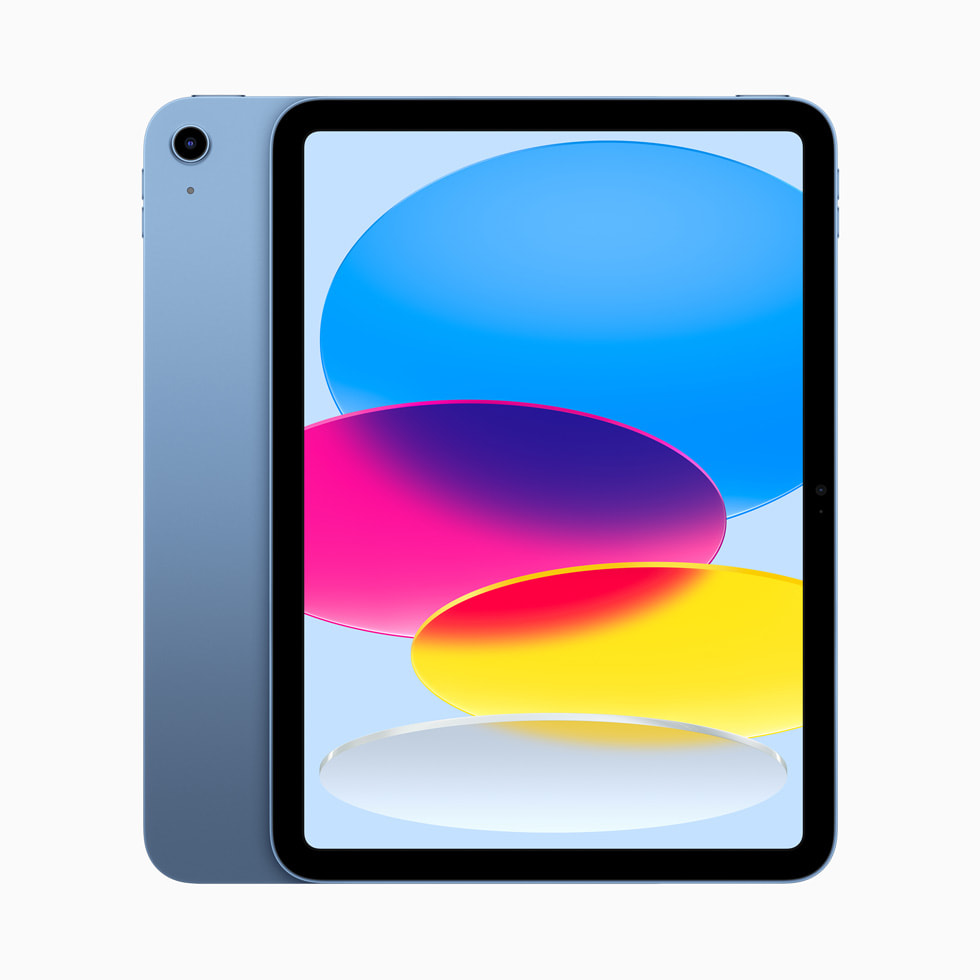
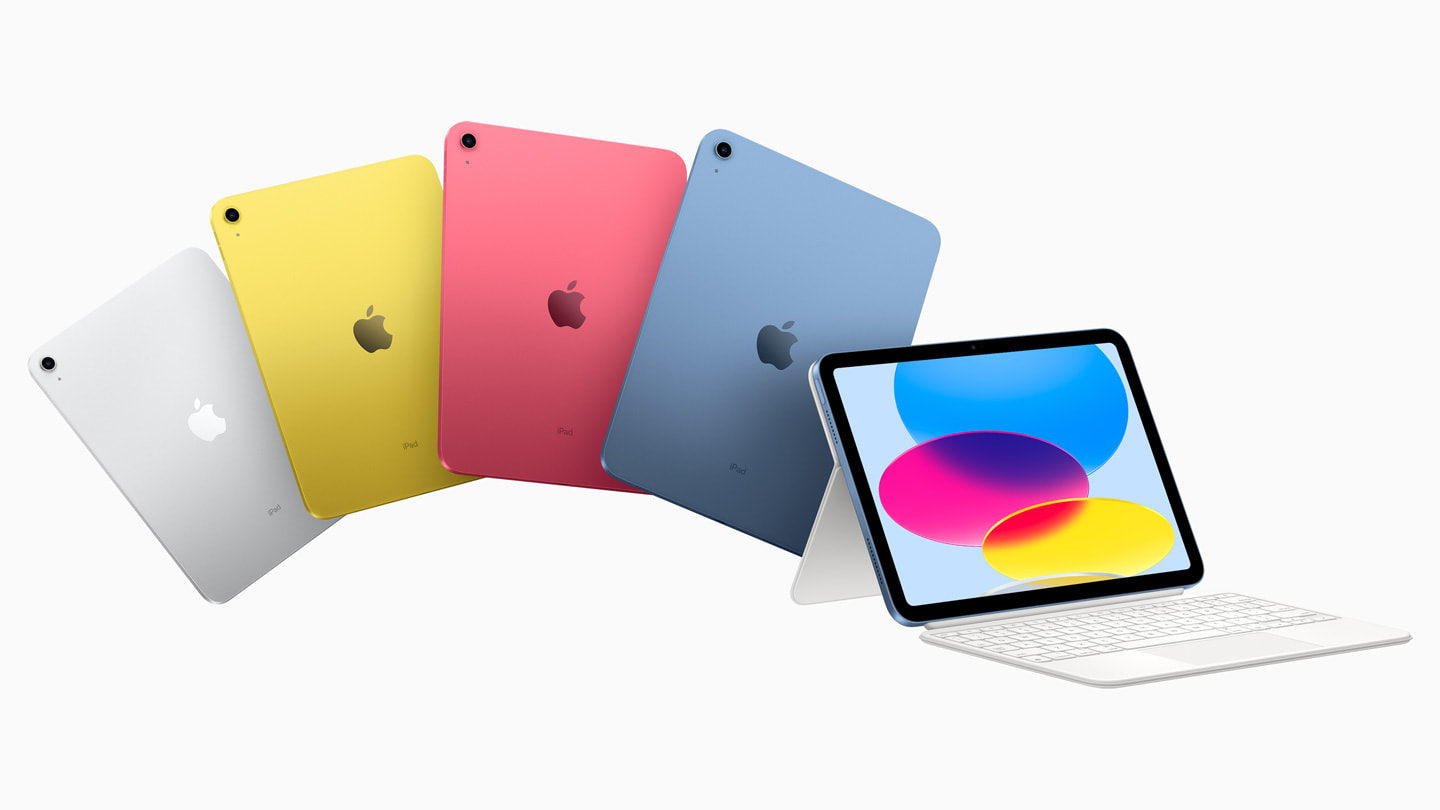
The 10th Gen features a 10.9-inch Liquid Retina display, a USB-C port, and the A14 Bionic chip. While it doesn’t support the latest M-series features like Stage Manager, it is the only iPad in the current lineup to offer a wide range of vibrant colors (Blue, Pink, Yellow, and Silver). It remains the go-to choice for education and casual media consumption, providing a modern, bezel-less design at a fraction of the cost of the Pro models.
The iPad Mini (6th Generation): The Portable Powerhouse
As of today, the iPad Mini 6 remains the newest generation of Apple’s smallest tablet. Released in late 2021, it features the A15 Bionic chip, a USB-C port, and compatibility with the 2nd Generation Apple Pencil.
Despite its age relative to the M4 Pro, the 6th Gen Mini remains a tech favorite due to its unique form factor. It is the only high-performance tablet that can comfortably be held in one hand, making it a staple for pilots, medical professionals, and mobile gamers. While rumors of a 7th Generation persist, the 6th Gen remains the current flagship for the “small tablet” category, offering a 8.3-inch Liquid Retina display with True Tone.
Accessories and Ecosystem: The Apple Pencil Pro and Magic Keyboard
The generation of an iPad is often defined by the accessories it supports. With the 2024 refresh, Apple introduced new hardware that is specifically tied to the newest Pro and Air models, creating a clear hardware divide in the ecosystem.
Apple Pencil Pro: New Sensors and Haptics
The “newest” Apple Pencil is the Apple Pencil Pro, designed specifically for the M4 iPad Pro and M2 iPad Air. This generation of the stylus introduces a “squeeze” sensor in the barrel, which brings up a tool palette for quick changes to brushes or line weights. It also includes a gyroscope that allows for “barrel roll” functionality—rotating the pen changes the orientation of shaped pen and brush tools, mimicking the experience of a real calligraphy pen. Perhaps most importantly for power users, it features Find My support and haptic feedback, providing a subtle pulse when you trigger a shortcut.
The Redesigned Magic Keyboard for iPad Pro
To complement the thinness of the M4 iPad Pro, Apple released a new version of the Magic Keyboard. This latest generation features a dedicated function row (for brightness and volume control), a larger glass trackpad with haptic feedback, and an aluminum palm rest. It effectively turns the M4 iPad Pro into a “laptop-first” hybrid, though it is important to note that this specific keyboard is only compatible with the 2024 Pro models due to the new magnetic alignment and thinner chassis.
Technical Specifications Summary: Choosing the Right Gen
To clarify which generation is right for you, it is helpful to look at the current hierarchy of the lineup as of mid-2024:
- iPad Pro (M4): 7th Gen (13-inch) / 5th Gen (11-inch). Best for: Cutting-edge display tech, AI processing, and heavy-duty video/3D work.
- iPad Air (M2): 6th Gen (11-inch and 13-inch). Best for: Students and professionals who want a large screen and high performance without the OLED price tag.
- iPad (10th Gen): Best for: General use, kids, and those on a budget who still want a modern USB-C design.
- iPad Mini (6th Gen): Best for: Portability, reading, and specialized professional workflows requiring one-handed use.
The “newest” iPad is technically the M4 iPad Pro, but the “newest” update for the mainstream consumer is the M2 iPad Air. As Apple continues to integrate its silicon across all devices, the gap between the iPad and the Mac continues to shrink, making the current generation of iPads the most capable computers Apple has ever produced in a tablet form factor. When choosing, ensure you verify the “M-series” chip or “Generation” number, as many retailers continue to sell previous versions alongside these latest releases.
aViewFromTheCave is a participant in the Amazon Services LLC Associates Program, an affiliate advertising program designed to provide a means for sites to earn advertising fees by advertising and linking to Amazon.com. Amazon, the Amazon logo, AmazonSupply, and the AmazonSupply logo are trademarks of Amazon.com, Inc. or its affiliates. As an Amazon Associate we earn affiliate commissions from qualifying purchases.