
For many, a car represents freedom, convenience, and a significant personal investment. Yet, the price tag you see on the windshield is only part of the financial equation. Lurking beneath the surface, and often overlooked by first-time buyers, are car interest rates – a critical factor that can dramatically alter the total cost of your vehicle over its lifetime. Understanding these rates is not merely about deciphering complex financial jargon; it’s about making informed decisions that safeguard your personal finances and ensure your automotive dream doesn’t become a long-term financial burden.
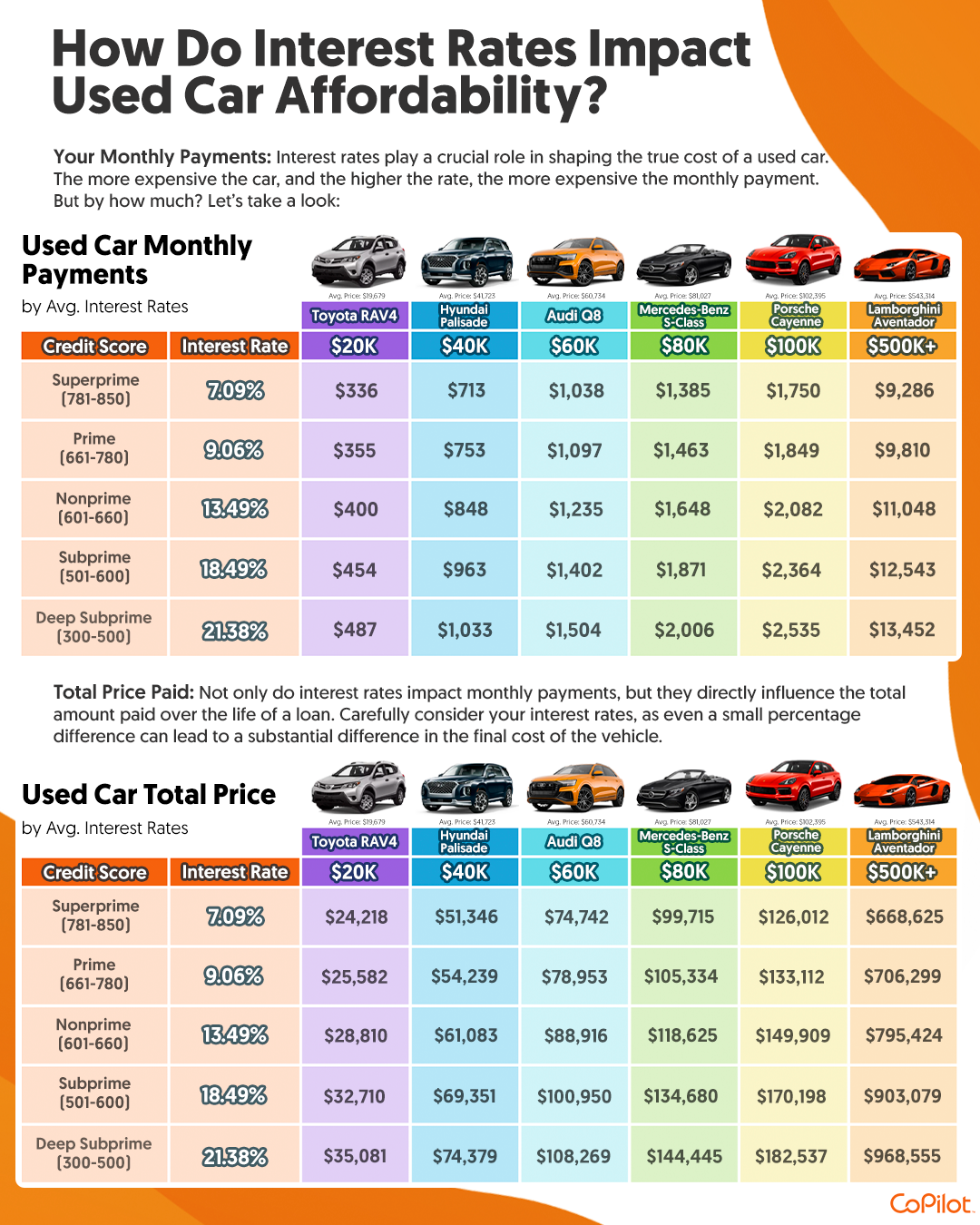
In essence, an interest rate is the cost of borrowing money. When you take out a car loan, a lender provides you with the funds to purchase the vehicle, and in return, you pay them back the original amount (principal) plus an additional charge, which is the interest. This interest compensates the lender for the risk they take and the opportunity cost of lending you their capital. Dissecting the intricacies of car interest rates empowers consumers to negotiate better deals, choose optimal loan structures, and ultimately save thousands of dollars. This comprehensive guide will demystify car interest rates, exploring their fundamental components, the myriad factors that influence them, various loan types, and actionable strategies to secure the most favorable terms for your next car purchase.
The Fundamentals: What Car Interest Rates Really Mean
Before diving into the mechanics of securing a good rate, it’s crucial to grasp the foundational concepts that underpin car loan interest. Understanding these basics forms the bedrock of a savvy financial decision.
Defining Interest Rate and APR
At its simplest, an interest rate is a percentage of the principal amount charged by the lender for the use of their money. If you borrow $20,000 at a 5% interest rate, you’re paying 5% of the outstanding balance each year (or per period, depending on how it’s compounded).
However, the more comprehensive figure you’ll encounter is the Annual Percentage Rate (APR). The APR is broader than just the interest rate; it represents the total cost of borrowing money over a year, expressed as a percentage. It includes the nominal interest rate plus any additional fees or charges associated with the loan, such as origination fees, processing fees, or discount points. For car loans, the APR is often the most accurate measure of a loan’s true cost, as it gives a clearer picture of what you’ll actually pay over the loan term. Always compare APRs when shopping for loans, not just interest rates, to ensure an apples-to-apples comparison.
How Interest Accrues on Car Loans
Car loans typically use a simple interest method, meaning interest is calculated daily on the outstanding principal balance. Every time you make a payment, a portion goes towards the interest that has accrued since your last payment, and the remainder reduces your principal balance. In the early stages of a loan, a larger portion of your monthly payment goes towards interest. As you pay down the principal, less interest accrues, and a larger portion of subsequent payments goes towards reducing the principal. This amortization schedule is why making extra payments, especially early on, can significantly reduce the total interest paid and shorten the loan term.
Fixed vs. Variable Rates: A Crucial Distinction
When evaluating loan offers, you’ll primarily encounter two types of interest rates:
- Fixed-Rate Loans: With a fixed-rate loan, the interest rate remains constant throughout the entire life of the loan. Your monthly payment for principal and interest will not change, providing predictability and stability in your budgeting. This is the most common type of car loan and is generally preferred by consumers who value consistent payments and protection against rising interest rates.
- Variable-Rate Loans: Less common for car purchases, variable-rate loans have an interest rate that can fluctuate over time based on an underlying benchmark interest rate (like the prime rate). While they might start with a lower rate than a fixed loan, your monthly payments could increase or decrease, making budgeting more challenging. For the average car buyer, fixed-rate loans offer greater peace of mind and are typically the standard option.
Key Factors That Drive Your Car Loan Interest Rate
Lenders assess a variety of factors to determine the risk of lending to you and, consequently, the interest rate they offer. Understanding these elements is crucial for preparing yourself to secure the most favorable terms.
The Undeniable Power of Your Credit Score
Your credit score is arguably the single most influential factor in determining your car interest rate. It’s a three-digit number (e.g., FICO or VantageScore) that summarizes your creditworthiness, reflecting your history of borrowing and repaying debt. Borrowers with excellent credit scores (typically 750+) are considered low-risk and qualify for the lowest interest rates. Conversely, those with poor credit scores (below 600) are deemed high-risk and will face significantly higher rates, if approved at all, to compensate the lender for the increased likelihood of default. Improving your credit score before applying for a loan is one of the most effective ways to lower your interest rate.
Loan Term Length: Short-Term Pain, Long-Term Gain?
The length of your loan term (e.g., 36, 48, 60, 72, or even 84 months) has a direct impact on both your monthly payment and the interest rate offered. Shorter loan terms typically come with lower interest rates because the lender’s money is tied up for less time, reducing their risk. While a shorter term means higher monthly payments, it also results in substantially less interest paid over the life of the loan. Conversely, longer loan terms spread out the payments, making them more affordable on a monthly basis, but they usually come with higher interest rates and accrue much more total interest over time.
Down Payment: Lowering Risk, Lowering Rates
Making a substantial down payment reduces the amount you need to borrow, which, in turn, reduces the lender’s risk. Lenders are more inclined to offer lower interest rates to borrowers who put down a larger percentage of the car’s purchase price. A healthy down payment (e.g., 10-20% or more) also helps prevent you from being “upside down” on your loan, where you owe more than the car is worth, a common issue with depreciating assets like vehicles.
Vehicle Type, Age, and Market Conditions
The vehicle itself plays a role. New cars often qualify for lower interest rates and special financing offers from manufacturers, as they depreciate less rapidly in the initial years compared to used cars. Used cars, especially older models, carry more risk for lenders due to potential mechanical issues and faster depreciation, leading to higher interest rates. The overall economic climate and prevailing interest rates set by central banks (like the Federal Reserve in the US) also influence car loan rates across the market. When general interest rates rise, so do car loan rates.
Lender Type and Relationship
Different types of lenders offer varying rates. Banks, credit unions, and online lenders compete for your business and may offer more competitive rates than dealership financing (though some dealerships have excellent manufacturer-backed rates). Your existing relationship with a financial institution (e.g., having accounts or previous loans) can sometimes secure you a loyalty discount or a slightly better rate.
Navigating the Landscape of Car Loan Options

The market for car loans is diverse, offering various avenues to finance your purchase. Understanding these options can help you choose the path that best suits your financial situation.
Direct Lending vs. Dealership Financing: A Head-to-Head
- Direct Lending: This involves obtaining a loan directly from a bank, credit union, or online lender before you even set foot in a dealership. Getting pre-approved for a loan gives you a significant advantage: you know exactly how much you can spend, your monthly payment, and your interest rate. This allows you to walk into the dealership as a cash buyer, focusing purely on negotiating the vehicle price without the pressure of arranging financing on the spot.
- Dealership Financing: Dealerships often act as intermediaries, connecting you with a network of lenders. While this can be convenient and sometimes yield competitive rates (especially if the manufacturer is offering incentives), it’s crucial to be aware that the dealership might mark up the interest rate they present to you, keeping the difference as profit. It’s always wise to compare dealership offers with your pre-approved direct loan to ensure you’re getting the best deal.
New vs. Used Car Loans: Different Risk Profiles
As touched upon earlier, new car loans generally carry lower interest rates than used car loans. This is primarily due to the lower depreciation risk and higher resale value of new vehicles, making them a more secure asset for the lender. Additionally, manufacturers often subsidize interest rates for new cars to boost sales, leading to enticing “0% APR” or very low-rate offers for highly qualified buyers. Used car loans reflect the higher risk of older vehicles, leading to higher rates, particularly for vehicles that are significantly older or have high mileage.
The Role of Incentives and Special Offers
Manufacturers and dealerships frequently offer special financing deals, such as low or 0% APRs, especially on new models they want to move quickly. While these offers can be incredibly attractive, they typically require excellent credit and may be tied to specific loan terms or restrict other potential discounts (like cash rebates). It’s essential to evaluate whether taking a low APR offer or a cash rebate (which you could then use as a larger down payment or to fund a loan with a slightly higher, but still good, interest rate) provides the greater overall savings for your particular situation.
Strategies to Optimize Your Car Interest Rate and Save Money
Securing a low interest rate isn’t just a matter of luck; it’s a result of strategic planning and informed decision-making.
Before You Shop: Boosting Your Financial Profile
The work begins before you even start browsing cars. Focus on improving your credit score by paying bills on time, reducing existing debt, and avoiding new credit applications. Build up a substantial down payment; the more you can put down, the less you borrow, and the lower your risk profile for lenders. Additionally, gather all necessary financial documents – proof of income, employment history, and residence – to streamline the application process and present a strong financial image.
The Art of Comparison Shopping for Lenders
Never settle for the first loan offer. Apply for pre-approval from at least 3-5 different lenders – including banks, credit unions, and online lenders. Multiple inquiries within a short period (typically 14-45 days, depending on the credit scoring model) for the same type of loan are usually counted as a single inquiry on your credit report, minimizing the impact on your score. This allows you to compare APRs, loan terms, and any associated fees side-by-side, giving you leverage when negotiating.
Negotiating Beyond the Sticker Price
Armed with a pre-approval, you can negotiate with the dealership more effectively. You now know what a competitive interest rate looks like. If the dealership offers a higher rate, present your pre-approval to see if they can beat or match it. If they offer a lower rate, you’ve found an even better deal. Remember to negotiate the car’s price and the financing terms separately to avoid getting lost in a bundled deal that might not be in your best interest.
Understanding the Trade-offs of Loan Terms
While a longer loan term means lower monthly payments, it almost always means paying significantly more in total interest. Carefully evaluate whether the monthly savings are worth the extra interest cost over the life of the loan. Aim for the shortest loan term with monthly payments you can comfortably afford, even if it means a slightly higher payment each month. This disciplined approach can save you thousands.
The Long-Term Financial Implications of Your Car Loan Choice
The decisions you make regarding your car loan interest rate extend far beyond the initial purchase, impacting your financial health for years to come.
Calculating Your True Total Cost of Ownership
The “true” cost of your car isn’t just its purchase price; it’s the purchase price plus the total interest paid, taxes, registration fees, insurance, maintenance, and fuel over the period you own it. A higher interest rate dramatically inflates the “total interest paid” component, making an otherwise affordable car a much more expensive proposition over time. Utilizing online loan calculators can help you visualize how different interest rates and loan terms affect your total repayment amount.
Impact on Your Monthly Budget and Debt-to-Income Ratio
Your car loan payment becomes a fixed expense in your monthly budget. A high interest rate means a larger portion of that payment goes towards interest, potentially straining your cash flow. Furthermore, lenders assess your debt-to-income (DTI) ratio when you apply for future loans (like mortgages). A high DTI, partly due to an expensive car loan, could hinder your ability to secure other financing or get favorable terms in the future. Managing your car loan wisely helps keep your DTI healthy and your financial options open.

Planning for Future Financial Goals
Every dollar spent on high interest is a dollar not invested in your retirement, education savings, or other financial goals. By securing a low interest rate, you free up more of your income for these critical long-term aspirations. It enables you to build wealth more effectively, rather than just servicing debt. A well-managed car loan is a stepping stone to financial freedom, not a roadblock.
In conclusion, car interest rates are a pivotal element of any vehicle purchase, dictating a significant portion of the total cost. By understanding their mechanics, identifying influencing factors, exploring loan options, and implementing savvy negotiation strategies, consumers can transform what might seem like a complex financial hurdle into an opportunity for substantial savings. Approach your next car purchase with financial literacy and strategic planning, and you’ll not only drive away in your desired vehicle but also do so on financially sound terms.
aViewFromTheCave is a participant in the Amazon Services LLC Associates Program, an affiliate advertising program designed to provide a means for sites to earn advertising fees by advertising and linking to Amazon.com. Amazon, the Amazon logo, AmazonSupply, and the AmazonSupply logo are trademarks of Amazon.com, Inc. or its affiliates. As an Amazon Associate we earn affiliate commissions from qualifying purchases.