
In the world of typography, programming, and technical documentation, the humble bracket is a cornerstone of structure. Yet, ask a room full of people what the various symbols in the [], {}, and () family are called, and you will likely receive a medley of confused answers. While these symbols are frequently conflated, they serve distinct functions across mathematics, computer science, and linguistics. Understanding their formal nomenclature is not merely an exercise in pedantry; it is essential for clear communication, debugging code, and mastering technical writing.
Brackets, Parentheses, and Braces: A Taxonomy of Enclosure
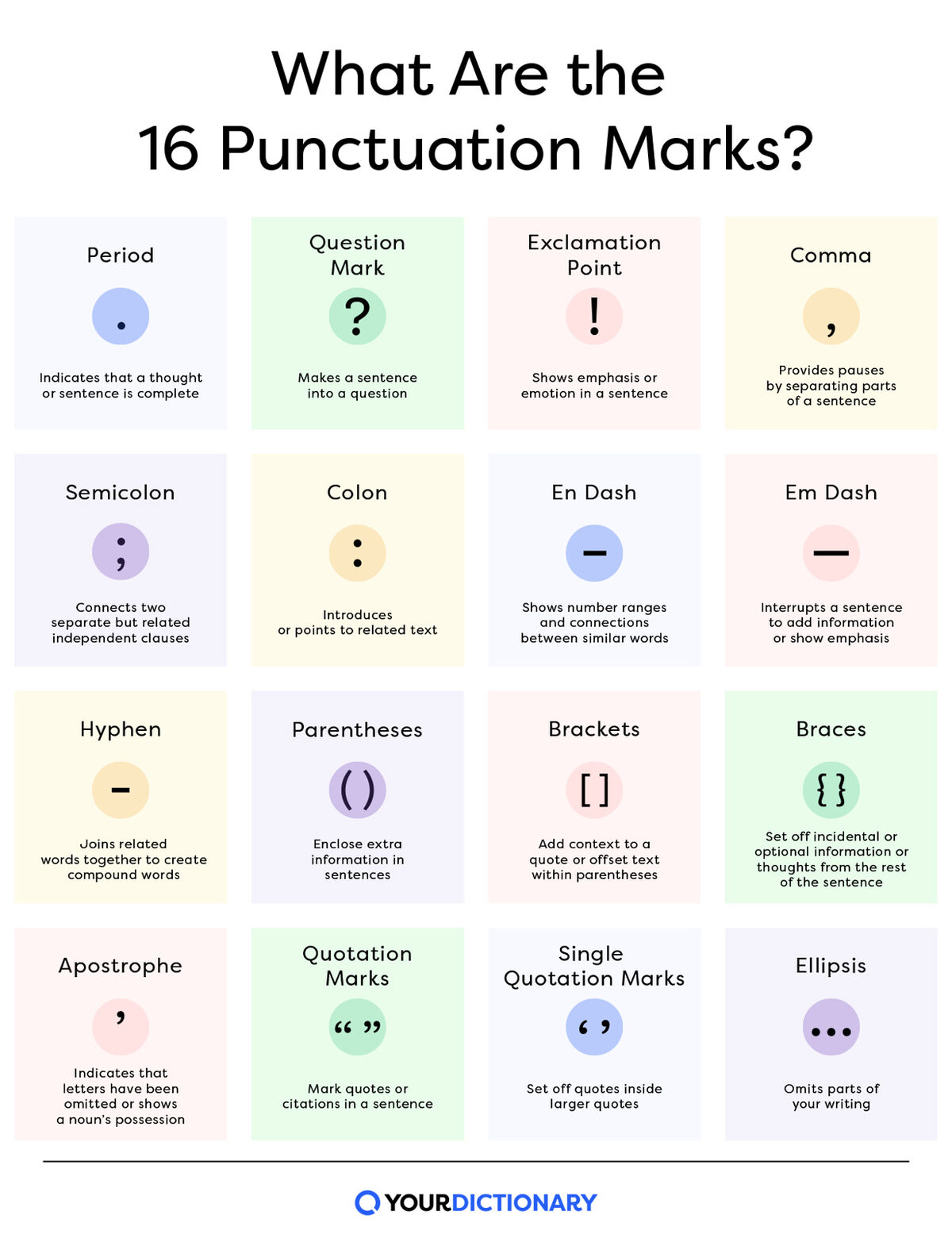
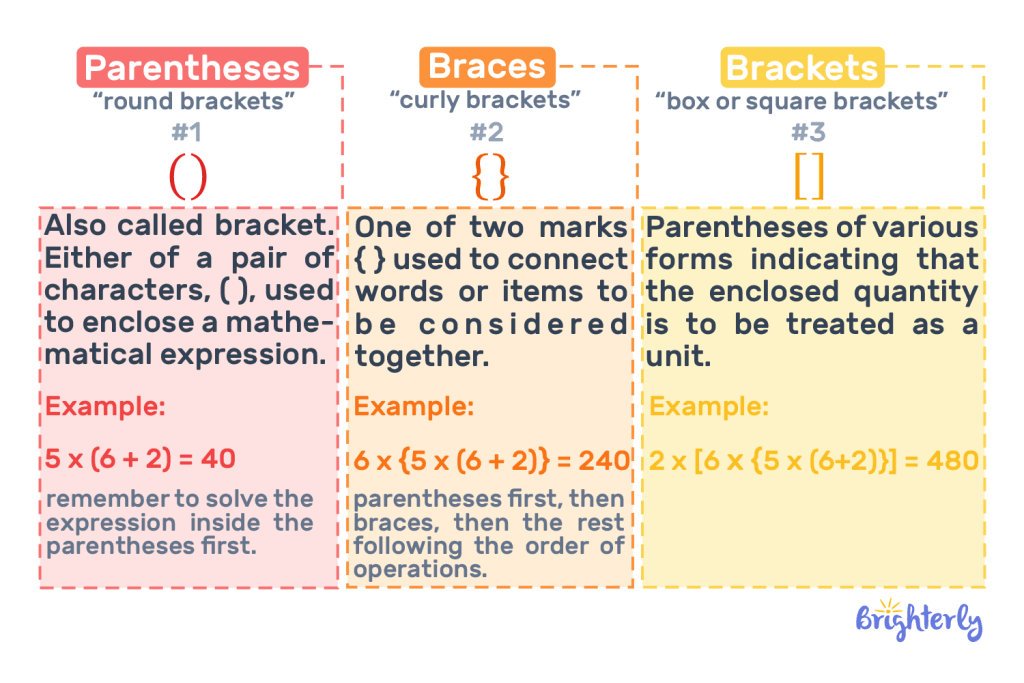
The umbrella term “brackets” is often used to describe all symbols that enclose text, but in formal publishing and technical specifications, precision is required. To navigate the landscape of digital and print documentation, one must distinguish between the primary types of enclosing characters.
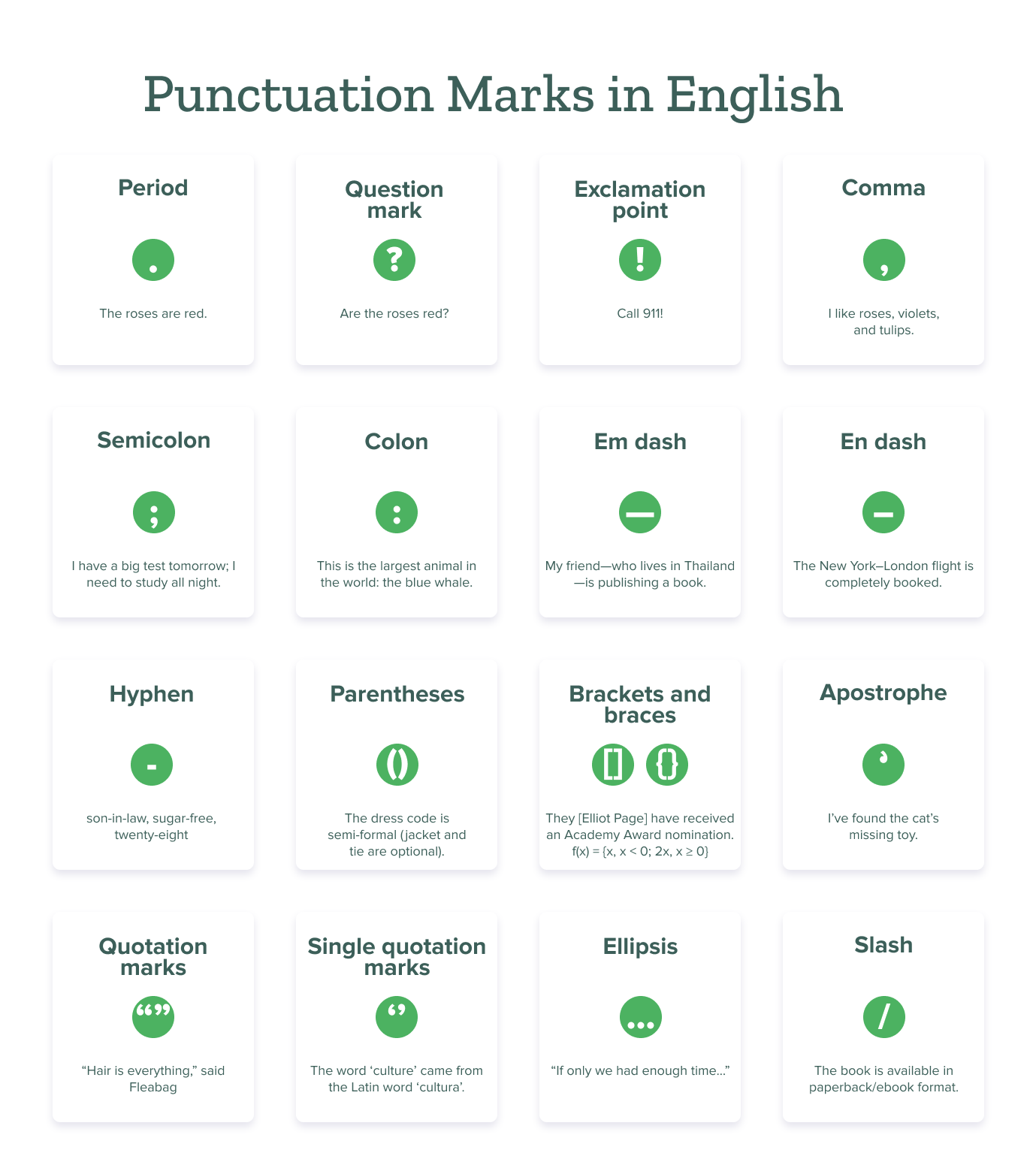
Square Brackets: The [] Symbols
Square brackets, often simply referred to as “brackets” in American English, are defined by their sharp, 90-degree corners. These are the most common delimiters used in indexing and metadata. In technical contexts, they are almost universally recognized as the standard for lists or arrays. When you see a symbol that looks like a boxy gate, you are looking at a square bracket.
Parentheses: The () Symbols
Often incorrectly called “round brackets,” these are technically parentheses. They are used to indicate supplementary information, parenthetical asides, or to define the order of operations in mathematical equations. If the curve is smooth and lacks sharp corners, it is a parenthesis. In casual conversation, referring to them as “round brackets” is acceptable, but in professional typesetting, using the correct terminology signals a higher degree of literacy.
Curly Braces: The {} Symbols
Curly braces, or sometimes just “braces,” are the most ornate of the group. With their central point and sweeping curves, they denote sets in mathematics and define the scope of functions and logical blocks in many programming languages. If a document asks you to use braces, it is almost certainly referring to these specific, complex enclosures.
The Role of Square Brackets in Modern Technology
Square brackets occupy a position of unique importance in the digital age. They are the scaffolding upon which modern software development and data structuring are built. Understanding their specific roles helps explain why they appear so frequently in your IDE, your spreadsheet, and your command line interface.
Arrays and Lists in Programming
In languages like JavaScript, Python, and C++, square brackets are the literal gatekeepers of data collections. An array is a fundamental data structure—a container that holds a list of items—and the square bracket is the syntax used to define it. When a developer writes let items = [1, 2, 3];, the square brackets tell the machine to allocate memory for a list of three integers. Without these brackets, the code would fail to execute, highlighting how essential this punctuation is to the backbone of software engineering.
Indexing and Accessing Data
Beyond creating lists, square brackets are used for “indexing,” which is the process of retrieving a specific item from a data structure. If you have an array of users, you might access the first user by typing users[0]. The number inside the square brackets acts as an address, telling the computer exactly which slot in the list you wish to visit. This use of brackets is universal across almost all C-style programming languages, making it a foundational concept for anyone working in tech.
Metadata and Placeholder Syntax
In technical writing and content management systems (CMS), square brackets are frequently used as placeholders. If you have ever seen a template that says [Insert Name Here], you are seeing the conventional use of brackets to denote a field that requires user input. This has evolved into “Shortcode” usage in platforms like WordPress, where or [contact-form] are used to trigger complex scripts without the user having to write the underlying code. The square bracket acts as a signal to the system that the content inside should be processed as a command rather than plain text.
Linguistic and Editorial Usage
While tech dominates the use of square brackets, they have a long and storied history in linguistics and editorial work. Understanding these traditional uses prevents common errors when proofreading or organizing formal documentation.
Indicating Editorial Insertions
When a journalist or editor needs to add a word or phrase to a direct quote for the sake of clarity, they use square brackets. For example, if a source says, “He was there,” but the context of the article makes it unclear who “he” is, the editor might write, “He [the suspect] was there.” The square brackets indicate to the reader that the information inside was not part of the original spoken or written quote, but was added by the author to provide context. This maintains the integrity of the source material while ensuring the message remains coherent.
Handling Nested Information
Parentheses are the standard for enclosing secondary information. However, if you are already inside a set of parentheses and need to insert even more information, you should use square brackets to avoid confusion. This is known as “nesting.” For example: “The historical analysis (which covers the period from 1920 to 1945 [the interwar years]) provides a deep dive into the socio-economic conditions of the era.” Using square brackets here creates a clear hierarchy, helping the reader parse the sentence without becoming lost in a sea of identical-looking curves.
Phonetic Transcription and Scientific Nomenclature
In linguistics, the International Phonetic Alphabet (IPA) uses square brackets to denote phonetic transcription. When you see a word surrounded by slashes, it is a phonemic representation; when it is surrounded by square brackets, it is an exact phonetic representation, capturing the precise, physical way a sound is articulated. Similarly, in biology, square brackets are sometimes used to denote subspecies or to refine the categorization of a taxonomic group, acting as a tool for precision in the classification of natural life.
Navigating the Confusion: Best Practices
Because symbols like brackets, braces, and parentheses are often confused, it is helpful to establish best practices for professional documentation. Whether you are coding a new feature or drafting a technical white paper, consistency is your greatest asset.
Adopting a Style Guide
If you are writing for a tech company or a digital publication, rely on a style guide such as the Microsoft Manual of Style or the Google Developer Documentation Style Guide. These documents specifically outline how to handle punctuation in technical contexts. They clarify, for example, whether to include a space inside the brackets—[ item ]—or to keep them tight—[item]. Adopting a standard ensures that your documentation feels professional and minimizes the cognitive load on the reader.
Avoiding “Bracket Creep”
One common pitfall in technical writing is “bracket creep,” where a document becomes so cluttered with various enclosures that the original message is obscured. If you find yourself nesting square brackets inside curly braces inside parentheses, it is time to rethink your structure. Often, breaking the information into bullet points or a separate table is more effective than relying on increasingly complex punctuation. Remember that the goal of these symbols is to provide clarity, not to serve as a puzzle for the reader to solve.
Consistency in Code Documentation
When documenting software, use the syntax conventions of the language you are describing. If you are writing about Python, stick to the bracket styles Python uses. If you are documenting CSS, use the braces preferred by that language. Mixing terminology—such as calling curly braces “square brackets”—can lead to significant confusion for junior developers or students who are learning the ropes. By using the correct, precise names, you establish authority and ensure that your technical instructions are accurate and reproducible.
The study of punctuation marks like brackets may seem like a minor detail, but it is a vital component of technical literacy. By mastering the distinction between square brackets, parentheses, and curly braces, you improve your ability to write clean code, clear documentation, and precise prose. These symbols are the silent workhorses of our digital and linguistic systems; treating them with the respect their roles deserve is a hallmark of a true professional.
aViewFromTheCave is a participant in the Amazon Services LLC Associates Program, an affiliate advertising program designed to provide a means for sites to earn advertising fees by advertising and linking to Amazon.com. Amazon, the Amazon logo, AmazonSupply, and the AmazonSupply logo are trademarks of Amazon.com, Inc. or its affiliates. As an Amazon Associate we earn affiliate commissions from qualifying purchases.