
Embarking on the journey of opening a small company is an exciting venture, brimming with potential and the promise of autonomy. However, behind every successful enterprise lies a meticulously crafted financial strategy. For aspiring entrepreneurs, understanding the monetary underpinnings – from initial investment and funding to sustainable cash flow and tax compliance – is not merely beneficial; it is absolutely critical. This article serves as your comprehensive guide to navigating the financial landscape of starting a small company, focusing exclusively on the money decisions that will shape your business’s destiny. We’ll delve into the essential steps, tools, and mindsets required to build a financially resilient and profitable small business from the ground up.
Foundation First: Strategic Financial Planning and Business Structure
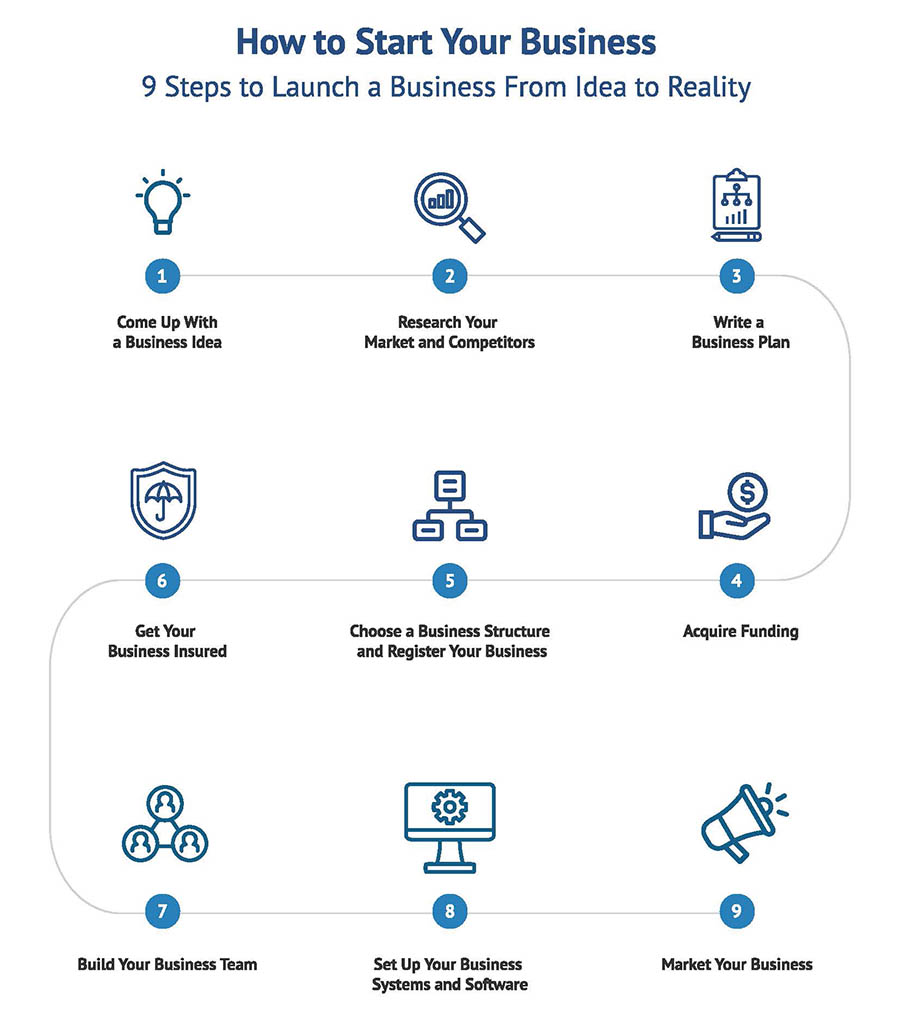
Before a single product is sold or a service is rendered, the financial groundwork must be laid. This foundational stage involves understanding your capital needs, securing appropriate funding, and selecting a business structure that aligns with your financial goals and risk tolerance. Skipping these crucial steps can lead to unforeseen financial pitfalls and jeopardize your company’s long-term viability.
Understanding Startup Costs and Funding Sources
The first step in any financial plan is to quantify what it will truly cost to get your business off the ground. This isn’t just about the obvious expenses; it’s about anticipating every potential outlay.
- Initial Investment: This includes one-time costs such as legal fees for incorporation, licensing and permit fees, necessary equipment (computers, specialized machinery), initial inventory purchases, security deposits for leases, and branding development (logos, website – from a cost perspective only, not strategy).
- Operating Costs: These are recurring expenses that keep your business running. Think rent, utilities, insurance premiums, software subscriptions, marketing expenses (ad spend, SEO tools – from a cost perspective only), employee salaries, and raw materials. Critically, you must also account for your personal living expenses during the initial period when the business may not yet generate sufficient income. A common mistake is underestimating the runway needed.
Once you have a clear picture of your startup and initial operating costs, you can explore funding sources:
- Self-Funding (Bootstrapping): Utilizing personal savings or reinvesting early profits to fuel growth. This offers maximum control but limits scalability based on personal capital.
- Friends and Family: Often more flexible than traditional loans, but requires clear agreements to avoid personal strain.
- Small Business Loans: Offered by banks and credit unions, often requiring a solid business plan and collateral. Government-backed loans (e.g., SBA loans in the US) can also be an option.
- Microloans: Smaller loans, often from non-profit organizations, aimed at startups and underserved entrepreneurs.
- Grants: Non-repayable funds, typically competitive and tied to specific industries or social impacts.
- Crowdfunding: Raising small amounts of capital from a large number of individuals, often via online platforms.
A detailed financial projection, including a projected Profit & Loss (P&L) statement and cash flow forecast for at least the first 12-24 months, is essential for both internal planning and securing external funding.
Choosing the Right Business Structure for Financial Liability and Tax Implications
The legal structure of your small company profoundly impacts your personal financial liability and how your business is taxed. This decision should not be taken lightly and ideally involves consultation with an accountant and/or legal professional.
- Sole Proprietorship: The simplest and least expensive structure. The business and owner are one and the same, meaning personal assets are not protected from business debts or lawsuits. Profits and losses are reported on the owner’s personal tax return.
- Partnership: Similar to a sole proprietorship but involves two or more owners. A partnership agreement is crucial to outline responsibilities, profit/loss distribution, and dispute resolution. Like sole proprietorships, partners typically have unlimited personal liability.
- Limited Liability Company (LLC): Offers the personal asset protection of a corporation with the pass-through taxation benefits of a sole proprietorship or partnership. It’s a popular choice for small businesses due to its flexibility and liability shield.
- S-Corporation (S-Corp) / C-Corporation (C-Corp): More complex structures that legally separate the business from its owners, providing the strongest liability protection. C-corps are subject to “double taxation” (corporate profits taxed, then dividends taxed at the shareholder level), while S-corps avoid this by passing profits/losses directly to owners’ personal income without corporate tax.
The choice dictates not only your liability but also the complexity of your financial reporting and tax obligations, directly impacting your bottom line and personal financial security.
Navigating the Financial Landscape: Budgeting, Pricing, and Cash Flow
With your foundation set, the next critical phase involves the ongoing financial management that keeps your business healthy and moving forward. This encompasses meticulous budgeting, strategic pricing, and vigilant cash flow management – the daily financial heartbeat of your small company.
Crafting a Robust Business Budget
A business budget is more than just a list of expenses; it’s a financial roadmap that guides your spending, tracks performance, and highlights areas for efficiency.
- Distinguish Fixed vs. Variable Costs: Fixed costs (rent, insurance, salaries) remain constant regardless of sales volume, while variable costs (raw materials, production costs, shipping) fluctuate with activity. Understanding this distinction is vital for accurate forecasting and identifying your break-even point.
- Develop an Operational Budget: Allocate funds for all day-to-day expenses. Include a marketing budget, even if modest, and crucially, an emergency fund to cover unexpected expenses or lean periods. A common recommendation is 3-6 months of operating expenses.
- Utilize Budgeting Tools: Simple spreadsheets can suffice for very small operations, but dedicated accounting software (which we’ll discuss later) offers integrated budgeting features, making tracking and adjustments much easier.
- Regular Review and Adjustment: A budget is a living document. Review it monthly or quarterly against actual performance. This allows you to identify overspending, reallocate funds to more productive areas, and adapt to market changes.
Strategic Pricing for Profitability
Pricing your products or services correctly is an art and a science that directly impacts your revenue and profit margins. It’s not just about covering costs; it’s about capturing value.
- Cost-Plus Pricing: Calculate your total costs (fixed + variable) for a product/service, then add a desired profit margin. Simple, but might not reflect market value or competitive landscape.
- Value-Based Pricing: Price based on the perceived value your product or service delivers to the customer, rather than just its cost. This often allows for higher margins if your offering solves a significant problem or provides unique benefits.
- Competitive Pricing: Analyze what your competitors are charging. While you shouldn’t blindly match them, understanding the market range helps position your offering effectively. You might price lower to gain market share or higher to signal premium quality.
- Break-Even Analysis: Calculate the point at which your total revenue equals your total costs, meaning you’re neither making nor losing money. Knowing this number is essential for setting sales targets and understanding the minimum viable price.
Understanding your profit margins (gross profit margin, net profit margin) is paramount. Don’t just focus on revenue; focus on profitable revenue.
Mastering Cash Flow Management
Cash flow is the lifeblood of any small company. It refers to the movement of money in and out of your business. Positive cash flow means more money is coming in than going out, enabling you to pay expenses, invest, and grow. Negative cash flow, even for a profitable business, can lead to insolvency.
- Monitor Inflows and Outflows: Track all money entering (sales, loan disbursements) and leaving (expenses, loan repayments) your business meticulously.
- Efficient Invoice Management and Collections: Send invoices promptly, clearly state payment terms, and follow up professionally on overdue payments. Delayed receivables can severely strain cash flow.
- Strategic Payables Management: Pay your bills on time to maintain good vendor relationships and avoid late fees, but also manage your outflow strategically. Don’t pay too early if it depletes necessary working capital.
- Cash Flow Projections: Regularly forecast your cash inflows and outflows. This helps anticipate potential shortfalls and allows you to take proactive measures, such as securing a line of credit or adjusting spending.
- Maintain Working Capital: Ensure you always have enough liquid assets to cover short-term liabilities. This provides a buffer against unexpected expenses or dips in revenue.
Smart Financial Tools and Systems for Small Business Success
In today’s digital age, a plethora of financial tools and systems exist to streamline your money management, reduce errors, and free up your time to focus on core business activities. Leveraging these effectively is a hallmark of a financially astute small company.
Essential Accounting Software and Financial Tracking
Gone are the days of manual ledgers and shoeboxes full of receipts. Modern accounting software is indispensable for financial accuracy and efficiency.
- Key Features: These platforms allow you to track expenses, manage invoices, reconcile bank accounts, process payroll, and generate crucial financial reports (P&L, balance sheet, cash flow statement) with ease.
- Popular Options:
- QuickBooks: A long-standing leader, robust and scalable for various business sizes.
- Xero: Known for its user-friendly interface and strong bank reconciliation features.
- FreshBooks: Often favored by service-based businesses for its excellent invoicing capabilities.
- Wave (for very small businesses/freelancers): Offers free accounting, invoicing, and receipt tracking with paid options for payroll and payment processing.
- Benefits: Beyond mere record-keeping, these tools provide real-time insights into your financial health, simplify tax preparation, and integrate with other business applications.
Payment Processing Solutions
How you accept payments directly impacts your cash flow and customer experience. A robust and secure payment processing system is non-negotiable.
- Online Payments: Platforms like Stripe, PayPal, Square, and Shopify Payments enable you to accept credit cards, debit cards, and digital wallets securely on your website or through online invoices.
- In-Person Payments: Point-of-Sale (POS) systems, often offered by Square, Clover, or PayPal Zettle, allow you to accept card payments via card readers connected to smartphones, tablets, or dedicated terminals.
- Understanding Fees and Security: Each provider charges different transaction fees, which can impact your profit margins. Always review their fee structures. Ensure any chosen solution is PCI DSS compliant to protect sensitive customer data and your business from security breaches.
Leveraging Business Banking and Credit
Separating personal and business finances is a fundamental rule for financial clarity, legal protection, and professionalism.
- Separate Business Bank Accounts: Open dedicated checking and savings accounts for your company from day one. This simplifies expense tracking, tax preparation, and presents a professional image.
- Business Credit Cards: These cards serve multiple purposes: managing business expenses, providing a short-term credit line, and most importantly, helping to build a business credit history independent of your personal credit. A strong business credit score can unlock better terms on future loans and lines of credit.
- Lines of Credit: Unlike a term loan, a line of credit provides access to a revolving pool of funds that you can draw from as needed, up to a certain limit. This is an excellent tool for managing short-term cash flow fluctuations or covering unexpected expenses.
Protecting Your Financial Future: Risk Management and Sustainable Growth
Launching a small company involves inherent risks, but many can be mitigated through proactive financial and legal planning. Furthermore, establishing strategies for sustainable financial growth ensures your company’s longevity and increasing profitability.
Insurance and Legal Protections
Safeguarding your assets and operations against unforeseen events is a critical financial responsibility.
- General Liability Insurance: Protects your business from claims of bodily injury or property damage that occur on your premises or as a result of your operations.
- Professional Liability Insurance (Errors & Omissions): Essential for service-based businesses, covering claims of negligence, errors, or omissions in your professional services.
- Property Insurance: Protects your business’s physical assets (buildings, equipment, inventory) from damage or loss due to events like fire, theft, or vandalism.
- Understanding Contracts and Legal Agreements: Ensure all vendor agreements, customer contracts, employee agreements, and partnership documents are legally sound and clearly define financial obligations and liabilities.
- Emergency Fund: Reiterate the importance of a dedicated emergency fund, not just for operational costs, but for catastrophic events or major unexpected expenses that insurance might not fully cover.
Tax Planning and Compliance
Taxes are an unavoidable part of doing business. Proactive tax planning can save you significant money and prevent costly penalties.
- Understand Your Tax Obligations: Research federal, state, and local taxes that apply to your business (income tax, sales tax, payroll tax, self-employment tax). This varies greatly by business structure and location.
- Quarterly Estimated Taxes: If you expect to owe a certain amount in taxes, you’ll likely need to pay estimated taxes quarterly to the IRS and relevant state agencies. Failing to do so can result in penalties.
- Deductible Expenses: Keep meticulous records of all business expenses. Many are tax-deductible, reducing your taxable income. Examples include office supplies, marketing costs, professional development, and travel.
- Work with a Tax Professional: A qualified accountant or tax advisor can help you optimize your tax strategy, ensure compliance, identify all eligible deductions, and prepare your tax returns accurately. Their expertise can be an invaluable investment.
Financial Strategies for Sustainable Growth
Opening a small company is just the beginning. The goal is to grow it into a thriving, sustainable enterprise.
- Reinvesting Profits Strategically: While it’s tempting to draw significant profits, reinvesting a portion back into the business (e.g., new equipment, marketing campaigns, product development, hiring key personnel) is crucial for long-term expansion.
- Monitoring Key Performance Indicators (KPIs): Beyond basic financials, track metrics relevant to your business, such as customer acquisition cost (CAC), customer lifetime value (CLTV), sales conversion rates, and average transaction value. These KPIs provide deeper insights into your financial efficiency and growth potential.
- Scaling Responsibly: Growth should be managed carefully. Rapid, uncontrolled scaling can strain resources, degrade service quality, and lead to financial instability. Plan for growth in phases, ensuring your financial infrastructure can support each new level.
- Exit Strategy Considerations: While it might seem premature, even at the outset, consider your long-term vision. Do you aim to sell the business, pass it on, or maintain it as a lifestyle business? Your financial decisions from day one (e.g., building transferable assets, minimizing personal dependency) can impact the eventual value and feasibility of your exit.
Opening a small company is a journey that demands financial acumen, discipline, and foresight. By meticulously planning your startup costs, choosing the right financial structure, diligently managing your budget and cash flow, leveraging modern financial tools, and protecting against risks, you lay a solid financial foundation. This proactive approach to monetary management will not only help you navigate the inevitable challenges but will also position your small company for lasting success and sustained profitability. The path to entrepreneurship is rewarding, and with a strong financial blueprint, your aspirations can truly take flight.
aViewFromTheCave is a participant in the Amazon Services LLC Associates Program, an affiliate advertising program designed to provide a means for sites to earn advertising fees by advertising and linking to Amazon.com. Amazon, the Amazon logo, AmazonSupply, and the AmazonSupply logo are trademarks of Amazon.com, Inc. or its affiliates. As an Amazon Associate we earn affiliate commissions from qualifying purchases.