
In the intricate dance of modern life, where financial pressures and aspirations often collide, the concept of a budget stands as an indispensable compass. Far from being a restrictive financial straitjacket, a budget is, in its essence, a strategic roadmap for your money, providing clarity, control, and direction. It is the fundamental blueprint that translates vague financial hopes into actionable plans, enabling individuals, families, and businesses alike to navigate their economic landscape with purpose and precision. Without a clear understanding of income and expenditures, financial decisions are often made in the dark, leading to stress, missed opportunities, and the potential for long-term instability. This comprehensive guide will demystify budgets, exploring their core purpose, various forms, practical construction, profound benefits, and strategies for overcoming common hurdles, ultimately empowering you to harness the full potential of your financial resources.
The Fundamental Purpose of Budgeting
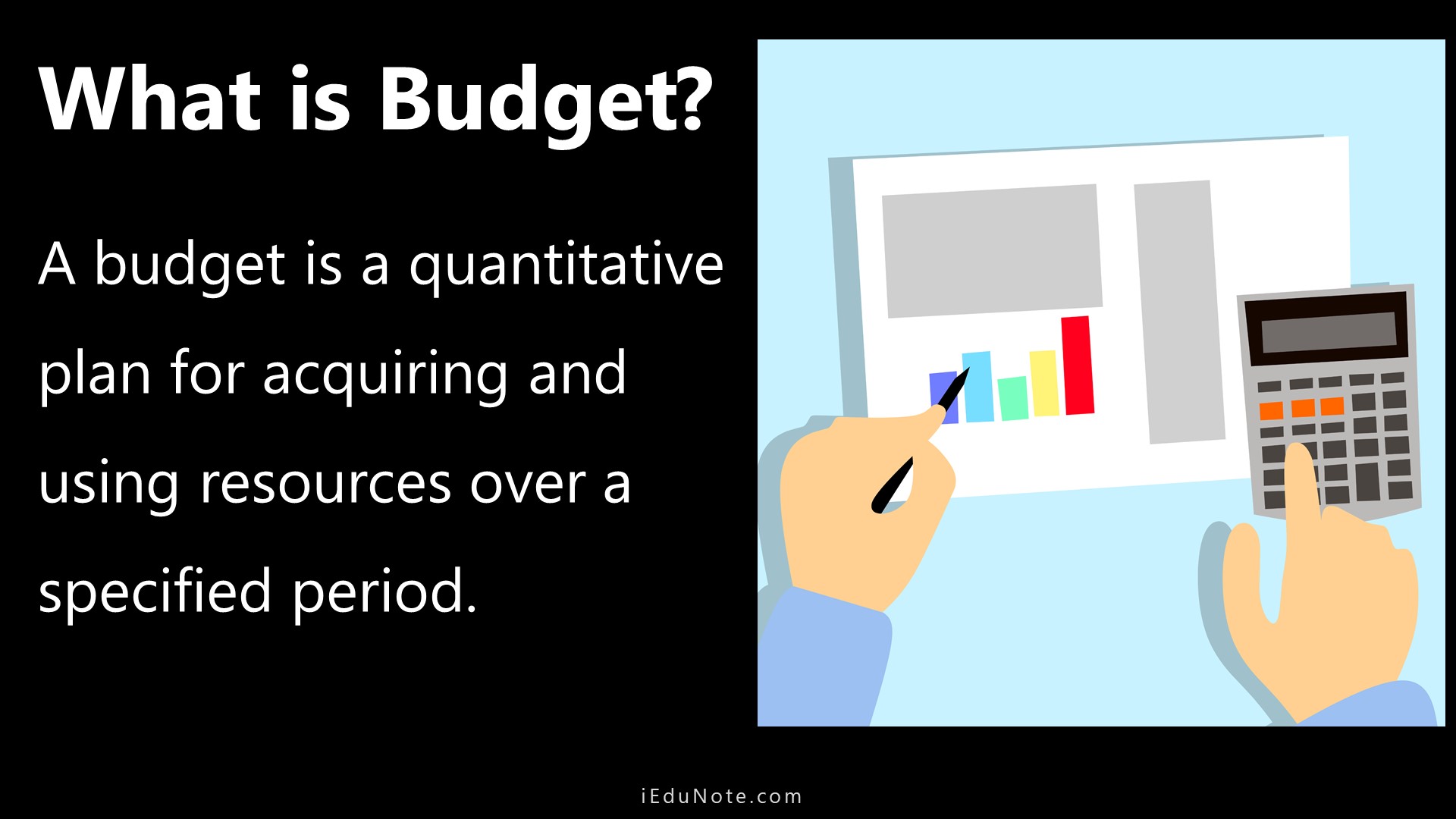
At its core, budgeting is the process of creating a plan for how to spend and save money. It’s a detailed projection of your income and expenses over a specific period, typically a month, quarter, or year. However, its purpose extends far beyond mere accounting; it is a powerful tool for financial empowerment and goal achievement.
Defining a Budget: More Than Just Numbers
A budget is often mistakenly perceived as a tool solely for restricting spending. While it certainly helps in managing outlays, its true definition is broader and more positive. A budget is an intentional allocation of financial resources, reflecting your priorities and values. It’s a conscious decision about where every dollar you earn will go, ensuring that your spending aligns with your goals rather than being dictated by impulse or default. It’s about being proactive with your money, rather than reactive. This proactive stance transforms money management from a chore into a strategic exercise.
Why Budgeting Matters: Gaining Control and Clarity
The primary reason budgeting is crucial is that it provides unparalleled financial clarity and control. Many people operate with a vague idea of their financial situation, often feeling that money slips through their fingers without understanding why. A budget illuminates this fog, revealing exactly where your money comes from and, more importantly, where it goes. This transparency is the first step toward taking control. By understanding your spending patterns, you can identify areas of waste, pinpoint opportunities for savings, and make informed decisions that align with your broader financial objectives. This proactive approach reduces financial anxiety, replacing uncertainty with a sense of mastery over your economic life. It allows you to anticipate future needs, plan for contingencies, and build a solid foundation for financial well-being.
Setting Financial Goals: The Bedrock of Effective Budgeting
A budget without goals is like a ship without a destination. Effective budgeting is always anchored in specific, measurable financial goals. Whether your aim is to pay off credit card debt, save for a down payment on a house, fund a child’s education, build an emergency fund, invest for retirement, or even plan a dream vacation, these goals provide the motivation and direction for your budget. Your budget becomes the strategic instrument through which these aspirations are realized. Each dollar allocated is a step towards achieving these objectives, making the budgeting process not just about managing money, but about actively building the future you envision. By linking your daily financial decisions to your long-term ambitions, budgeting transforms from a mundane task into an exciting journey of financial accomplishment.
Types of Budgets: Tailoring Your Financial Plan
Just as there isn’t a one-size-fits-all solution for personal or business challenges, budgeting offers various approaches and categories designed to fit different needs and circumstances. Understanding these distinctions is key to selecting or designing a budget that genuinely serves your specific objectives.
Personal and Household Budgets: Managing Individual and Family Finances
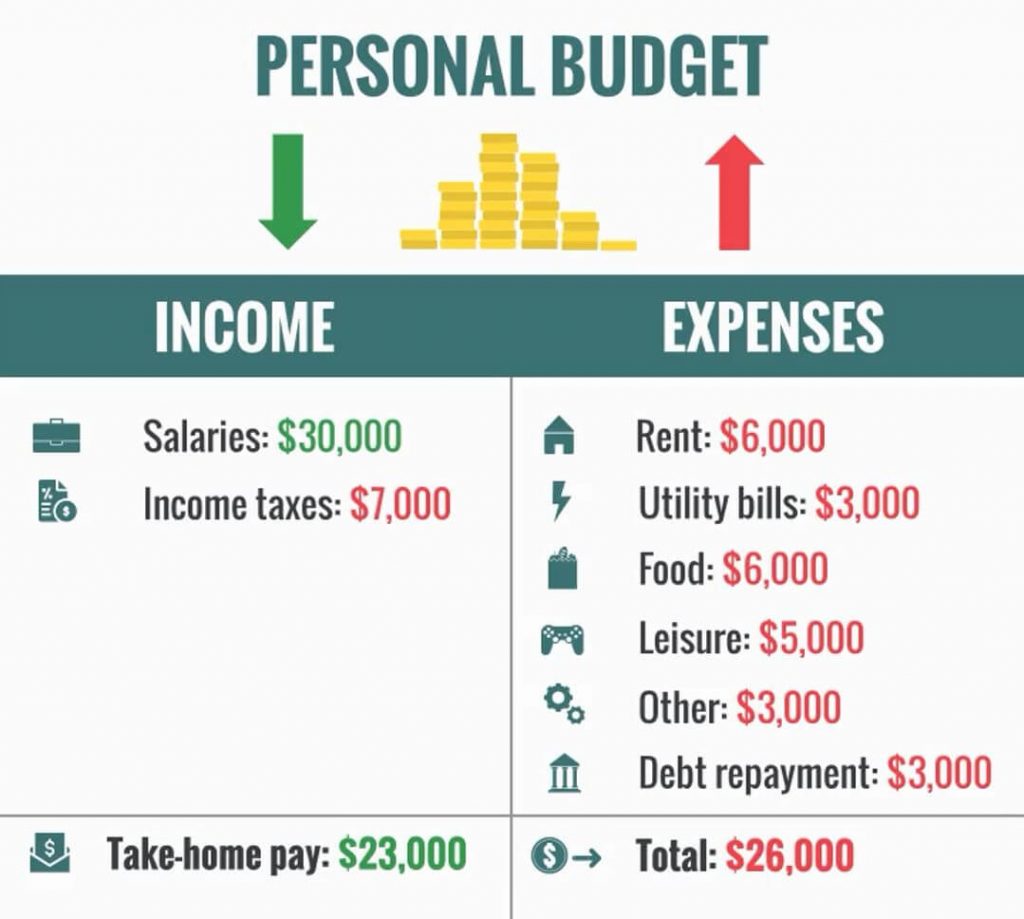
For individuals and families, personal and household budgets are designed to manage day-to-day income and expenses. These budgets typically track salaries, wages, and other personal income against living expenses such as rent/mortgage, utilities, groceries, transportation, insurance, debt payments, and discretionary spending. The goal is to ensure that monthly income covers all necessary expenses, allows for savings, and ideally, contributes towards specific financial goals. These budgets can range from simple pen-and-paper tracking to sophisticated digital apps, depending on the user’s preference and the complexity of their financial situation.
Business Budgets: Operational, Capital, and Master Budgets
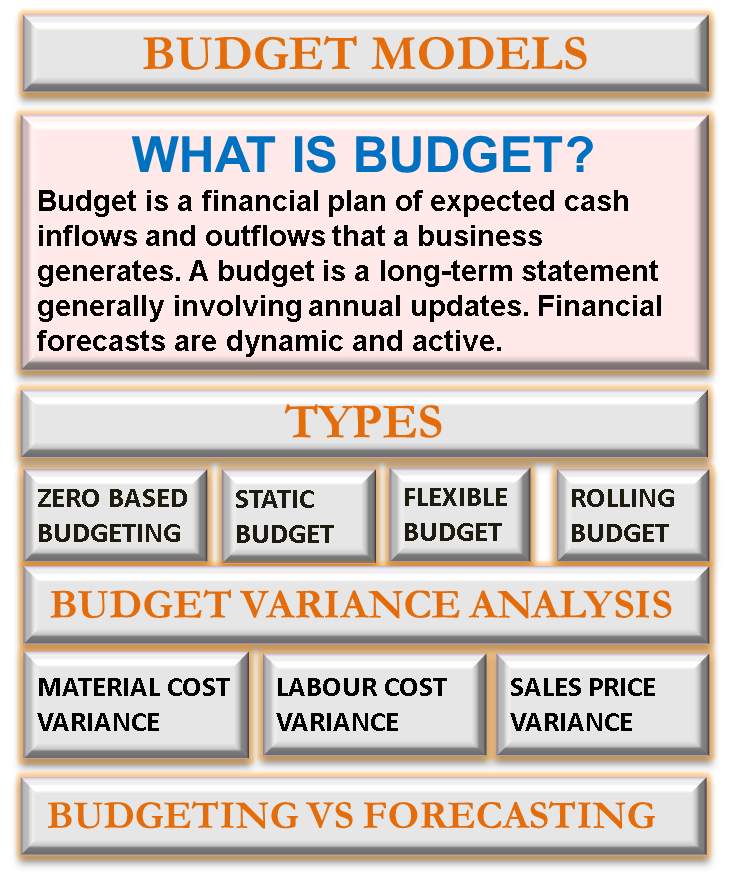
Businesses, regardless of size, rely heavily on budgets for strategic planning, resource allocation, and performance evaluation.
-
Operational Budgets forecast revenues and expenses for the ongoing operations of the business over a short period (e.g., a fiscal year). They include sales forecasts, production costs, administrative expenses, and marketing budgets.
-
Capital Budgets focus on long-term investments, such as purchasing new equipment, expanding facilities, or developing new products. They involve significant financial outlays and are crucial for the company’s future growth and competitiveness.
-
A Master Budget is a comprehensive financial plan that aggregates all other budgets—operational, capital, and financial budgets (like cash flow and balance sheet budgets)—into a unified framework. It provides a holistic view of the company’s financial expectations and serves as a benchmark for actual performance.
Project-Specific Budgets: For Defined Initiatives
Beyond ongoing operations, budgets are often created for specific projects with defined start and end dates. Whether it’s a marketing campaign, a product launch, a construction project, or a research initiative, a project budget allocates resources to achieve particular objectives within a set timeframe and cost ceiling. These budgets detail all anticipated costs, including labor, materials, equipment, and contingencies, ensuring the project remains financially viable and on track. This allows for rigorous cost control and accountability for individual initiatives without impacting the broader organizational budget unnecessarily.
Common Budgeting Methods: 50/30/20 Rule, Zero-Based Budgeting, Envelope System
Various popular methods offer frameworks for individuals to approach budgeting:
-
The 50/30/20 Rule: This simple guideline suggests allocating 50% of your after-tax income to needs (housing, utilities, groceries), 30% to wants (dining out, entertainment, hobbies), and 20% to savings and debt repayment. It offers flexibility while ensuring essential categories are covered.
-
Zero-Based Budgeting (ZBB): With ZBB, every dollar of income is assigned a specific job, meaning your income minus your expenses should equal zero. This method requires a detailed allocation for every expense, forcing you to be highly intentional about where your money goes. It leaves no room for unallocated funds, maximizing efficiency.
-
The Envelope System: This tactile method involves allocating cash into physical envelopes labeled for different spending categories (e.g., “Groceries,” “Entertainment,” “Transportation”). Once an envelope is empty, you stop spending in that category until the next budgeting period. It’s particularly effective for those who struggle with overspending on variable expenses.
The Anatomy of an Effective Budget
Regardless of its type or method, an effective budget shares fundamental components that ensure its utility and accuracy. Understanding these elements is crucial for constructing a financial plan that truly works.
Income Tracking: The Starting Point
The absolute first step in creating any budget is accurately identifying and tracking all sources of income. This includes regular salary or wages, freelance income, investment dividends, rental income, benefits, or any other money flowing into your accounts. It’s vital to use net income (after taxes and deductions) for personal budgets, as this represents the actual spendable amount. For businesses, this means accurate revenue forecasting from sales and other operational income. Without a clear picture of your total available funds, any subsequent allocation of expenses will be based on an inaccurate premise, rendering the budget ineffective from the outset.
Categorizing Expenses: Fixed, Variable, and Discretionary
Once income is established, the next critical step is to list and categorize all expenses. This helps in understanding spending patterns and identifying areas for adjustment.
-
Fixed Expenses are costs that remain constant each month and are typically non-negotiable. Examples include rent/mortgage payments, loan repayments (car, student), insurance premiums, and subscription services.
-
Variable Expenses fluctuate from month to month and are often within your control. These include groceries, utility bills (which can vary with usage), fuel, and clothing. These categories offer the most flexibility for cuts if needed.
-
Discretionary Expenses are non-essential outlays that are completely optional. This covers entertainment, dining out, hobbies, vacations, and impulse purchases. While these contribute to quality of life, they are usually the first to be reduced when budget tightening is necessary. A clear distinction between these categories allows for strategic decision-making about where to cut or allocate more resources.
Allocating Funds: Prioritizing Needs, Wants, and Savings
With income and expenses itemized, the next phase involves allocating specific amounts to each expense category. This is where your financial goals come into play. Priorities should generally be:
-
Needs: Ensuring essential living costs are covered.
-
Debt Repayment/Savings: Allocating funds to reduce high-interest debt and build an emergency fund and long-term savings/investments. This should ideally be treated as a fixed “expense” to ensure consistency.
-
Wants/Discretionary: What’s left over can be allocated to lifestyle choices and non-essential spending.
This allocation process is often an iterative one, where you may need to adjust figures across categories until your total expenses (including savings and debt repayment) do not exceed your total income. It’s about making conscious choices about where your money will provide the most value.
Monitoring and Adjustment: Budgeting as a Dynamic Process
A budget is not a static document; it’s a living, breathing financial tool that requires ongoing monitoring and periodic adjustment. Regularly tracking your actual spending against your budgeted amounts is crucial. This could be daily, weekly, or monthly, using financial apps, spreadsheets, or manual logs. This monitoring helps you identify deviations quickly, understand where you might be overspending, and make necessary corrections. Life circumstances change – income can fluctuate, unexpected expenses arise, and goals evolve. Therefore, it’s essential to review and adjust your budget regularly (e.g., quarterly or annually) to ensure it remains relevant, realistic, and aligned with your current financial situation and aspirations. Flexibility is key to long-term budgeting success.
Benefits of Budgeting: Beyond Just Saving
While commonly associated with saving money, the advantages of budgeting extend much further, impacting various facets of financial well-being and personal empowerment. A well-executed budget offers a multitude of benefits that collectively contribute to a more secure and prosperous future.
Achieving Financial Goals: From Debt Reduction to Wealth Building
Perhaps the most significant benefit of budgeting is its direct link to achieving specific financial goals. Whether your ambition is to eliminate high-interest credit card debt, save a substantial down payment for a home, fund a child’s college education, build a robust retirement nest egg, or simply accumulate a solid emergency fund, a budget provides the actionable framework. By intentionally allocating funds towards these objectives, a budget transforms abstract desires into concrete plans, making the path to financial success clear and manageable. It provides the discipline and structure needed to consistently set aside money for what truly matters, dramatically increasing your likelihood of reaching those milestones.
Reducing Financial Stress: Peace of Mind Through Clarity
Financial stress is a pervasive issue for many, often stemming from uncertainty, a lack of control, and a feeling of being overwhelmed by money matters. Budgeting directly addresses these stressors by bringing clarity and predictability to your financial life. When you know exactly how much income you have, where it’s going, and what your financial obligations are, much of the anxiety dissipates. The ability to plan for upcoming expenses, anticipate potential shortfalls, and proactively save for future needs instills a profound sense of control and peace of mind. This mental relief allows you to focus on other aspects of your life without the constant shadow of financial worry.
Identifying Waste and Inefficiencies: Optimizing Spending
One of the revelations often brought by diligent budgeting is the discovery of unnecessary or inefficient spending. Many people are unaware of how much they spend on small, recurring items that add up significantly over time (e.g., multiple streaming subscriptions, daily coffees, unused gym memberships, or excessive dining out). A detailed budget acts as an audit tool, highlighting these “money leaks.” Once identified, you can make conscious choices to reduce or eliminate these expenses, redirecting those funds towards more impactful areas like savings, debt repayment, or higher-priority goals. This optimization process ensures that every dollar is working efficiently for you, rather than being inadvertently squandered.
Empowering Financial Decisions: Making Informed Choices
Budgeting provides the data and context necessary for making informed financial decisions. Should you take on that new car payment? Can you afford to take that vacation? Is now the right time to invest in a new skill? With a clear budget in place, these questions can be answered with confidence, based on real numbers rather than hopeful assumptions. It allows you to evaluate the financial impact of various choices before committing to them, preventing costly mistakes and ensuring that your decisions align with your long-term financial health. This empowerment translates into greater confidence and strategic foresight in all your financial dealings.
Overcoming Budgeting Challenges and Sustaining Success
While the benefits of budgeting are compelling, many individuals and businesses face common challenges that can derail their efforts. Sustaining a budget over the long term requires not just initial enthusiasm, but also resilience, adaptability, and the right tools.
Common Pitfalls: Unrealistic Expectations, Lack of Consistency, Fear
Several factors frequently lead to budgeting failures:
-
Unrealistic Expectations: Setting overly aggressive savings goals or drastically cutting enjoyable but non-essential spending too quickly can lead to burnout and abandonment of the budget. A sustainable budget must be realistic and allow for some flexibility.
-
Lack of Consistency: Sporadic tracking and irregular reviews undermine the effectiveness of a budget. It requires ongoing attention and commitment to be truly useful.
-
Fear and Avoidance: Some people avoid budgeting due to fear of confronting their financial reality or the perceived restriction it imposes. This avoidance only exacerbates financial problems in the long run.
-
Analysis Paralysis: Conversely, some get bogged down in too much detail, endlessly refining categories without ever actually implementing or sticking to the plan.
Tools and Technology: Budgeting Apps, Spreadsheets, Financial Advisors
Fortunately, a wealth of resources exists to simplify and enhance the budgeting process:
-
Budgeting Apps: Digital tools like Mint, YNAB (You Need A Budget), Personal Capital, and PocketGuard can automate income and expense tracking, categorize transactions, set financial goals, and provide visual insights into spending patterns. They offer convenience and real-time data.
-
Spreadsheets: For those who prefer a more hands-on approach, custom-built spreadsheets (e.g., in Excel or Google Sheets) offer unparalleled flexibility to tailor a budget exactly to individual needs. Many free templates are also available online.
-
Financial Advisors/Coaches: For complex situations, or if you’re struggling to get started, a professional financial advisor or coach can provide personalized guidance, help set realistic goals, and hold you accountable. They can offer expertise in investment planning, debt management, and comprehensive financial strategy.
Building Sustainable Habits: Consistency, Review, and Adaptation
The key to long-term budgeting success lies in transforming it from a one-time task into a consistent habit.
-
Consistency: Dedicate a specific time each week or month to review your finances. This could be as little as 15-30 minutes, but regularity is paramount.
-
Review and Adapt: Life is dynamic. Your budget should be too. Regularly assess if your allocations are still realistic and aligned with your goals. Adjust categories, spending limits, and savings targets as circumstances change. Don’t view deviations as failures, but as opportunities to learn and refine your approach.
-
Celebrate Small Wins: Acknowledge your progress, no matter how small. Reaching a savings goal, paying off a chunk of debt, or simply sticking to your budget for a month can be incredibly motivating.
The Long-Term Perspective: Budgeting as a Journey, Not a Destination
Ultimately, budgeting is not a destination you reach and then stop; it is an ongoing journey of financial management and self-improvement. It’s a continuous cycle of planning, tracking, reviewing, and adjusting. Embracing this long-term perspective allows for flexibility, forgiveness for occasional missteps, and a focus on incremental progress rather than immediate perfection. By embedding budgeting into your financial routine, you build a resilient foundation that supports your current needs, enables your future aspirations, and fosters a profound sense of financial security and freedom.
aViewFromTheCave is a participant in the Amazon Services LLC Associates Program, an affiliate advertising program designed to provide a means for sites to earn advertising fees by advertising and linking to Amazon.com. Amazon, the Amazon logo, AmazonSupply, and the AmazonSupply logo are trademarks of Amazon.com, Inc. or its affiliates. As an Amazon Associate we earn affiliate commissions from qualifying purchases.