
Filing taxes is often perceived as a daunting annual obligation, yet it serves as one of the most critical components of a sound personal finance strategy. Far from being a mere bureaucratic hurdle, the process of filing taxes is an opportunity to audit your financial health, optimize your liabilities, and ensure that you are leveraging every available mechanism to retain your hard-earned wealth. Understanding the nuances of the tax code allows individuals to transition from a reactive stance to a proactive, strategic approach to wealth management.
Understanding the Modern Landscape of Tax Compliance
Before diving into the technicalities of forms and software, it is essential to understand the framework upon which the tax system is built. Tax filing is the process of reconciling the amount of money you paid to the government throughout the year with the actual amount you owe based on your total income, deductions, and credits.

Determining Your Filing Status
The first step in any tax journey is identifying your filing status. This designation is pivotal because it dictates your standard deduction amount, your tax brackets, and your eligibility for specific credits. There are five primary statuses:
-
Single: For those who are unmarried, divorced, or legally separated.
-
Married Filing Jointly: Usually the most tax-advantageous for couples, as it offers higher income thresholds for lower tax brackets.
-
Married Filing Separately: Occasionally beneficial if one spouse has significant medical expenses or if there is a need to keep financial liabilities distinct.
-
Head of Household: Specifically designed for unmarried individuals who pay more than half the cost of keeping up a home for a qualifying person.
-
Qualifying Surviving Spouse: Offers the benefits of the joint filing status for a limited period after the death of a spouse.
Choosing the correct status is the foundation of an accurate return. An incorrect status can lead to overpayment or, conversely, a rejection of the return by the IRS.
Gathering Essential Documentation
Efficiency in tax filing is rooted in organization. By the end of January, most financial institutions and employers are required to issue the necessary forms. For the modern professional, this usually includes:
-
W-2 Forms: Detailing wages and taxes withheld by employers.
-
1099 Series: This includes 1099-NEC for non-employee compensation (freelance work), 1099-INT for interest earned, 1099-DIV for dividends, and 1099-B for capital gains from brokerage accounts.
-
1098 Forms: Covering mortgage interest, student loan interest, and tuition payments.
-
Digital Records: Receipts for charitable donations, business expenses, and medical costs if you plan to itemize.
In the digital age, many of these documents are available through online portals. Consolidating these into a centralized secure folder—whether digital or physical—prevents the last-minute scramble that often leads to errors.
Choosing the Right Method: Manual vs. Software vs. Professional
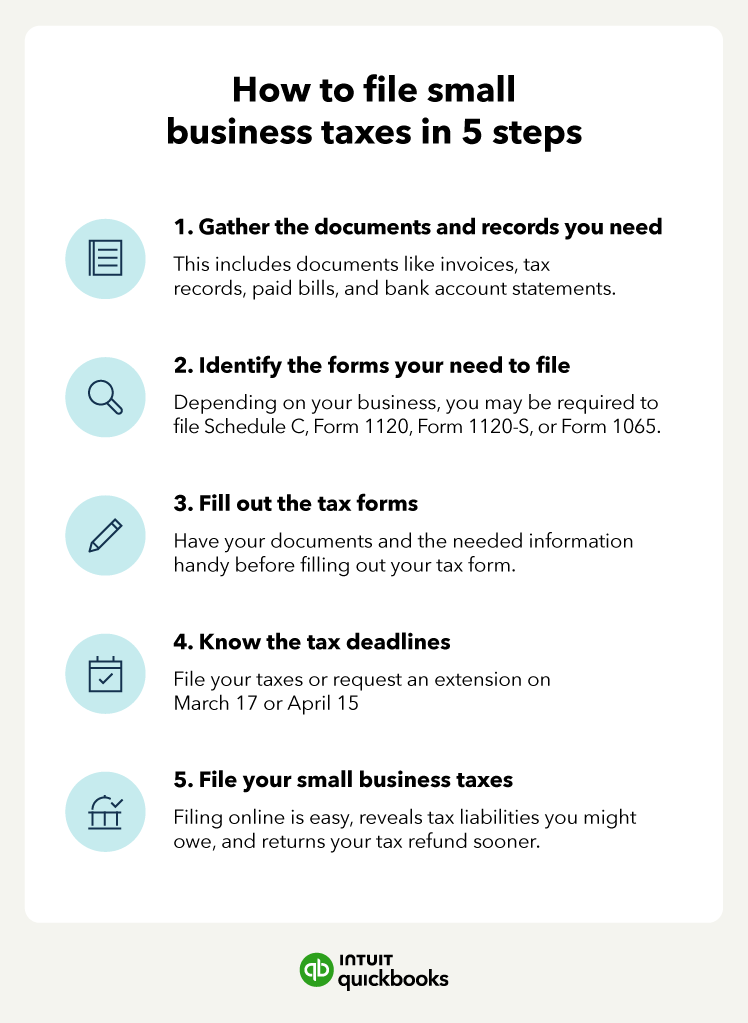
The “how” of filing has evolved significantly over the last decade. While the IRS still accepts paper returns, the vast majority of taxpayers now utilize electronic filing (e-file) methods for faster processing and more reliable tracking.
The DIY Approach with Tax Preparation Software
For the average taxpayer with a straightforward financial profile (a W-2 and perhaps some high-yield savings interest), tax preparation software is the most cost-effective and efficient route. Modern platforms use interview-style interfaces to guide users through their financial year, asking simple questions to determine which forms need to be filled out.
The primary benefit of software is its ability to perform complex calculations automatically and check for common errors or missed credits. Furthermore, many of these platforms offer “import” features that pull data directly from employers and financial institutions, drastically reducing the risk of manual entry errors.
When to Hire a Certified Public Accountant (CPA)
As wealth grows and financial portfolios become more complex, the value of a professional tax preparer or CPA increases. You should consider a professional if:
-
You own a business with multiple employees or complex overhead.
-
You have significant investments in real estate or foreign assets.
-
You are dealing with complex estate planning or inheritance issues.
-
You have a high net worth and require strategic multi-year tax planning.
A CPA does more than just fill out forms; they provide strategic oversight. They can advise on tax-loss harvesting, the timing of asset sales, and how to structure business entities to minimize tax exposure.
IRS Free File and Low-Income Assistance
For those whose income falls below a certain threshold, the IRS offers the Free File program. This is a public-private partnership that provides free access to brand-name tax software. Additionally, programs like the Volunteer Income Tax Assistance (VITA) provide free tax help to people who generally make $64,000 or less, persons with disabilities, and limited English-speaking taxpayers.
Maximizing Deductions and Credits to Protect Your Wealth
The true power of tax filing lies in the ability to reduce your taxable income. There are two primary ways to do this: deductions and credits. While they are often used interchangeably in casual conversation, they serve very different functions in the eyes of the law.
Standard Deduction vs. Itemizing
A deduction reduces the amount of your income that is subject to tax. Most taxpayers opt for the Standard Deduction, which is a flat dollar amount that varies by filing status. It is simple, requires no record-keeping, and is adjusted annually for inflation.
However, if your total deductible expenses—such as mortgage interest, state and local taxes (SALT) up to $10,000, charitable contributions, and unreimbursed medical expenses—exceed the standard deduction amount, it is more beneficial to Itemize. This requires diligent record-keeping but can result in significant tax savings for homeowners and high-earners in high-tax states.
Common Credits: The Dollar-for-Dollar Advantage
Unlike a deduction, which reduces taxable income, a Tax Credit reduces your actual tax bill dollar-for-dollar. Some credits are even “refundable,” meaning that if the credit reduces your tax liability to zero, you can receive the remaining amount as a refund.
-
Child Tax Credit (CTC): Provides significant relief for parents and guardians.
-
Earned Income Tax Credit (EITC): A benefit for working people with low to moderate income.
-
Education Credits: The American Opportunity Tax Credit (AOTC) and the Lifetime Learning Credit (LLC) help offset the costs of higher education.
-
Energy Credits: Incentives for making home energy-efficiency improvements or purchasing electric vehicles.
Tax Planning Strategies for the Modern Investor and Entrepreneur
The rise of the gig economy and the democratization of the stock market have changed how we look at taxes. Filing is no longer just about reporting a salary; it is about managing a multifaceted income stream.
Managing Side Hustle Income and Self-Employment Tax
If you earn money through freelance work, consulting, or a side hustle, you are essentially a small business owner. This means you are responsible for both the employer and employee portions of Social Security and Medicare taxes, collectively known as the self-employment tax.
Strategic filers utilize Schedule C to deduct business-related expenses, such as home office costs, internet fees, and marketing expenses, from their total side-hustle revenue. This ensures you are only paying tax on your profit, not your gross receipts.
Capital Gains and Investment Tax Strategies
Investors must be mindful of the difference between short-term and long-term capital gains. Assets held for more than a year are taxed at preferential long-term rates (0%, 15%, or 20%), which are significantly lower than standard income tax brackets.
During the filing process, savvy investors look for opportunities for Tax-Loss Harvesting. This involves selling losing investments to offset the gains from winning ones, thereby reducing the total capital gains tax liability. If your losses exceed your gains, you can even use up to $3,000 of that loss to offset your regular income.
Avoiding Common Pitfalls and Ensuring Long-Term Financial Health
The final stage of filing is the submission and the subsequent safeguarding of your records. Precision here prevents future headaches with the IRS and ensures you are prepared for future financial milestones, such as applying for a mortgage.
Deadlines and Extension Protocols
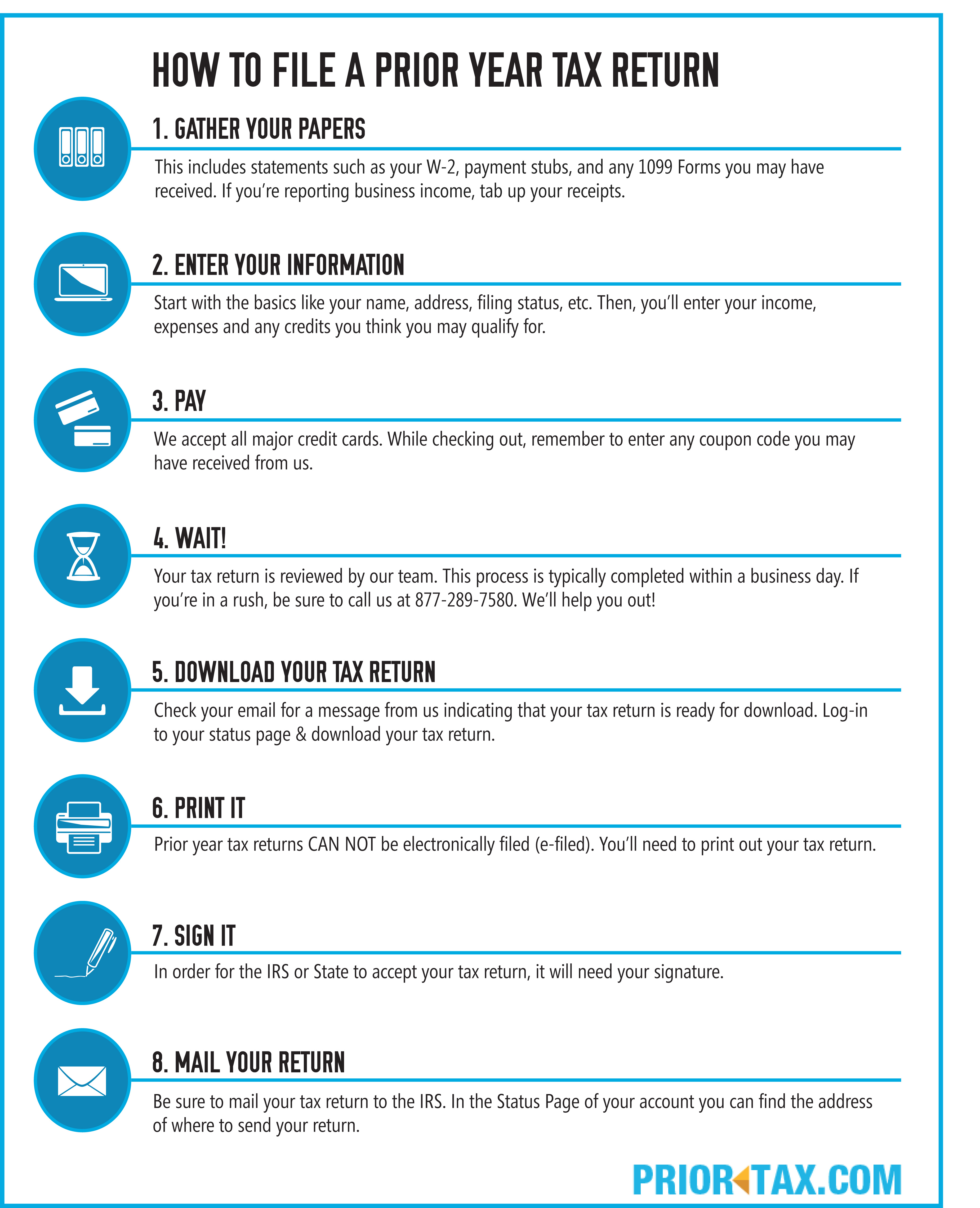
The traditional deadline is April 15th, unless it falls on a weekend or holiday. If you cannot meet this deadline, you can file for an automatic six-month extension. However, it is a common misconception that an extension gives you more time to pay. An extension only provides more time to file. Any taxes owed must still be estimated and paid by the April deadline to avoid interest and late-payment penalties.
Audit Prevention and Record Keeping
While the audit rate for most individual taxpayers is very low, the best defense is a thorough offense. Digital accuracy is paramount. Ensure that the numbers you report match the numbers on the forms reported to the IRS by your employers and banks.
Once your return is filed, keep a copy along with all supporting documentation for at least three to seven years. In the event of an inquiry, having a clear trail of receipts, bank statements, and tax forms is the only way to verify your claims.
Filing taxes should be viewed as the ultimate financial check-up. By approaching it with a focus on organization, a clear understanding of the law, and a strategic eye toward deductions and credits, you can ensure that you are not only compliant with the law but are also maximizing your personal financial growth. Whether you use a high-end software suite or a dedicated financial professional, the goal remains the same: accuracy, efficiency, and the protection of your financial future.
aViewFromTheCave is a participant in the Amazon Services LLC Associates Program, an affiliate advertising program designed to provide a means for sites to earn advertising fees by advertising and linking to Amazon.com. Amazon, the Amazon logo, AmazonSupply, and the AmazonSupply logo are trademarks of Amazon.com, Inc. or its affiliates. As an Amazon Associate we earn affiliate commissions from qualifying purchases.