
As the boundary between traditional home appliances and smart technology continues to blur, the humble space heater has undergone a significant high-tech transformation. No longer just a glowing orange coil in a metal box, modern supplemental heating solutions are marvels of thermal engineering, sensor integration, and Internet of Things (IoT) connectivity. When we ask “what are the best space heaters,” we are no longer just looking for raw heat output; we are looking for precision, efficiency, and intelligent safety systems.
In this deep dive into current heating technology, we explore how the latest advancements in solid-state components, smart home ecosystems, and advanced thermodynamics have redefined personal climate control.
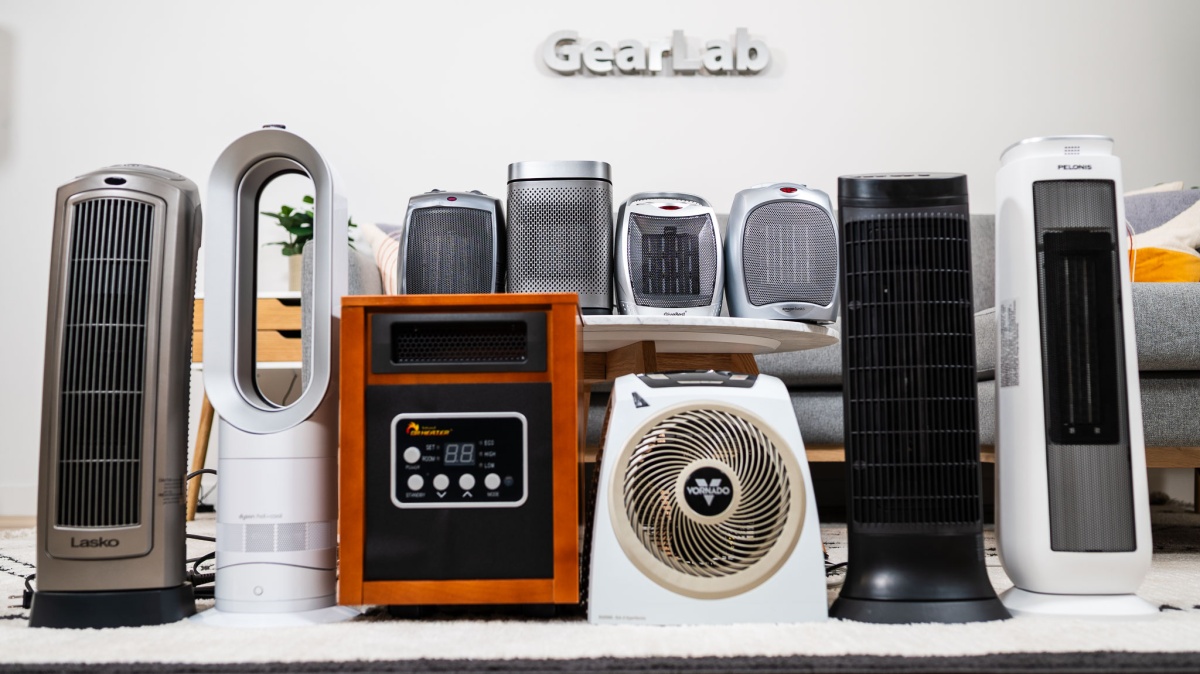
1. Understanding Heating Architectures: The Engineering Behind the Warmth
To identify the best space heater, one must first understand the technological “engine” driving the device. The tech industry has moved away from simple resistive wire heating toward more sophisticated methods that offer better energy-to-heat conversion ratios.
Positive Temperature Coefficient (PTC) Ceramic Technology
PTC heating is currently the gold standard for portable gadgets. Unlike traditional wires that can overheat and burn out, PTC heaters use specialized ceramic stones or chips. The “Tech” advantage here is self-regulation: as the ceramic material gets hotter, it automatically increases its electrical resistance, limiting the current. This prevents the device from reaching dangerous temperatures, making it a masterpiece of inherent safety engineering.
Infrared and Radiant Wave Technology
Infrared heaters operate on a completely different technological principle. Instead of warming the air (convection), they emit electromagnetic waves—specifically in the far-infrared spectrum—that vibrate molecules in solid objects (like furniture or people). From a tech perspective, this is highly efficient because it minimizes energy loss through drafts or high ceilings. The “best” infrared units now feature quartz tube technology combined with gold-plated reflectors to maximize wave projection.
Micathermic and Oil-Filled Digital Hybrids
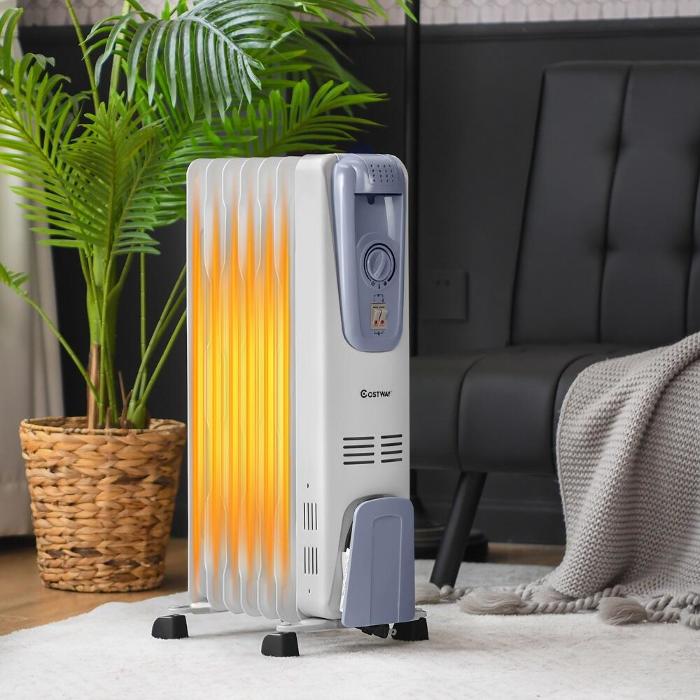
For those seeking silent operation, micathermic technology represents a hybrid of convection and radiant heat. These devices use thin sheets of mica to house the heating elements. On the higher end, digital oil-filled radiators have integrated microprocessors that pulse the heating element to maintain a perfectly steady thermal mass, avoiding the “on-off” spikes common in older, analog units.
2. The Rise of the Smart Space Heater: IoT and Automation
The most significant shift in the space heater market is the integration of these devices into the broader smart home ecosystem. A “best-in-class” heater today is essentially a networked computer with a thermal output.
Integration with Smart Ecosystems (Matter, HomeKit, and Alexa)
The latest generation of space heaters supports Matter—the new universal smart home standard. This allows a Govee or Atomi heater to communicate seamlessly with Apple HomeKit, Amazon Alexa, or Google Home. For the tech enthusiast, this means the heater isn’t just a standalone device; it’s a node in a complex automation script. For example, a “Good Morning” routine can trigger the heater in the home office 15 minutes before your first Zoom call, provided the ambient room temperature is below 68°F.
Advanced App Control and Real-Time Analytics
Top-tier tech brands now provide dedicated apps that offer more than just a remote power switch. These platforms provide real-time energy consumption analytics, allowing users to see exactly how many kilowatt-hours their warmth is costing them. Advanced firmware allows for “Precision Mode,” where the user can set a target temperature down to a tenth of a degree, and the heater’s onboard logic adjusts fan speed and power draw to maintain that exact level.
Geofencing and Presence Sensing
The most innovative tech-forward heaters utilize geofencing. By tracking your smartphone’s GPS, the heater knows when you are five miles from home and can begin pre-warming your bedroom. Furthermore, some high-end units incorporate PIR (Passive Infrared) sensors—the same tech used in security systems—to detect if a human is actually in the room. If no motion is detected for a set period, the device enters a low-power “Eco” mode or shuts down entirely, a perfect marriage of sensor tech and sustainability.
3. Safety-First Engineering: Sensors and Logic Circuits
When discussing the best space heaters, safety is the most critical technological component. The “dumb” heaters of the past were responsible for significant fire risks; modern “smart” heaters use a multi-layered hardware and software stack to mitigate these dangers.
Intelligent Tip-Over and Motion Detection
While mechanical tip-over switches have existed for decades, modern tech heaters use electronic gyroscopes and accelerometers. These sensors can detect not just if a heater has fallen, but if it is tilted at an unsafe angle or if it has been bumped by a pet. The logic circuit can cut power in milliseconds—faster than a mechanical switch ever could.
Thermal Throttling and Overheat Proprotection
Modern heaters utilize NTC (Negative Temperature Coefficient) thermistors to monitor internal temperatures at multiple points. If the airflow is blocked—perhaps by a stray curtain or a blanket—the onboard processor detects the rapid rise in internal heat and throttles the power or initiates a hard shutdown. This software-driven safety layer provides a “fail-safe” that operates independently of the user’s settings.
V-0 Flame Retardant Materials and Cool-Touch Exteriors
The material science behind the chassis is just as important as the electronics. The best heaters utilize V-0 rated flame-retardant plastics and dual-wall construction. This engineering feat ensures that while the internal heating element may be hundreds of degrees, the exterior remains safe to the touch. This is achieved through sophisticated airflow management, using “venturi effects” to pull cool air over the outer casing while pushing hot air out the front.
4. Efficiency and the Future of Thermal Engineering
As we look toward the future of the “best” space heaters, the focus is shifting toward maximizing thermal output while minimizing the carbon footprint. This is where high-tech innovation meets environmental responsibility.
Precision Thermostat Technology and PID Controllers
Older heaters used simple bimetallic strips for thermostats, which resulted in wide temperature swings. Modern high-tech units use PID (Proportional-Integral-Derivative) controllers—the same type of logic used in industrial manufacturing and drone flight stabilization. A PID controller calculates the “error” between the desired temperature and the current temperature and applies a varying amount of power to close the gap smoothly. This prevents the “overheating and then freezing” cycle, leading to significantly lower energy bills.
Solid-State Heating and Graphene
The frontier of heating tech is graphene. Because graphene is an incredible conductor of both electricity and heat, researchers are developing ultra-thin, incredibly efficient heating elements that could replace bulky ceramic blocks. While still in the early stages of commercial gadgets, graphene-based space heaters promise to be thinner, lighter, and faster-reaching than anything currently on the market.
Noise Engineering and Fluid Dynamics
The “best” tech isn’t always about the electronics; sometimes it’s about the physics of air movement. Brands like Dyson have invested heavily in fluid dynamics to create “Air Multiplier” technology. By using high-pressure impellers and aerodynamic ramps, these heaters can move large volumes of heated air without the buffeting or loud “whir” of a traditional fan. This makes them ideal for tech-heavy environments like recording studios or home theaters where acoustic purity is as important as temperature.
Conclusion: Selecting Your Optimal Thermal Tech
In the modern era, the “best” space heater is defined by how well it integrates into your digital life and how efficiently it manages its physical environment. When choosing your next device, look beyond the BTU (British Thermal Unit) rating. Instead, evaluate the quality of its sensors, the robustness of its smart home integration, and the sophistication of its thermal logic.
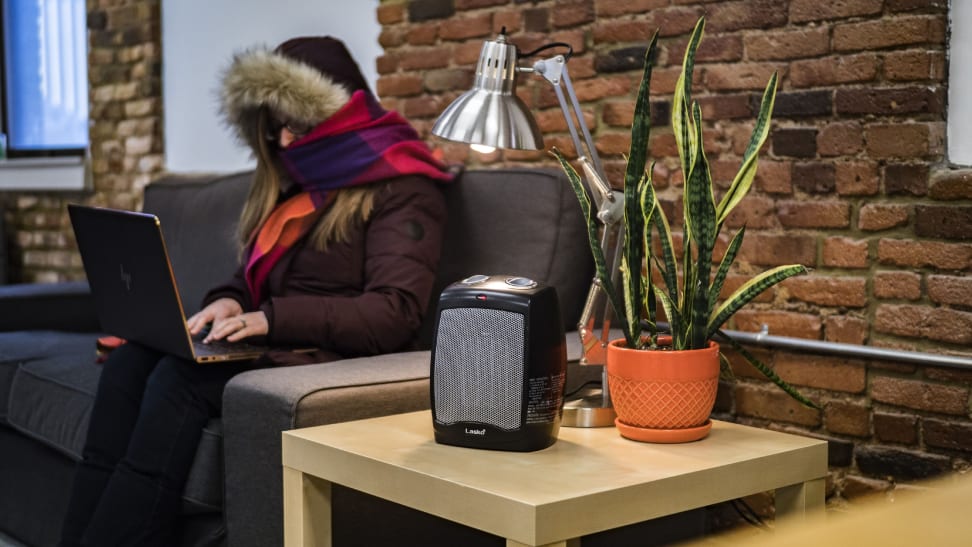
Whether it is a PTC ceramic unit for a small office or a high-end infrared tower for a drafty living room, the technology of warmth has never been more precise. By prioritizing heaters with advanced safety circuits, IoT connectivity, and PID-controlled thermostats, you aren’t just buying a heater—you are investing in a sophisticated climate-control gadget that provides comfort, safety, and efficiency through superior engineering.
aViewFromTheCave is a participant in the Amazon Services LLC Associates Program, an affiliate advertising program designed to provide a means for sites to earn advertising fees by advertising and linking to Amazon.com. Amazon, the Amazon logo, AmazonSupply, and the AmazonSupply logo are trademarks of Amazon.com, Inc. or its affiliates. As an Amazon Associate we earn affiliate commissions from qualifying purchases.