
In the realm of personal finance, corporate strategy, and macroeconomic stability, few legal concepts carry as much weight—or generate as much debate—as the General Welfare Clause. Found in Article I, Section 8 of the U.S. Constitution, this clause serves as the foundational pillar for the federal government’s power to tax and spend. For investors, business owners, and individuals planning their financial futures, understanding the General Welfare Clause is not just a lesson in civics; it is a vital component of understanding how fiscal policy, social safety nets, and market regulations are funded and executed.
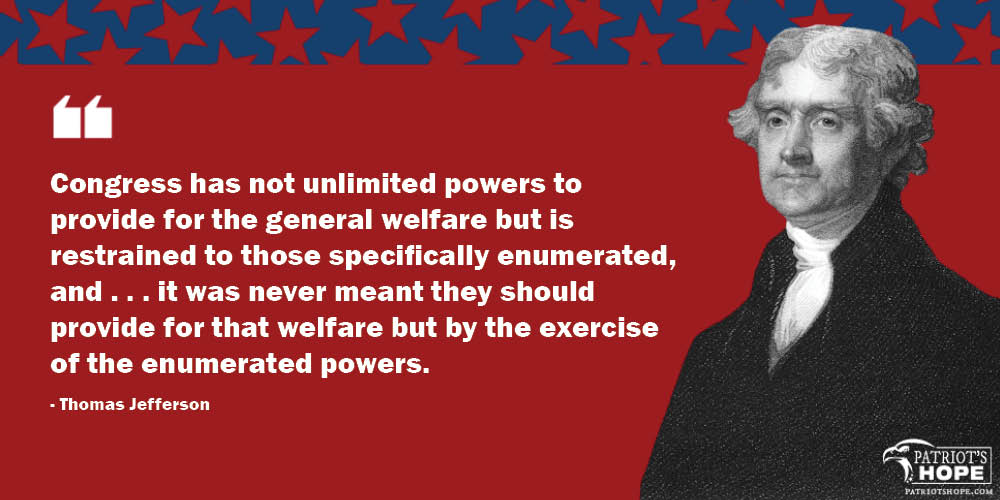
The clause states that Congress shall have the power to “lay and collect Taxes, Duties, Imposts and Excises, to pay the Debts and provide for the common Defence and general Welfare of the United States.” While these words may seem abstract, they are the engine behind the trillions of dollars that flow through the American economy every year.
The Financial Foundation: Understanding the Clause in a Business Context
At its core, the General Welfare Clause is the constitutional mechanism that allows the federal government to participate in the economy. Without it, the modern financial landscape—characterized by government contracts, infrastructure projects, and regulatory oversight—would cease to exist. From a business finance perspective, this clause provides the legal basis for the “Spending Power” of the state.
The Power to Tax and Spend
For any business, the most direct impact of the General Welfare Clause is felt through taxation. The clause grants Congress the authority to levy taxes to fund initiatives deemed beneficial to the nation’s well-being. This creates a cyclical economic flow: tax revenue is collected from private entities and redistributed into public projects. For financial analysts, this means that the interpretation of “general welfare” directly dictates tax rates, corporate tax credits, and the availability of public funding. When the government decides that green energy or semiconductor manufacturing is essential to the “general welfare,” it triggers massive shifts in capital allocation through subsidies and tax incentives.
How Constitutional Mandates Shape Market Stability
Market stability is often a byproduct of the government’s ability to act during times of crisis. The General Welfare Clause has been invoked to justify federal intervention during economic downturns, such as the provision of stimulus packages or the funding of emergency relief programs. For investors, this creates a “safety net” for the macroeconomy. By funding the “general welfare,” the government can prevent total market collapse, ensuring that liquidity remains in the system even when private credit markets freeze. This interventionist capability is a double-edged sword, influencing inflation rates and national debt, both of which are critical metrics for long-term financial planning.
Impact on Personal Finance and the Social Safety Net
Perhaps the most significant way the General Welfare Clause touches the lives of everyday citizens is through the creation and maintenance of the social safety net. Programs that millions of Americans rely on for their retirement and healthcare security are products of this constitutional authority.
Social Security and the Long-term Investment Horizon
Social Security is arguably the most famous application of the General Welfare Clause in the context of personal finance. Established during the Great Depression, the program was legally challenged but ultimately upheld as a valid exercise of the government’s power to provide for the general welfare. For the modern individual, Social Security represents a guaranteed income stream that must be factored into any comprehensive retirement plan. Understanding that this program is anchored in the General Welfare Clause helps investors recognize its relative permanence, despite political fluctuations, allowing for more confident long-term capital allocation in private brokerage accounts.
Healthcare Costs and Medicare’s Role in Retirement Planning
Healthcare is the single largest “wildcard” expense in financial planning. The General Welfare Clause provides the legal framework for Medicare and Medicaid, programs that fundamentally alter the cost of aging. By pooling national resources to provide healthcare for the elderly and the indigent, the government mitigates the risk of medical bankruptcy for millions. From a financial perspective, the existence of these programs allows individuals to pivot their savings strategies, focusing less on catastrophic health insurance in old age and more on legacy building or discretionary spending. However, the rising costs of these programs—funded under the guise of general welfare—also signal potential future tax increases, a reality that savvy financial planners must account for today.

Regulatory Implications for Business Finance and Growth
Beyond direct spending, the General Welfare Clause influences the regulatory environment in which businesses operate. The “welfare” of the public often necessitates regulations that protect consumers, ensure fair competition, and manage the nation’s natural resources—all of which have profound implications for business profitability.
Federal Grant Programs and Business Subsidies
Many of the world’s most successful companies began with or were sustained by federal grants. Whether it is a Small Business Innovation Research (SBIR) grant or large-scale agricultural subsidies, this funding is authorized under the General Welfare Clause. For entrepreneurs and corporate strategists, navigating these opportunities is a key part of business finance. Federal spending on research and development (R&D) acts as “patient capital,” funding high-risk, high-reward technologies that the private sector might avoid. This creates a pipeline of innovation that eventually drives the stock market and creates new investment sectors.
Navigating Tax Obligations under the Clause
The “General Welfare” is expensive. To provide it, the government must maintain a robust tax collection system. For business finance professionals, tax compliance and strategy are constant priorities. The clause justifies the existence of the Internal Revenue Service (IRS) and the complexity of the tax code. Businesses must navigate a landscape of payroll taxes, corporate income taxes, and excise taxes, all of which are constitutionally grounded in the need to provide for the nation’s welfare. A deep understanding of how these funds are allocated can help businesses anticipate changes in tax law; for instance, a shift in the definition of “welfare” toward infrastructure might lead to higher corporate taxes but also lower logistics costs for businesses.
The Economic Debate: Hamiltonian vs. Madisonian Perspectives on Spending
The interpretation of the General Welfare Clause has historically been divided into two schools of thought, each with different implications for the national economy and private wealth.
The Expansion of Federal Economic Reach
Alexander Hamilton argued for a broad interpretation of the clause, suggesting that Congress could spend money on anything it deemed beneficial to the nation, provided it did not violate other constitutional limits. This “Hamiltonian” view is the bedrock of modern federal spending. It allows for a massive federal budget that supports everything from the arts to aerospace. For the financial sector, this broad interpretation means that the government is a permanent and dominant player in the economy, serving as the largest employer and the largest consumer of goods and services.
Future Implications for National Debt and Inflation
Conversely, James Madison argued for a narrow interpretation, believing the clause only allowed spending on the specific powers enumerated elsewhere in the Constitution. In modern financial terms, the Madisonian view represents fiscal conservatism. The tension between these two views is at the heart of debates over the national debt. When the government spends extensively to provide for the “general welfare,” it often does so through deficit spending. For investors, this raises concerns about long-term inflation and the devaluation of currency. Understanding the General Welfare Clause is therefore essential for understanding the “inflationary bias” of modern fiscal policy. As the definition of “welfare” expands to include more social services and economic interventions, the pressure on the national treasury increases, influencing interest rates and the valuation of the U.S. dollar on the global stage.

Conclusion: Why Financial Literacy Includes Constitutional Awareness
The General Welfare Clause is more than a legal abstraction; it is the fiscal heartbeat of the United States. It dictates how much of your paycheck is withheld, what kind of healthcare you can expect in your 70s, and which industries will receive the next wave of federal investment.
For the modern investor and business professional, financial literacy must extend beyond spreadsheets and stock charts to include an understanding of the legal frameworks that govern money. By recognizing the General Welfare Clause as the source of the government’s economic power, individuals can better navigate the complexities of taxation, anticipate shifts in federal spending, and build more resilient financial plans. Whether you are managing a corporate budget or a personal retirement fund, the “general welfare” is a factor that will always have a seat at your financial table.
aViewFromTheCave is a participant in the Amazon Services LLC Associates Program, an affiliate advertising program designed to provide a means for sites to earn advertising fees by advertising and linking to Amazon.com. Amazon, the Amazon logo, AmazonSupply, and the AmazonSupply logo are trademarks of Amazon.com, Inc. or its affiliates. As an Amazon Associate we earn affiliate commissions from qualifying purchases.