
The decision of when a girl should start shaving is far more complex than a simple matter of hygiene or physical readiness. It is deeply embedded in cultural narratives, societal expectations, and, perhaps most profoundly, the pervasive influence of branding and marketing. For brands in the personal care industry, understanding this delicate phase of identity formation presents both a significant market opportunity and a substantial ethical responsibility. From the subtle cues in advertising to the overt messaging of social media, the timing of a girl’s introduction to hair removal is often less about her biological development and more about her engagement with a constructed ideal of femininity.
The Branding of Hair Removal: Shaping Societal Norms
The concept of hair removal, particularly for women, is not an innate human impulse but a culturally cultivated practice. Brands have played a pivotal role in transforming an optional grooming choice into a near-universal expectation, especially in Western societies.
Historical Context of Shaving and Beauty Standards
Before the 20th century, female body hair was rarely deemed an issue in Western cultures. The shift began in the early 1900s, coinciding with changes in fashion—sleeveless dresses and shorter hemlines. This new aesthetic created a visible “problem” that brands were quick to “solve.” Gillette, for instance, launched its first razor specifically for women in 1915, marketing it as “the graceful and necessary custom” for “fastidious women.” This marked the strategic inception of associating hair removal with elegance and social acceptability. Early campaigns subtly shamed women with body hair, framing it as unfeminine or unsightly, thus laying the groundwork for a deeply ingrained beauty standard. The historical trajectory reveals how consumer product brands actively participate in shaping and perpetuating what is considered attractive and appropriate.
The Role of Advertising in Normalizing Hair Removal
Modern advertising continues this legacy, albeit with more sophisticated tactics. Shaving commercials rarely show actual hair; instead, they depict impossibly smooth skin, often glistening, suggesting an effortless state of perpetual perfection. The imagery is aspirational, linking hair removal not just to cleanliness but to confidence, sex appeal, and social acceptance. Messaging often implies that shaving is a rite of passage into womanhood, an essential step in “taking care of yourself.” These narratives, repeated across various media channels, contribute to the normalization and even valorization of hair removal, making the absence of body hair an unspoken prerequisite for feminine beauty. For young girls, exposed to these pervasive messages from an early age, the decision to shave becomes less about personal preference and more about conforming to a brand-reinforced ideal.
Demographic Targeting and Age-Appropriate Messaging
As brands seek to expand their market share, the targeting of younger demographics becomes crucial. Razor companies and related beauty brands often launch campaigns that subtly, or sometimes overtly, speak to pre-teen and early-teen girls. This might involve partnerships with influencers who embody youthful ideals, or creating products with appealing packaging and gentle formulations marketed as “first razors.” The language used is often empowering, framed around “discovery” and “confidence,” effectively positioning shaving as a tool for self-expression and belonging. However, the underlying intent is to establish brand loyalty early, securing future market dominance by integrating hair removal into the developmental journey of young girls. Understanding these branding strategies illuminates how the question of “when to start shaving” is not a purely individual choice, but one heavily guided by commercial interests.
Personal Branding and Self-Perception
Beyond the corporate strategies, the timing of a girl’s decision to start shaving is intimately linked to her nascent sense of personal branding—how she wishes to present herself to the world and how she perceives her own identity in relation to societal expectations.
Shaving as an Expression of Personal Identity
For many young girls, initiating shaving can be a significant milestone, a perceived step towards adulthood or fitting in. It can be a conscious act of personal branding, aligning oneself with peers, media idols, or a specific aesthetic. Some girls may choose to shave to feel more comfortable in certain clothing, or simply because they observe others doing it. This act becomes a way to manage their physical appearance in alignment with their desired self-image, reflecting an early stage of crafting their personal brand. Conversely, opting not to shave can also be a powerful statement of personal identity, challenging conventional beauty norms and asserting individuality, though this path often requires a stronger sense of self and resilience against external pressures.
Navigating Peer Pressure and Social Expectations
The influence of peers and broader social expectations cannot be overstated. In environments where hair removal is the norm, having visible body hair can lead to feelings of self-consciousness, teasing, or exclusion. Brands exacerbate this pressure by constantly reinforcing an idealized, hairless feminine image. Young girls, highly susceptible to peer validation during developmental stages, may adopt shaving practices primarily to avoid negative social repercussions and ensure their “brand” aligns with their social group. This highlights the powerful feedback loop where brand messaging creates a norm, and social pressure enforces compliance with that norm, influencing personal decisions like shaving.
The Influence of Social Media and Influencer Culture
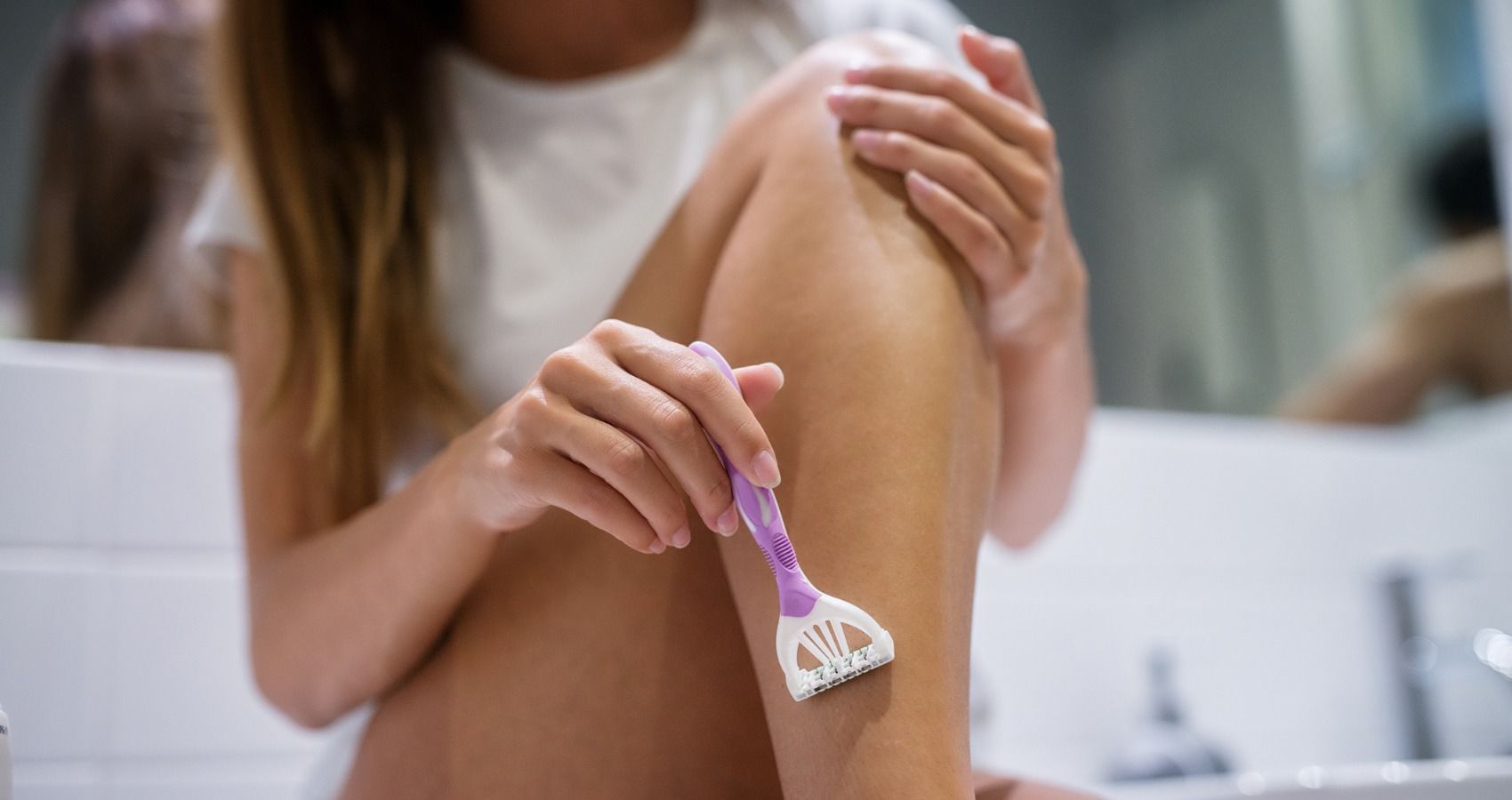
Social media platforms are potent amplifiers of brand messaging and peer influence. Influencers, often seen as relatable role models, frequently showcase their grooming routines, including hair removal, in sponsored content or lifestyle posts. These curated visuals reinforce the ideal of smooth skin and can make the decision to shave seem like a natural, even desirable, part of a fashionable lifestyle. Filters and editing tools further perfect these images, creating an unattainable standard that young girls might strive for. Brands leverage influencers to make hair removal appear authentic and desirable, seamlessly integrating it into the fabric of a young girl’s digital self-presentation and personal branding strategy. The constant visual bombardment makes it challenging for girls to distinguish between genuine self-preference and brand-driven aspiration.
Corporate Strategy and Market Expansion
For personal care brands, the pre-teen and early-teen demographic represents a crucial frontier for market expansion. The strategic introduction of shaving products to this age group is a testament to sophisticated corporate planning aimed at securing long-term consumer loyalty.
Identifying New Consumer Segments (Pre-Teens/Early Teens)
As primary markets mature, brands look for untapped potential. The biological reality of puberty means that body hair development begins for many girls during their pre-teen or early teen years. This natural developmental phase creates a window of opportunity for brands to establish early engagement. By identifying this demographic as a distinct consumer segment, companies can tailor products and marketing campaigns that resonate with their specific needs, anxieties, and aspirations. The goal is to capture consumers at the inception of their grooming journey, ensuring that their first experiences with shaving are tied to a particular brand.
Product Development and Branding for Younger Demographics
To effectively penetrate this market, brands often develop specialized products. This might include razors with ‘safer’ features, fun colors, or mild, fragranced shaving creams. Packaging designs often incorporate youthful aesthetics, vibrant colors, and approachable language. The branding narrative shifts from adult-oriented themes of sophistication to themes of “gentle care,” “first steps,” or “discovering your beauty.” The strategic use of branding elements—from product naming to visual identity—aims to make shaving an inviting, rather than intimidating, experience for younger girls, thereby smoothing their entry into the category and building early brand affinity.
Ethical Considerations in Marketing to Young Girls
The aggressive targeting of young girls raises significant ethical questions for brands. Is it responsible to create and reinforce beauty standards that might pressure girls into body modifications before they have fully developed a strong sense of self-worth independent of external validation? Brands must navigate the fine line between offering products for an existing need and actively creating that need through persuasive marketing. Ethical branding in this space requires transparency, promoting body positivity, and acknowledging diverse choices regarding body hair, rather than solely pushing for removal. Companies face increasing scrutiny regarding their role in shaping self-image and must consider the long-term societal impact of their marketing strategies on vulnerable demographics.
Empowering Choice: Deconstructing Brand Narratives
Ultimately, the question of when a girl should start shaving should be a personal choice, made free from undue commercial or social pressure. For parents, educators, and the girls themselves, developing a critical understanding of brand narratives is paramount.
Fostering Critical Brand Literacy
Teaching girls to critically evaluate advertising and brand messaging is essential. This involves understanding that beauty ideals presented in commercials are often constructed and not necessarily reflective of reality or health. It means recognizing that brands aim to sell products, and their narratives are designed to create desire and perceived needs. By fostering media literacy, girls can begin to deconstruct the myths perpetuated by the beauty industry and make decisions based on their own comfort and preferences, rather than on manufactured aspirations. This critical lens allows them to appreciate the power of branding without being solely dictated by it.
Promoting Autonomy Over External Pressures
Encouraging autonomy means empowering girls to make choices about their bodies and appearance that genuinely serve their well-being and self-esteem. It involves open conversations about body hair, challenging the notion that hair removal is mandatory for femininity, and validating diverse choices. Brands that genuinely support female empowerment can play a role here by diversifying their imagery, featuring women with varying grooming choices, and shifting away from prescriptive beauty standards. The goal is to foster a sense of internal control, where decisions like shaving are driven by personal comfort or preference, not by the dictates of external brand influence or peer expectations.

Brands Evolving Towards Inclusivity and Self-Acceptance
Some forward-thinking brands are beginning to acknowledge and embrace a more inclusive approach to body hair. Campaigns featuring women with visible body hair, or those promoting “smooth if you want, not if you don’t,” are emerging. This shift reflects a growing consumer demand for authenticity and self-acceptance. By broadening their brand narratives, these companies not only enhance their corporate identity as socially responsible entities but also contribute to a healthier dialogue around body image. This evolution in branding can help redefine the context of “when to start shaving” from a prescriptive command to an empowering personal choice, allowing each girl to author her own personal brand of beauty.
The age at which a girl starts shaving is a complex interplay of personal development, social dynamics, and the powerful, pervasive influence of brand strategy and marketing. By understanding how these forces operate, individuals can navigate this decision with greater awareness, promoting personal agency and fostering a more inclusive definition of beauty.
aViewFromTheCave is a participant in the Amazon Services LLC Associates Program, an affiliate advertising program designed to provide a means for sites to earn advertising fees by advertising and linking to Amazon.com. Amazon, the Amazon logo, AmazonSupply, and the AmazonSupply logo are trademarks of Amazon.com, Inc. or its affiliates. As an Amazon Associate we earn affiliate commissions from qualifying purchases.