
SiriusXM has long been synonymous with satellite radio, a pioneering force that brought a vast array of audio content directly to vehicles and homes across North America. For decades, its distinctive mix of music, talk, news, and sports channels, free from traditional advertising interruptions on many fronts, has defined a unique niche in the soundscape. However, in an increasingly visual and digitally converged world, the question “what is SiriusXM Video” signals a significant evolution, pushing the boundaries of what consumers expect from an entertainment provider primarily known for its auditory offerings. This expansion into the video realm represents more than just adding visual elements; it’s a strategic technological leap designed to integrate, enhance, and future-proof the SiriusXM experience within the broader digital media ecosystem. From a technological perspective, understanding SiriusXM Video involves dissecting the intricate architecture, content strategies, and user experience paradigms that underpin this fascinating convergence of audio heritage with modern video streaming capabilities.

The Technological Leap: From Audio Waves to Visual Streams
The journey from a pure-play audio broadcaster to a multi-modal entertainment platform is fraught with technological complexities and strategic considerations. For SiriusXM, a company built on the robust but specialized infrastructure of satellite radio and complementary internet streaming, venturing into video demands a significant retooling and expansion of its core technological competencies. This isn’t merely about attaching a camera to a microphone; it’s about architecting a complete end-to-end video delivery system that can stand alongside, and enhance, its established audio presence.
The Rationale Behind the Move
The decision for an audio giant like SiriusXM to embrace video is driven by an confluence of market forces and technological imperatives. Firstly, consumer behavior has shifted dramatically; today’s audiences expect rich, interactive, and multi-platform content experiences. The lines between radio, TV, podcasts, and streaming services have blurred, creating a “media convergence” where users seamlessly transition between different formats. Ignoring video in this landscape would mean ceding valuable screen time and engagement opportunities to competitors. Secondly, the “streaming wars” have intensified, with tech behemoths and media conglomerates alike vying for subscriptions and attention. By introducing video, SiriusXM aims to broaden its appeal, attract new demographics, and provide added value to existing subscribers, thereby strengthening its competitive edge. Lastly, there’s an inherent synergy: many of SiriusXM’s most popular talk shows, interviews, and live performances are inherently visual, offering a richer context when seen. Capturing these moments on video transforms them from purely auditory events into compelling visual narratives, enhancing the overall storytelling and fan connection.
Core Technology and Infrastructure
Building a video streaming service requires a robust technological backbone distinct from traditional audio streaming. At its heart, SiriusXM Video likely leverages sophisticated Content Delivery Networks (CDNs). These distributed networks of servers cache video content geographically closer to users, minimizing latency and ensuring smooth playback, even during peak demand. For live video, real-time encoding and transcoding capabilities are paramount, converting raw video feeds into various formats and bitrates optimized for different devices and network conditions (e.g., HLS and DASH protocols). This adaptive bitrate streaming is crucial for delivering a consistent, high-quality experience, dynamically adjusting video quality based on the user’s internet speed. On the backend, a powerful content management system (CMS) is essential for ingesting, organizing, tagging, and distributing vast libraries of video assets, ensuring discoverability and proper metadata association. Furthermore, digital rights management (DRM) technologies are fundamental for protecting proprietary content from unauthorized access and piracy, a critical concern given the value of exclusive programming.
User Interface and Experience Design
Integrating video into an established audio platform presents unique UI/UX challenges. The goal is not just to add video, but to create a cohesive and intuitive experience where audio and visual content complement each other. For SiriusXM, this likely involves redesigning its mobile apps, web interfaces, and potentially smart TV applications to accommodate video playback without alienating its long-standing audio user base. Key design considerations include:
- Seamless Transitions: Allowing users to easily switch between audio-only and video versions of a program (e.g., listening to a show on a commute, then switching to video once at home).
- Discoverability: Implementing intelligent search, recommendation engines, and curated playlists that highlight both audio and video content relevant to the user’s preferences.
- Picture-in-Picture (PiP) and Background Playback: Enabling users to continue watching video while multitasking on their devices or listening to audio with the screen off.
- Consistent Branding: Maintaining the familiar SiriusXM aesthetic while introducing new visual elements, ensuring the brand identity remains strong across all media types.
- Accessibility Features: Incorporating closed captions, audio descriptions, and other accessibility options to make video content inclusive for all users.
The design strategy must therefore balance innovation with familiarity, enhancing the overall media consumption experience.
Unpacking the Content: What “SiriusXM Video” Entails
The true value proposition of any streaming service lies in its content. For SiriusXM Video, the strategy isn’t to replicate existing streaming giants but to leverage its unique audio DNA and extensive roster of talent to create compelling visual experiences. This involves a careful curation of programming that either enhances existing audio offerings or stands alone as exclusive video-first content, all while navigating the complex landscape of content rights.
Beyond Music Videos: Original Programming and Exclusive Content
While music videos are an obvious fit, SiriusXM Video aims for a broader scope. A significant portion of its video content likely centers around “visual radio” – taking popular talk shows, interviews, and live performances and presenting them with a visual component. Imagine watching Howard Stern’s interviews in real-time or catching exclusive backstage footage from a celebrity visit. This brings a new dimension to listener engagement, allowing fans to see the expressions, body language, and impromptu moments that enrich the audio experience. Beyond this, the platform is poised to develop original video series and specials derived from its diverse music genres, comedy channels, and sports programming. These could range from documentary-style features on artists and cultural movements to exclusive stand-up specials from their roster of comedians, or in-depth sports analyses with visual aids and expert commentary. The focus is on leveraging existing relationships and expertise to create content that feels authentically “SiriusXM” and is not easily found elsewhere.
Integration with Existing Audio Channels
The strength of SiriusXM Video lies in its symbiotic relationship with the core audio service. Rather than being a separate, siloed offering, video is deeply integrated, serving as an extension and enhancement of existing audio channels.
- Howard Stern: A prime example, offering full video broadcasts of his daily show, transforming a radio legend into a visual powerhouse. This allows fans to see guests, reactions, and the unique studio dynamic.
- Music Channels: Live studio performances, artist interviews, behind-the-scenes footage, and exclusive mini-documentaries can breathe new visual life into genre-specific music channels.
- Sports Channels: Beyond traditional play-by-play, video can offer visual replays, analytical breakdowns with graphical overlays, and exclusive athlete interviews, making the sports coverage more immersive.
- News & Talk Channels: Key interviews, panel discussions, and breaking news segments can be streamed live or on-demand, providing visual context to the spoken word.
This integration strategy aims to create a holistic media experience where users can choose their preferred consumption method – audio for listening on the go, video for deeper engagement when visually available.
Licensing and Partnerships
The shift from purely audio to audio-visual content introduces a new layer of complexity regarding licensing and partnerships. Video content often involves more intricate rights management, encompassing intellectual property from multiple stakeholders: artists, record labels, production companies, directors, and talent unions. For SiriusXM, this means:
- Negotiating new contracts: Expanding existing audio licensing agreements to include video rights for live performances, music videos, and other content.
- Securing original content deals: Partnering with production houses, independent creators, and its own talent pool to develop exclusive video series.
- Navigating territorial rights: Video content often has more stringent geographic restrictions compared to audio, requiring careful management of content availability based on user location.
The ability to forge strategic partnerships with content creators and distributors is paramount for SiriusXM Video to amass a compelling and diverse library that can compete in the crowded streaming landscape.
The Multi-Platform Ecosystem: Access and Compatibility
In today’s interconnected world, an entertainment service’s success is heavily dependent on its accessibility across a myriad of devices. SiriusXM Video, as a modern streaming offering, must provide a seamless and consistent experience whether users are at home, on the go, or even potentially in a future-forward car. This requires a robust multi-platform strategy that encompasses web, mobile, and connected TV devices.
Mobile and Web Experience
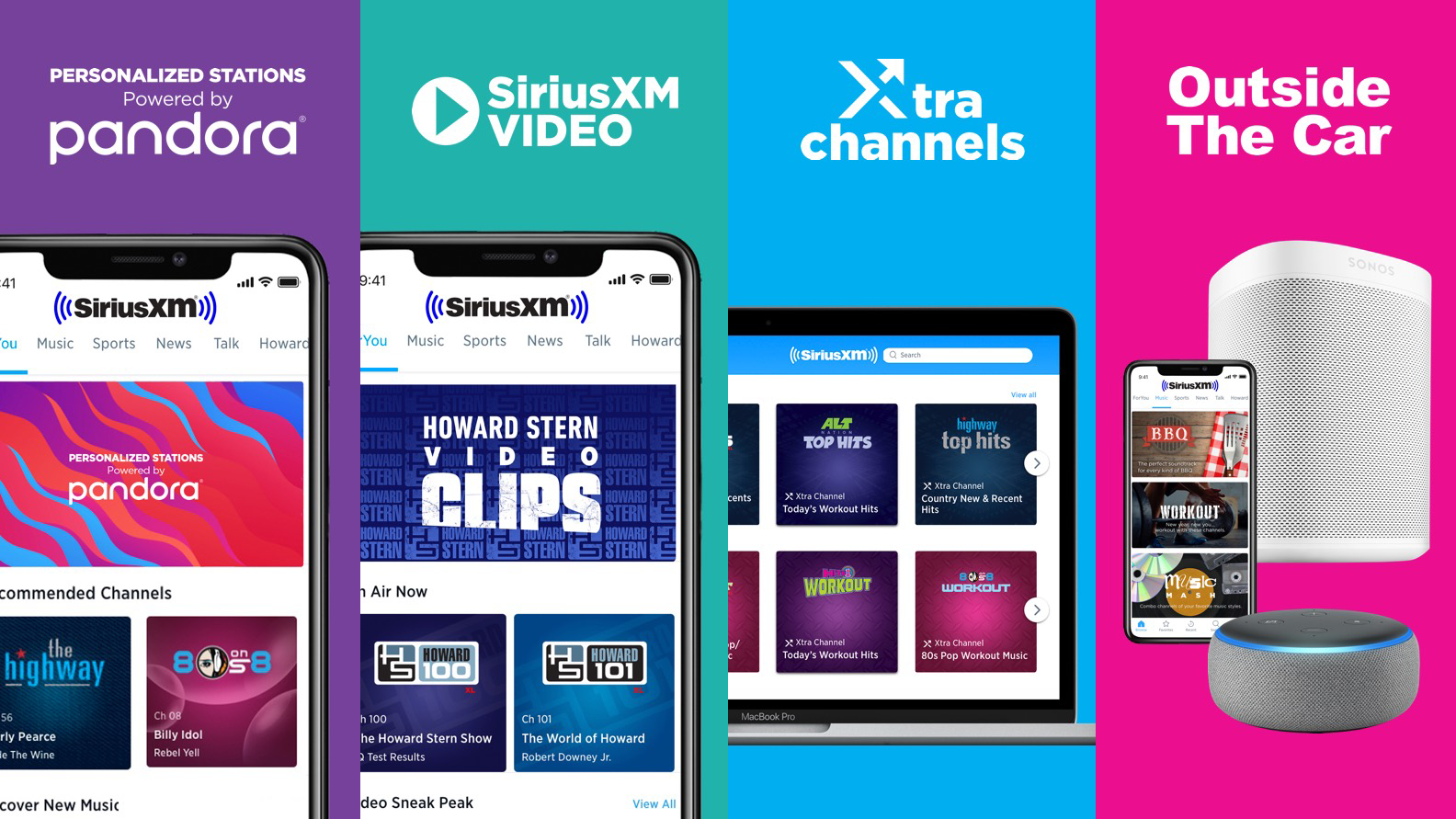
The foundation of any modern streaming service lies in its mobile and web presence. For SiriusXM Video, this means feature-rich dedicated applications for iOS and Android, alongside a comprehensive web portal accessible through any modern browser.
- Mobile Apps: These apps must be optimized for varying screen sizes, network conditions, and user interaction patterns. Key features include intuitive navigation, personalized content feeds, robust search functionality, offline viewing capabilities for select content, and casting options (e.g., Chromecast, AirPlay) to push content to larger screens. The apps should also integrate seamlessly with the existing audio experience, allowing users to switch effortlessly between listening and watching.
- Web Portal: The web interface serves as a comprehensive hub, offering the full range of video content, account management, and potentially a more detailed content discovery experience on larger screens. It needs to be responsive, adapting its layout to desktops, laptops, and tablets, providing a consistent user experience regardless of the browser or device.
Smart TVs and Connected Devices
To truly compete in the home entertainment space, SiriusXM Video must establish a strong presence on smart TVs and popular streaming devices. This means developing native applications for platforms like:
- Roku: A dominant player in the streaming device market, requiring a dedicated channel.
- Apple TV: Integration into Apple’s tvOS ecosystem, often leveraging similar design principles to iOS.
- Amazon Fire TV: Supporting Amazon’s proprietary interface and ecosystem.
- Google TV/Android TV: Reaching a wide range of smart TVs and streaming boxes.
- Gaming Consoles (e.g., PlayStation, Xbox): Tapping into the significant user base on these entertainment hubs.
Developing for these diverse platforms requires adherence to specific SDKs and design guidelines for each, ensuring optimal performance, remote control navigation, and integration with platform-specific features like voice search. The goal is to make SiriusXM Video a readily accessible option on the primary screens consumers use for home entertainment.
In-Car Integration (Potential Future)
While SiriusXM’s heritage is firmly rooted in the automotive sector, the integration of video into the in-car experience presents unique challenges and opportunities. For safety reasons, full video playback while driving is highly restricted, if not entirely prohibited. However, future integrations could include:
- Parked Viewing: Allowing occupants to watch video content when the vehicle is stationary, leveraging larger in-dash screens or rear-seat entertainment systems.
- Rear-Seat Entertainment: Providing dedicated video screens for passengers in the back, offering a distraction-free experience for the driver.
- Augmented Audio: Displaying subtle visual cues, enhanced metadata, or album art on main screens while the vehicle is in motion, augmenting the audio experience without distracting the driver.
- Electric Vehicles (EVs) and Autonomous Driving: As vehicles become more autonomous, the potential for integrating a full video experience within the cabin grows, transforming the car into a mobile entertainment lounge. This is a longer-term vision but one that aligns with SiriusXM’s core automotive roots.
Technical Challenges and Opportunities in the Streaming Landscape
The launch of SiriusXM Video is not without its technical hurdles and strategic considerations within an already saturated and highly competitive streaming market. Overcoming these challenges while capitalizing on emerging opportunities will define its long-term success.
Bandwidth and Quality Control
Delivering high-quality video reliably is a significant technical undertaking. Unlike audio, video is far more bandwidth-intensive. SiriusXM Video must implement sophisticated adaptive bitrate streaming (ABS) algorithms to dynamically adjust the video quality based on the user’s internet connection speed and device capabilities. This ensures minimal buffering and a consistent viewing experience, whether on a fast Wi-Fi connection or a spotty mobile network. Furthermore, maintaining video resolution consistency across various devices – from a smartphone screen to a large 4K TV – requires multiple encoding profiles and robust quality assurance testing. The challenge also extends to live streaming, where low latency and high availability are critical, especially for sports or breaking news, demanding optimized encoding pipelines and geographically diverse server infrastructure.
Personalization and Recommendation Engines
In an era of content overload, personalization is key to user engagement. SiriusXM has a wealth of data on its subscribers’ audio preferences. The opportunity lies in leveraging this existing data to build intelligent recommendation engines for video content.
- Cross-Content Recommendations: Suggesting video content based on users’ preferred audio genres, artists, or talk show hosts. For example, if a user listens to a specific music channel, they might be recommended exclusive video interviews with artists from that genre.
- Behavioral Analysis: Analyzing viewing habits (what users watch, how long, what they skip) to refine future recommendations.
- Personalized Feeds: Creating dynamic homepages that showcase video content most relevant to individual users, increasing discoverability and reducing decision fatigue.
Advanced machine learning algorithms are crucial here to process vast datasets and deliver truly tailored experiences.
Monetization Models and Subscription Tiers
Integrating video into SiriusXM’s existing subscription model presents both challenges and opportunities for monetization.
- Value-Add to Existing Tiers: Video could be positioned as an exclusive enhancement to premium audio subscriptions, increasing their perceived value and justifying higher price points.
- Dedicated Video Tiers: A separate, premium video-only or video-enhanced subscription tier could be introduced for users primarily interested in the visual content, allowing for differentiated pricing.
- Hybrid Models: Exploring limited ad-supported video content for non-subscribers as a trial, or integrating dynamic ad insertion (DAI) into certain video streams, balancing user experience with revenue generation.
- Bundling Opportunities: Offering video as part of bundled packages with other services, potentially through partnerships, to attract a broader audience. The key is to find a pricing strategy that aligns with consumer expectations while ensuring the profitability of the new video infrastructure and content acquisition costs.
Competition and Market Positioning
The streaming video market is incredibly crowded, dominated by behemoths like Netflix, Disney+, Max, and Amazon Prime Video. SiriusXM Video cannot compete directly on the breadth of blockbuster movies or high-budget original series. Instead, its market positioning must leverage its unique strengths:
- Niche Content: Focusing on exclusive “visual radio,” live performances, and content derived from its established audio channels offers a distinct value proposition.
- Synergy with Audio: Emphasizing the seamless integration between audio and video, providing a holistic media experience that others cannot easily replicate.
- Curated Experience: Leaning into its editorial expertise to offer a highly curated selection of video that resonates with its existing subscriber base and attracts new, like-minded audiences.
- “Visual Companion”: Positioning itself as the essential visual companion to the best audio entertainment, rather than just another standalone streaming service. The strategy isn’t to be a general entertainment platform, but to be the definitive visual extension of the SiriusXM universe.
The Future Trajectory: Innovation and Evolution
SiriusXM Video’s initial launch is merely the beginning of its journey. The dynamic nature of technology and consumer preferences means continuous innovation will be critical for its sustained growth and relevance. The future trajectory will likely involve deeper interactivity, the strategic application of AI, and further convergence of media formats.
Interactive Features and Enhanced Engagement
Modern streaming is moving beyond passive consumption. Future iterations of SiriusXM Video could incorporate a range of interactive features designed to boost user engagement:
- Live Chat and Q&A: During live video broadcasts of talk shows or performances, allowing viewers to submit questions or comments in real-time, creating a sense of community and direct participation.
- Polls and Surveys: Integrating in-video polls during shows to gauge audience opinions or influence content direction.
- Fan Cams and User-Generated Content: Curated segments featuring fan reactions or user-submitted videos related to specific shows or artists, fostering a stronger connection with the audience.
- Augmented Reality (AR) Overlays: For specific content, AR elements could provide additional information, trivia, or interactive experiences layered over the video stream, accessible via mobile devices. These features aim to transform viewers into active participants, enriching the overall experience.
AI in Content Curation and Production
Artificial Intelligence stands to play an increasingly significant role in both the backend and frontend of SiriusXM Video.
- Advanced Content Discovery: AI-driven algorithms can move beyond basic recommendations, predicting emerging trends, identifying micro-genres, and even suggesting cross-over content based on subtle user behavior patterns.
- Automated Content Summarization: AI could generate brief video highlights or textual summaries of longer programs, allowing users to quickly grasp content before committing to a full watch.
- Metadata Generation: AI-powered tools can automatically tag video content with relevant keywords, transcribe spoken audio, and even identify specific individuals or objects within frames, significantly improving searchability and organization.
- Production Efficiencies: In the long term, AI could assist in aspects of content production, such as optimizing camera angles for live streams or even suggesting editing cuts for on-demand content, streamlining workflows and reducing costs.

Convergence with Podcasting and Other Media
The lines between traditional radio, streaming video, and on-demand podcasts are blurring. SiriusXM Video is uniquely positioned at this convergence point.
- “Vidcasts”: Offering video versions of popular podcasts, providing a visual element to audio-first content, appealing to a broader audience that prefers to watch.
- Interactive Storytelling: Blending linear video with interactive elements, branching narratives, or supplementary audio content accessible within the video player.
- Unified Media Hub: Evolving the SiriusXM platform into a comprehensive media hub where users can seamlessly access live radio, on-demand audio, podcasts, and video, all within a single, integrated interface. This move towards a truly unified experience reflects the broader industry trend of media platforms becoming holistic entertainment ecosystems.
In conclusion, “what is SiriusXM Video” represents far more than just adding cameras to microphones. It is a sophisticated technological undertaking that positions SiriusXM at the forefront of media convergence. By strategically leveraging its audio heritage, developing robust streaming infrastructure, curating unique content, and embracing a multi-platform access strategy, SiriusXM Video aims to redefine its role in the digital entertainment landscape. Its future success hinges on continuous innovation in interactivity, the intelligent application of AI, and a commitment to providing a cohesive, valuable, and uniquely “SiriusXM” experience to its evolving audience. This venture illustrates a powerful case study in how established media entities can adapt and thrive in an increasingly visual and digitally-driven world, driven by technological foresight and user-centric design.
aViewFromTheCave is a participant in the Amazon Services LLC Associates Program, an affiliate advertising program designed to provide a means for sites to earn advertising fees by advertising and linking to Amazon.com. Amazon, the Amazon logo, AmazonSupply, and the AmazonSupply logo are trademarks of Amazon.com, Inc. or its affiliates. As an Amazon Associate we earn affiliate commissions from qualifying purchases.