
In an increasingly data-driven world, understanding our personal physiological metrics has moved from specialized clinics to the palm of our hands. Among the most fundamental of these metrics is our daily calorie need – the energy our bodies require to function, perform daily tasks, and achieve specific health goals. While the concept of calorie balance has existed for centuries, the methods for accurately determining and managing these needs have been revolutionized by technology. We are no longer solely reliant on laborious manual calculations or generalized dietary guidelines. Instead, a sophisticated ecosystem of digital tools, algorithms, and smart devices now empowers individuals to gain unprecedented insight into their metabolic requirements, making personalized nutrition more accessible than ever before. This article delves into the technological landscape that underpins modern calorie determination, exploring the software, devices, and AI-driven platforms that are reshaping how we approach our health and nutrition.
Leveraging Digital Tools for Precise Calorie Calculation
At the heart of modern calorie determination lies a suite of digital tools designed to simplify complex physiological calculations. These tools range from straightforward online calculators to intricate algorithms embedded within comprehensive health applications, all aiming to provide a personalized estimate of an individual’s energy expenditure. The foundational principles, such as Basal Metabolic Rate (BMR) and Total Daily Energy Expenditure (TDEE), are no longer confined to academic texts but are now seamlessly integrated into user-friendly interfaces, making them accessible to anyone with a smartphone or internet connection.
The Core Algorithms: BMR and TDEE Formulas in Apps
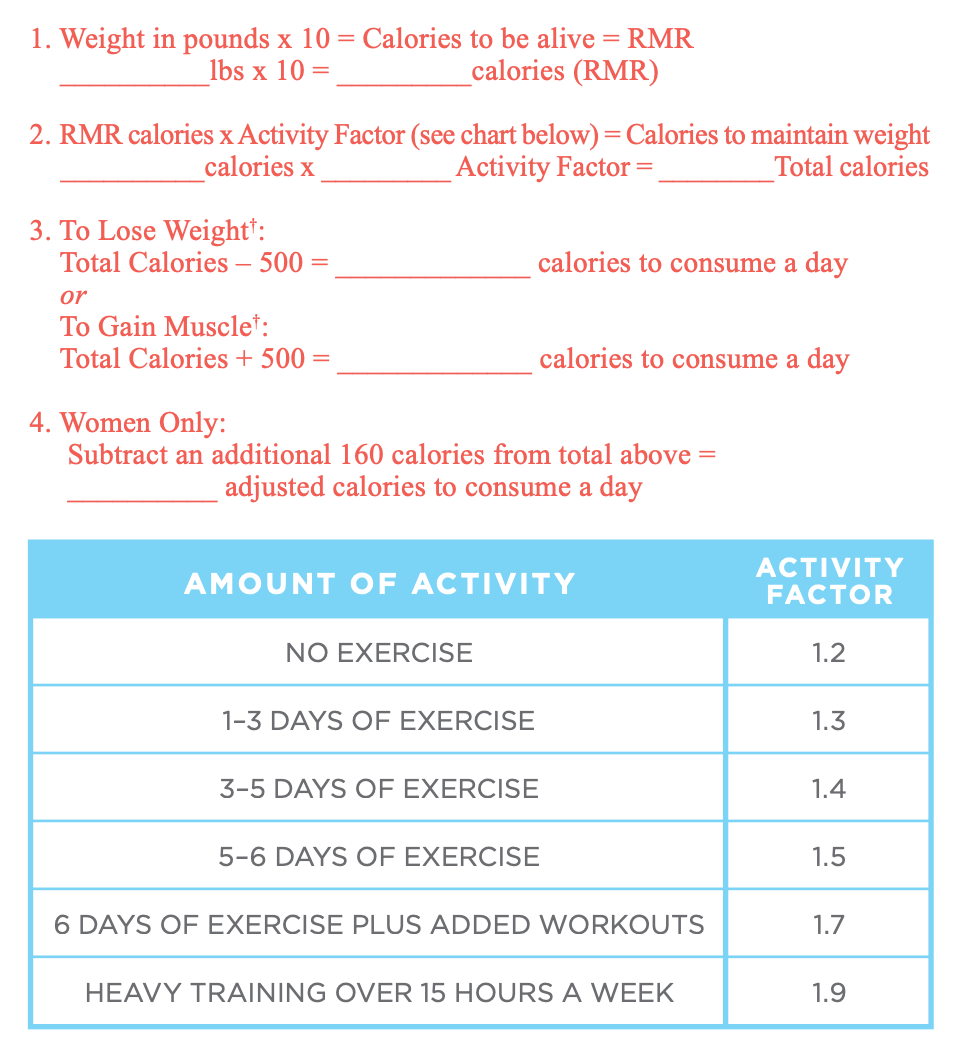
The journey to determining calorie needs often begins with understanding one’s Basal Metabolic Rate (BMR), or the Resting Metabolic Rate (RMR). This represents the minimum number of calories required to maintain basic bodily functions at rest. Various formulas have been developed over the decades, with the most prevalent being the Mifflin-St Jeor equation, the Harris-Benedict equation, and the Katch-McArdle formula. Digital health applications and online calculators have seamlessly integrated these mathematical models, transforming them from intimidating equations into simple input forms. Users input their age, sex, weight, and height, and the app instantly calculates their BMR.
Beyond BMR, the Total Daily Energy Expenditure (TDEE) accounts for the additional calories burned through physical activity and the thermic effect of food. Applications use activity multipliers (e.g., sedentary, lightly active, moderately active, very active, extremely active) to scale the BMR value, providing a more realistic estimate of daily calorie needs. The accuracy of these algorithms is continuously refined through large datasets and user feedback, ensuring that the digital implementations are as reliable as their paper-and-pencil counterparts, but with the added benefits of speed and convenience. Modern applications even allow for dynamic adjustments to these multipliers based on real-time activity data from integrated wearables.
Interactive Online Calculators: Features and Accessibility
Online calorie calculators serve as an entry point for many users seeking quick estimates. These web-based tools are celebrated for their intuitive interfaces and immediate feedback. Typically, users encounter a series of fields for personal data, activity levels, and often, specific goals (e.g., weight loss, maintenance, muscle gain). Upon submission, the calculator processes this information using the underlying algorithms and presents a personalized calorie target. Many advanced calculators go beyond a single number, offering breakdowns of macronutrient recommendations (carbohydrates, proteins, fats) and suggestions for meal planning. Their accessibility, often free of charge, democratizes access to fundamental nutritional information, allowing individuals to kickstart their understanding of energy balance without needing to download dedicated applications. Furthermore, many online platforms now offer visual representations of data, such as graphs illustrating calorie expenditure versus intake, making complex information digestible and engaging.
Integrating Wearable Data for Enhanced Accuracy
The advent of wearable technology has significantly elevated the precision of calorie need determination. Smartwatches, fitness trackers, and other biometric devices continuously monitor metrics such as heart rate, step count, distance covered, and even sleep patterns. This rich stream of real-time data is then fed into health applications, where sophisticated algorithms process it to provide a highly granular estimate of daily activity-based calorie expenditure. Unlike static activity multipliers used in traditional formulas, wearable data allows for dynamic adjustments, reflecting the true intensity and duration of an individual’s physical output on any given day. For instance, an intense workout session logged by a smartwatch will lead to a higher estimated TDEE for that day, giving users a more accurate picture of their energy balance. This integration transforms passive data collection into actionable insights, moving beyond generalized estimates to a truly personalized and adaptive model of calorie management.
Smart Apps and Platforms for Tracking and Management
Beyond initial calculation, the ongoing management of calorie needs relies heavily on digital tracking and analytical tools. A plethora of smart applications and platforms have emerged, offering sophisticated features that transcend simple logging, providing users with deep insights into their dietary habits and progress towards their health goals. These tools leverage extensive databases, intuitive user interfaces, and increasingly, artificial intelligence, to create comprehensive ecosystems for nutritional management.
Food Logging Apps: Database Accuracy and User Experience
Food logging applications have become indispensable for individuals serious about tracking their calorie and macronutrient intake. The efficacy of these apps hinges on two primary factors: the accuracy and breadth of their food databases, and the seamlessness of their user experience. Leading applications boast extensive databases, often containing millions of food items, complete with detailed nutritional information. This allows users to quickly log meals, either by searching for specific foods, scanning barcodes of packaged products, or even using voice recognition. Advanced apps leverage machine learning to learn user habits, suggesting frequently consumed items and streamlining the logging process further.
The user interface (UI) and user experience (UX) are paramount. Intuitive design minimizes the effort required for logging, ensuring sustained engagement. Features like quick add, custom food entries, recipe builders, and meal planning tools contribute to a comprehensive experience that empowers users to meticulously track their intake without feeling overwhelmed. Furthermore, many apps provide visual summaries of daily, weekly, and monthly intake, allowing users to easily identify trends, meet specific macronutrient targets, and align their consumption with their calculated calorie needs.
AI-Powered Nutrition Coaches: Personalized Insights and Recommendations
The integration of artificial intelligence (AI) has ushered in a new era of personalized nutrition. AI-powered nutrition coaches go beyond mere tracking; they analyze user data – including logged food, activity levels, weight fluctuations, and even biometric data from wearables – to provide adaptive and intelligent insights. These tools utilize machine learning algorithms to identify patterns in eating habits, predict the impact of certain dietary choices, and offer tailored recommendations. For example, if a user consistently exceeds their calorie target on weekends, an AI coach might suggest proactive strategies or healthier alternatives.
Furthermore, AI can help in generating dynamic meal plans that adjust based on progress, dietary preferences, and even food availability. Some advanced platforms use natural language processing (NLP) to understand user queries and provide conversational coaching, making the experience feel more like interacting with a human expert. This level of personalized guidance, constantly learning and adapting, represents a significant leap from static dietary advice, enabling users to make more informed and effective nutritional decisions.
Gamification and Community Features for Motivation
Maintaining consistent adherence to dietary goals can be challenging, but technology offers innovative solutions through gamification and community building. Many nutrition and fitness apps integrate elements of gamification to boost user motivation and engagement. This can include earning points for consistent logging, unlocking badges for achieving milestones (e.g., hitting a calorie target for a week, losing a certain amount of weight), or participating in challenges. These digital rewards and progress indicators transform the often-tedious task of tracking into an engaging, goal-oriented activity.
Beyond individual motivation, community features foster a sense of shared purpose and accountability. Apps often include forums, group challenges, and social sharing options that allow users to connect with friends, family, or a broader community of like-minded individuals. Sharing progress, offering encouragement, and engaging in friendly competition can significantly enhance adherence and provide vital social support, proving that technology can also facilitate meaningful human connection in the pursuit of health goals.
Beyond Basic Calculations: Advanced Tech for Deeper Insights
While calculating and tracking calories forms the foundation, advanced technological solutions are emerging to offer deeper insights into metabolic processes and body composition. These tools move beyond simple numerical inputs to provide a more holistic understanding of an individual’s unique physiological makeup, offering a glimpse into the cutting-edge of personalized health management.
Bioimpedance Analysis (BIA) and Smart Scales: Understanding Body Composition
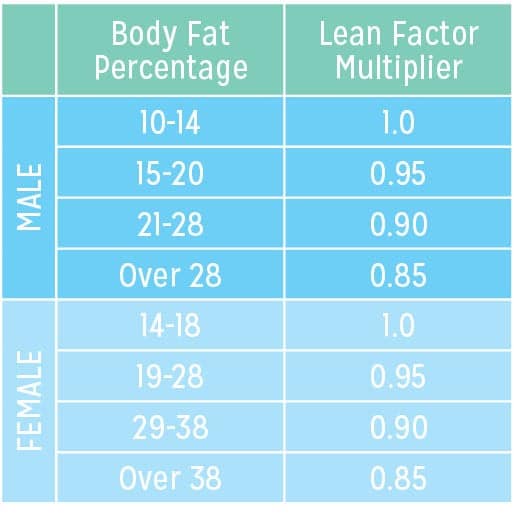
Traditional calorie calculations often rely on general body weight, but body composition (the ratio of fat to muscle) significantly impacts metabolic rate. Smart scales equipped with Bioimpedance Analysis (BIA) technology offer a convenient way to estimate body fat percentage, muscle mass, bone mass, and even hydration levels. BIA works by sending a low-level electrical current through the body and measuring the resistance. Since fat, muscle, and bone conduct electricity differently, the scale’s algorithm can infer body composition.
These smart scales seamlessly integrate with companion apps, sending data via Bluetooth or Wi-Fi. The app then tracks changes in body composition over time, providing visual trends that go beyond mere weight fluctuations. This data allows users and their health advisors to make more nuanced adjustments to calorie targets, recognizing that muscle gain, for instance, requires different caloric considerations than fat loss, even if overall weight remains stable. Such insights are crucial for optimizing fitness goals and truly understanding how the body is responding to dietary and exercise changes.
Emerging Wearable Sensors for Metabolic Tracking
The frontier of metabolic tracking is continuously expanding with the development of more sophisticated wearable sensors. While widespread consumer availability is still developing, technologies like continuous glucose monitors (CGMs) are already demonstrating potential beyond diabetes management. Originally designed for individuals with diabetes, CGMs provide real-time data on blood glucose levels, offering insights into how different foods impact an individual’s metabolic response. For those without diabetes, this data can be invaluable for understanding personalized nutritional needs and optimizing energy levels.
Research is also underway for non-invasive sensors that could track other metabolic markers, such as ketones or lactate, further enhancing the granularity of personalized dietary recommendations. These advanced wearables promise to move us from generalized calorie targets to highly individualized metabolic profiles, allowing for truly precision nutrition tailored to an individual’s unique biochemistry.
Data Visualization and Trend Analysis in Nutrition Dashboards
The sheer volume of data generated by modern health tech – from logged meals and activity to body composition and biometric readings – necessitates powerful data visualization and trend analysis tools. Comprehensive nutrition dashboards within apps and web platforms consolidate this information, transforming raw numbers into easily digestible charts, graphs, and reports.
These dashboards enable users to identify long-term trends, pinpoint areas for improvement, and understand the correlations between their dietary habits, activity levels, and physical outcomes. For example, a user might observe how a specific type of meal consistently leads to an energy slump, or how increasing protein intake correlates with muscle gain. Advanced analytics can also forecast future outcomes based on current trends, providing predictive insights. This powerful combination of data aggregation and intelligent visualization empowers users to make data-driven decisions about their calorie needs and overall nutritional strategy, fostering a proactive approach to health management.
Digital Security and Data Privacy in Health Tech
As personal health data becomes increasingly central to technology, the importance of digital security and data privacy cannot be overstated. The sensitive nature of information related to diet, exercise, and body composition necessitates robust safeguards to protect user privacy and ensure ethical data handling.
Protecting Your Personal Health Information
The collection and storage of personal health information by calorie tracking apps and smart devices raise critical privacy concerns. Users share details about their weight, height, activity levels, dietary choices, and even medical history. This data, if compromised, could be exploited. Reputable health tech companies prioritize digital security through various measures: end-to-end encryption for data transmission, secure cloud storage with multi-factor authentication, and strict access controls.
Users must be diligent in understanding the privacy policies of the apps and devices they use. It’s crucial to know how personal data is collected, stored, used, and if it’s shared with third parties. Opting for apps that adhere to international data protection regulations (like GDPR) and hold recognized security certifications can offer greater peace of mind. Regular security updates from app developers are also vital to patch vulnerabilities and safeguard against evolving cyber threats, ensuring that personalized insights come without compromising personal privacy.
Responsible Use of AI in Health and Nutrition
The deployment of artificial intelligence in health and nutrition tech brings immense benefits but also presents ethical challenges, particularly regarding bias and the potential for misinterpretation. AI algorithms learn from data, and if the datasets used for training are biased (e.g., disproportionately representing certain demographics), the recommendations or insights generated by the AI could be inaccurate or even harmful for underrepresented groups. For instance, a calorie estimation model trained predominantly on data from younger, athletic males might not provide accurate guidance for older adults or individuals with chronic health conditions.
Responsible AI development in health requires transparency in data sourcing, continuous auditing of algorithms for bias, and the inclusion of diverse datasets. Furthermore, AI tools should always be presented as assistive technologies, complementing human judgment and professional medical advice, rather than replacing it. Emphasizing the interpretability of AI outputs and allowing users to understand why a particular recommendation is made fosters trust and ensures that AI serves as an empowering tool rather than an opaque, potentially biased authority.
The Future of Personalized Nutrition Technology
The trajectory of health technology points towards an even more integrated and personalized future for determining calorie needs. Beyond current capabilities, emerging innovations promise to unlock unprecedented levels of precision, moving towards a truly bespoke nutritional experience driven by a confluence of advanced data streams.
Genomic and Microbiome Data Integration
The ultimate frontier in personalized nutrition involves integrating an individual’s unique genetic makeup (genomics) and the composition of their gut bacteria (microbiome data). Our genes influence how we metabolize nutrients, store fat, and respond to different diets. Similarly, the gut microbiome plays a crucial role in nutrient absorption, energy extraction from food, and even satiety signals.
Future applications will likely combine data from genetic sequencing and microbiome analysis with traditional biometric and activity data. This multi-omics approach will allow AI algorithms to generate highly specific dietary recommendations, predicting not just optimal calorie targets but also the ideal macronutrient ratios, specific food sensitivities, and even the best timing for meals, all tailored to an individual’s inherent biological predispositions. This would represent a paradigm shift from population-level dietary guidelines to hyper-individualized nutritional blueprints.

Augmented Reality for Food Recognition and Calorie Estimation
Imagine simply pointing your smartphone camera at a plate of food and instantly receiving a detailed breakdown of its nutritional content, including an estimated calorie count. Augmented Reality (AR) technology holds immense promise for simplifying food logging and making calorie estimation immediate and seamless. Current prototypes and nascent applications are already exploring object recognition for food items.
As AR and computer vision technologies mature, they will become sophisticated enough to accurately identify ingredients, estimate portion sizes, and calculate nutritional values on the fly. This would drastically reduce the cognitive load associated with manual food logging, making calorie tracking effortless and integrated into daily life. Such innovations will not only enhance accuracy but also remove significant barriers to entry, making personalized calorie management accessible and engaging for an even broader audience.
In conclusion, the journey to accurately determine calorie needs has evolved dramatically, propelled by advancements in technology. From sophisticated algorithms embedded in apps and the real-time feedback from wearables to advanced metabolic sensors and AI-driven coaching, the digital landscape offers powerful tools for personalized nutrition. As we look to the future, the integration of genomic data, microbiome insights, and intuitive AR interfaces promises an era of ultra-personalized dietary management, moving us closer to truly optimizing human health and well-being through data-driven choices.
aViewFromTheCave is a participant in the Amazon Services LLC Associates Program, an affiliate advertising program designed to provide a means for sites to earn advertising fees by advertising and linking to Amazon.com. Amazon, the Amazon logo, AmazonSupply, and the AmazonSupply logo are trademarks of Amazon.com, Inc. or its affiliates. As an Amazon Associate we earn affiliate commissions from qualifying purchases.