
For anyone with even a passing interest in finance, the question “how’s the Dow today?” is a common refrain. It’s a simple query that often opens the door to a complex world of market movements, economic indicators, and investor sentiment. The Dow Jones Industrial Average (DJIA), or simply “the Dow,” is more than just a number; it’s a snapshot, a barometer, and often a headline-maker reflecting the health and direction of the U.S. stock market and, by extension, the broader economy. Understanding what the Dow is, how it functions, and what influences its daily fluctuations is crucial for both seasoned investors and those just beginning their financial journey. In a world awash with data, knowing how to interpret this iconic index can provide valuable insights, help in making informed decisions, and demystify the seemingly erratic dance of the stock market.
Understanding the Dow Jones Industrial Average (DJIA)
To truly grasp the significance of “how’s the Dow today,” one must first understand what the Dow actually represents. It’s not merely a random collection of stocks but a meticulously curated index with a rich history.
What is the Dow? A Brief History and Composition
The Dow Jones Industrial Average is one of the oldest and most widely recognized stock market indices globally, conceived by Charles Dow in 1896. Initially comprising just 12 industrial companies, it was designed to reflect the performance of the most significant sectors of the American economy. Today, the DJIA tracks 30 large, publicly owned companies trading on the New York Stock Exchange (NYSE) and NASDAQ. These aren’t just any companies; they are typically blue-chip stocks – established, financially sound firms with a long history of stable earnings. The selection criteria are not strictly quantitative; rather, a committee evaluates factors like reputation, sustained growth, investor interest, and sector representation. While the name still includes “Industrial,” the index’s composition has evolved significantly to include companies from diverse sectors, reflecting the modern American economy, such as technology, healthcare, finance, and consumer goods. Iconic names like Apple, Microsoft, Goldman Sachs, and Coca-Cola are often found within its ranks, making it a powerful proxy for broad market performance.
Why the Dow Matters: A Barometer of the US Economy
The Dow’s significance extends far beyond its constituent companies. It serves as a vital barometer of the U.S. economy, often signaling periods of growth, recession, or stability. When the Dow moves significantly up or down, it frequently reflects broader optimism or pessimism about corporate profitability, consumer spending, and economic forecasts. For policymakers, economists, and business leaders, the Dow’s performance can influence decisions ranging from interest rate adjustments to investment in new projects. For the average individual, a rising Dow can indicate a healthy retirement portfolio and a robust job market, while a falling Dow can signal economic headwinds. It’s not a perfect predictor, but its historical track record and the caliber of its components lend it considerable weight as an economic indicator. Its movements are often discussed in daily news reports, influencing public perception and investor confidence.
How the Dow is Calculated: Price-Weighted Index Explained
Unlike many modern indices that are market-capitalization weighted (where companies with larger market values have a greater impact), the DJIA is a price-weighted index. This means that stocks with higher share prices have a greater influence on the index’s value than those with lower share prices, regardless of their total market capitalization. The index is calculated by summing the prices of the 30 component stocks and then dividing by a special divisor, known as the “Dow Divisor.” This divisor is adjusted for stock splits, spin-offs, and other structural changes to ensure the index’s continuity and to prevent these events from artificially distorting its value. For example, if a stock with a high share price experiences a significant percentage change, its impact on the overall Dow will be more pronounced than a similar percentage change in a lower-priced stock, even if the lower-priced stock has a larger overall market presence. This unique calculation method is a defining characteristic of the Dow and sets it apart from other major indices like the S&P 500.
Key Factors Influencing the Dow’s Daily Performance
The daily fluctuations of the Dow are not random; they are the culmination of a myriad of interconnected factors, from corporate news to global politics. Understanding these drivers is key to deciphering the index’s movements.
Corporate Earnings and Economic Reports
One of the most immediate and impactful drivers of the Dow’s daily performance is corporate earnings. When the 30 companies in the Dow report their quarterly or annual results, the market reacts swiftly. Strong earnings, positive revenue surprises, and optimistic guidance can send individual stocks, and consequently the Dow, higher. Conversely, disappointing results, profit warnings, or revised downward guidance can trigger declines. Beyond individual company performance, broader economic reports play a significant role. Data points like GDP growth, inflation rates (CPI, PPI), unemployment figures (non-farm payrolls), consumer confidence, and manufacturing indices (ISM) offer insights into the overall health of the economy. A robust jobs report or stronger-than-expected GDP growth typically fuels investor optimism, pushing the Dow up, as it suggests higher corporate profits and consumer spending. Conversely, signs of an economic slowdown or rising inflation can lead to market apprehension and a downward trend.
Geopolitical Events and Global Macro Trends
The interconnectedness of the global economy means that events far beyond U.S. borders can profoundly impact the Dow. Geopolitical developments such as international trade disputes, conflicts in critical regions, political instability in major economies, or even significant policy shifts by foreign governments can send ripples through global financial markets. For example, tariffs imposed on goods from a major trading partner can affect the supply chains and profitability of Dow components, leading to negative market reactions. Similarly, global macroeconomic trends like oil price volatility, currency fluctuations, or recessions in major economies can influence the earnings of multinational corporations in the Dow, impacting investor sentiment and the index’s daily direction. The market often hates uncertainty, so any event that introduces significant ambiguity can trigger sell-offs.
Interest Rates and Federal Reserve Policy
The policies of the U.S. Federal Reserve, particularly its stance on interest rates, are arguably one of the most powerful influences on the Dow. The Fed’s decisions on the federal funds rate directly impact borrowing costs for businesses and consumers, influencing investment, spending, and economic growth. When the Fed raises interest rates, borrowing becomes more expensive, which can slow down economic activity and reduce corporate profits, often leading to a bearish sentiment in the stock market. Conversely, lower interest rates make borrowing cheaper, stimulating investment and consumer spending, which can fuel economic expansion and boost stock prices. Beyond direct rate changes, the Fed’s public statements, meeting minutes, and economic projections are closely scrutinized by investors for clues about future policy direction, with any hawkish or dovish shifts potentially causing significant market swings in the Dow.
Investor Sentiment and Market Psychology
While fundamental data and economic news provide a rational basis for market movements, investor sentiment and market psychology often amplify or mitigate these effects. Fear and greed are powerful emotions that can drive market behavior, sometimes irrationally. Positive news can trigger a “fear of missing out” (FOMO) phenomenon, leading to speculative buying and pushing prices higher than fundamentals might suggest. Conversely, negative news can trigger panic selling, leading to sharp declines even when the underlying economic conditions are not catastrophically bad. This herd mentality, coupled with the influence of algorithms and high-frequency trading, can create short-term volatility. Media coverage, social media trends, and the opinions of influential financial commentators can also shape sentiment, creating feedback loops that can exacerbate market trends in either direction, underscoring the non-quantifiable elements that contribute to the Dow’s daily dance.
Interpreting Dow Movements for Investors
For investors, merely knowing “how’s the Dow today” isn’t enough; understanding what those movements signify and how to react (or not react) is paramount to successful financial planning.

Beyond the Headlines: Volatility vs. Trend
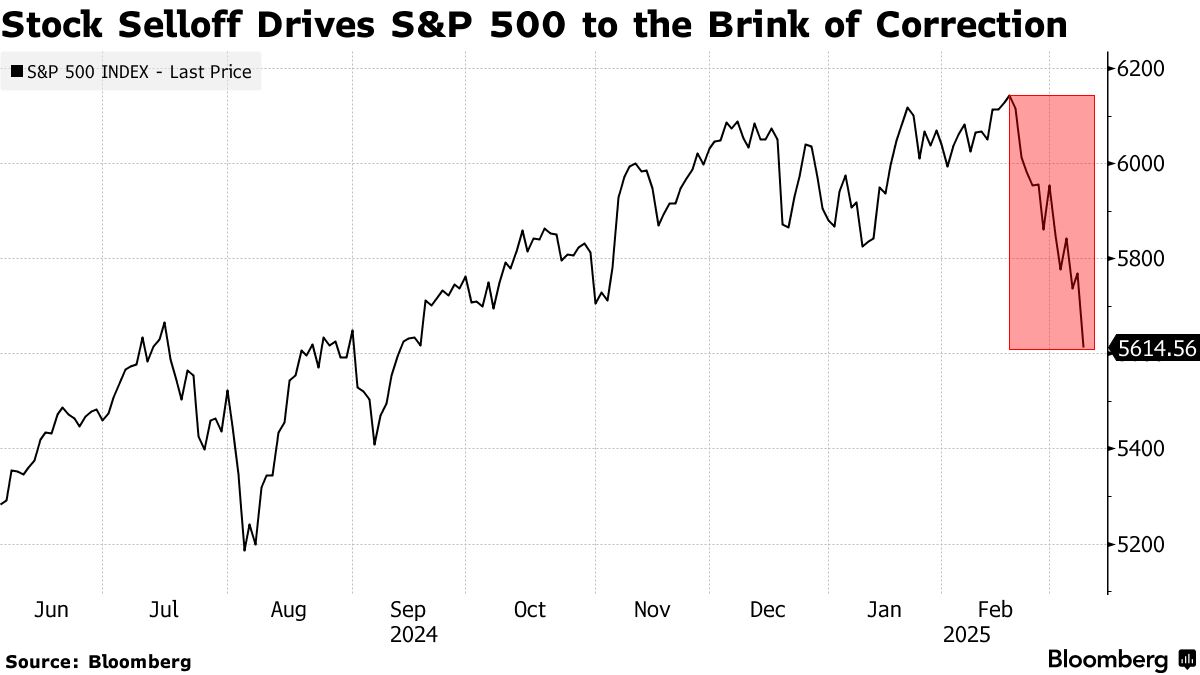
It’s easy to get caught up in the daily headlines screaming about the Dow’s latest gain or loss. However, smart investors look beyond this short-term volatility to identify underlying trends. A single day’s movement, even a significant one, might be an anomaly driven by specific news or sentiment. A series of consecutive upward movements, supported by strong economic data, suggests an uptrend. Conversely, persistent declines often signal a downtrend or correction. Differentiating between short-term noise and long-term trends is crucial. Investors focusing on long-term growth typically ride out periods of volatility, understanding that market corrections are a natural part of the economic cycle. They prioritize the long-term trajectory of the Dow and the broader economy over daily price swings, maintaining a disciplined approach to their investment strategy.
Diversification and the Dow: A Single Index Perspective
While the Dow is an important indicator, it represents only 30 companies, albeit large and influential ones. Relying solely on the Dow as a measure of your entire portfolio’s health or as the sole guide for investment decisions can be misleading. A well-diversified portfolio should extend beyond these 30 blue-chip stocks, encompassing a wider range of companies, sectors, asset classes (like bonds, real estate, commodities), and even geographies. For example, the Dow might be up, but if your portfolio is heavily invested in small-cap stocks or international markets that are underperforming, your personal returns may not align with the Dow’s direction. The Dow is an excellent snapshot of a specific segment of the market, but it should be viewed as one piece of a much larger, diversified investment puzzle.
Long-Term vs. Short-Term Trading Strategies
The interpretation of Dow movements often dictates whether an investor leans towards long-term investing or short-term trading. For long-term investors, daily Dow movements are less critical. They focus on the fundamental strength of the economy and the long-term growth potential of companies, employing strategies like dollar-cost averaging and buy-and-hold. Their objective is to compound returns over decades, using the Dow as a general gauge of market health rather than a tactical signal. Short-term traders, on the other hand, actively seek to profit from daily or even hourly fluctuations in the Dow, often using futures contracts or exchange-traded funds (ETFs) that track the index. This requires constant monitoring, technical analysis, and a higher tolerance for risk and volatility. Both approaches have their merits, but they demand very different levels of engagement and risk management.
Tools and Resources for Tracking the Dow
In today’s digital age, keeping tabs on the Dow and interpreting its movements is easier than ever, thanks to a plethora of advanced financial tools and information sources.
Real-Time Market Data Platforms
Gone are the days when investors had to wait for the next day’s newspaper to get market updates. Today, numerous platforms provide real-time or near real-time market data. Services like Bloomberg Terminal, Refinitiv Eikon, or readily accessible platforms like Yahoo Finance, Google Finance, CNBC, or Investing.com offer live quotes for the Dow, its individual components, and other major indices. These platforms often include interactive charts, technical analysis tools, volume indicators, and news feeds, allowing investors to track movements minute-by-minute. Many brokerage firms also provide their clients with integrated trading platforms that include extensive market data and analytical capabilities. These tools are indispensable for anyone looking to stay abreast of market developments and make timely decisions.
Financial News and Expert Analysis
Beyond raw data, understanding the context behind the numbers is crucial. Reputable financial news outlets such as The Wall Street Journal, Financial Times, Bloomberg, Reuters, CNBC, and Fox Business offer in-depth coverage of market events, economic reports, and corporate news that influence the Dow. They provide expert analysis, interviews with economists and portfolio managers, and investigative pieces that delve into the underlying causes of market shifts. Subscribing to these sources or regularly checking their websites can provide invaluable insights. Furthermore, financial podcasts, webinars, and specialized newsletters often offer deeper dives into specific topics, helping investors connect the dots between various market drivers and the Dow’s performance.
Understanding Related Indices (S&P 500, Nasdaq)
While the Dow is prominent, it’s vital to track its performance in conjunction with other major indices to get a comprehensive view of the market. The S&P 500, which tracks 500 large-cap U.S. companies across various sectors, is considered a broader and more representative indicator of the overall U.S. stock market due to its market-capitalization weighting. The Nasdaq Composite, heavily weighted towards technology and growth stocks, provides insight into the performance of the tech sector. Observing how these indices move in relation to the Dow can reveal sector-specific trends or broader market divergences. For example, if the Nasdaq is surging while the Dow lags, it might indicate that technology stocks are outperforming traditional industrial and financial companies, offering a nuanced perspective that the Dow alone cannot provide.
The Dow’s Role in a Broader Investment Strategy
Ultimately, the answer to “how’s the Dow today?” should contribute to a larger, well-thought-out investment strategy, not dictate it.
Setting Realistic Expectations
It’s crucial to approach the stock market with realistic expectations. The Dow does not always go up, and significant downturns are an inevitable part of market cycles. Chasing daily gains or panicking over short-term losses can be detrimental to long-term wealth creation. Investors should understand that market volatility is normal and that consistent, long-term returns are built through patience, discipline, and adherence to a sound financial plan. Setting clear investment goals, understanding your risk tolerance, and having a realistic outlook on market performance can prevent emotional decisions that erode capital. The Dow provides a benchmark, but it doesn’t guarantee specific personal returns.
The Importance of Fundamental Analysis
While technical analysis (studying charts and price patterns) can be useful for short-term trading, long-term investors heavily rely on fundamental analysis. This involves evaluating the intrinsic value of a company or the overall health of the economy, looking at financial statements, management quality, competitive landscape, and growth prospects. For the Dow components, this means understanding their business models, competitive advantages, debt levels, and future earnings potential. When analyzing the Dow as a whole, fundamental analysis involves assessing macroeconomic indicators, geopolitical stability, and overall economic growth prospects. A strong fundamental understanding helps investors make rational decisions, irrespective of daily market noise.

Staying Informed and Emotionally Detached
The financial world is dynamic, constantly evolving with new information and events. Therefore, staying informed is paramount. Regularly reading financial news, following economic reports, and understanding global developments can provide context for the Dow’s movements. However, it’s equally important to remain emotionally detached from these daily fluctuations. Overreacting to market news, whether positive or negative, often leads to poor investment choices. Developing a disciplined investment strategy, automating investments, and reviewing your portfolio periodically rather than daily can help cultivate emotional resilience. The Dow is a powerful indicator, but it’s a tool for information, not a trigger for impulsive actions.
In conclusion, “how’s the Dow today?” is a question that, when properly explored, unlocks a deeper understanding of the financial markets and the broader economy. It’s a question that connects us to a century of financial history, to the pulse of corporate America, and to the forces that shape our financial futures. For those committed to financial literacy and prudent investing, dissecting the Dow’s daily story is an essential practice in navigating the complex, yet rewarding, world of money.
aViewFromTheCave is a participant in the Amazon Services LLC Associates Program, an affiliate advertising program designed to provide a means for sites to earn advertising fees by advertising and linking to Amazon.com. Amazon, the Amazon logo, AmazonSupply, and the AmazonSupply logo are trademarks of Amazon.com, Inc. or its affiliates. As an Amazon Associate we earn affiliate commissions from qualifying purchases.