
A business plan is more than a mere visionary document; it is the financial blueprint of a company’s future. For entrepreneurs and business owners, writing a business plan sample is a rigorous exercise in fiscal discipline and strategic foresight. Whether you are seeking a venture capital injection, a small business loan, or simply a roadmap for sustainable growth, your business plan must speak the language of money. It must demonstrate not just a “good idea,” but a viable economic engine capable of generating returns, managing debts, and scaling in a competitive marketplace.
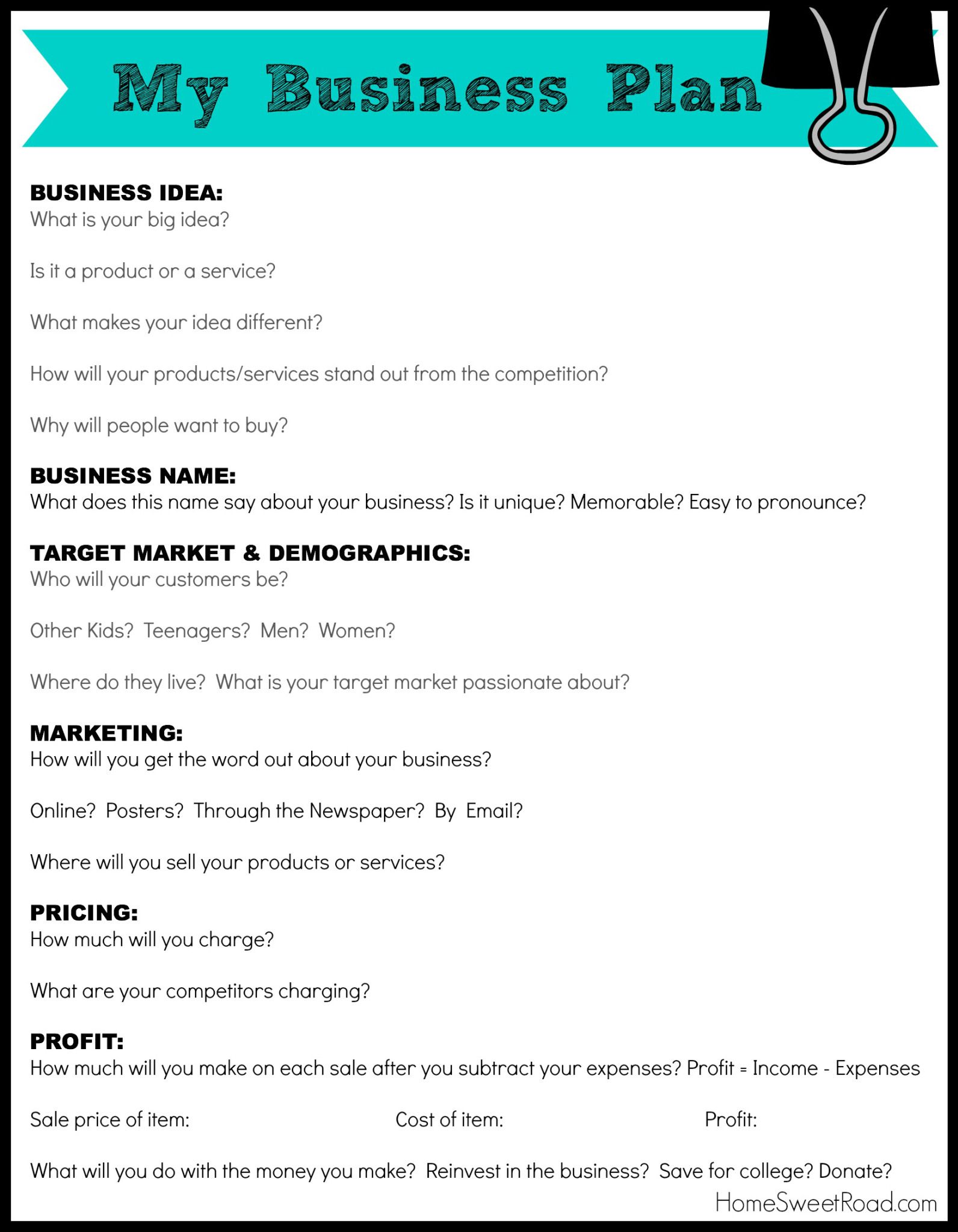
In the realm of business finance, a well-crafted plan serves as a risk-mitigation tool. It allows you to stress-test your assumptions before a single dollar is deployed. By meticulously documenting your revenue models, cost structures, and capital requirements, you transform an abstract concept into a tangible investment opportunity.
The Financial Foundation: Why Your Business Plan is a Capital-Raising Tool
At its core, a business plan is a persuasive argument for the allocation of capital. Investors and lenders are not just looking for innovation; they are looking for security and growth. To write an effective business plan sample, you must prioritize the financial health and scalability of the venture.
Demonstrating Fiscal Responsibility
The first thing a savvy investor looks for is an understanding of unit economics. If you cannot explain how much it costs to acquire a customer (CAC) versus the lifetime value of that customer (LTV), your plan will lack the financial rigor required for serious consideration. A professional sample should highlight your ability to manage overhead, control burn rates, and optimize the supply chain to protect margins. Fiscal responsibility in a business plan signals to stakeholders that you are a steward of their capital, focused on lean operations and maximized output.
Attracting Investors and Lenders
Different sources of capital require different focuses. A plan written for a commercial bank will emphasize collateral, debt-service coverage ratios (DSCR), and steady cash flows. Conversely, a plan written for an angel investor or venture capitalist will focus on hyper-growth, market disruption, and potential exit multiples. Your sample must be tailored to your financial goals. By clearly stating your funding requirements and the specific use of proceeds—be it for R&D, inventory, or marketing—you provide the transparency that builds trust in financial relationships.
Breaking Down the Essential Components of a Financial-First Business Plan
A comprehensive business plan sample follows a logical progression that builds confidence in the company’s profitability. Each section should reinforce the financial viability of the business.
The Executive Summary: The Elevator Pitch for Your Bottom Line
Though it appears first, the executive summary is often written last. It is a distilled version of your entire financial strategy. In this section, you must clearly state the problem, your unique solution, and the “ask.” If you are seeking $500,000 for a 10% equity stake, this is where that value proposition is anchored. A strong executive summary highlights the anticipated Return on Investment (ROI) and the timeframe in which the business expects to reach profitability.
Market Analysis and Revenue Projections
Market analysis is not just about identifying a target audience; it is about quantifying the Total Addressable Market (TAM). A sophisticated business plan sample uses top-down and bottom-up methodologies to estimate realistic market share. This data feeds directly into your revenue projections. You must account for seasonality, market volatility, and competitive pricing pressures. Financial projections should ideally cover three to five years, showing a transition from the initial “valley of death” (early-stage losses) to a stabilized, cash-flow-positive state.
Operational Strategy and Cost Structures
Profit is the difference between revenue and expenses. Therefore, your operational strategy must detail the costs of doing business. This includes Fixed Costs (rent, salaries, insurance) and Variable Costs (materials, shipping, commissions). A deep dive into the cost of goods sold (COGS) is essential for any business dealing with physical products. By outlining a lean operational model, you demonstrate to investors that you have the operational efficiency to withstand economic downturns.

Mastering the Financial Plan Section
The financial plan is the heartbeat of your document. It is the section where numbers validate the narrative. For a sample to be truly effective, it must include three core financial statements and a series of critical analyses.
Income Statements and Cash Flow Forecasts
The Income Statement (Profit and Loss) provides a snapshot of the business’s performance over a specific period. It tracks revenue, deducts expenses, and reveals the net profit. However, for many startups, the Cash Flow Forecast is even more vital. Cash flow is the lifeblood of a business; a company can be profitable on paper but fail because it runs out of liquid cash to pay its bills. Your sample should include a month-by-month cash flow analysis for the first year, accounting for payment delays, inventory cycles, and capital expenditures.
The Break-Even Analysis: When Does the Profit Start?
Every investor wants to know the “break-even point”—the exact moment when total revenue equals total expenses. Calculating this requires a clear understanding of your contribution margin. A business plan sample that includes a break-even chart shows that the entrepreneur understands the scale required to achieve sustainability. It provides a target for the sales team and a milestone for the finance department.
Balance Sheets and Capital Requirements
The Balance Sheet offers a view of the company’s financial position at a single point in time, detailing assets, liabilities, and equity. This statement is crucial for assessing the solvency and liquidity of the business. Alongside the balance sheet, you must include a detailed breakdown of your capital requirements. If you are asking for funding, specify exactly how that money will be spent. Will it buy machinery that increases production capacity? Will it fund a digital marketing campaign with a proven conversion rate? Connecting the “ask” to specific growth drivers is the hallmark of a professional financial plan.
Advanced Financial Strategies for Long-Term Growth
Beyond the basic numbers, a high-level business plan sample addresses the complexities of the broader economic environment and the long-term lifecycle of the business.
Risk Management and Contingency Planning
In business finance, ignoring risk is a recipe for disaster. A sophisticated plan includes a “Sensitivity Analysis” or “What-If” scenarios. What happens if raw material costs rise by 20%? What if the product launch is delayed by six months? By demonstrating that you have considered these risks and developed contingency plans—such as maintaining a cash reserve or diversifying suppliers—you prove that the business is built on a resilient financial foundation.
Exit Strategies and Valuation Models
For many investors, the most important part of the plan is the end. How will they get their money back, and with what multiplier? Common exit strategies in a business plan sample include an Initial Public Offering (IPO), acquisition by a larger competitor, or a management buyout. Including a preliminary valuation of the company based on discounted cash flow (DCF) analysis or comparable company analysis (Comps) shows that you have a realistic understanding of your company’s worth in the current market.
Refining Your Sample: Turning Data into a Persuasive Narrative
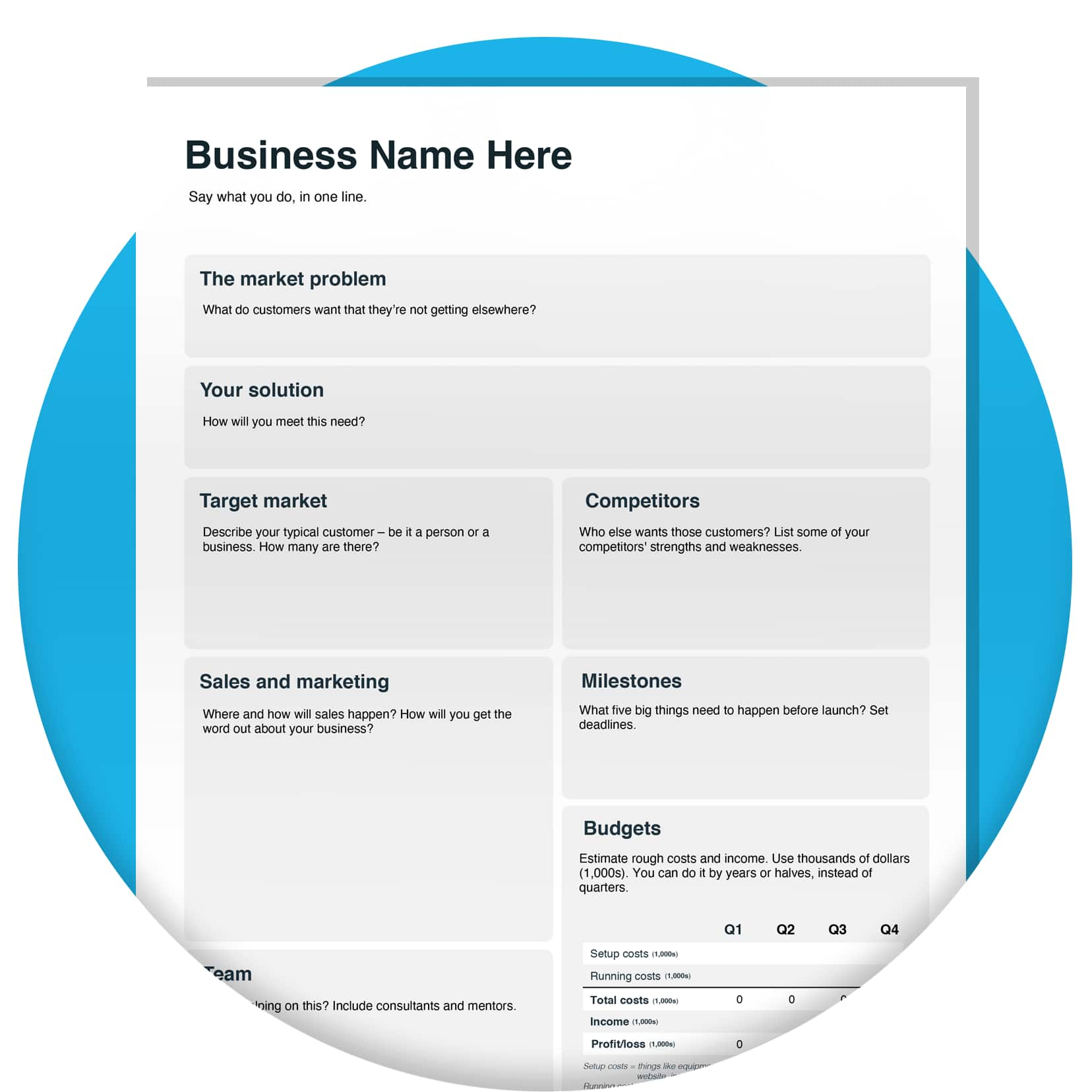
The final step in writing a business plan sample is ensuring that the data tells a compelling story. While the numbers must be accurate, the narrative must be persuasive. Finance is often about confidence, and your plan should exude a calculated, data-driven optimism.
Use professional charts and graphs to make complex financial data accessible. Avoid “hockey stick” projections—unrealistic, exponential growth without a clear explanation of how it will be achieved—as these are often dismissed by experienced financiers. Instead, aim for “conservative,” “likely,” and “optimistic” scenarios to show a range of possible outcomes.
Ultimately, a business plan sample is a living document. It should be updated as the market changes and as the business meets its financial milestones. By focusing on the money—how it is raised, how it is managed, and how it is multiplied—you create a document that doesn’t just sit on a shelf, but actively drives the financial success of your enterprise. Whether you are a solo entrepreneur starting a side hustle or a CEO scaling a multi-million dollar corporation, the discipline of writing a financially-sound business plan is the highest-leverage activity you can undertake. It forces a confrontation with reality and provides the strategic clarity needed to navigate the complexities of the modern business world.
aViewFromTheCave is a participant in the Amazon Services LLC Associates Program, an affiliate advertising program designed to provide a means for sites to earn advertising fees by advertising and linking to Amazon.com. Amazon, the Amazon logo, AmazonSupply, and the AmazonSupply logo are trademarks of Amazon.com, Inc. or its affiliates. As an Amazon Associate we earn affiliate commissions from qualifying purchases.