
In the pursuit of optimal health, fitness, and body composition, understanding one’s macronutrient intake is paramount. Protein, in particular, stands as a cornerstone nutrient, critical for muscle repair, growth, satiety, and numerous metabolic processes. While its biological functions are widely recognized, the practical challenge often lies in accurately quantifying its contribution to daily caloric intake. Fortunately, the digital age has ushered in a sophisticated suite of tools—from comprehensive tracking applications and specialized online calculators to AI-powered meal planners and smart kitchen gadgets—that have transformed the erstwhile manual and tedious process of calculating calories from protein into an intuitive, data-driven endeavor. This article delves into the technological ecosystem that empowers individuals to precisely monitor and manage their protein calorie intake, offering insights into how these digital innovations simplify the path to informed nutritional choices.
The Fundamental Role of Protein in Digital Nutrition Tracking
Understanding the caloric value of protein is the first step, but it’s the seamless integration of this knowledge into digital platforms that truly unlocks its utility. In the realm of nutrition technology, the standard conversion factor is a fundamental data point around which sophisticated algorithms are built.
Understanding the Caloric Value (in a tech context)
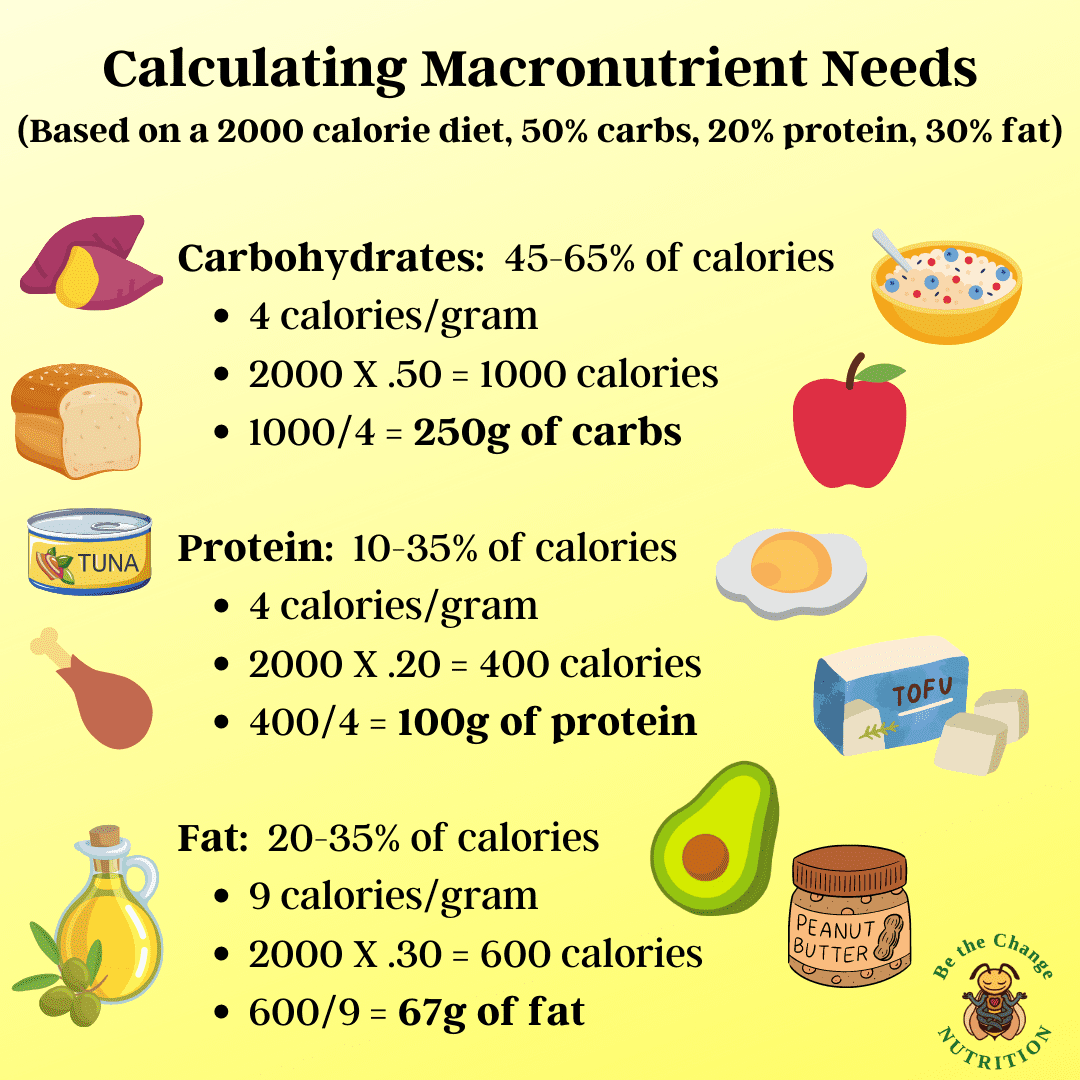
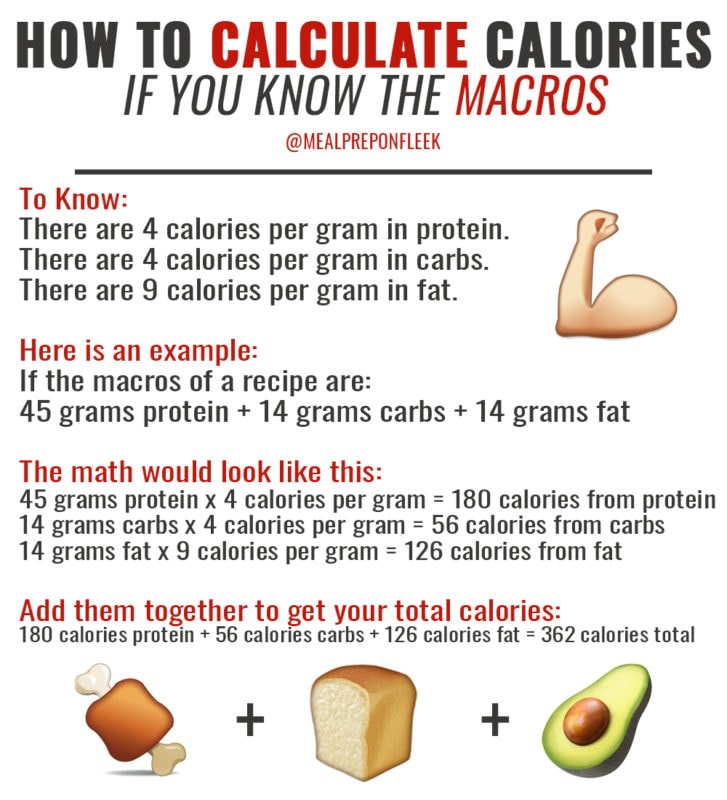
At its most basic, every gram of protein provides approximately 4 calories (kcal). This is a universally accepted value applied across most nutritional science and, crucially, within the databases of virtually all digital nutrition tracking tools. When you input a food item into a calorie-tracking app or use an online calculator, the software doesn’t just display the total calories; it typically breaks down the macronutrient profile, including the protein content. The app then automatically applies this 4 kcal/g factor to the recorded protein grams to contribute to your total caloric intake. This automated calculation is a core feature that eliminates the need for manual arithmetic, providing immediate feedback on protein’s energetic contribution to your diet. The transparency and ease of this calculation within digital interfaces are what make precision nutrition accessible to the everyday user.
Why Accurate Tracking Matters (for digital health platforms)
Beyond simple arithmetic, accurate protein calorie tracking is the lifeblood of personalized recommendations within digital health platforms. Fitness trackers, diet apps, and AI-driven nutrition coaches rely on this granular data to tailor advice. For an app to suggest an optimal post-workout meal, for example, it needs to know not just your total calorie goal, but also your protein intake and how much of your daily calories come from protein. Without precise input, the algorithms that power these tools—which might recommend specific protein targets for muscle gain, weight loss, or maintenance—would operate on flawed data, rendering their advice less effective. Moreover, detailed protein tracking enables these platforms to generate insightful reports, visualize trends over time, and help users identify patterns in their dietary habits that support or hinder their specific health objectives. It’s the engine that drives the personalization engine of modern nutrition technology.
Navigating Digital Tools for Protein Calorie Calculation
The market is saturated with digital solutions designed to simplify dietary tracking. From ubiquitous mobile applications to sophisticated web-based databases, these tools vary in their features but share the common goal of demystifying macronutrient calculations, particularly for protein.
Comprehensive Calorie Tracking Applications
Mobile applications such as MyFitnessPal, Lose It!, Cronometer, and MyPlate have become indispensable companions for millions seeking to manage their diet. These apps boast extensive food databases, often containing millions of entries, including both raw ingredients and processed foods, complete with their full nutritional breakdowns. To calculate calories from protein using these apps, users typically:
-
Scan Barcodes: For packaged foods, a simple barcode scan populates the app with detailed nutritional information, including protein content per serving. The app then automatically calculates the calories derived from that protein.
-
Manual Entry: For fresh produce or restaurant meals, users can manually search the database. Once a food is selected and a serving size entered, the app performs the protein calorie calculation.
-
Recipe Builders: Many apps allow users to build custom recipes by entering all ingredients. The app then calculates the total protein and subsequent calories for the entire dish and can even divide it by servings. This is particularly useful for homemade meals, ensuring accurate tracking even for complex dishes.
These apps not only track individual meals but also aggregate daily totals, providing a real-time overview of protein intake and its caloric contribution against set goals.
Specialized Online Calculators and Databases
Beyond full-fledged tracking apps, a plethora of specialized online calculators and nutritional databases offer focused tools for protein calorie calculations. Websites like the USDA FoodData Central provide comprehensive nutritional data for thousands of foods, allowing users to look up the protein content of specific items. Once the protein grams are identified, a simple multiplication by 4 provides the caloric value. Some fitness and nutrition websites also host dedicated “macro calculators” where users can input individual food items or even custom recipes, and the tool will automatically provide a breakdown of protein, carbs, fats, and their respective caloric contributions. While less integrated than full-tracking apps, these web-based resources are invaluable for quick lookups, cross-referencing information, and detailed planning for specific meals.
Integrating Smart Kitchen Gadgets
The Internet of Things (IoT) has extended its reach into the kitchen, offering smart gadgets that seamlessly integrate with nutrition tracking. Smart kitchen scales are a prime example. These scales connect via Bluetooth or Wi-Fi to companion apps on smartphones or tablets. When you weigh an ingredient, the scale transmits the weight directly to the app. If the ingredient is identified within the app’s database (sometimes through manual selection, sometimes through AI recognition if advanced), the app can then automatically calculate and log its nutritional profile, including the protein content and its associated calories. This eliminates the potential for human error in manual input and streamlines the logging process, making precise protein calorie calculation an almost passive activity during meal preparation.
Enhancing Precision with Advanced AI and Software
The evolution of technology has pushed beyond mere data entry, incorporating artificial intelligence and sophisticated software to provide deeper insights and automate complex nutritional planning.
AI-Powered Meal Planning and Macro Tracking
Artificial intelligence is revolutionizing the way we approach nutrition, especially when it comes to optimizing protein intake. AI algorithms embedded in advanced nutrition platforms can analyze a user’s health goals (e.g., muscle gain, fat loss), activity levels, dietary preferences, and even historical protein intake patterns. Based on this data, they can generate personalized meal plans, dynamically calculating the precise protein grams and their caloric contribution for each meal and snack. These systems can adapt in real-time, adjusting recommendations if a user deviates from their plan, ensuring that daily protein calorie targets are met efficiently. Some AI tools can even suggest protein-rich food swaps or optimize ingredient combinations to maximize satiety or nutrient absorption, all while keeping a meticulous tally of protein calories. This level of automation and personalization far surpasses what manual tracking could ever achieve.
Wearables and Data Synchronization
Wearable fitness trackers (smartwatches, activity bands) play a crucial role in the holistic, tech-enabled approach to protein calorie management. While they don’t directly calculate protein calories, they provide essential context: your energy expenditure. By tracking steps, heart rate, sleep, and exercise, wearables generate a comprehensive picture of your daily activity level. This data is then often synchronized with nutrition apps. For instance, if your tracker registers a particularly intense workout, the connected nutrition app might automatically adjust your recommended daily protein intake (and thus protein calorie target) to support increased muscle repair and recovery needs. This dynamic adjustment ensures that your protein consumption is aligned with your energetic demands, moving beyond static dietary advice to a more responsive, integrated health management system. The synergy between activity data and nutritional input creates a feedback loop that continually refines protein calorie targets for optimal outcomes.
Overcoming Data Input Challenges with Technology
One of the historical hurdles in dietary tracking has been the accuracy and effort of data input. Technology is continually addressing these challenges.
-
Portion Size Estimation: While apps still rely on user input for portion sizes, many are integrating visual aids or even augmented reality (AR) features to help users more accurately estimate quantities. Some apps allow users to take photos of their meals, which AI can then analyze to estimate food types and portion sizes, automatically logging an approximate protein calorie count.
-
Food Database Accuracy: Apps constantly update and refine their food databases, often leveraging crowd-sourced data, verified by nutritionists, to improve the accuracy of nutritional information, including protein content for various preparations (e.g., grilled chicken vs. fried chicken). This continuous improvement directly impacts the reliability of protein calorie calculations.
-
Voice Input and Natural Language Processing (NLP): Emerging features include voice assistants that allow users to simply speak their food intake (“I ate 4 ounces of salmon”) and have it automatically logged and calculated. This reduces friction and makes consistent tracking easier.
Best Practices for Tech-Enabled Protein Calorie Management
While technology offers unprecedented convenience, maximizing its benefits requires a thoughtful approach and adherence to best practices.
Cross-Referencing and Verification
No single app or database is infallible. To ensure the highest degree of accuracy in your protein calorie calculations, it’s wise to cross-reference information, especially for less common or homemade foods. If an app provides a surprisingly high or low protein count for a particular item, compare it with data from a reputable source like the USDA FoodData Central or another popular tracking app. This vigilance helps to catch potential errors in databases and reinforces a more precise understanding of your protein intake.
Customizing Database Entries
Many tracking apps allow users to create custom food entries or entire recipes. This feature is invaluable for dishes you prepare regularly where the standard database entry might not match your specific ingredients or cooking methods. By accurately entering all ingredients for your homemade chili or protein shake, the app can provide a precise protein calorie calculation for your unique recipe. This ensures that your tracking remains accurate, even when you’re not consuming pre-packaged or commonly available items, thereby maintaining the integrity of your overall protein calorie management.

Utilizing Reports and Analytics
Most sophisticated nutrition tracking apps generate comprehensive reports and analytics over time. These features are much more than just numbers; they offer profound insights. Regularly reviewing daily, weekly, and monthly reports on your protein intake and its caloric contribution allows you to:
-
Identify Trends: See if your protein intake consistently meets your goals or if there are specific days or meal types where you fall short.
-
Adjust Strategies: Based on the data, you can make informed adjustments to your diet, such as increasing protein at breakfast or ensuring a protein source with every snack.
-
Correlate with Outcomes: Observe how consistent protein calorie management correlates with your progress towards fitness goals, energy levels, or satiety.
These analytical tools empower you to move beyond simply logging food to actively learning from your dietary patterns and making data-driven decisions for continuous improvement.
In conclusion, calculating calories from protein, once a manual and error-prone task, has been profoundly transformed by digital innovation. From the basic 4 kcal/g conversion factor embedded within every tracking app to the advanced predictive capabilities of AI, technology has made precise protein management accessible, efficient, and insightful. By embracing these tools and adopting best practices for their use, individuals can gain an unparalleled understanding of their protein intake, empowering them to make informed choices that align perfectly with their health, fitness, and nutritional objectives in this data-rich era. The ongoing evolution of nutrition technology promises even more sophisticated solutions, further demystifying the complex world of dietary management.
aViewFromTheCave is a participant in the Amazon Services LLC Associates Program, an affiliate advertising program designed to provide a means for sites to earn advertising fees by advertising and linking to Amazon.com. Amazon, the Amazon logo, AmazonSupply, and the AmazonSupply logo are trademarks of Amazon.com, Inc. or its affiliates. As an Amazon Associate we earn affiliate commissions from qualifying purchases.