
Nicotine salt, often referred to as nic salt, represents a significant evolution in the delivery of nicotine, primarily within the realm of electronic nicotine delivery systems (ENDS), commonly known as vapes. While the core function remains the same – delivering nicotine to the user – the chemical formulation and its implications for user experience, device design, and regulatory considerations are markedly different from traditional freebase nicotine. This distinction is not merely a technical nuance; it has profound implications for how ENDs are developed, marketed, and perceived within the broader technology landscape. Understanding nicotine salt requires a deep dive into its chemical properties, its impact on vaping technology, and the ongoing technological advancements shaping its future.
The Chemical Foundation: Understanding Nicotine Salt vs. Freebase Nicotine
At its heart, nicotine salt is a chemically altered form of nicotine. The difference lies in how the nicotine molecule is bound. This fundamental chemical distinction is the bedrock upon which its technological applications and implications are built.
Freebase Nicotine: The Traditional Approach
For decades, nicotine used in tobacco products and early e-liquids was in its “freebase” form. This involves a process where nicotine is extracted from tobacco leaves and then treated with an alkali, such as ammonia. This process raises the pH of the nicotine, making it more volatile and readily absorbable into the bloodstream through the lungs.
Properties and User Experience of Freebase Nicotine
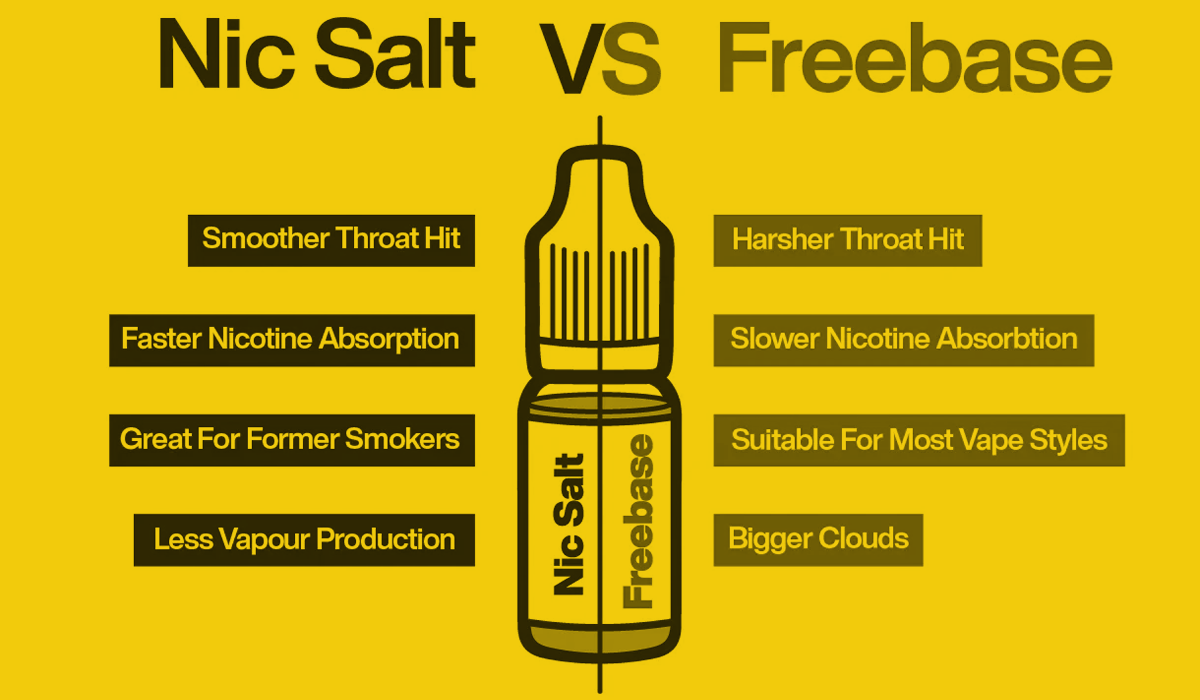
Freebase nicotine is characterized by its alkaline nature. When vaped, this alkalinity contributes to a harsher throat hit, which is the sensation felt in the back of the throat during inhalation. The intensity of this throat hit is often correlated with the concentration of freebase nicotine. Higher concentrations can lead to a very pronounced and sometimes uncomfortable sensation, which can be a deterrent for some users, particularly those transitioning from traditional cigarettes. Furthermore, freebase nicotine is less stable at higher temperatures, which can impact the flavor profile of e-liquids and the longevity of the nicotine itself. Its absorption rate into the bloodstream, while effective, is generally slower and less “peaky” compared to nicotine salts, meaning users might need to vape more frequently to achieve their desired nicotine level.
Nicotine Salt: The Chemically Engineered Solution
Nicotine salt is formed when nicotine is combined with an acid. This process, often using benzoic acid or citric acid, neutralizes the alkalinity of freebase nicotine. The resulting salt molecule is more stable and has a lower pH. This chemical alteration is the key to its distinct properties and the technological innovations it has enabled. The precise ratio of nicotine to acid, and the specific acid used, can be fine-tuned to achieve specific absorption rates and throat hit characteristics.
Chemical Stability and Absorption Dynamics
The primary advantage of nicotine salt lies in its enhanced chemical stability. This stability allows for higher concentrations of nicotine to be formulated into e-liquids without significantly increasing the harshness of the vapor. The acidic environment of nicotine salt also affects its absorption kinetics. When vaped, nicotine salts are absorbed more rapidly and efficiently into the bloodstream, mimicking the nicotine delivery profile of traditional cigarettes more closely. This rapid absorption leads to a quicker onset of nicotine satisfaction, which can be highly appealing to former smokers. The lower pH also means a smoother, less irritating throat hit, even at higher nicotine concentrations, making it more palatable for a wider range of users and enabling the use of smaller, more discreet vaping devices.
Technological Implications of Nicotine Salt in ENDs
The advent of nicotine salt has not just been a chemical innovation; it has been a catalyst for significant technological advancements within the ENDs industry. Its properties have directly influenced device design, e-liquid formulations, and the overall user experience.
Device Design and Optimization
The smoother throat hit and efficient nicotine delivery of nicotine salts have enabled the development of new categories of vaping devices. Previously, high-nicotine e-liquids (often over 30mg/ml) were largely unpalatable due to their harshness. Nicotine salts made these higher concentrations feasible, which in turn allowed for the creation of smaller, low-powered devices that could deliver a satisfying nicotine dose without overwhelming the user.
The Rise of Pod Systems and Low-Wattage Devices
Pod systems, characterized by their compact size, ease of use, and pre-filled or easily refillable cartridges, have become immensely popular, largely fueled by the availability of nicotine salt e-liquids. These devices often utilize low-wattage output and simple draw-activation mechanisms, making them highly portable and user-friendly. The ability to deliver a potent nicotine dose with minimal vapor production also contributes to their discreet nature, appealing to users who may not want to produce large clouds of vapor. The reduced coil degradation at lower wattages also means a longer lifespan for coils and a more consistent vaping experience, reducing the need for frequent hardware maintenance, a significant technological convenience. The internal battery technology in these devices has also evolved to optimize for the power demands of these low-wattage, high-nicotine systems, often featuring USB-C charging for faster power replenishment.

Coil Technology and E-liquid Compatibility
The materials and construction of atomizer coils in vaping devices have also been influenced by nicotine salts. While freebase nicotine can sometimes be harsher on certain coil materials, the smoother nature of nic salts is more forgiving. However, the increased concentration of nicotine and the potential presence of acids can still necessitate the use of specific coil types to ensure optimal flavor production and coil longevity. Manufacturers have developed ceramic coils, mesh coils, and specialized cotton wicking materials designed to handle the unique chemical composition of nic salt e-liquids, preventing premature burning and flavor degradation. The focus has shifted towards materials that can withstand the chemical environment and efficiently vaporize the e-liquid without imparting unwanted flavors.
E-liquid Formulation and Flavor Innovation
Nicotine salt has opened up new avenues for e-liquid formulation and flavor development, directly impacting the technological approach to creating consumer-ready products.
Flavor Profiles and Nicotine Concentration Balancing
One of the most significant impacts of nicotine salt on e-liquid formulation is the ability to achieve a desired nicotine strength without compromising flavor. With freebase nicotine, increasing the concentration beyond a certain point often resulted in an unacceptably harsh vape. Nicotine salts allow formulators to create e-liquids with very high nicotine concentrations (e.g., 50mg/ml or higher) that still offer a smooth and enjoyable throat hit. This has been crucial for developing products that cater to users who need a substantial nicotine intake, such as those transitioning from smoking heavy cigarettes. The technological challenge for e-liquid manufacturers lies in balancing the flavor compounds with the increased nicotine content, ensuring that the taste remains consistent and appealing across different concentrations. This involves sophisticated understanding of flavor chemistry and how it interacts with the nicotine salt base.
Propylene Glycol (PG) and Vegetable Glycerin (VG) Ratios
The ratio of propylene glycol (PG) to vegetable glycerin (VG) in e-liquids plays a crucial role in vapor production, flavor delivery, and throat hit. Nicotine salts often lend themselves to higher PG ratios, which can enhance flavor clarity and vapor density without the associated harshness. This allows for the creation of e-liquids that deliver intense flavors in a more controlled and less overwhelming vapor output, which is particularly beneficial for the discreet, low-wattage devices that often utilize nic salts. The technological challenge here is in finding the optimal PG/VG ratio that maximizes flavor perception and nicotine delivery while maintaining the desired vapor characteristics for the specific device.
The Future of Nicotine Salt Technology and Research
The journey of nicotine salt is far from over. Ongoing research and technological development are continually refining its application and exploring new frontiers within the ENDs ecosystem.
Advancements in Nicotine Extraction and Synthesis
The methods for obtaining and processing nicotine have also seen technological evolution. While traditional methods involve extraction from tobacco, research is exploring alternative, more controlled synthesis methods. This could lead to purer forms of nicotine and potentially novel salt formulations with even more refined properties. The goal is to achieve greater consistency, reduce impurities, and potentially create nicotine forms with unique delivery characteristics that can further enhance the vaping experience and reduce potential risks. Innovations in solvent extraction, chromatography, and bio-engineering are all contributing to a more sophisticated understanding and control over nicotine production.
Encapsulation Technologies and Controlled Release Mechanisms
Future innovations in nicotine salt technology are likely to involve encapsulation techniques. This involves encapsulating the nicotine salt within micro-particles or other matrices. These encapsulated particles can then be integrated into e-liquids or even into the heating elements of devices. Encapsulation offers several potential technological advantages, including improved stability of nicotine, controlled release of nicotine over time, and the potential to mask or enhance certain flavor profiles. This could lead to e-liquids that deliver nicotine more consistently throughout the vaping session, mimicking the gradual release of nicotine from traditional tobacco products. Furthermore, encapsulation could offer a technological pathway to reduce the exposure to other potentially harmful byproducts of vaping by controlling the vaporization process.
Regulatory Compliance and Safety Technology
The regulatory landscape for ENDs is complex and constantly evolving. Nicotine salt’s distinct properties and its role in the popularity of certain device types have placed it under scrutiny. Technological advancements are being directed towards ensuring regulatory compliance and enhancing product safety. This includes developing sophisticated analytical tools to accurately measure nicotine content and detect impurities in e-liquids. Furthermore, manufacturers are investing in technologies that can provide greater transparency and traceability throughout the supply chain, from raw material sourcing to final product distribution. The development of child-resistant packaging and tamper-evident seals are also crucial technological aspects of ensuring product safety and compliance. As regulations tighten, the technological capacity to demonstrate product integrity and adherence to safety standards will become even more paramount.

Conclusion
Nicotine salt is a multifaceted innovation with profound technological implications for the electronic nicotine delivery system industry. From its fundamental chemical basis that enables smoother, more efficient nicotine delivery to its influence on the design of discreet, user-friendly devices, nicotine salt has reshaped the vaping landscape. The ongoing pursuit of advanced extraction and synthesis techniques, coupled with innovations in encapsulation and controlled release, signals a dynamic future for nicotine salt technology. As the industry navigates evolving regulatory environments, the technological commitment to safety, compliance, and refined user experience will continue to drive progress in this specialized field.
aViewFromTheCave is a participant in the Amazon Services LLC Associates Program, an affiliate advertising program designed to provide a means for sites to earn advertising fees by advertising and linking to Amazon.com. Amazon, the Amazon logo, AmazonSupply, and the AmazonSupply logo are trademarks of Amazon.com, Inc. or its affiliates. As an Amazon Associate we earn affiliate commissions from qualifying purchases.