
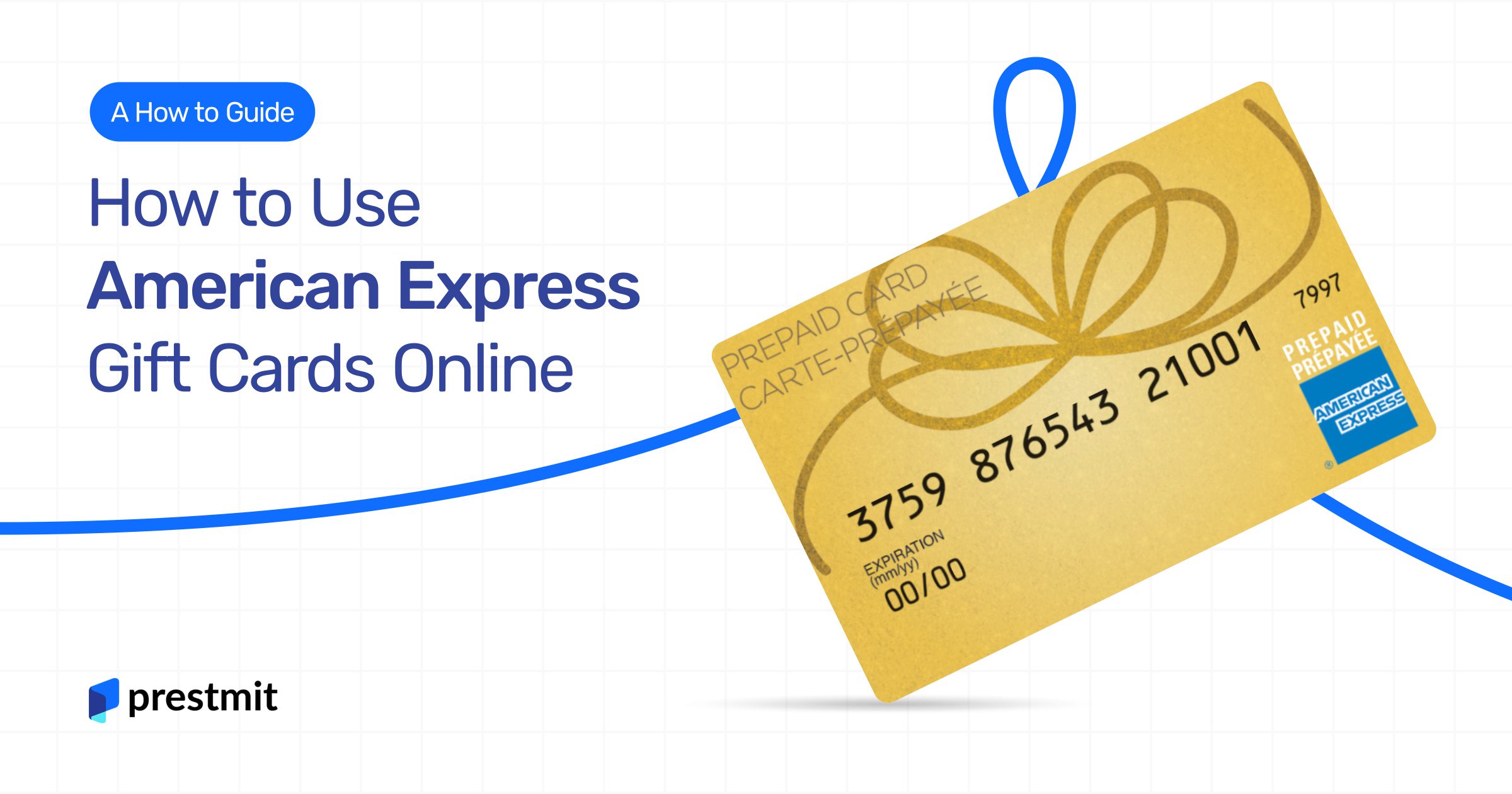
American Express gift cards are among the most versatile financial instruments available for both personal use and corporate gifting. Unlike a standard credit card, which is tied to a line of credit, or a debit card, which is linked to a checking account, an Amex gift card is a prepaid payment method loaded with a specific dollar amount. While they offer the prestige and wide acceptance of the American Express network, they function under a unique set of financial rules. Understanding how to navigate these rules is essential for maximizing the card’s value and ensuring a seamless transaction experience at millions of merchants.
Getting Started: Activation and Balance Management
The first step in utilizing an American Express gift card is ensuring it is ready for use. While many Amex gift cards purchased at retail locations are activated at the point of sale, cards received via mail or through corporate incentive programs often require manual activation.
Initial Activation and Registration
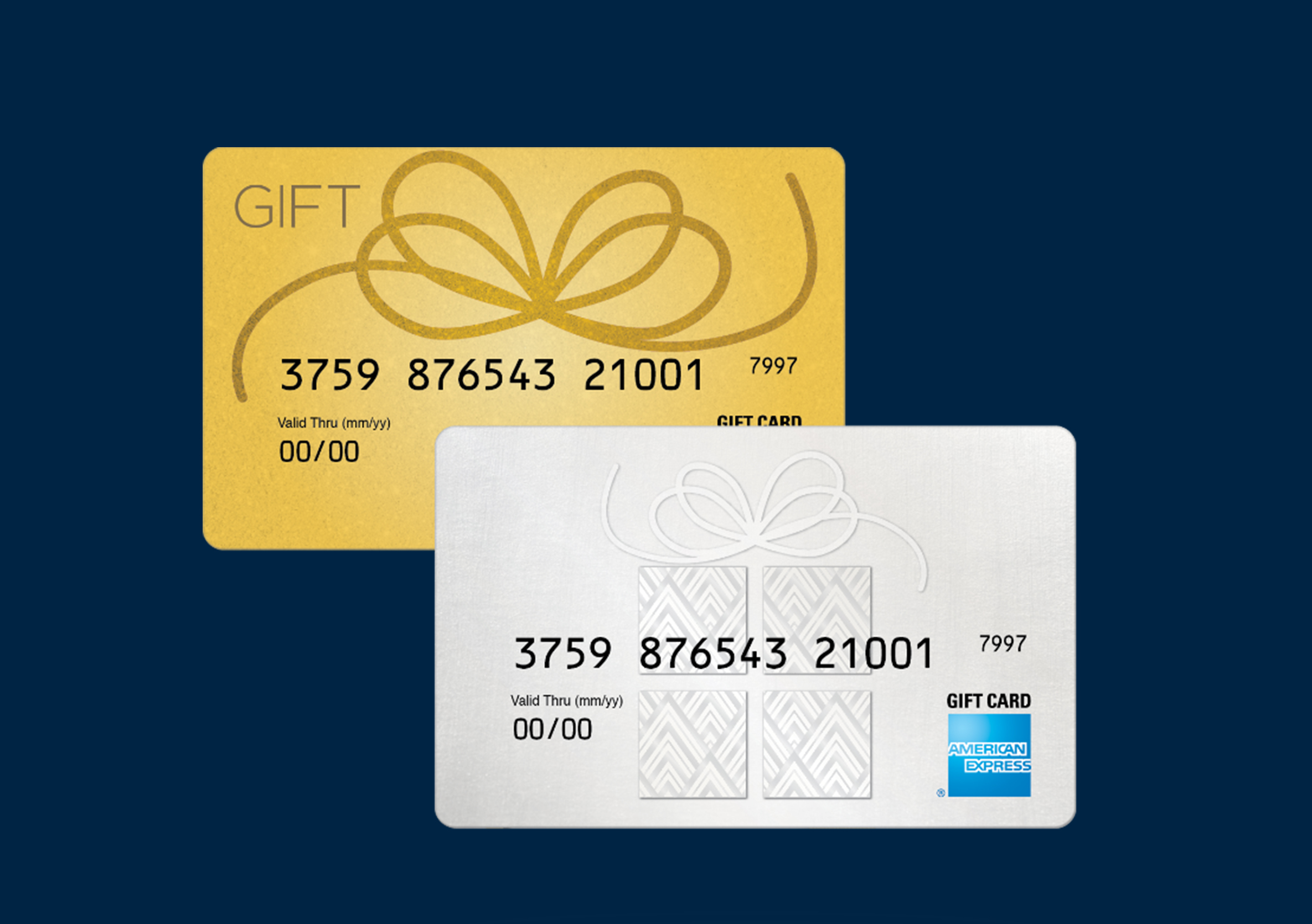
To activate your card, you typically need to visit the official American Express Gift Card website or call the toll-free number located on the back of the card. During this process, you will be asked for the card number, the expiration date, and the four-digit Security Code (CID) found on the front of the card.
A critical step that many users overlook is registration. While not always mandatory for physical in-store purchases, registering your card with your name and billing address is often necessary for online transactions. Most e-commerce payment gateways perform an Address Verification Service (AVS) check. If the billing address provided at checkout does not match the information associated with the gift card, the transaction may be declined.
Monitoring Your Balance
Unlike a credit card, which allows you to spend up to a limit and pay later, a gift card will only permit transactions that are less than or equal to the current available balance. It is a best practice to check your balance before attempting a purchase. If you attempt to buy an item that costs $50 but your card only has $45 remaining, the transaction will likely be declined immediately rather than processing the partial amount. Knowing your exact balance allows you to inform a cashier that you wish to perform a “split-tender” transaction, where you pay the remaining $5 with cash or another card.
Mastering In-Store and Online Transactions
Navigating the checkout process with a prepaid card requires a slightly different approach than using a standard issued bank card. Because the funds are fixed, the merchant’s payment system must communicate precisely with the American Express authorization network.
In-Store Best Practices
When using your card at a physical retail location, the card should be swiped through the card reader. If the terminal asks whether the card is “Debit” or “Credit,” you should always select “Credit.” American Express gift cards do not have a PIN (Personal Identification Number) associated with them for POS (Point of Sale) transactions. Selecting “Credit” ensures the transaction is routed through the American Express network correctly.
If you are shopping at a merchant where the total exceeds the balance on your card, you must notify the cashier before they swipe the card. This is known as split-tender. Not all merchants support this, particularly smaller retailers with older software, but most national chains can easily accommodate this by processing the gift card for its exact remaining value first.
Online Shopping and Digital Wallets
For online purchases, you enter the gift card information in the same fields as a standard credit card. Ensure that the name and address used in the “Billing Address” section match what you registered on the Amex website.
Furthermore, many users find success adding their American Express gift cards to digital wallets like Apple Pay, Google Pay, or Samsung Pay. This adds a layer of convenience and security, allowing you to use the card at contactless terminals even if you do not have the physical plastic on hand. However, keep in mind that some digital wallet platforms may require a small “test” authorization (usually $0.00 or $1.00) to verify the card, which can temporarily lower your available balance for a few days.
Understanding Pre-Authorizations and Holds
One of the most common reasons for a declined Amex gift card is the “pre-authorization hold.” This is a financial safeguard used by certain industries to ensure a customer has sufficient funds to cover an estimated total.
Gas Stations and Automated Fuel Dispensers
When you use a card at a gas pump, the station’s bank often requests a pre-authorization hold that can range from $50 to $100 or more. If your gift card only has $30 on it, the pump will decline the card because it cannot satisfy the $100 hold request. To avoid this, take your card inside to the attendant and ask them to charge a specific amount (e.g., “Please put $25 on pump four”). This processes the transaction for the exact amount, bypassing the large hold.
Restaurants and Service Industry Tips
In the hospitality industry, it is standard practice for a merchant to authorize an additional 20% over the bill amount to account for a potential tip. If your dinner bill is $100 and you have exactly $110 on your gift card, the transaction may be declined because the system is looking for $120 ($100 + 20% hold). If you encounter this, you can ask the server to charge a specific amount to the card that accounts for the buffer, or pay the tip in cash.
Hotels and Car Rentals
It is generally recommended not to use American Express gift cards for hotel reservations or car rentals. These merchants often place substantial holds on funds to cover incidentals or damages. These holds can remain on your card for up to 30 days, effectively “freezing” your money and making it unavailable for other purchases. It is much more efficient to use a standard credit card for the reservation and use the gift card to pay the final bill upon checkout or vehicle return.
Fees, Expiration, and Regulatory Protections
When managing personal finances, it is vital to understand the terms and conditions associated with prepaid instruments. American Express gift cards are subject to federal regulations, but they still have specific fee structures that users should note.
No Post-Purchase Fees
One of the primary advantages of American Express gift cards compared to some other prepaid brands is the absence of “maintenance” or “dormancy” fees. Under current consumer protection laws, the funds on your card do not expire. Even if the physical card has a “valid thru” date printed on it—which is required for processing transactions—the underlying money remains yours. If your card expires but still has a balance, you can contact American Express to have a replacement card issued with the remaining funds.
The Credit CARD Act
The Credit Card Accountability Responsibility and Disclosure (CARD) Act provides significant protections for gift card holders. For instance, gift cards cannot expire for at least five years from the date of purchase. However, it is always financially prudent to use the funds sooner rather than later to avoid the inconvenience of dealing with an expired piece of plastic or the risk of losing the card entirely.
Strategic Uses for the American Express Gift Card
Beyond simple consumer purchases, the Amex gift card can be a strategic tool in a broader financial plan. Because it is not linked to a bank account, it offers unique advantages for security and budgeting.
Budgeting and Spending Control
For individuals looking to curb discretionary spending, loading a specific monthly “allowance” onto a gift card can be an effective psychological and financial barrier. Once the card is empty, the spending for that category (such as dining out or hobby supplies) must stop. This prevents the “lifestyle creep” often associated with high-limit credit cards.
Enhanced Security for Online Transactions
In an era of frequent data breaches, many security-conscious consumers use prepaid cards for one-time purchases on unfamiliar websites. By using an Amex gift card, you are not exposing your primary debit or credit card numbers to potential hackers. Even in the event of a merchant data compromise, the risk is limited strictly to the balance on the gift card, protecting your main financial assets from being drained.
Liquidating Small Balances
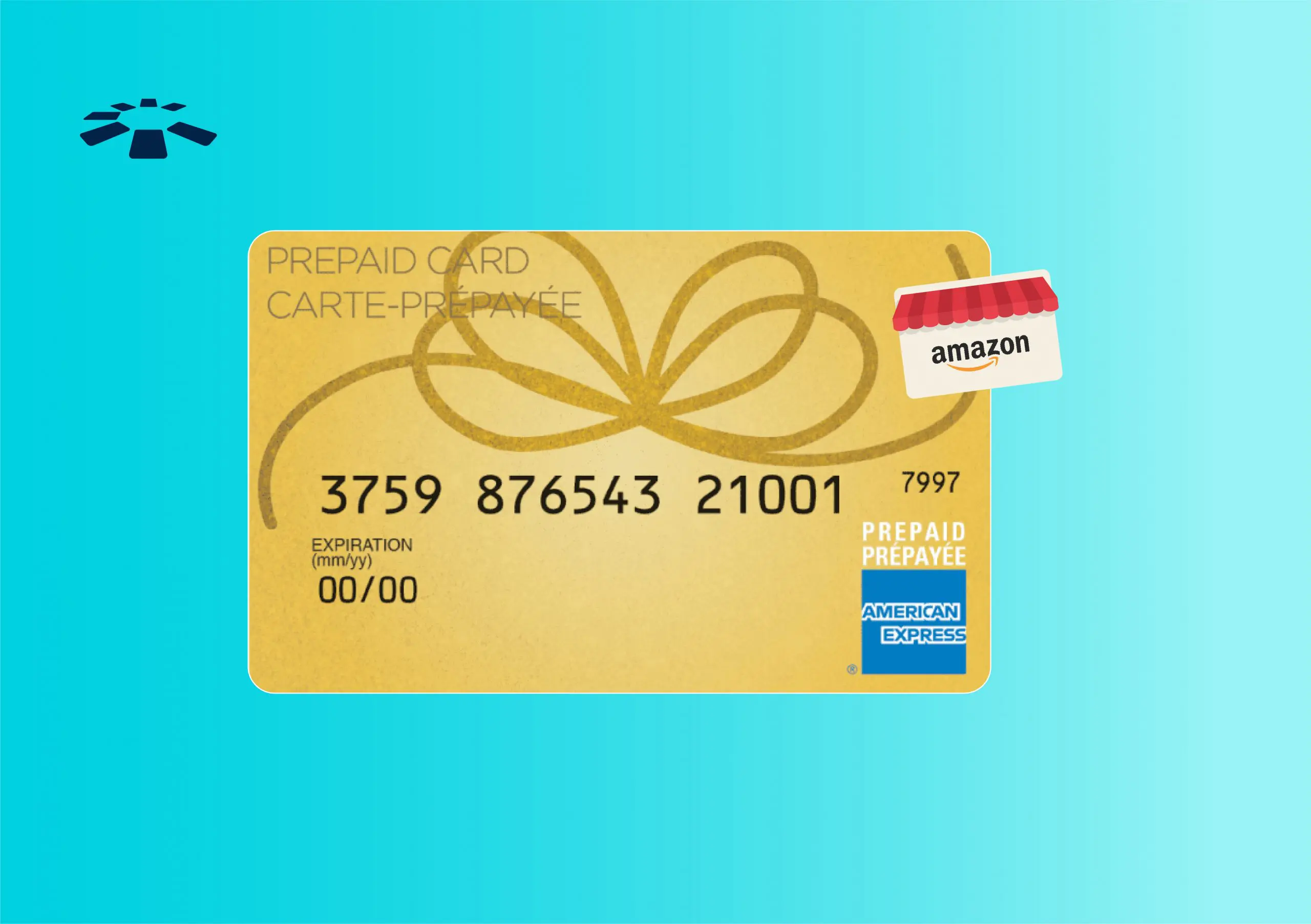
As you reach the end of a gift card’s balance, you may be left with “orphaned” amounts like $1.43 or $0.75. A popular way to maximize every cent is to use the remaining balance to purchase an Amazon e-gift card for yourself or to reload your own account balance. Amazon allows for reloads in custom amounts as low as $0.50, ensuring that no fraction of your American Express gift card goes to waste.
By treating the American Express gift card as a specialized financial tool rather than just a simple voucher, you can ensure that your funds are accessible, secure, and utilized to their fullest potential. Whether you are using it for daily expenses, protecting your identity online, or teaching a minor about disciplined spending, the Amex gift card remains a powerful asset in the modern financial landscape.
aViewFromTheCave is a participant in the Amazon Services LLC Associates Program, an affiliate advertising program designed to provide a means for sites to earn advertising fees by advertising and linking to Amazon.com. Amazon, the Amazon logo, AmazonSupply, and the AmazonSupply logo are trademarks of Amazon.com, Inc. or its affiliates. As an Amazon Associate we earn affiliate commissions from qualifying purchases.